L is for Lamb

K is for Kid

Why Must We Eat The Animals? Oh Why, Oh Why?

Sarah the Vegetarian

G is for Greyhound

Jasmine

Jasmine the rescued greyhound with one of her many fostered youngsters. Click on the pic

Greyhound    noun

Oxford Dictionary definition:  Slender swift dog used in racing.

Our definition:  Greyhounds are quiet, gentle, and loyal.  They are very loving and enjoy the company of their humans and other dogs.   Jasmine, a beautiful, rescued greyhound puppy who grew up to be a permanent resident at Nuneaton & Warwickshire Wildlife Sanctuary and an extremely well loved member of their team, is a perfect example of how loving these animals are.   Tragically so many gentle individuals like her are exploited and abused by the greyhound racing industry.

And the G g page is done! Click on the pic or go to the dictionary in the sidebar

And the G g page is done! Click on the pic or go to the dictionary in the sidebar

Stress Wave

Last Chance

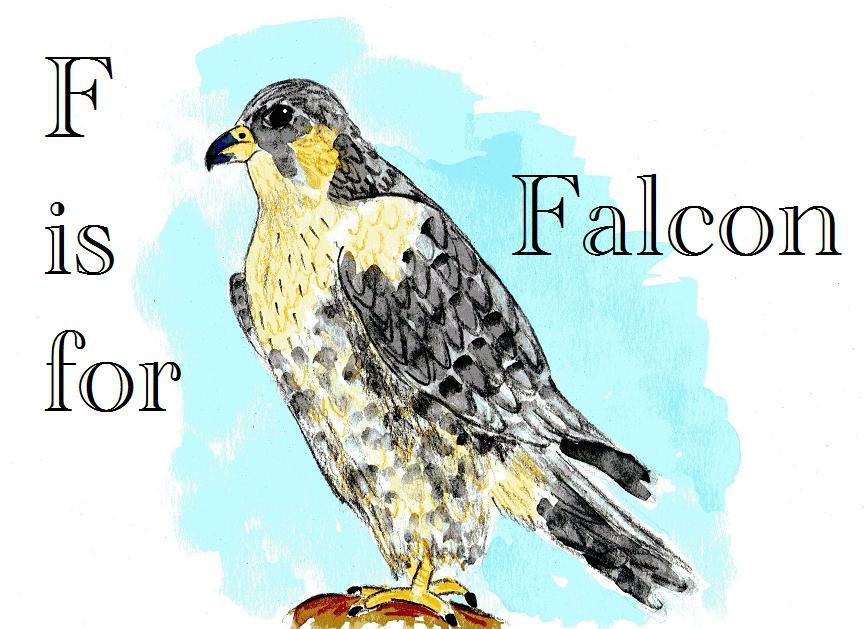
F is for Falcon

F is for falcon

Falcon    noun

Oxford Dictionary definition:  Small hawk trained to hunt.

Our definition:  A falcon is any one of 37 species of raptor in the genus Falco, widely distributed on all continents of the world except Antarctica.

Adult falcons have thin tapered wings, which enable them to fly at high speed and to change direction rapidly.  Fledgling falcons, in their first year of flying, have longer flight feathers, which makes their configuration more like that of a general-purpose bird such as a broadwing.  This makes it easier to fly while learning the exceptional skills required to be effective hunters as adults.

Peregrine falcons have been recorded diving at speeds of 200 miles per hour (320 km/h), making them the fastest-moving creatures on Earth.  Other falcons include the gyrfalcon, lanner falcon, and the merlin.  Some small falcons with long narrow wings are called hobbies, and some which hover while hunting are called kestrels.

As is the case with many birds of prey, falcons have exceptional powers of vision; the visual acuity of one species has been measured at 2.6 times that of a normal human.

*****

Click on the pic for the F page of our vegan dictionary, or see the link in the sidebar to your right

Click on the pic for the F page of our vegan dictionary, or see the link in the sidebar to your right

Psycho

Welcome to Story Time

Vegan Story Time #2: Where are you going Deidra?

Vegan Story Time #1: “I’m not dinner!”

Where’s Dolly?

E is for Elephant

E is for Elephant

Elephant    noun

Oxford Dictionary definition:  Largest living land animal with trunk and ivory tusks.

Our definition:  Elephants are large mammals of the family Elephantidae and the order Proboscidea.  Two species are traditionally recognised: the African elephant and the Asian elephant.  Male African elephants are the largest surviving terrestrial [land] animals and can reach a height of 4 metres and weigh 7,000 kg. All elephants have a long trunk, used for many purposes, particularly breathing, lifting water and grasping objects.  All African elephants, male and female, have tusks whereas only some Asian males have tusks. About 50% of Asian females have short tusks known as tushes – which have no pulp inside.  Usually in mammals tusks are enlarged canine teeth, but in elephants they are actually elongated incisors and are essentially no different from other teeth. One third of the tusk is actually hidden from view, embedded deep in the elephant’s head. This part of the tusk is a pulp cavity made up of tissue, blood and nerves. The visible, ivory part of the tusk is made of dentine with an outer layer of enamel.  Their tusks can serve as weapons and as tools for moving objects and digging. Elephants’ large ear flaps help to control their body temperature.  African elephants have larger ears and concave backs while Asian elephants have smaller ears and convex or level backs.

Elephants are herbivorous and can be found in different habitats including savannahs, forests, deserts and marshes. They prefer to stay near water. Females, known as cows, tend to live in family groups, which can consist of one female with her calves or several related females with offspring. The groups are led by an individual known as the matriarch, often the oldest cow. Elephants have a fission-fusion society in which multiple family groups come together to socialise. Males, known as bulls, leave their family groups when they reach puberty, and may live alone or with other males. Adult bulls mostly interact with family groups when looking for a mate. Calves are the centre of attention in their family groups and rely on their mothers for as long as three years. Elephants can live up to 70 years in the wild. They communicate by touch, sight, smell and sound; elephants use infrasound (low frequency sound), and seismic communication (sometimes called vibrational communication) over long distances. Elephant intelligence has been compared with that of primates and cetaceans. They have self-awareness and show empathy for dying or dead individuals of their kind.

African elephants are listed as vulnerable by the International Union for Conservation of Nature, while the Asian elephant is classed as endangered. One of the biggest threats to elephant populations is the ivory trade, as the animals are poached for their ivory tusks. Other threats to wild elephants include habitat destruction and conflicts with local people.

Horribly, in addition to murdering them for their ivory, human beings have exploited elephants for entertainment in zoos and circuses for centuries; and now the military thinks they might be useful for sniffing out bombs!

Thank goodness for The Elephant Sanctuary, Tennessee, a natural habitat refuge developed specifically for African and Asian elephants, which is home to beautiful animals, rescued or retired from zoos and circuses, who can now live out their lives in a safe haven dedicated to their well-being.

elephant sanctuary

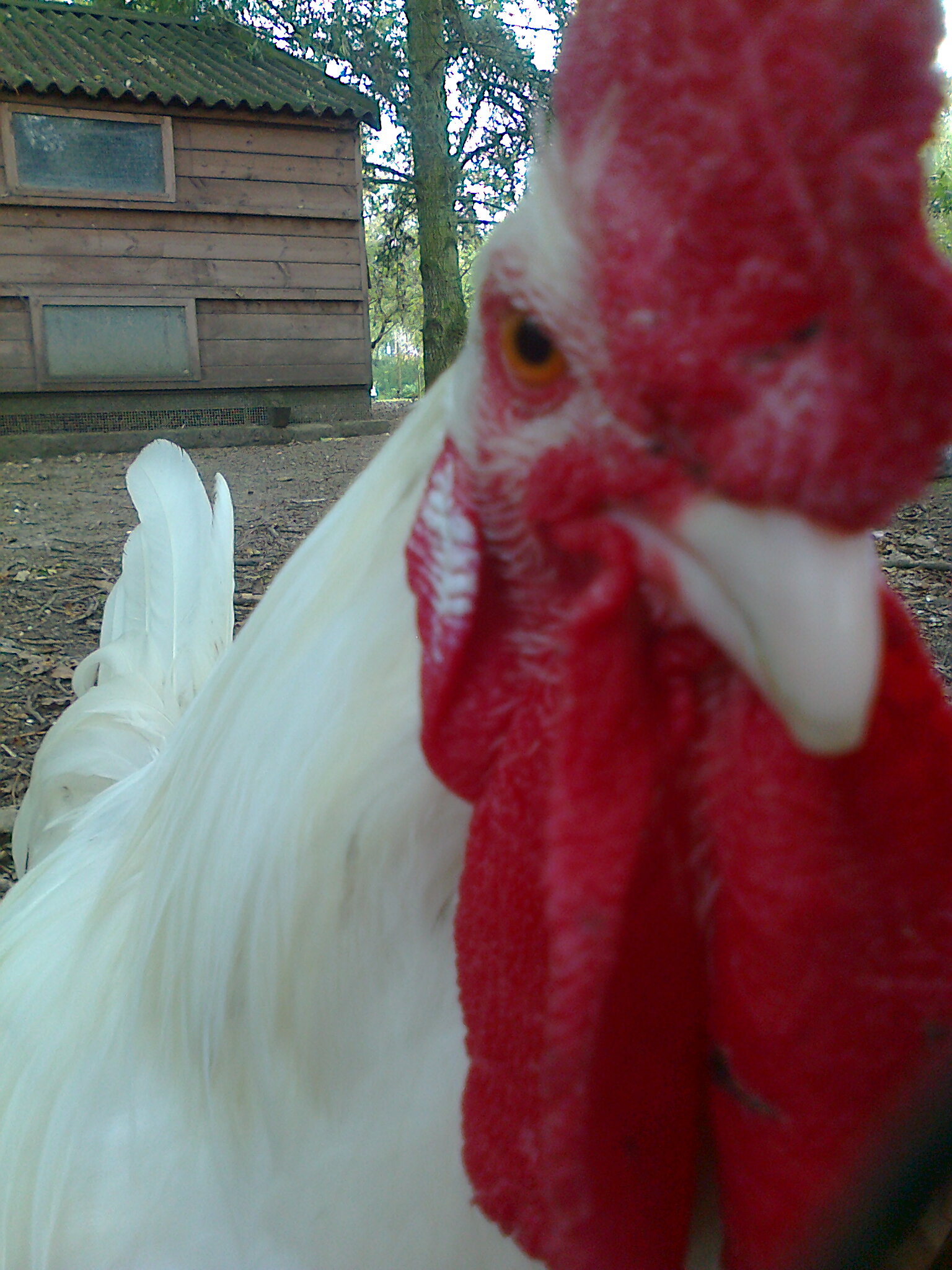
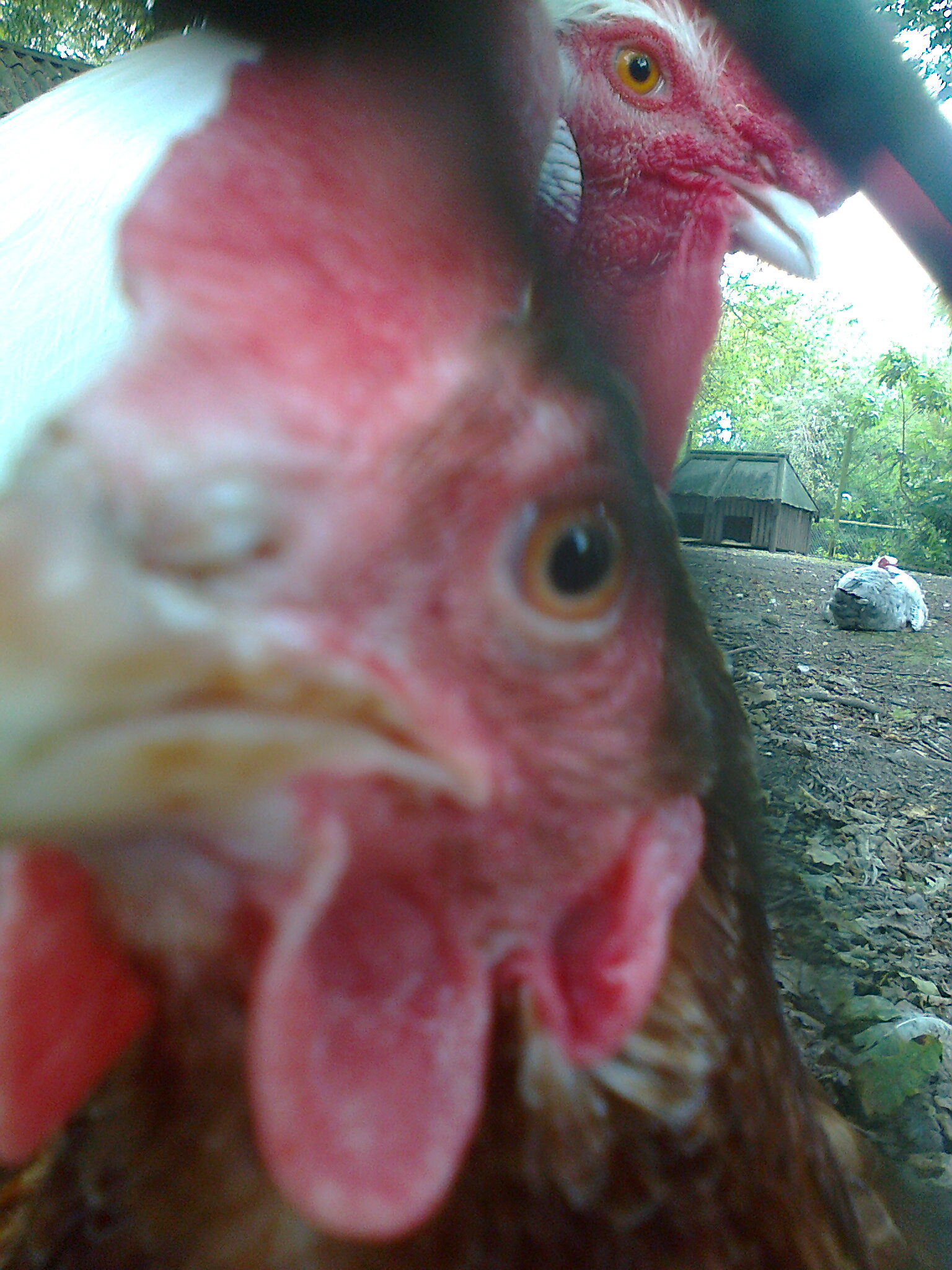
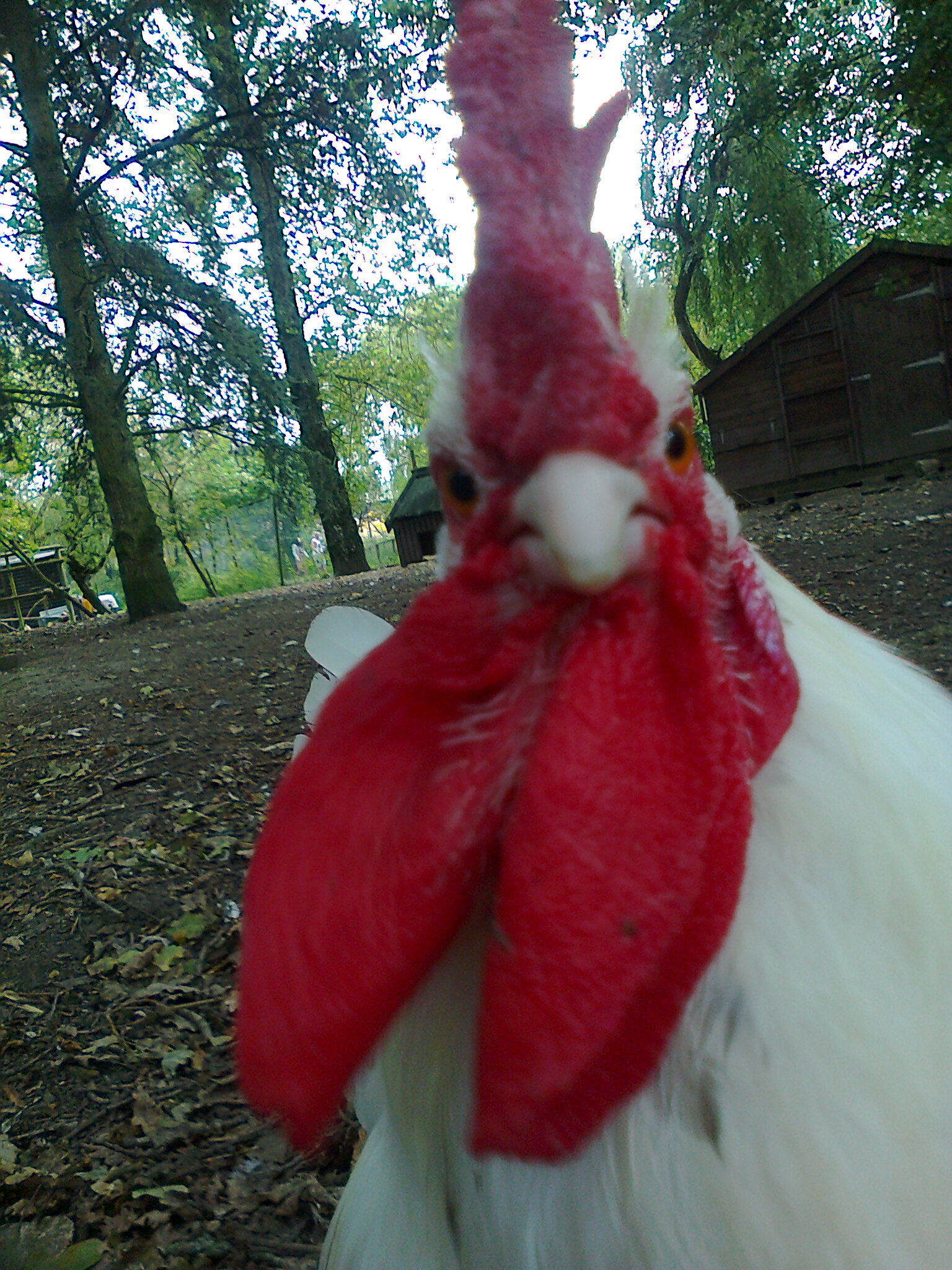
Chickens Are People Just Like Dogs

D is for Donkey

D is for donkey

Donkey    noun

Oxford Dictionary definition:  1. Domestic ass  2. colloquial stupid person

Our definition:  The donkey’s wild ancestor, the African Wild Ass, is well suited to life in a desert or semi-desert environment, having a tough digestive system which can break down desert vegetation and extract moisture from food efficiently. They can also go without water for a fairly long time. Their large ears give them an excellent sense of hearing and help in cooling.  Because of the sparse vegetation in their environment wild asses live somewhat separated from each other (except for mothers and young), unlike the tightly grouped herds of wild horses. They have very loud voices, which can be heard for over 3 km (1.9 mi), which helps them to keep in contact with other asses over the wide spaces of the desert.

Mature males defend large territories around 23 square kilometres in size, marking them with dung heaps – an essential marker in the flat, monotonous terrain.  Due to the size of these ranges, the dominant male cannot exclude other males. Rather, intruders are tolerated—recognized and treated as subordinates, and kept as far away as possible from any of the resident females.

Wild asses can run swiftly, almost as fast as a horse.  However, their tendency is to not flee right away from a potentially dangerous situation, but to investigate first before deciding what to do.  When they need to, they can defend themselves with kicks from both their front and hind legs.

Though the species itself is under no threat of extinction, due to abundant domestic stock, the two extant wild subspecies are both listed as critically endangered.  African wild asses have been captured for domestication for centuries, and this, along with interbreeding between wild and domestic animals, has caused a distinct decline in population numbers. There are now only a few hundred individuals left in the wild.  These animals are also hunted for food and for traditional medicine in both Ethiopia and Somalia.  Competition with domestic livestock for grazing, and restricted access to water supplies caused by agricultural developments, pose further threats to their survival.  The African wild ass is legally protected in the countries where it is currently found, although these measures often prove difficult to enforce.

There are more than 40 million ‘domesticated’ donkeys in the world, mostly in developing countries where they are used principally as draught or pack animals. Working donkeys are often associated with those living at or below subsistence levels. Small numbers of donkeys are kept for breeding or as pets in developed countries.

The Donkey Sanctuary in Devon works hard to transform the quality of life for donkeys, mules and people worldwide through greater understanding, collaboration and support, and by promoting lasting, mutually life-enhancing relationships.  They work inclusively with people frequently marginalised within their own countries and communities, whether due to poverty, ignorance, race, gender or disabilities. They treat every interaction as a two-way opportunity to learn and to teach. “We know that it is only together that we can help donkey owners and carers become donkey welfare ambassadors wherever they live and work.”

Dr Elisabeth Svendsen, in love with them since childhood, made it her life’s mission to rescue abused, neglected and abandoned donkeys and founded The Donkey Sanctuary in 1969.  She said,

“To me they are the most beautiful, the most underrated animals in the world – and, as long as they need my help, they shall have it.”

********

D

is finished for the time being.

Click on the picture or go to the dictionary in the sidebar 🙂 And now, on to E e

C is for Crab

hermit crab

Crab    noun

Oxford Dictionary definition:  1.  Shellfish with 10 legs  2.  This as food

Our definition:  1.  Crabs are sentient beings who live in all the world’s oceans, in fresh water, and on land, are generally covered with a thick exoskeleton and have a single pair of claws.  They attract a mate through chemical (pheromones), visual, acoustic or vibratory means. Pheromones are used by most fully aquatic crabs, while terrestrial and semi-terrestrial crabs often use visual signals, such as fiddler crab males waving their large claw to attract females. Crabs are mostly active animals with complex behaviour patterns.  They can communicate by drumming or waving their pincers.  Males will fight to win females or to defend territory.  Fiddler Crabs dig burrows in sand or mud, which they use for resting, hiding, mating and to defend against intruders. Crabs are omnivores, feeding primarily on algae, and taking any other food, including molluscs, worms, other crustaceans, fungi, bacteria and detritus, depending on their availability and the crab species.

2.  Crabs are boiled alive by humans who want to eat them.

*************

C

The Cc page is done now (click on the pic or go to the dictionary in the sidebar).

I’ll be starting on Dd today 😀

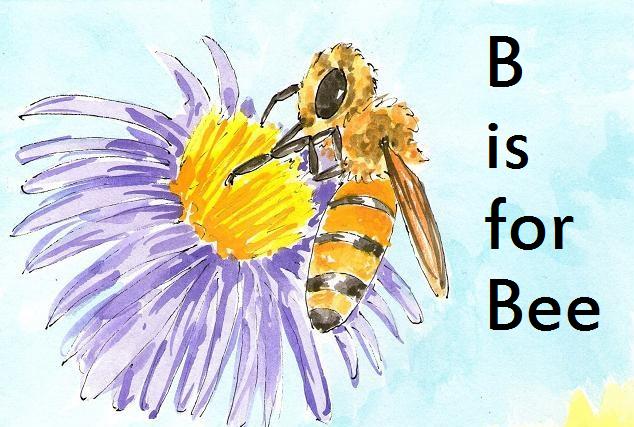
B is for Bee

b is for bee

Compiling the vegan dictionary is taking a long time and I won’t be able to complete a letter in one day as I naïvely first thought.  I have only just finished Bb so won’t be able to share any C words until at least tomorrow 🙂  In the meantime, Miranda thought it might be a good idea to post an excerpt of Bb – so here it is:

Bee    noun

Oxford Dictionary definition:  Four-winged stinging insect, collecting nectar and pollen and producing honey and wax.

Our definition:  There are lots of different types of bee in the UK, around 250 species – 24 species of bumble bee, 225 species of solitary bee and just one species of honey bee.  Honey bees will live through the winter, eating and working all winter long, which of course requires a large store of food – hence the honey they’ve worked hard for all summer.  With Bumble bees however, the new queens, after mating, find somewhere to hibernate and the rest of the colony dies off.  While hibernating she does not need to eat so there are no honey stores.  In the spring when she has to work hard, she makes a small pot of honey for herself.    Solitary bees typically produce neither honey nor wax.  They are important pollinators as the females, who are all fertile, build their own nests and take care of their own young so pollen is gathered for provisioning the nest with food for their brood.  Bees gathering nectar (eg honey bees) may accomplish pollination, but bees that are deliberately gathering pollen (eg solitary orchard mason bees) are more efficient pollinators.  There are also 500 species of stingless bee

Bb-Day is here!

Rethinking the language with a vegan dictionary

vegan dictionary

So often we realise, and sometimes we don’t realise, that the words we use normalise animal exploitation and degradation.  A man might be angrily referred to as a ‘pig’ because he behaves in an obnoxious or sexist manner; a person might be called an ‘animal’ if they are aggressive or bad mannered; some animals are described by the way they taste instead of by characteristics which actually tell us something about them as individuals; people are desensitised to the harsh realities which face captive animals every day because words, like ‘abattoir’ for example, are defined simply as slaughterhouse which doesn’t begin to convey the horror and becomes an accepted and unquestioned fact that doesn’t make people recoil or revolt.

The other side of this coin is that some words are only described in relation to animal farming when in fact there is so much more to them (see alfalfa).

So we thought it would be a good idea to make a vegan dictionary, with words defined from a vegan point of view, and we’ll keep it high up in the sidebar for easy reference.  It will take a long time to complete – so far I have just done A! – but it is a very interesting endeavour and I am enjoying it.

DSCN3054

I began by referring to my big old Oxford dictionary.  I went through the A section, page by page, and every time I came across a word which normalised animal exploitation or degradation, or which was defined in a way which did, I copied it down and defined it honestly and fully to the best of my ability.  I also include the Oxford definition in my dictionary for comparison.

You can find the dictionary by clicking on the picture at the top of this post, or on the picture of the dictionary in the sidebar and that will take you to links to the lettered pages – so far, as I said, just A, but I’ll get started on B today!

I believe that most people, whether they be veg*n or not, have compassion for animals and the reason that many of those who feel love for other species still eat some of them is because they have been conditioned from birth not to question it.  It is deeply embedded in the language they speak.

When I was 13 I told my dad that I wanted to be vegetarian and he asked me why.  I told him that it was because I didn’t want animals to be killed.  He explained to me earnestly that it was all done humanely; that they don’t suffer.  He didn’t know that.  He didn’t know anything about animal farming or slaughter, but he believed it to be true.  He had been told that there were regulations in place to make sure the animals didn’t suffer and he believed it.  And he told me that it was true.  And that’s what most people think:  it is normal, it is natural and it is humane.

But it isn’t any of those things so we need a new normal, and it starts with the language.

26 Verses of Deidra

rhyming children's story

Where are you going Deidra? is one of our favourite, and one of the most popular, stories on this site so when we decided to publish a compilation of short stories and rhymes for little ones we really wanted to include it.  Unfortunately the new book – entitled “Why are you a vegan?” And other wacky verse for kids – is full of rhyming stories (of course), and Deidra is not one of those.

So, we made it into one – and here it is, the true-ish story of Deidra the dairy cow, in rhyme, in case you’re interested.

This is how it begins:

rhyming children's story

Once there was a dairy farm

With fifty lovely cows.

Most of them were black and white

But some of them were brown.

***

Gripping stuff I know! 😉

 Where are you going Deidra? – In Rhyme

Happy Christmas Sandra!

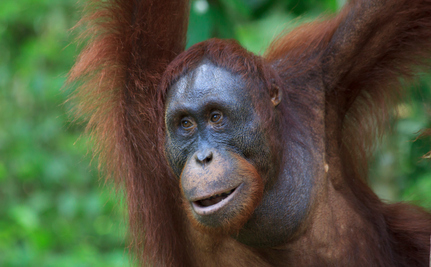
orangutan Sandra legal person

Sandra has achieved the unprecedented legal status of a “non-human person.” A court has recognized that she has rights and that being kept in a zoo unlawfully deprives her of her freedom.

Woo hoo!!!! 😀 😀 😀

In November, the Association of Professional Lawyers for Animal Rights (AFADA) filed for habeas corpus, a petition usually used to challenge the imprisonment of a human who has been illegally detained. Instead, this petition sought freedom for Sandra, a Sumatran orangutan. Sandra has spent the last 20 years of her life at the Buenos Aires Zoo. In 1986, she was born into captivity at a German zoo. Nine years later she was sent to Argentina. Sandra is described as very shy, with a marked preference for avoiding the stares of zoo visitors. AFADA’s case asserted “the unjustified confinement of an animal with probable cognitive capability” illegally deprived a “non-human person” of her freedom. AFADA insisted Sandra was a person in a philosophic sense, rather than a biological one. In other words, she’s not human, but she deserves certain equivalent rights. A three-member panel of Argentina’s Second Chamber of the Criminal Appeals Court unanimously granted habeas corpus, deciding that Sandra is a “juridical person” rather than an object.

Sandra

Congratulations Sandra and well done Argentina!

Let us hope that this decision is upheld and that it will lead to a more enlightened attitude worldwide resulting in person-hood rights being granted to all captive animals.

Happy New Year!!!!!!!

Read more: http://www.care2.com/causes/landmark-ruling-an-orangutan-is-a-non-human-person-with-rights-says-argentina.html#ixzz3Miy5Mzex

We interrupt this story to tell you about ….

The Hillside Animal Sanctuary Christmas Fayre this weekend!

CLICK THE PIC FOR MORE INFO

CLICK THE PIC FOR MORE INFO

If you live in Norfolk or the surrounding area I highly recommend you pop over to Hillside’s Shire Horse Sanctuary for a lovely day out and a chance to help the animals with your Christmas shopping.  Hillside is a fantastic charity which not only provides sanctuary for over 2000 formerly abused or neglected animals, they also do in depth investigations into animal abuse so that perpetrators can be prosecuted.

And they need all the help we can give them, so have a great day out helping the animals that need you – get over to Hillside at the weekend.

Have fun 😀

Isn’t it a yucky thing?

Veganism

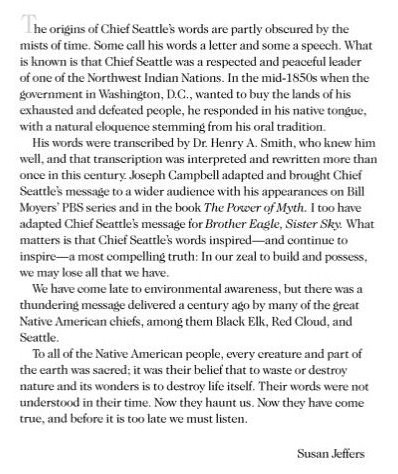
Brother Eagle, Sister Sky

Come rhyme with me

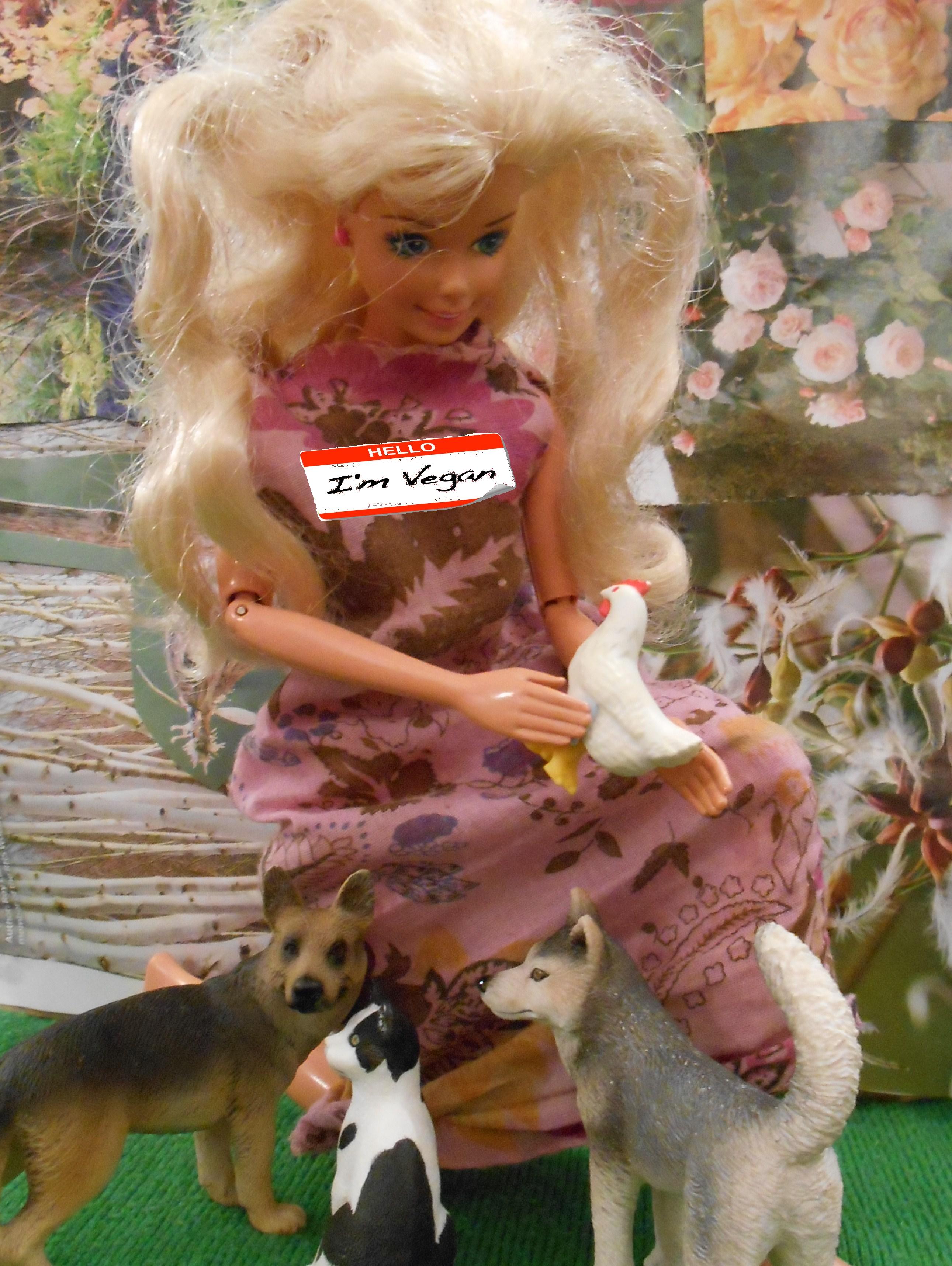
Barbies

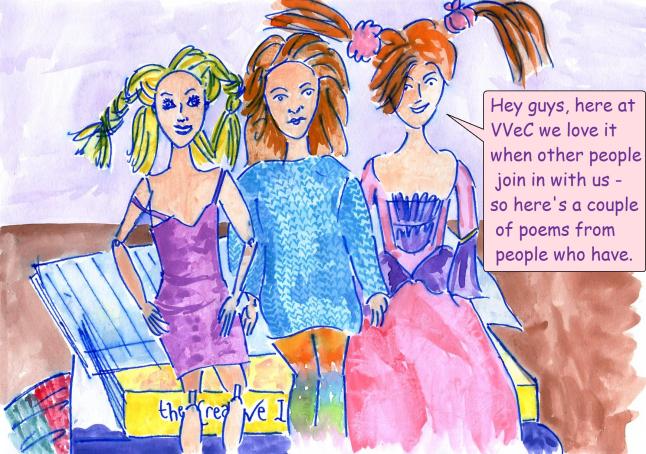
First these little gems by the lovely Barry Wax:

“You will eat anything,” said the cow to the Billy Goat.
“Not at all,” the goat burped with the flavor of the shoe on his lips.
The cow munched on the cud and thought the remark over.
“I am not sure who is worse in habits, you or the pig?”
The pig looked up offended. “I admit I eat slop but the goat will eat the buttons off a coat and then the coat.”
“I have you all beat said the human. I will eat the goat, the cow and the pig.”
The three nodded in fear for they realized the human was the worse and hoped he would not pick one of them for dinner.
Fortunately goosey came by and within seconds became the bon appetite for the night.

****

The vegetable from outer space never eat meat.

And so the human race was not the dish it meant to eat.

The vegetable from outer space was reddish in color,

It had seven eyes, four ears and a dozen tiny, tiny feet.

The vegetable from space had blood the color of blue,

It breathed oxygen and gave out CO2 and in the air flew.

The vegetable from space had a high IQ and came for peace,

It landed in the city and a homeless man fined him and did eat.

No more vegetable from outer space, no more savior of mankind,

For the homeless man the vegetable from outer space was food and there was no meal line.

****

What is an olive?

It is a fruit from an evergreen tree.

It has yellow flowers.

It makes olive oil.

There are green olives and black olives.

It has the good fat.

It fights heart disease.

I like it in my salad.

I like it on my pizza.

Olives are great.

****

The pair of pears were juicy.

The melon ripe and moist.

The watermelon was sweet.

With the fruit we rejoice.

The energy flowed through us,

It was vital and strong.

We harmed nothing in this post,

We are like the earth reborn.

****

A salad is on my mind.

Crispy lettuce of any kind.

Cucumber sliced and scattered around.

A few placed olives to be found.

A celery stalk on both sides.

A cream sauce moving like the tides.

A slice of pickle.

To make my mouth tickle.

My taste buds tingle and wait,

Got to eat that salad, it looks first rate.

Thanks Barry 🙂

And this next poem, about the joy of the world around us and our connection to it,

was written by Tokoni Uti who also wanted to join in.

Earth Poem

We are eating  from the womb of the earth.
We  are celebrating the patriots of birth.
We are dancing in her familiar rain.
And harvesting herbs for the healing of pain
The wrath of the sun kisses our shoulders.
And the caresses of the wind are getting bolder. 
The whispers of the wind cries in our ears.
The call of the sea embraces our fear.

Thanks for your contribution Tokoni 🙂

“Pay, I say pay attention boy!”

‘Where are you going Deidra?’ Goodreads Giveaway

Psst ….

Skipping Lunch

Uh oh!

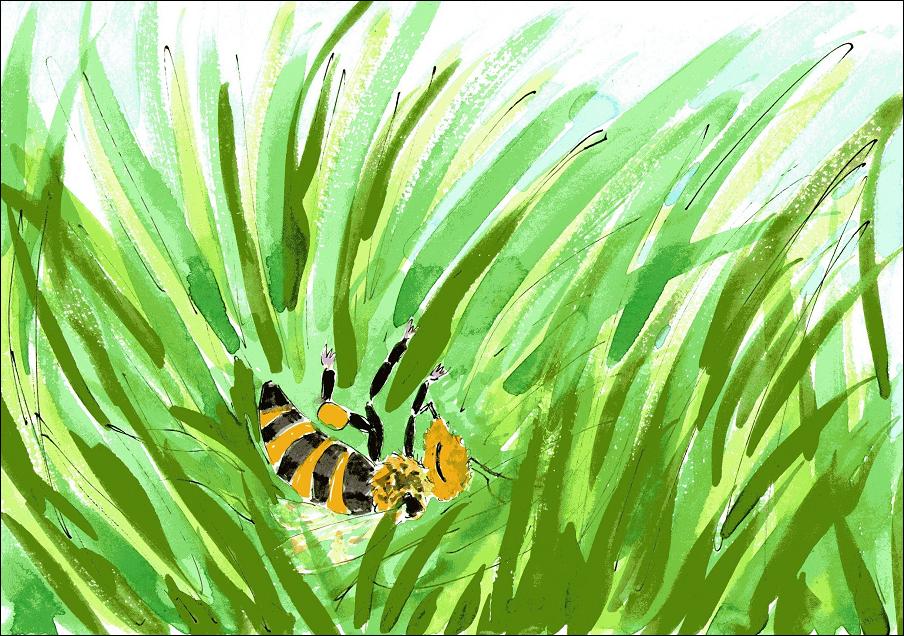
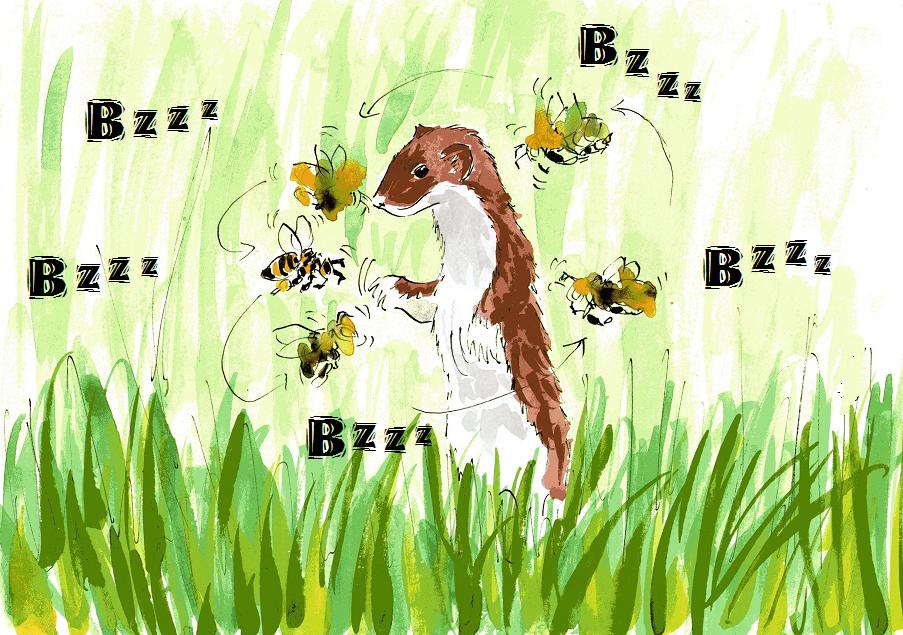
Bzzzzz …

Friendship

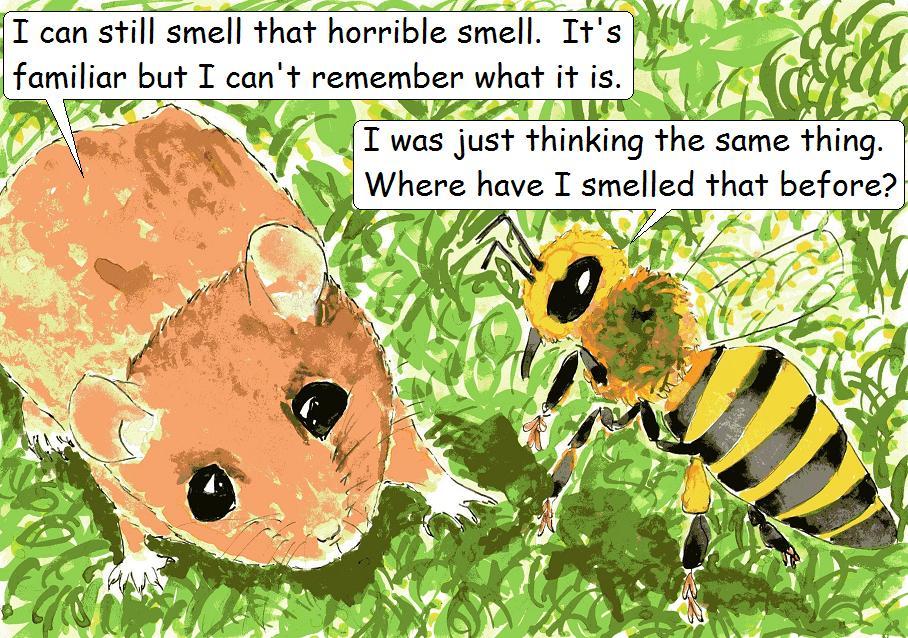
Now where have I smelled that before?

Halfway there

Warming up

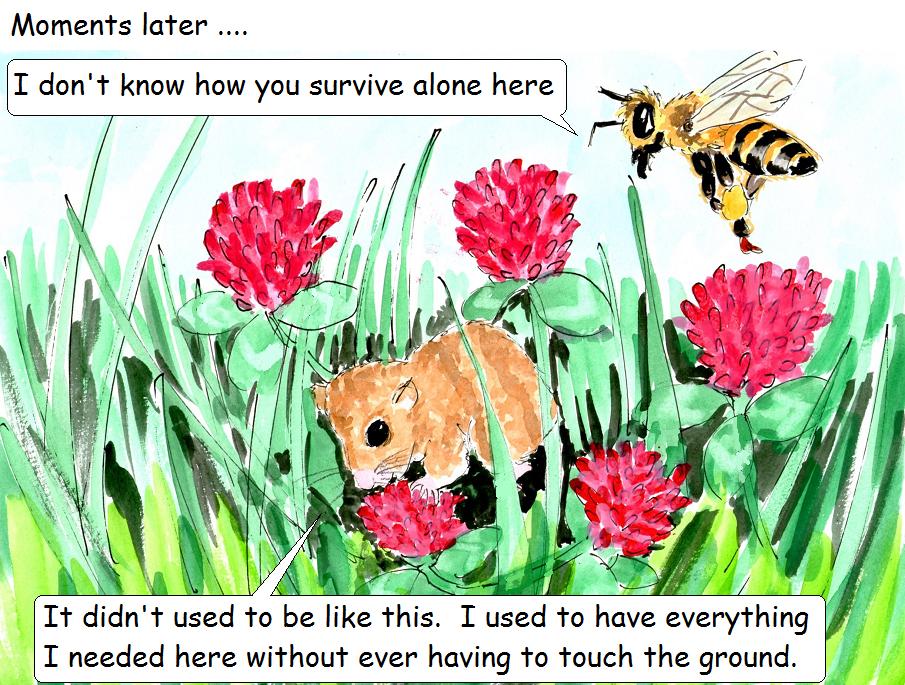
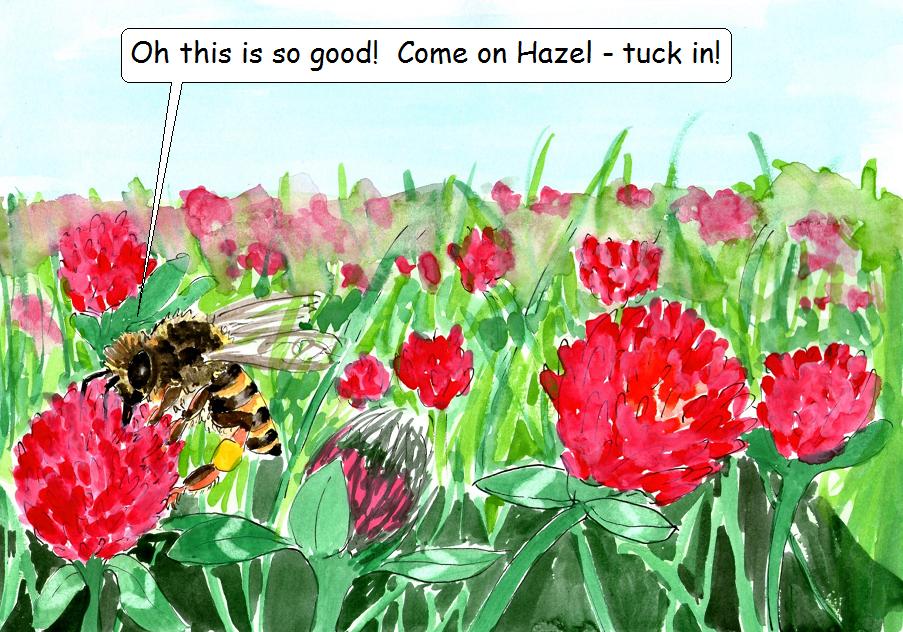
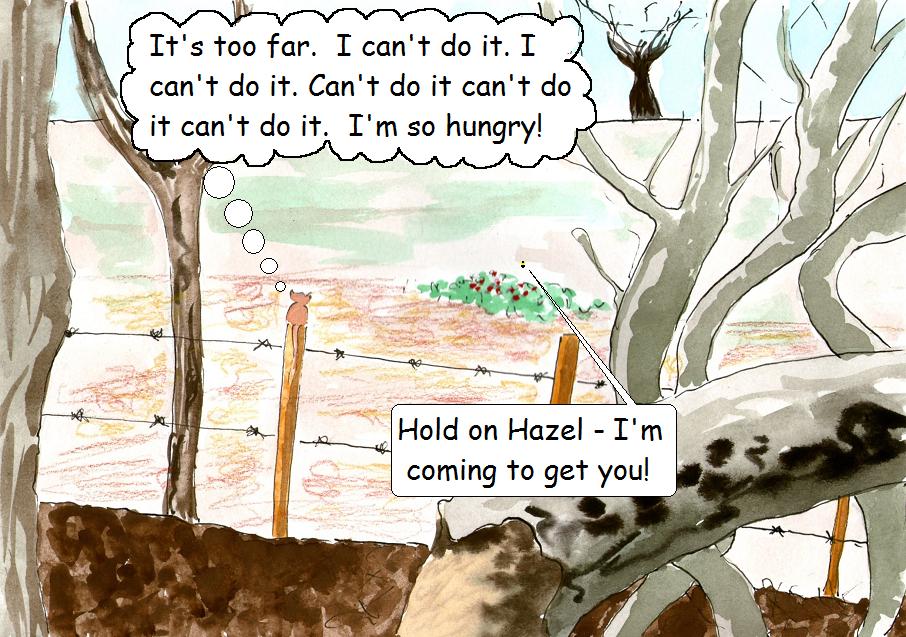
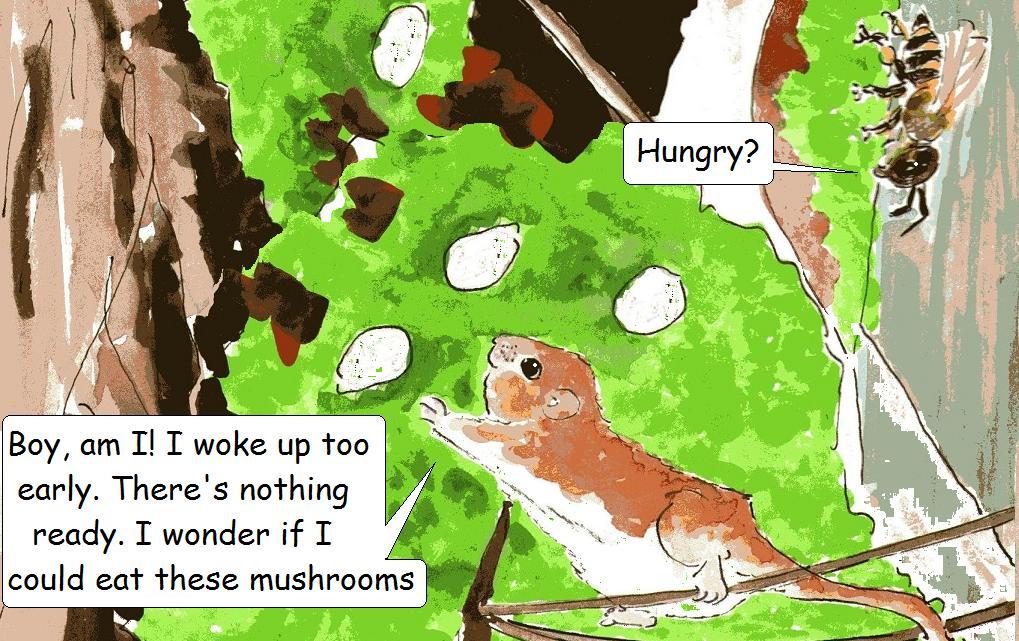
Hazel and the Honey Bee – the story continues ….

I like birds

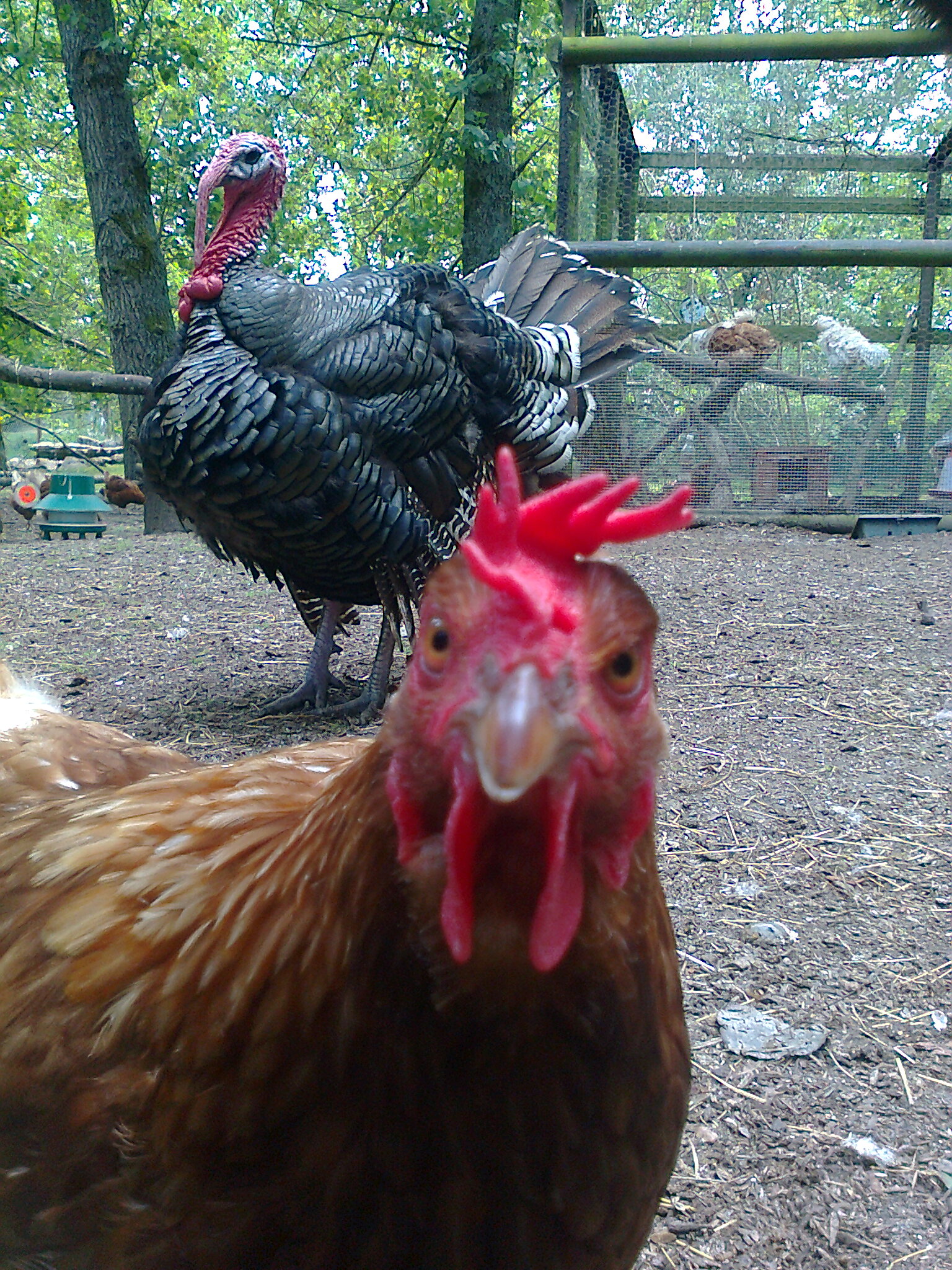
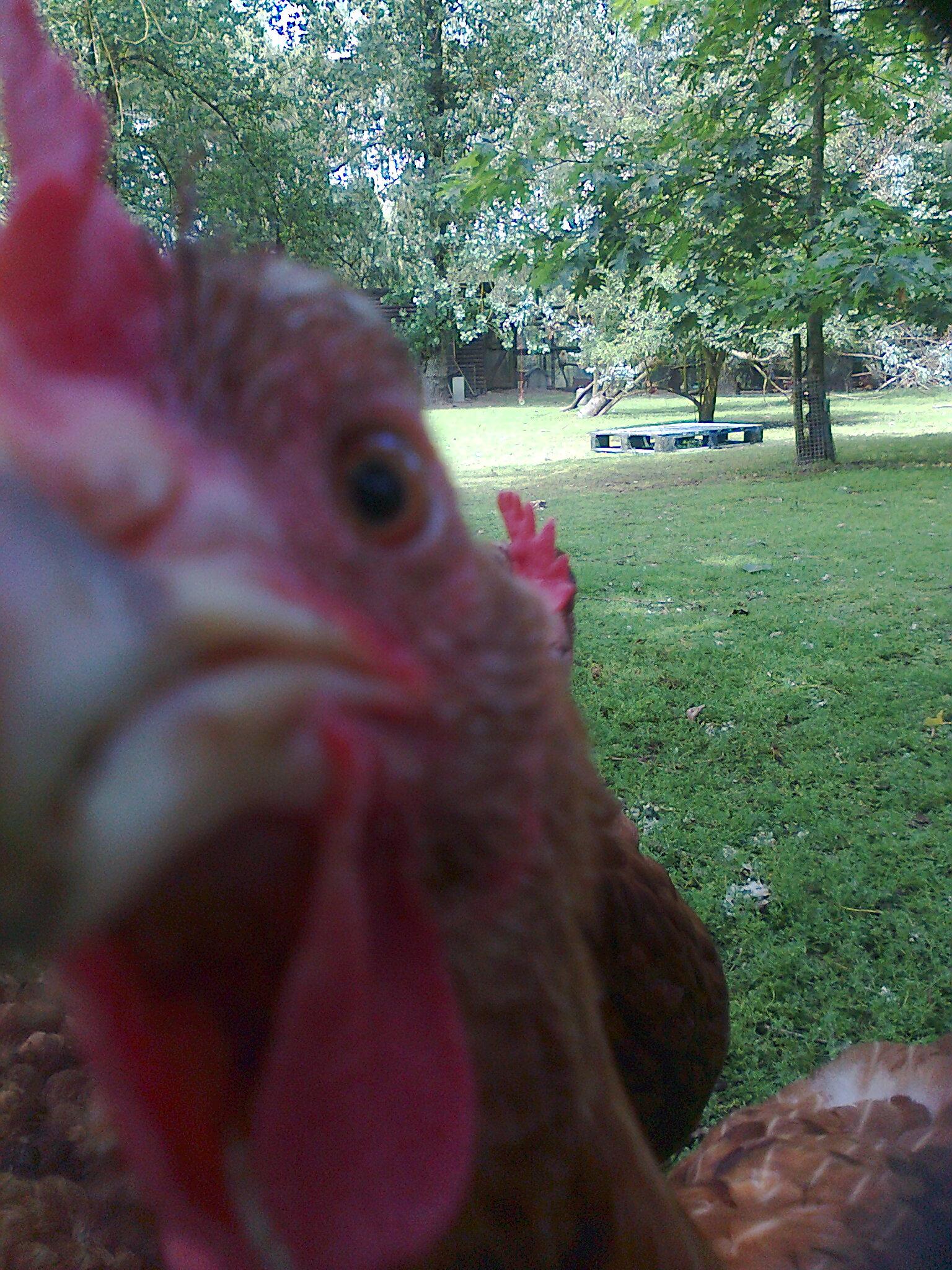
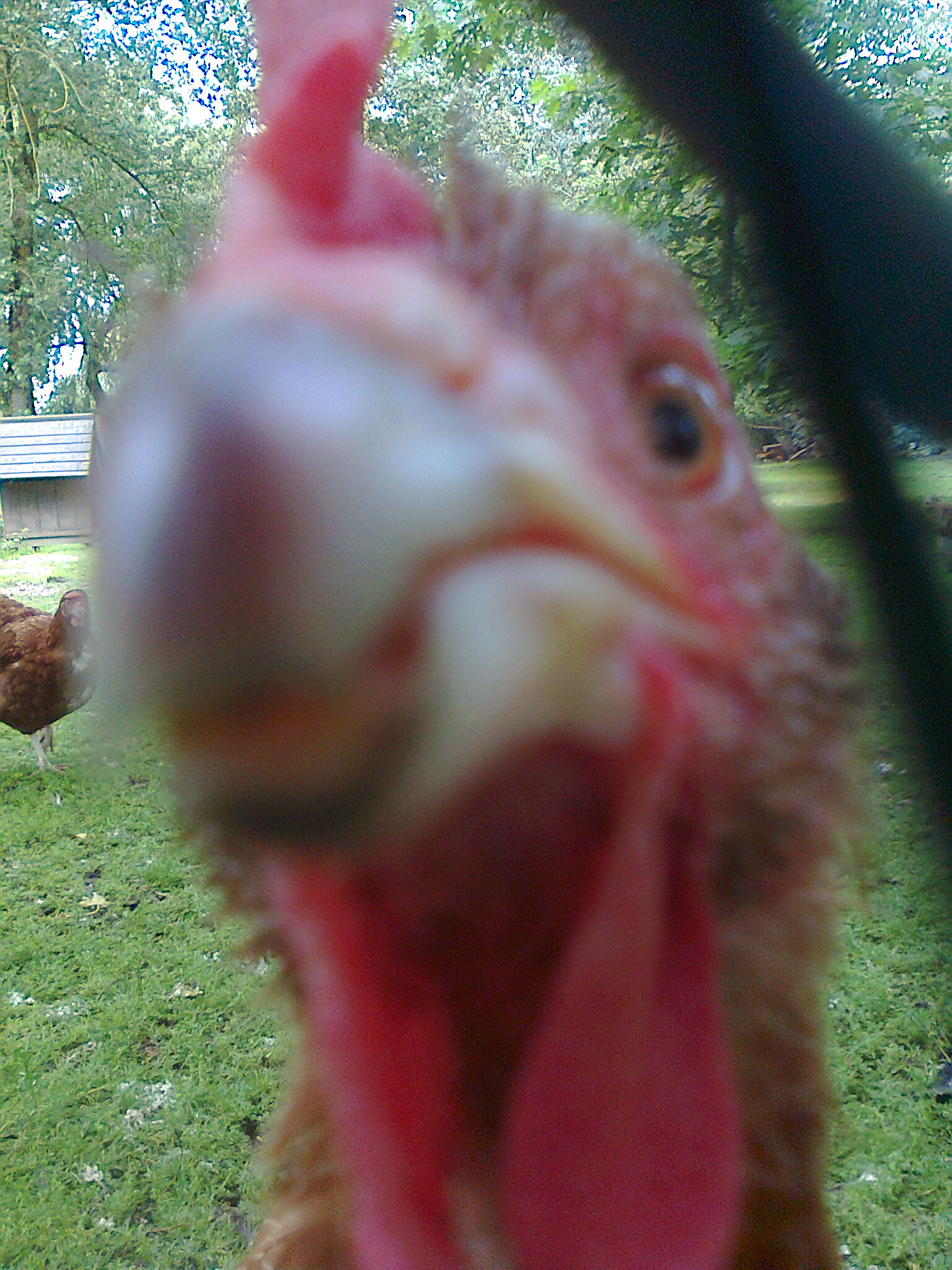
It’s time you met the beautiful birds of Raystede Centre for Animal Welfare!  Raystede rescues and re-homes chickens.  They have a lovely big garden to live in filled with places to play and have fun or rest and relax.  As well as chickens they have two magnificent turkeys who inspire awe wherever they go.

Photo8361

What are you looking at?Photo8347Come closer. I want to see what it tastes like.

Photo8344

Maybe you could take a picture of me looking to the right? I think my left side is my better side. What do you think? Don’t  I have beautiful eyes?

Photo8341

If you just come a little bit closer… that’s great.

Photo8337

Are you still here? I thought you’d be gone by now.


http://www.raystede.org/news/chicken-rescue/

Look at this can

dangerous litter

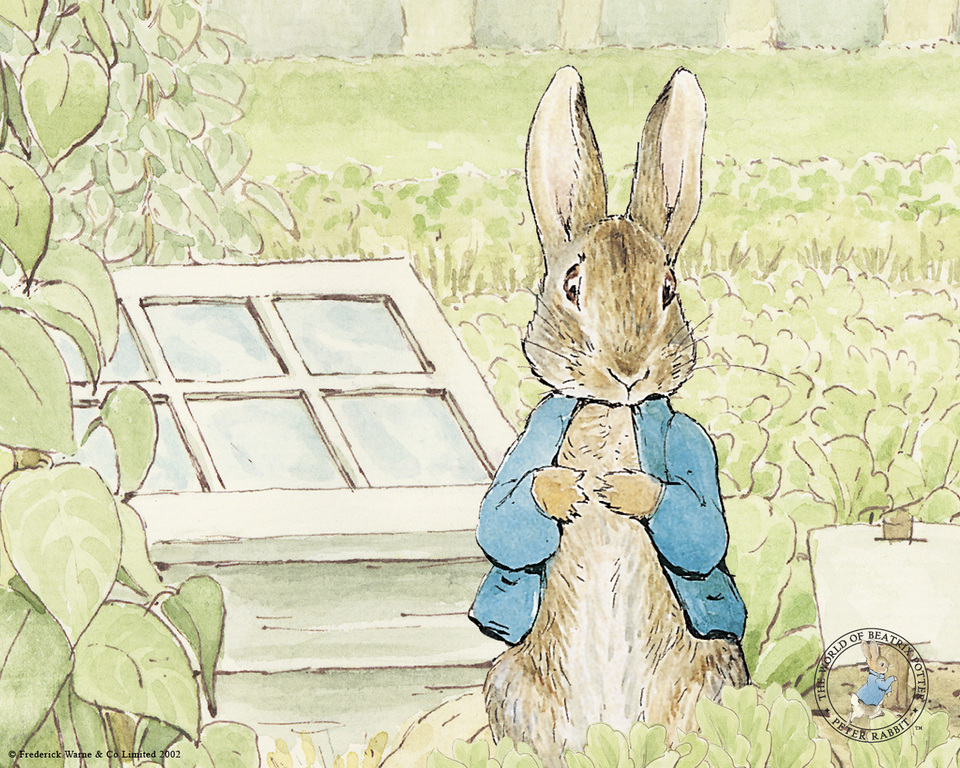
Look at this can, and picture if you can

What it would do to Peter Rabbit’s paw.

It’s as sharp as a knife, it would cut like a knife,

And cause bad infection for sure.

peterrabbit_peter_1280

This is how it goes, when someone just throws

Their drink can on the ground.

Inevitably it must, succumb to the rust,

Get dangerously jagged and unsound.

dangerous litter

Now think of this, just think of this –

What if Mrs Tiggywinkle walked over?

What if she trod, right over the sod

Where this can was hidden in the clover?

Mrs Tiggywinkle

Or Tabitha Twitchit, perhaps Mrs Twitchit,

Might be walking her youngsters to school.

Moppet and Mittens, and Tom, her kittens

Could, on this can, cut their feet cruel.

Mrs Twitchit and kittens

“Oh I wish,” they would say, at the end of the day,

“That the can had never been left there.”

Their feet would sting, as infection set in,

“But humans who litter just don’t care.”

The Raystede Centre for Animal Welfare

Raystede

At Raystede they rescue, rehome and provide sanctuary for more than 1500 animals each year.  It is free to visit almost every day of the year and very important to their work is their educational service, used by schools in East Sussex and beyond.  They also offer guidance to all ages on caring for animals.

They say: “Our Sanctuary, with its sizeable lakes, offers a safe haven for visiting waterfowl as well as for our chickens, turkeys, ducks and geese. We also offer a lifelong home for goats, horses, ponies and donkeys which are no longer wanted.”

 Raystede map

Helloo

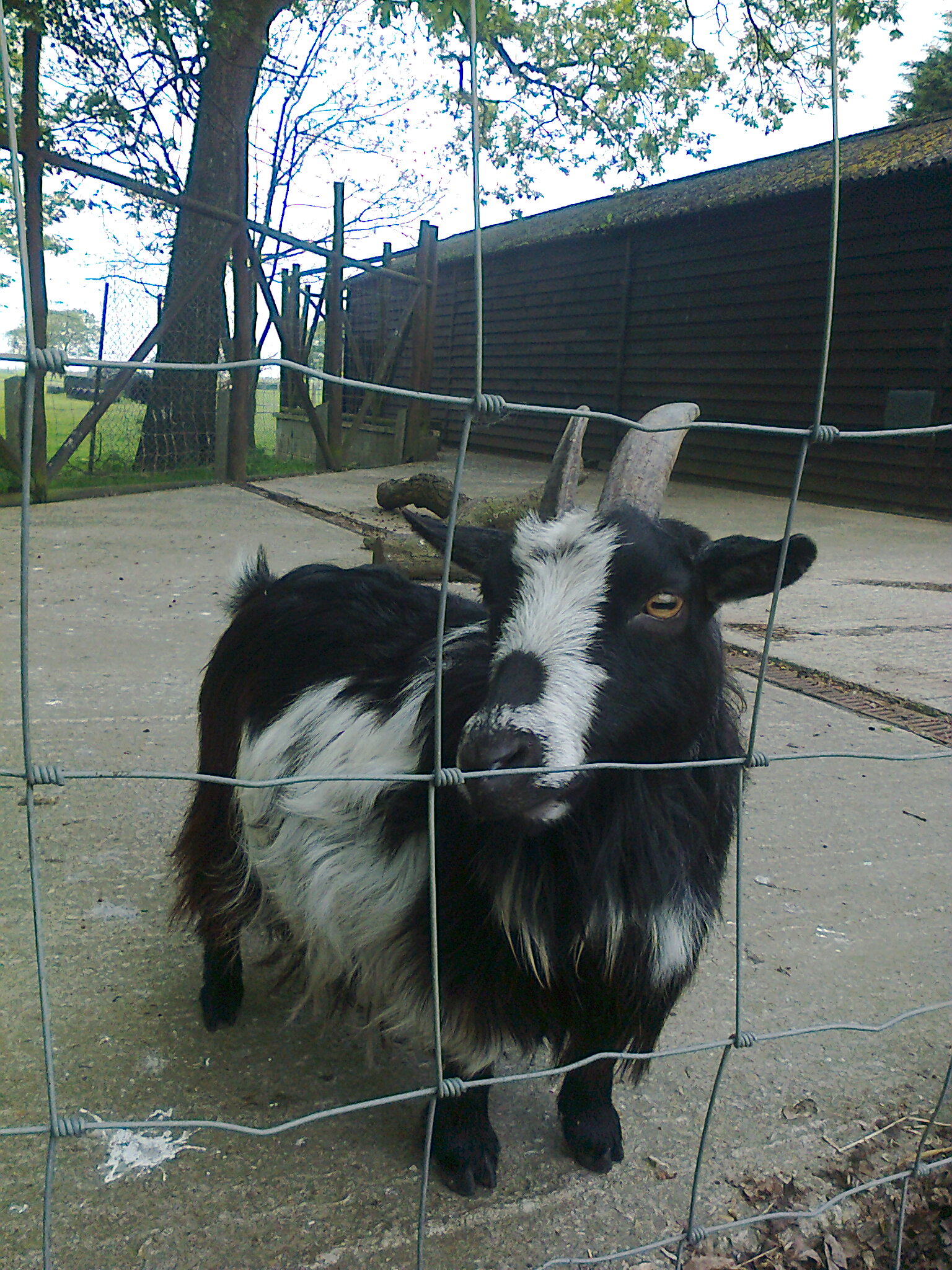
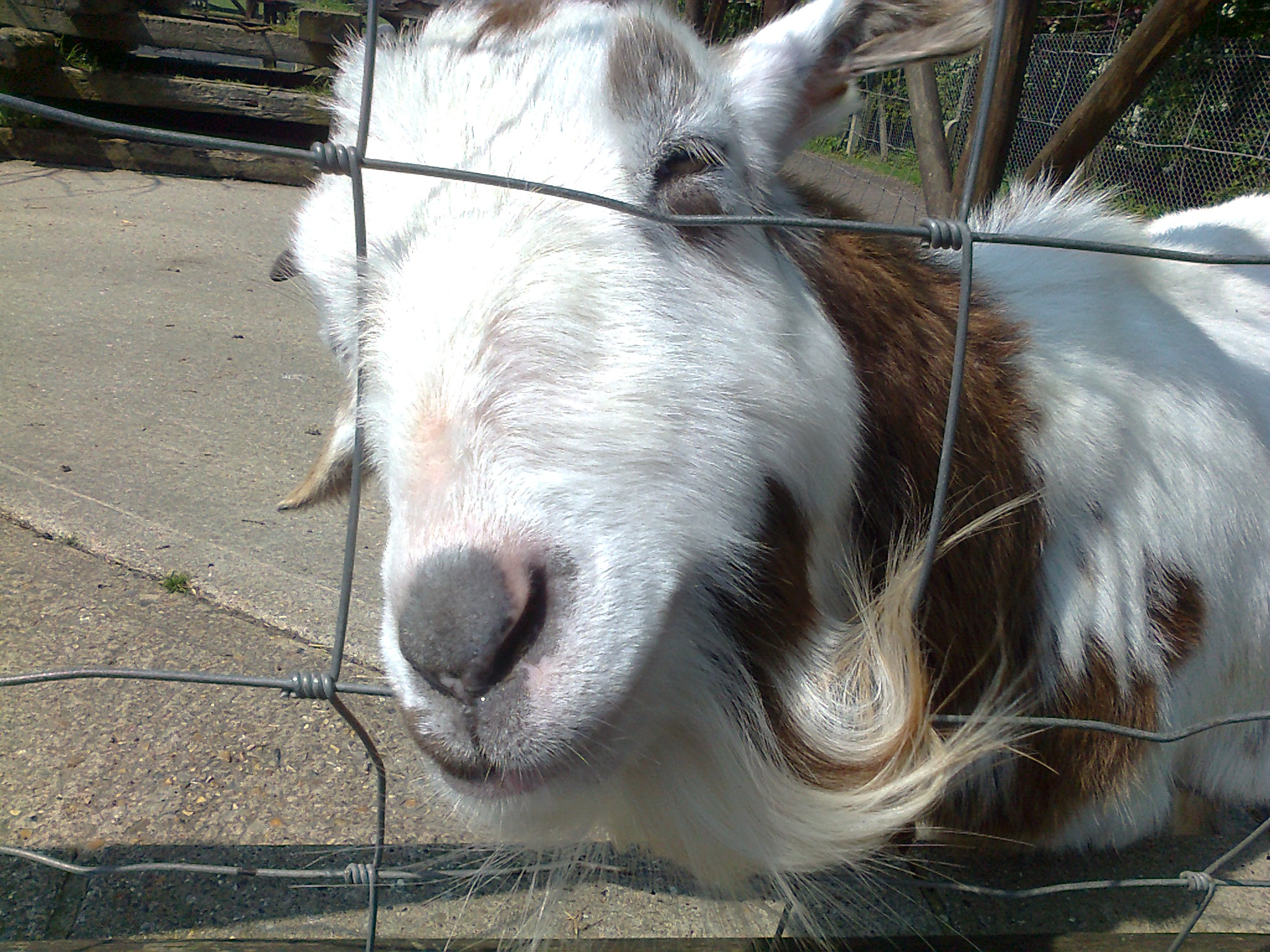
This little person is named Sweetpea, and she is sooo friendly and gorgeous! You can see in the background the fields in which the goats can go to play.


So what do you like about me

Sweetpea again, what an adorable face!


What's that (2)

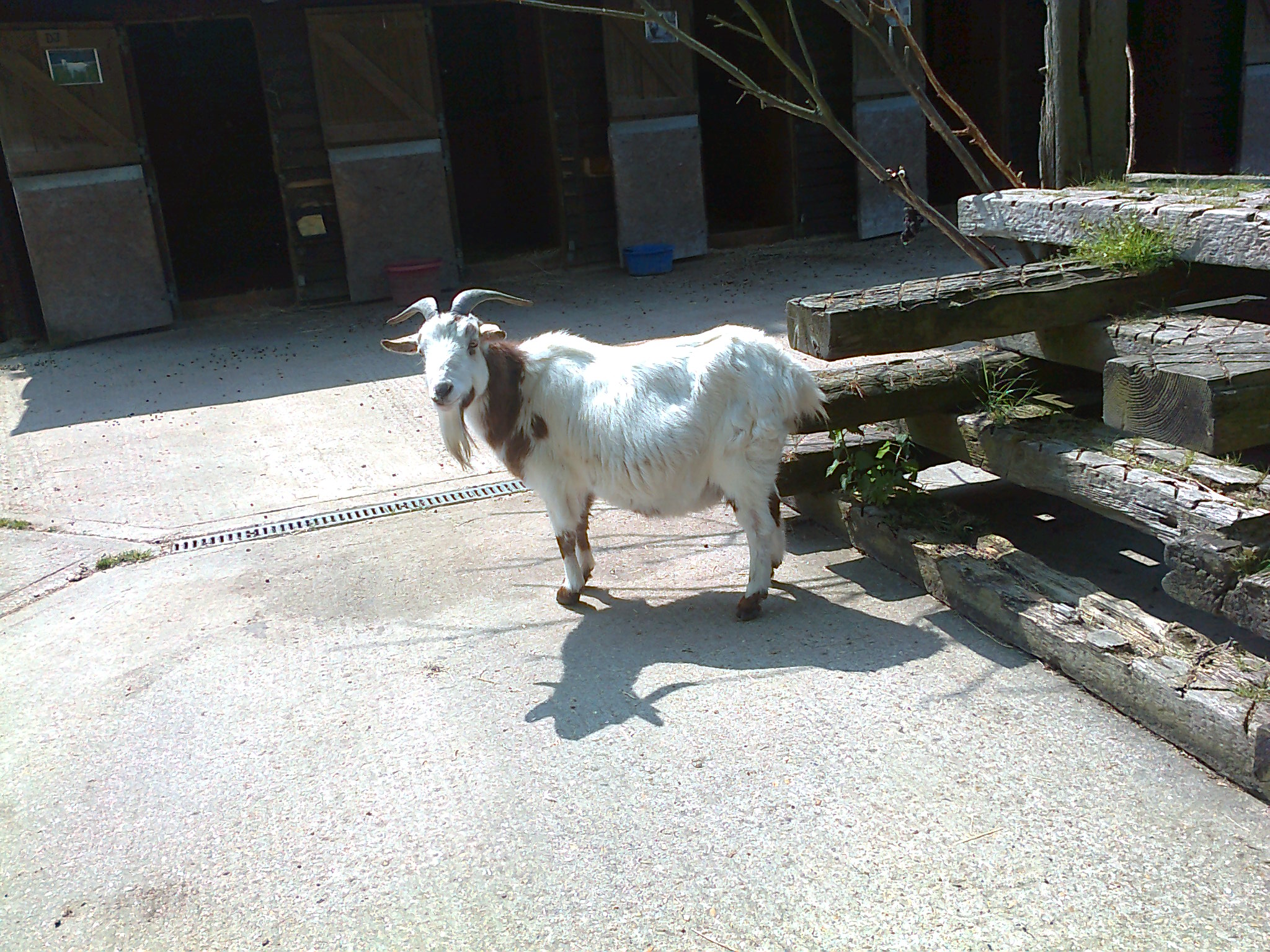
This is Toffee! Isn’t he a splendid gentleman? Here he is standing in front of the stables and next to the climbing frame.


Reeach

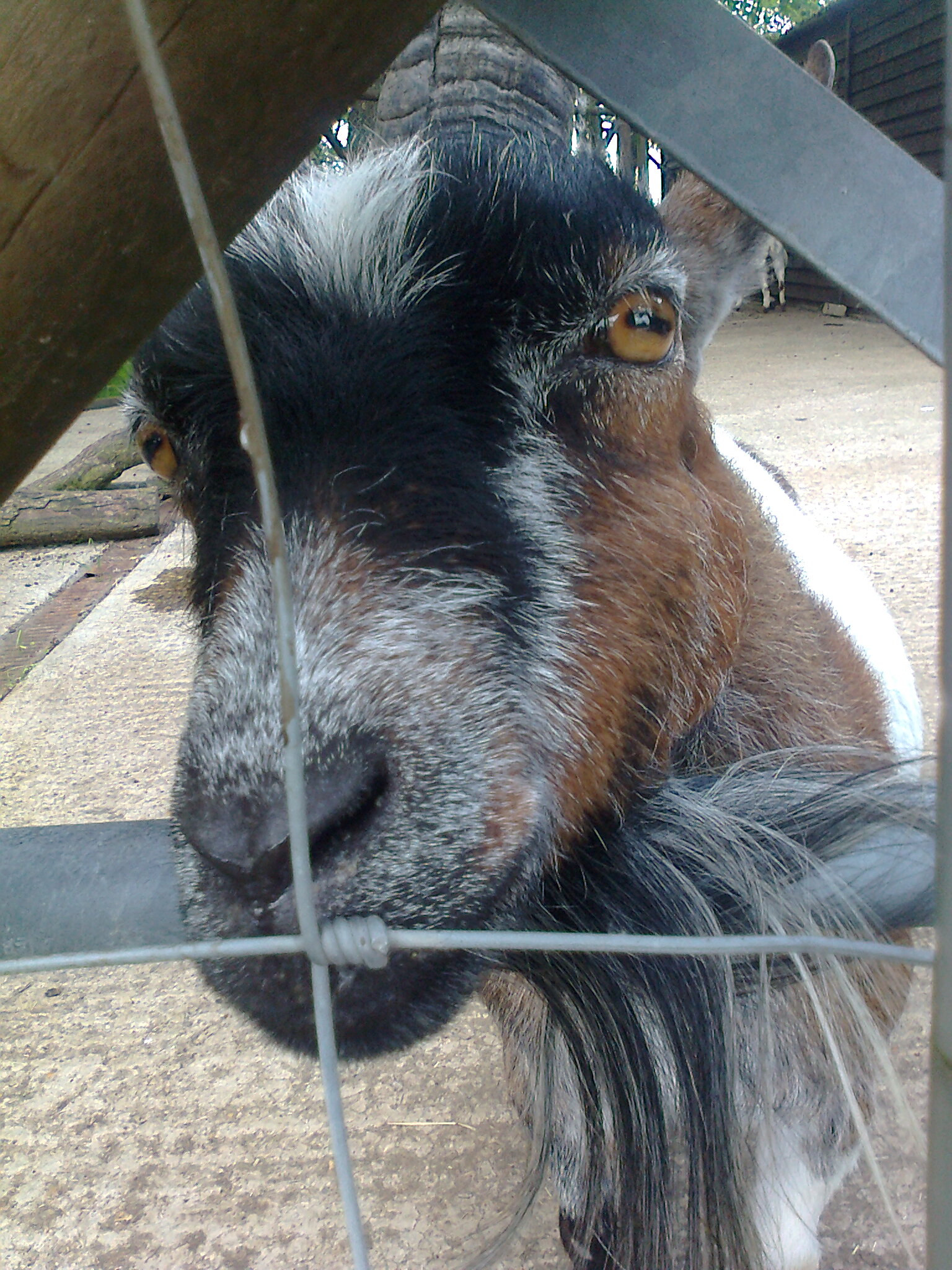
Toffee again – here he is trying to reach for a piece of paper I am holding. I love his beard!

Reeeach

Reach! Now he’s going for my camera.

Thats it

Mmm! Tasty. He has a lovely soft tongue, he licked my fingers.

Well hello there

Hello there! Rocky is 7 years old. He likes people and scratching.


This is Lettie - she is taller than the other goats, so she can stand on her hind legs and eat off of the trees.  Isn't she so delightfully pretty?

This is Lettie – she is taller than the other goats, so she can stand on her hind legs and eat off of the trees. Isn’t she so delightfully pretty?

Rrrub

Lettie again, having a good back-rub on the side of the stable

Itchy scratchy

Snowdrop having a good scratch

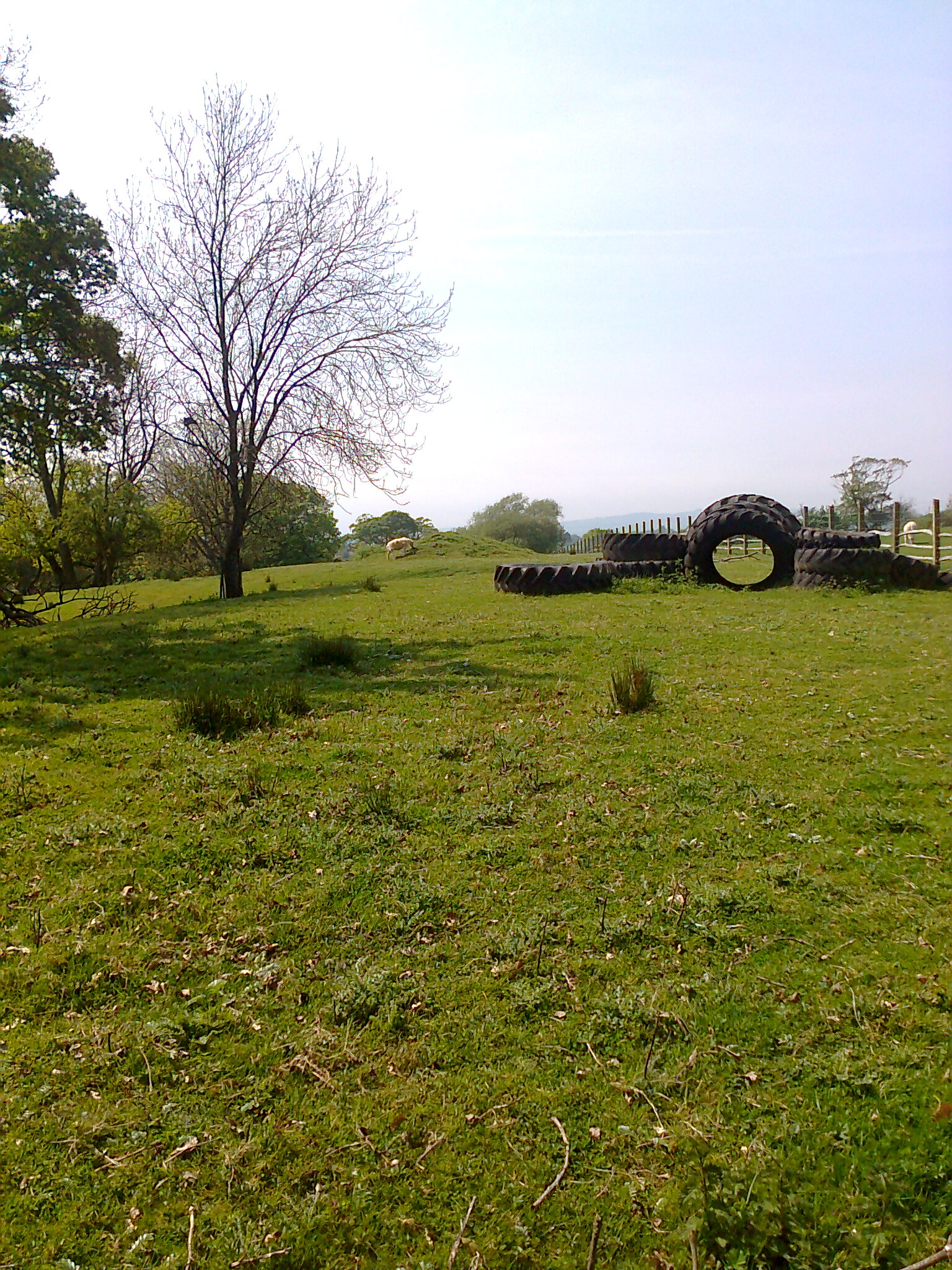
This is where the goats live and spend a lot of their time.

This is where the goats live and spend a lot of their time.

POSTSCRIPT:

Sadly, while they do a lot of good for some animals, Raystede sells meat, fish, eggs and dairy in their cafe, thus paying for a lot of animal suffering and encouraging their supporters to do the same.  A two year campaign of letter writing and a petition asking them to make their cafe vegan has received no response from those in charge who seem to think they are not answerable for the betrayal of their founder’s mission to make the world a better place for ALL animals.

“If music be the food of love, play on.”

By Barry Wax

Friday April 11th

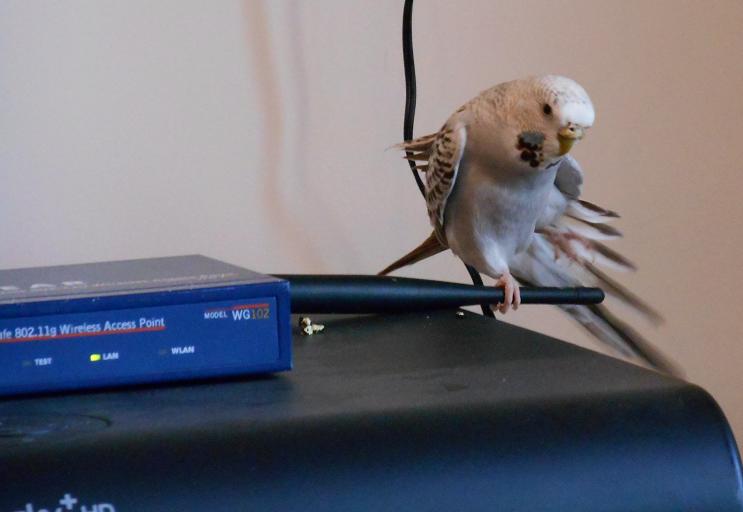
Today, on National Pet Day, I would like to introduce the newest member of our family:  Carly

Carly on the cold radiator

Carly used to live in a small cage by herself.  Her “owner” had had to go into a dementia care home and for Carly, who went with her, this meant being left alone in a small cage in a bedroom all day every day.  She was never allowed out of the cage and never had been.

Finally the lady was persuaded to allow Carly to find a new home, and Birdline of Parrot Rescue was called.  It was hoped that she would soon be in the company of other birds like her and would live a more meaningful, if still captive, life.

Sadly many more weeks past and Carly was still in her dull, solitary prison.  The bird rescue volunteers were so inundated with needy birds (100 a week coming into their care) that they had been unable to find room for Carly.

So she came to live with us.

When we opened the cage she remained inside it for two more days, nervously peeping through the open door occasionally.  But the next day she emerged.  She swooped and soared the length and breadth of the room.  A bit uncoordinated at first, well, she’d never done this before, but she was trying out her wings; finding out what she was capable of.  It was wonderful.  I assumed she would go back to her cage when she wanted something to eat or drink and intended to leave it permanently open so that she could come and go as she pleased.  But she has never been back in.  She went a whole day without eating and drinking rather than go back into that cage!  And who could blame her?

So I put food and drink on top of the bookcase for her.  When we put away the cage she relaxed, noticeably.  She sings along with music played for her, be it birdsong or classical music, TV theme music or sounds from nature.  She is still nervous of us but getting more comfortable I think, especially as she can perch so high out of everyone’s reach and keep an eye on us all 🙂

Usually, when we all go to bed at night, she has the living room to herself and flies around a little more before settling in a warm spot on the wireless router until morning.  But last night, 11 days after arriving here, she demonstrated how skilled she’s become at flying when she glided at an angle through the slightly open doorway of our bedroom and slept on a picture frame by our bed.  She clearly didn’t want to be left alone all night, and I guess she quite likes us 🙂

Carly in the bedroom

by the screen

art lover

perch by the window

stretch

Carly on the bookshelf

Carly in the kitchen

Birds don’t belong in cages.

Blackfish Review

orca

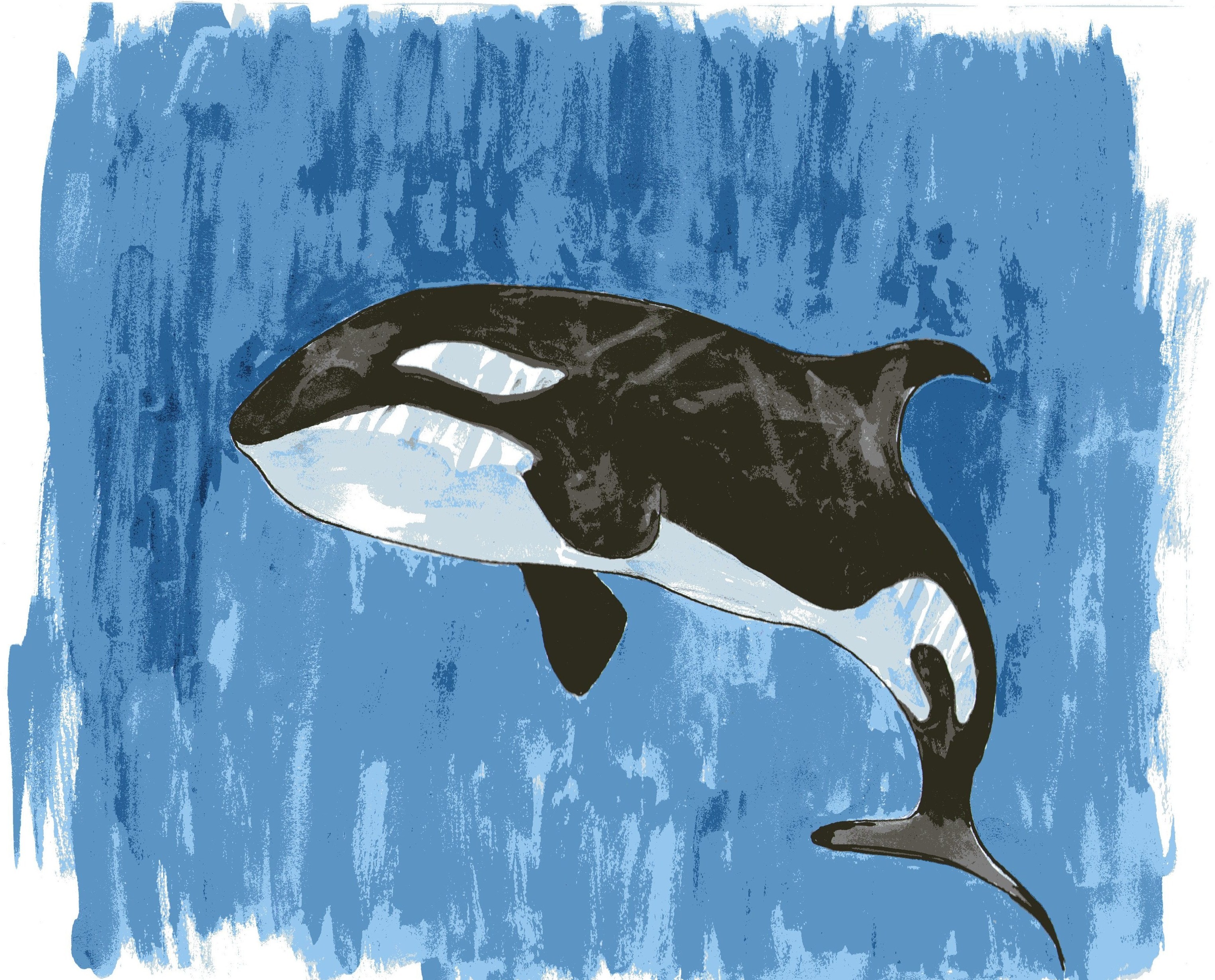
We’ve just watched the fantastic documentary Blackfish and had to recommend it to everyone!  The film is shocking, moving and heart-breaking but don’t be afraid to watch it because it leaves you with a positive feeling.  A feeling that things are changing. That people are waking up to the truth that keeping animals in captivity is simply wrong.  That the lies of big companies like SeaWorld are being seen through.  Since they are dependent on being able to dupe the public into believing that their performing animals are happy in order to sell tickets, that means time is running out for them.

We are full of admiration for the people who made this film and for the many former SeaWorld trainers who spoke frankly about their own experiences there and the dishonesty of the company they worked for which of course puts money ahead of the welfare of their whales and their trainers.

Please watch this film and share it far and wide.  Knowledge is power and the more people have this knowledge, the more power we’ll have collectively to close these types of places.  SeaWorld needs bums on seats.  Let’s persuade all bums to sit elsewhere!

FIVE STARS! *****

“a rather harsh way of dealing with senior citizens,” wrote Bob Barker, aged 90.

I have a dream …

Come on down

I can’t I can’t I can’t!

Let’s eat!