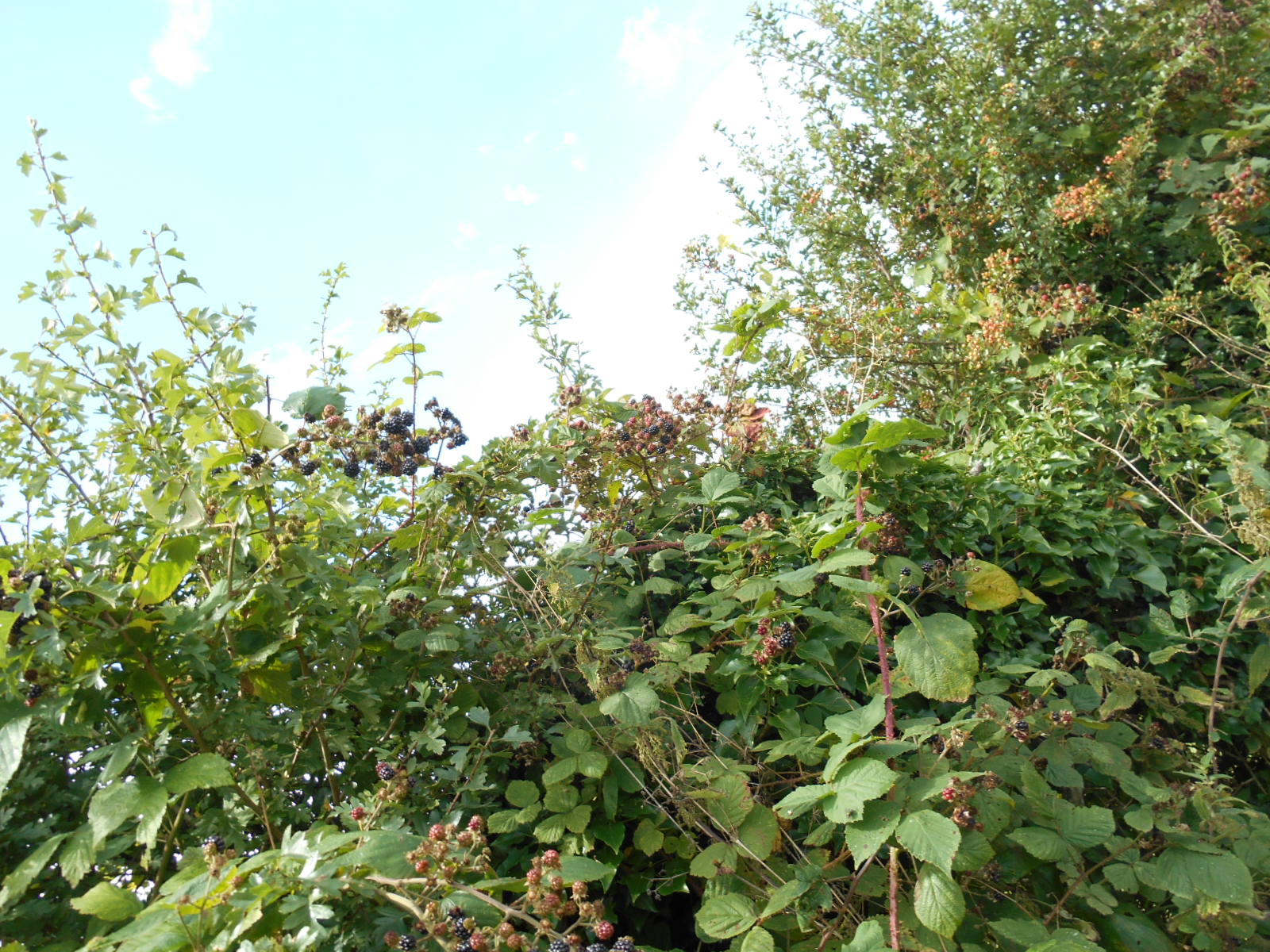
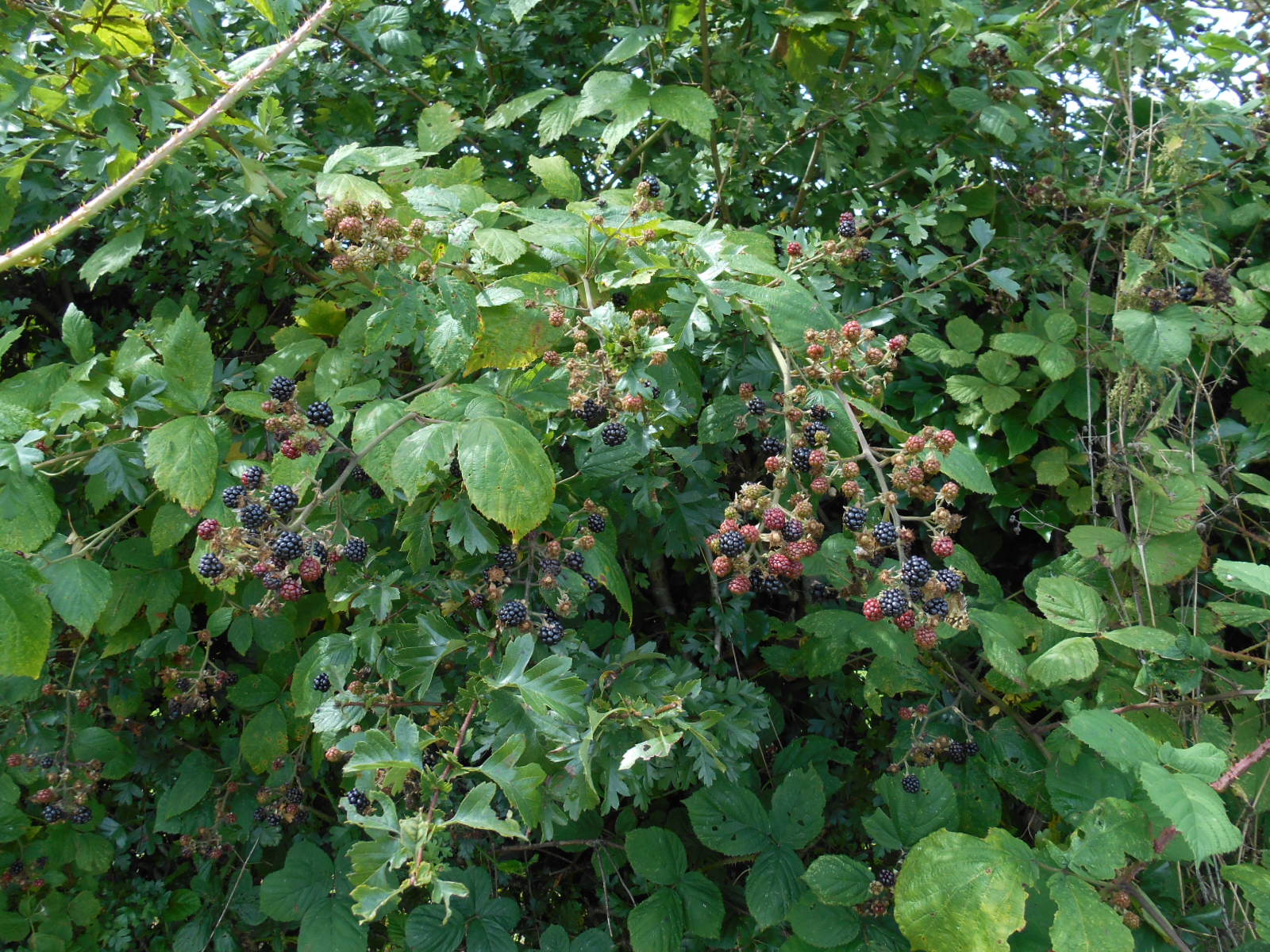
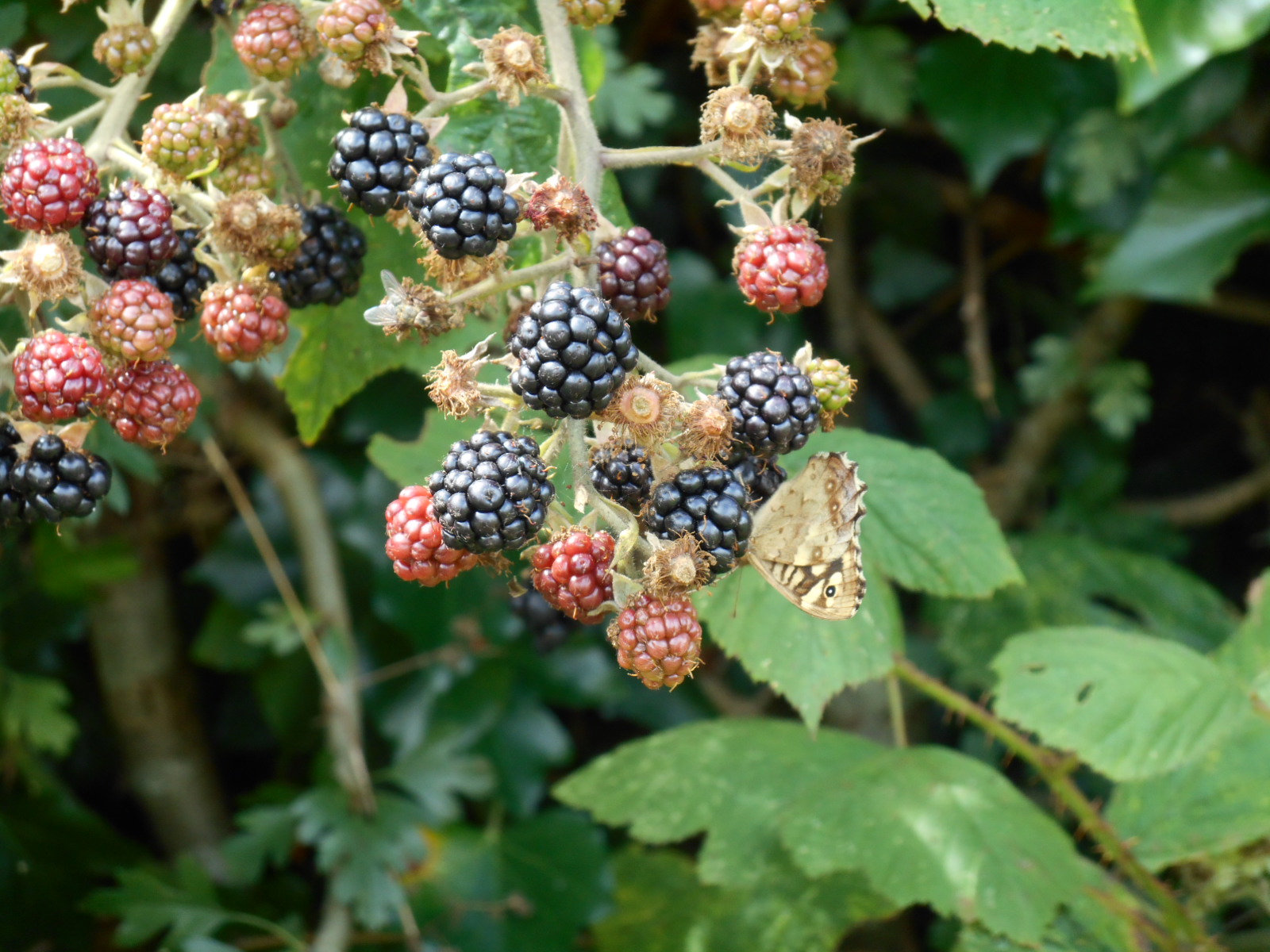
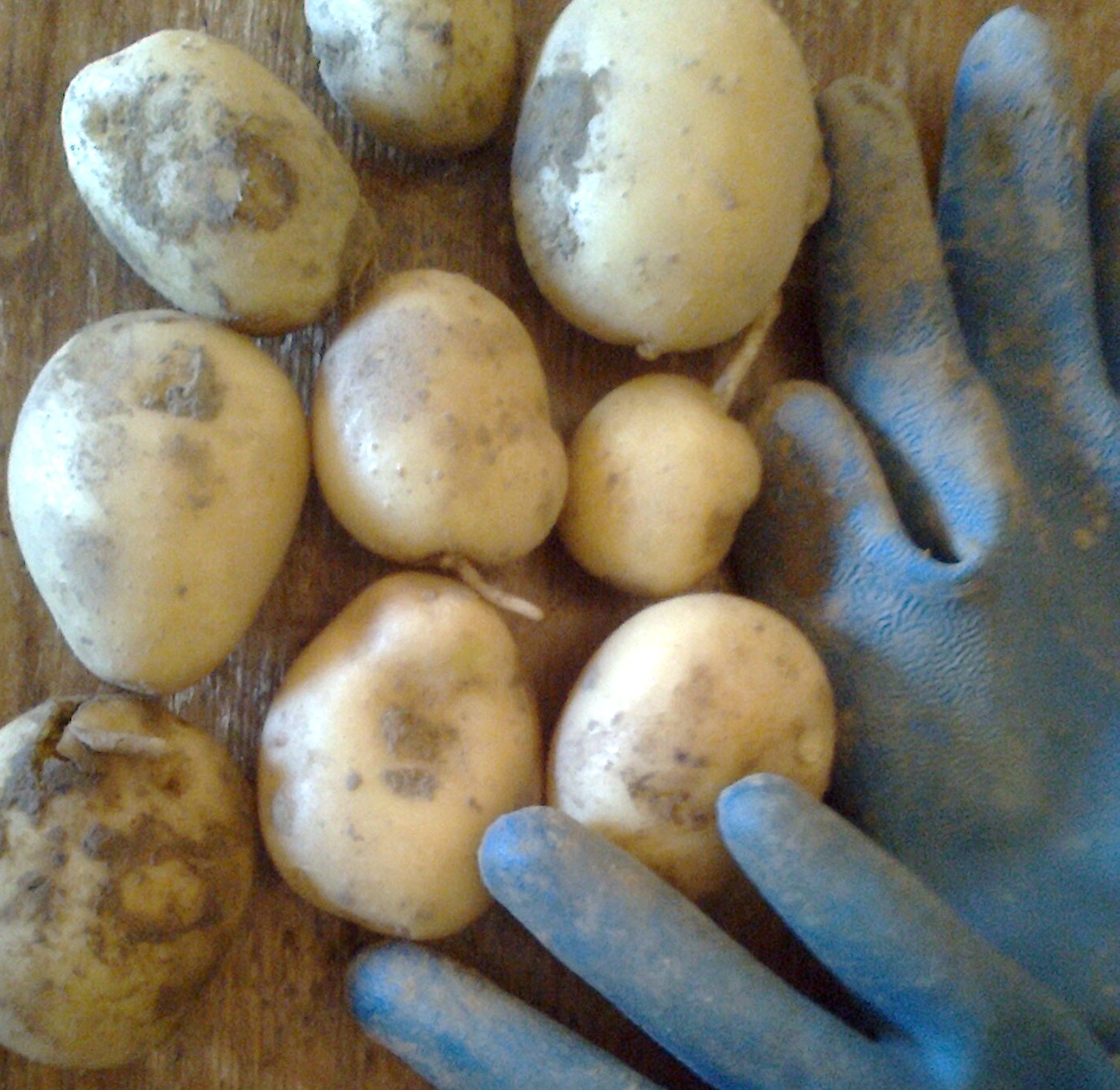
Remember the No Bake Blueberry Flapjacks? Well, I didn’t have any blueberries so I decided to improvise with something wild – the blackberries are ready!
So many blackberries and we only needed a few so we left plenty for others 🙂
And we saw plenty of others enjoying them.
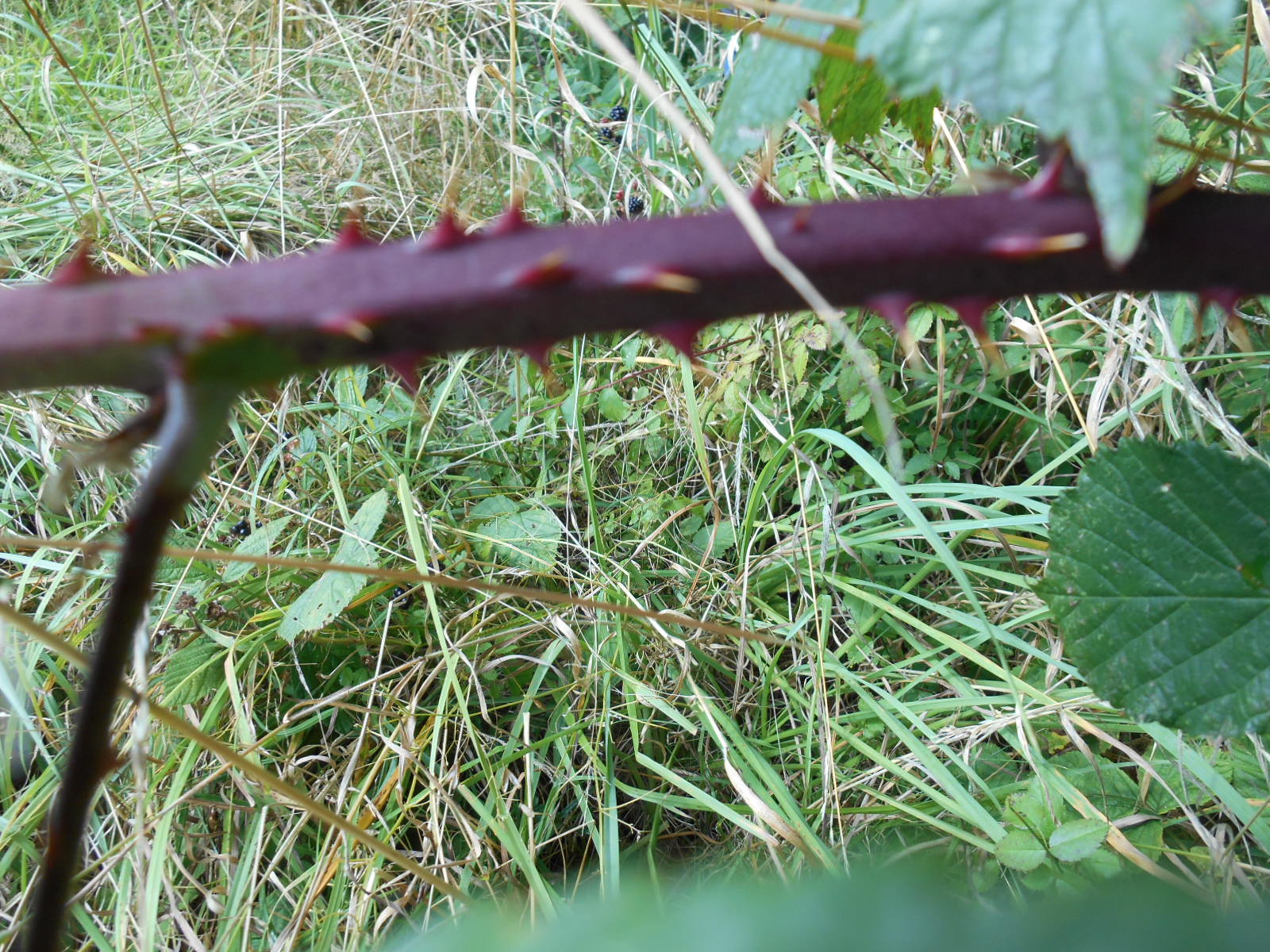
I did sustain a nasty bramble injury – ouch!
But we got what we needed 😉
*****
No-Bake Sugar-Free Apple and Blackberry Flapjacks
You’ll need:
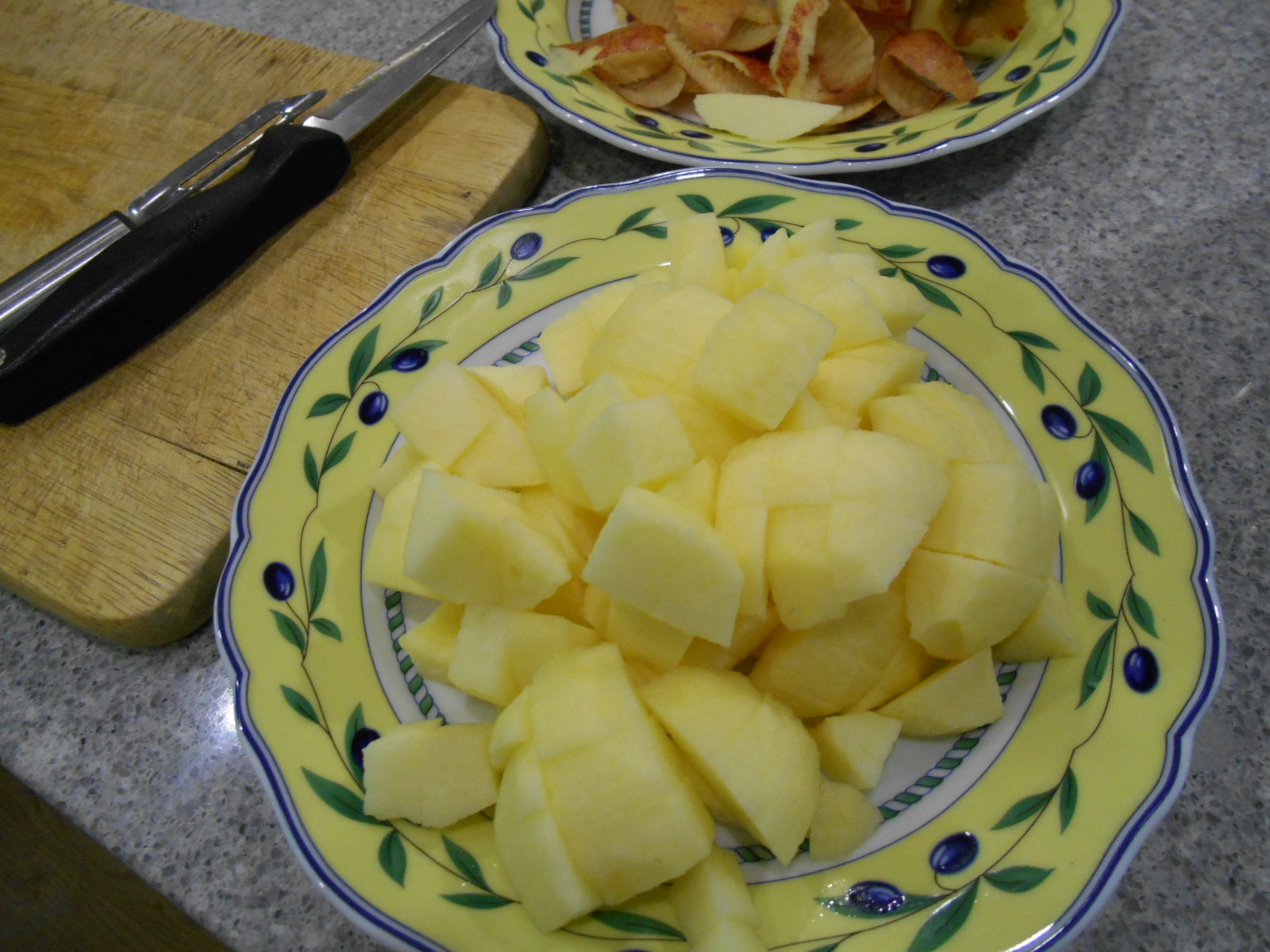
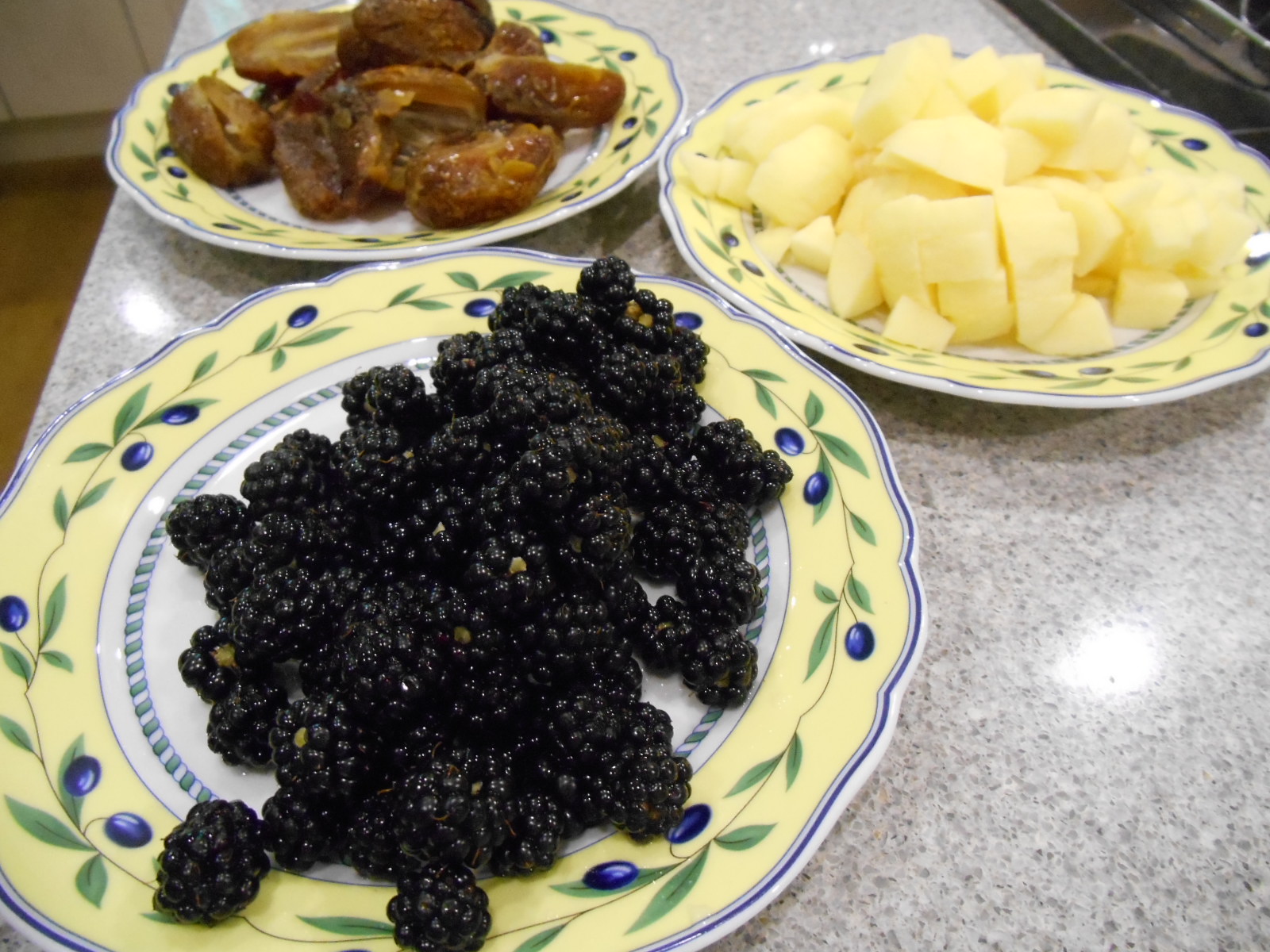
4 small apples, peeled and chopped.
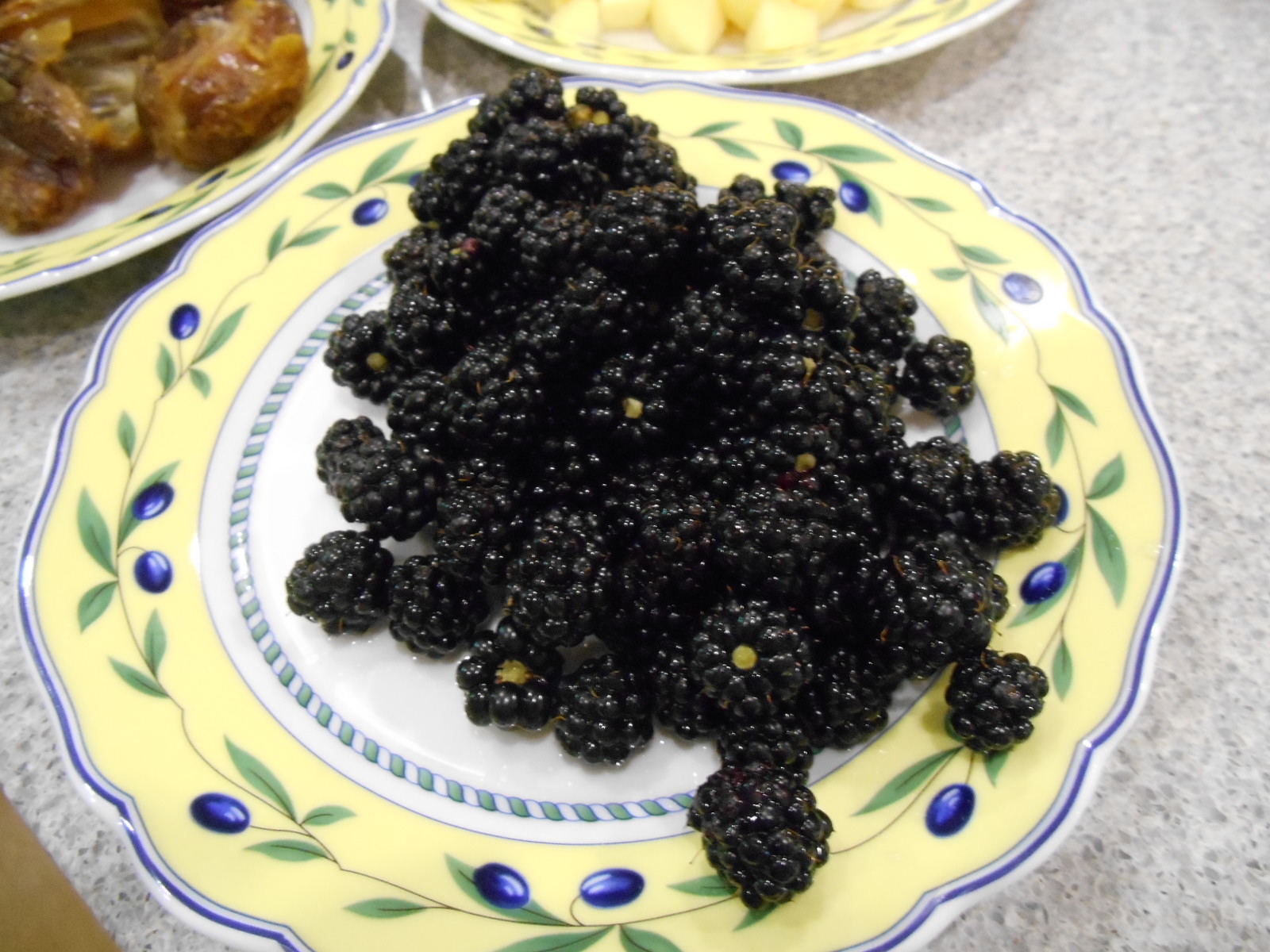
Washed, freshly-picked blackberries
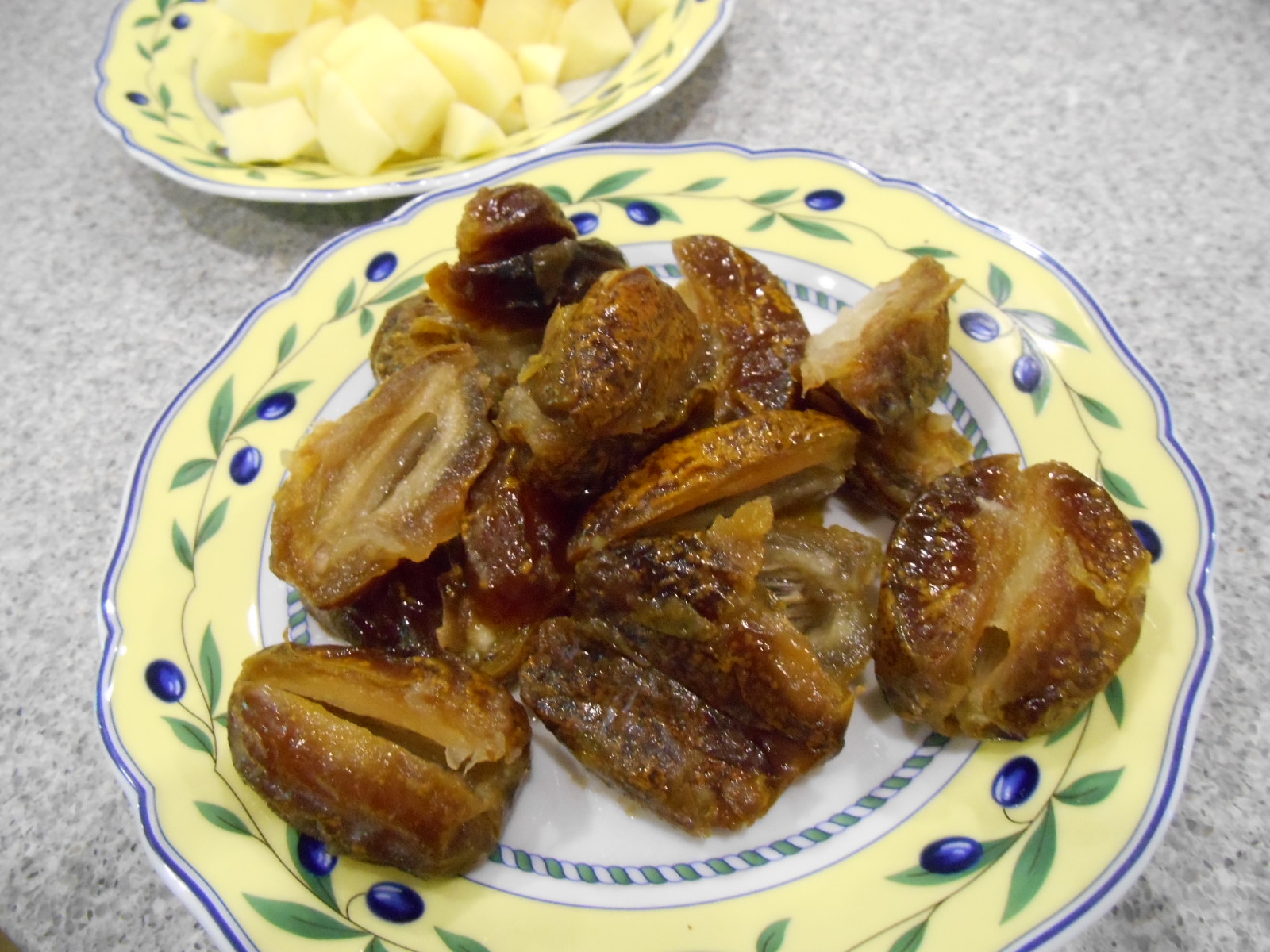
Fresh dates, pitted and soaked for 1 hour.
I didn’t measure how many blackberries I had but you can tell from how they look on the plate (it’s a small sandwich plate). The dates weighed 200g before they were pitted and soaked.
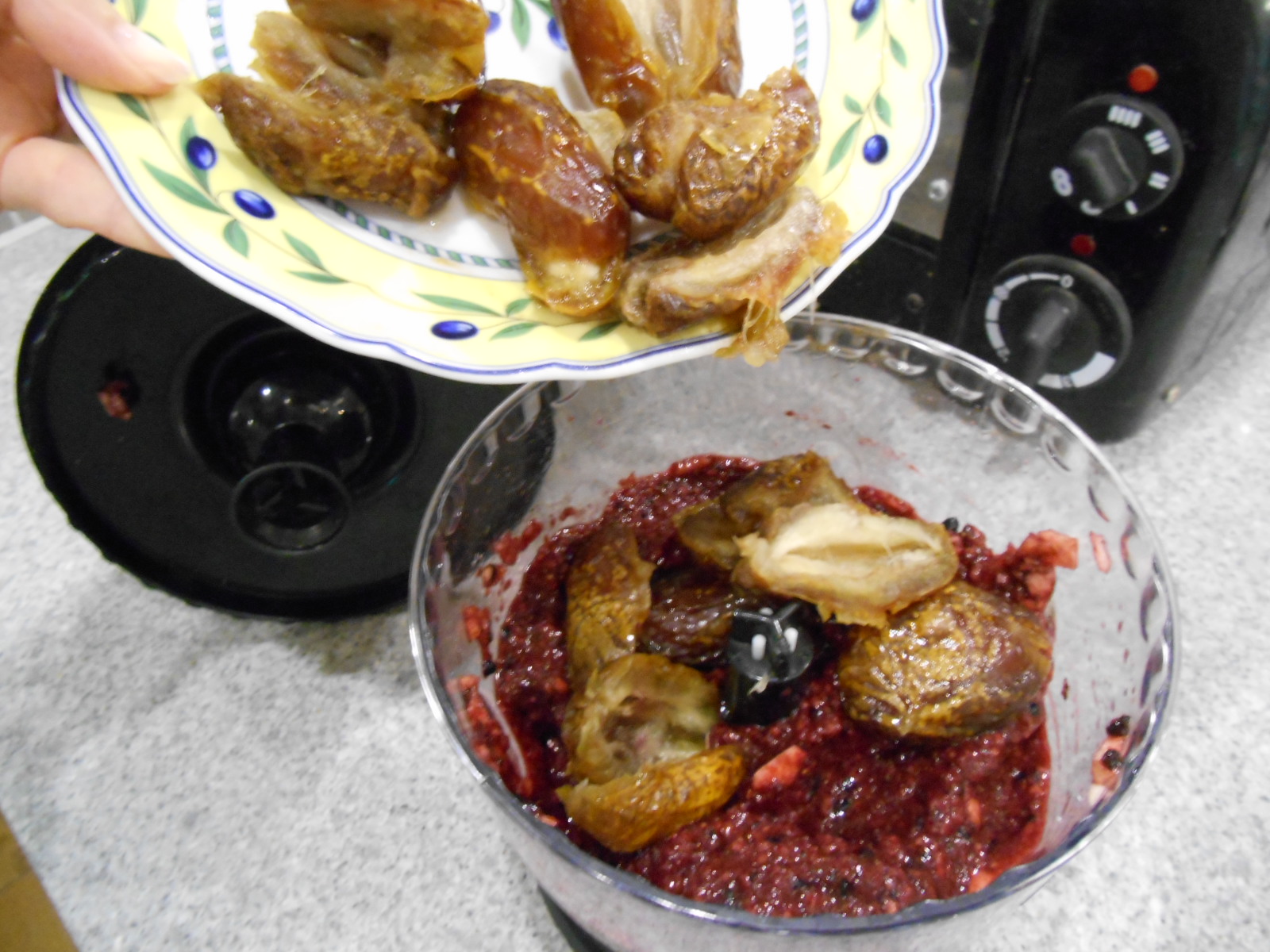
Put the apples and blackberries into your food processor together and whiz for a few seconds until well blended.
Oxford Dictionary definition: large edible fish yielding caviar.
Our definition: Sturgeons are native to subtropical, temperate and sub-Arctic rivers, lakes and coastlines of Eurasia and North America. They are distinctive for their elongated bodies, lack of scales, and occasional great size: sturgeons ranging from 7–12 feet (2-3½ m) in length are common, and some species grow up to 18 feet (5.5 m). Most sturgeons are anadromous (migrating up rivers to spawn) bottom-feeders, spawning upstream and feeding in river deltas and estuaries. While some are entirely freshwater, a very few venture into the open ocean beyond near coastal areas.
Sturgeon are primarily benthic feeders (feeding on the river bed or ocean floor), with a diet of shells, crustaceans and small fish. They feed by extending their syphon-like mouths to suck food from the benthos. Having no teeth, they are unable to seize prey, though larger individuals can swallow very large prey items, including whole salmon. Sturgeons feed non-visually. They are believed to use a combination of sensors, including olfactory sensors, tactile chemosensory cues on the 4 barbules, and passive electroreceptors (ampullae of Lorenzini).
Many sturgeon leap completely out the water, usually making a loud splash which can be heard half a mile away on the surface and probably further under water. It is not known why they do this, but suggested functions include group communication to maintain group cohesion, catching airborne prey, nuptial behaviour, or to help shed eggs during spawning. Other plausible explanations include escape from predators, shedding parasites, or to gulp or expel air. Another explanation is that it “simply feels good”.
Sturgeon can live 100 years and have been around since the dinosaurs. Because of their long reproductive cycles, long migrations, and sensitivity to environmental conditions, many species are under severe threat from overfishing, poaching, water pollution, and damming of rivers. There is also a noticeable decline in sturgeon populations as the demand for caviar increases (see Roe on the R page). According to the IUCN, over 85% of sturgeon species are classified as at risk of extinction, making them more critically endangered than any other group of species.
Oxford Dictionary definition: 1. large mouselike rodent. 2. colloquial unpleasant or treacherous person. verb 1. hunt or kill rats. 2. colloquial inform on.
Our definition:
Rats take care of injured and sick rats in their group.
Without companionship rats tend to become lonely and depressed.
Rats have excellent memories. Once they learn a navigation route, they won’t forget it.
When happy, rats have been observed to chatter or grind their teeth. This is often accompanied by vibrating eyes.
Rats make happy “laughter” sounds when they play.
Rats succumb to peer-pressure, just like humans. Brown rats are prone to disregard personal experiences in order to copy the behaviour of their peers. The urge to conform is so strong that they will even choose to eat unpalatable food if they are in the company of other rats who are eating it.
Although very curious animals, rats are also shy, and prefer to run away than confront a potential threat.
Rats are extremely clean animals, spending several hours every day grooming themselves and their group members. They are less likely than cats or dogs to catch and transmit parasites and viruses.
A rat can go longer than a camel without having a drink of water.
Rats’ tails help them to balance, communicate and regulate their body temperature.
Click here for the rest of the Rr page, click here, or go to the sidebar on the right, for the whole dictionary 😀
Oxford Dictionary definition: beaten eggs fried and often folded over filling.
Our definition: Omelettes are made from eggs laid by birds (usually chickens) kept in unnatural, confined conditions, more often than not in over-crowded barns with no access to the outside and no natural light or fresh air. Their miserable lives are short, ending when they begin to lay less eggs at about 12 to 18 months of age (naturally, healthy chickens could live into their teens if not taken by a predator, though those rescued from chicken farms don’t usually live longer than 4 years due to their harrowing start in life). Contrary to popular opinion, buying free range is not the cruelty free option since these birds’ lives will also end in brutal slaughter by the tender age of 18 months. NB farms can label their eggs free range if there is access to an outdoor area from the chickens’ barn even though most of the birds in the overcrowded barn are never able to reach the door. Male chicks are horribly killed en masse shortly after hatching.
Buying tofu, on the other hand, is the cruelty free option and if you love eggs, you’ll really love tofu 😀
Our definition: Nutria (also called coypu) are large, rodents who are more agile in the water than on land. They live in burrows, or nests, never far from the water. Nutria may inhabit a riverbank or lakeshore, or dwell in the midst of wetlands. They are strong swimmers and can remain submerged for as long as five minutes. Their average lifespan in the wild is eight to ten years. They are varied eaters, most fond of aquatic plants and roots, and are very very cute. Quite beaver-like 😀
Nutria can be rather social animals and sometimes live in large colonies, reproducing prolifically. Females have two or three litters every year, each consisting of five to seven young. These animals mature quickly and remain with their mothers for only a month or two.
Tragically, many misguided humans have cruelly exploited nutria on fur farms (“Originally native to subtropical and temperate South America, it has since been introduced to North America, Europe, Asia, and Africa, primarily by fur ranchers“) and, when these ventures failed and the captive animals escaped or were released into parts of the world where they didn’t belong, they bred fast and caused a lot of damage to wetlands. This has resulted in many attempts to cull them worldwide including, in the US, incentives being paid to people to hunt and trap them. They get $5 per nutria tail handed in to a Coastal Environments Inc. official.
Click here for the N page and here for the rest of the vegan dictionary
Babs wanted you to know that we’ve got some postcards up for grabs, although they’re disappearing fast!
If you like sending postcards through the mail, or if you like this website and would like to share it with others by leaving them in library books or some such, then drop us a line using the contact form below and tell us your name, address (anywhere in the world) and how many you’d like – up to 24, that’s as many as will fit in the envelope 😉
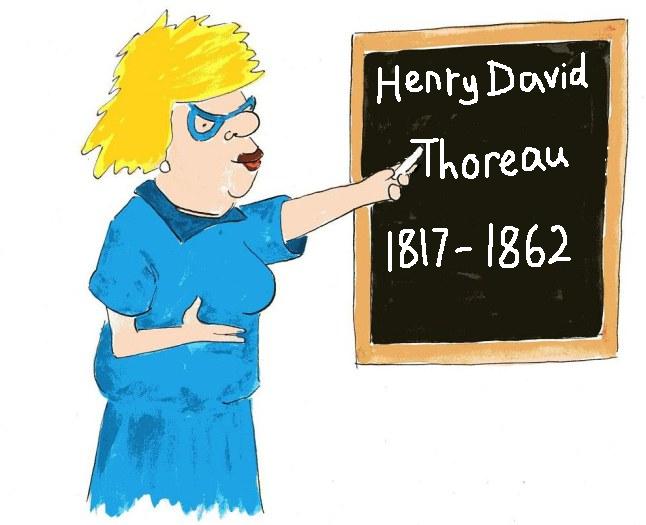
‘One farmer says to me, “You cannot live on vegetable food solely, for it furnishes nothing to make bones with;” and so he religiously devotes a part of his day to supplying his system with the raw materials of bones; walking all the while he talks behind his oxen, which, with vegetable-made bones, jerk him and his lumbering plough along in spite of every obstacle.’
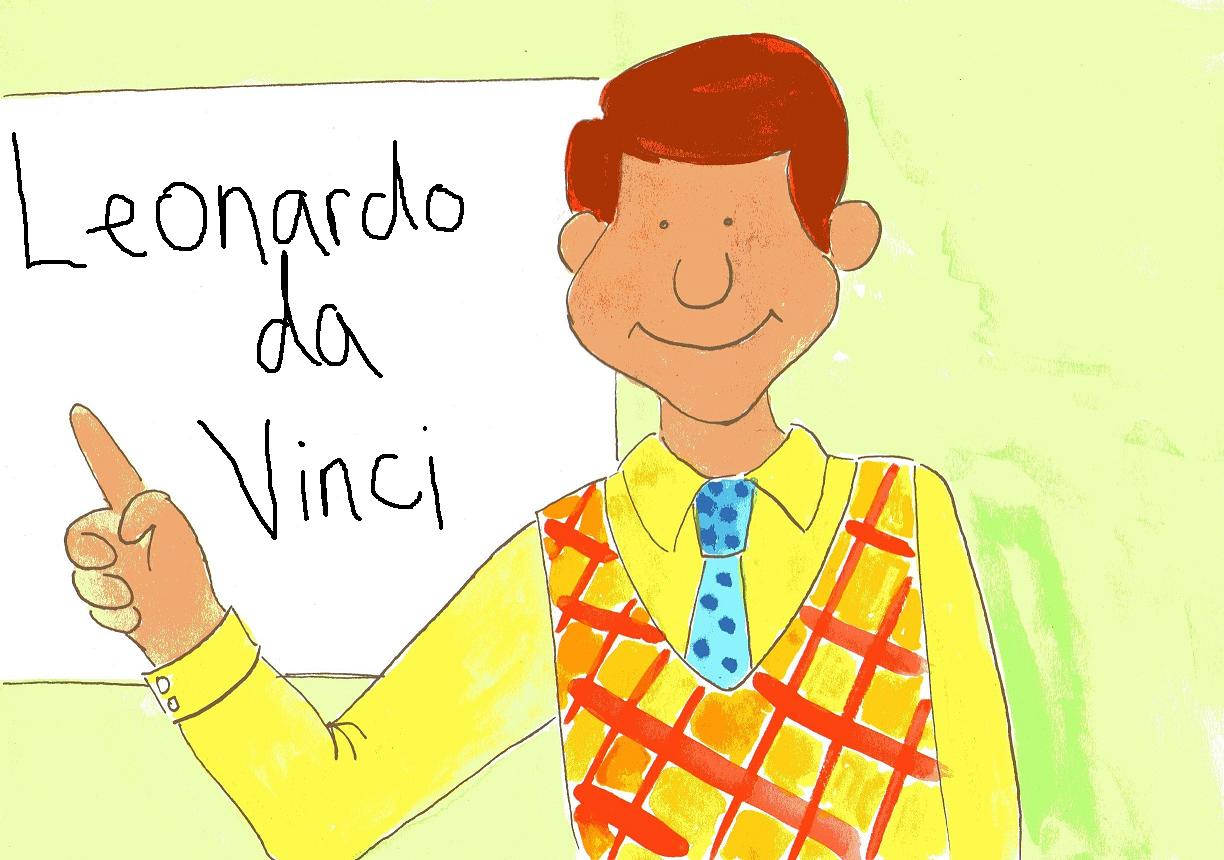
Leonardo da Vinci is perhaps best known as a painter, with his legendary works including the Mona Lisa, the Vitruvian Man and the Last Supper, among others.
Leonardo da Vinci wasn’t just an incredible artist, he was an inventor, scientist, mathematician, engineer, writer, musician and much more.
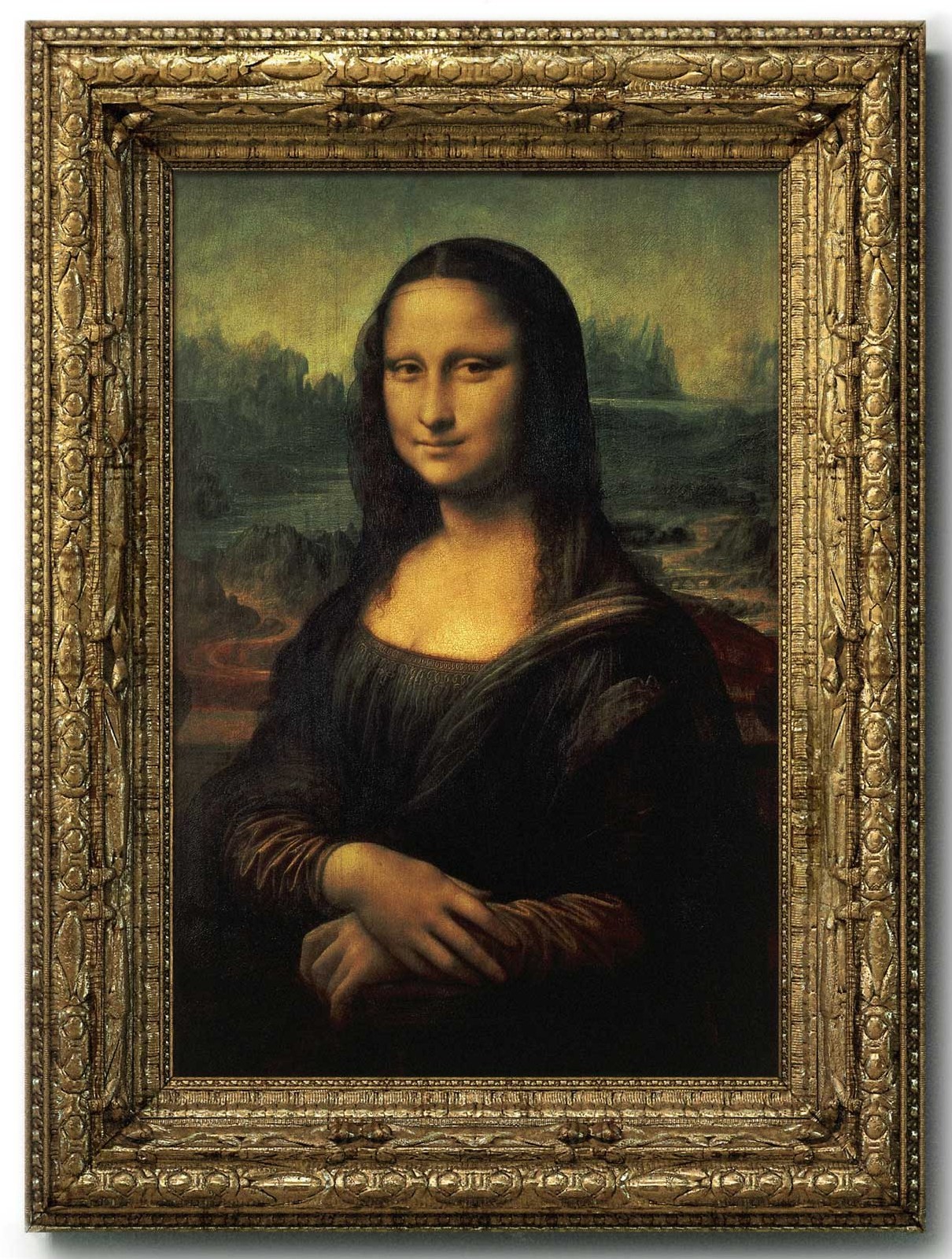
The Mona Lisa is perhaps the most well known painting in the world. It is a half-length portrait of a woman who, along with the composition, background and other details, has been the subject of much speculation and discussion. It is believed that Leonardo da Vinci began painting the Mona Lisa around 1503. It has been on permanent display at the Louvre Museum in Paris for over 200 years.
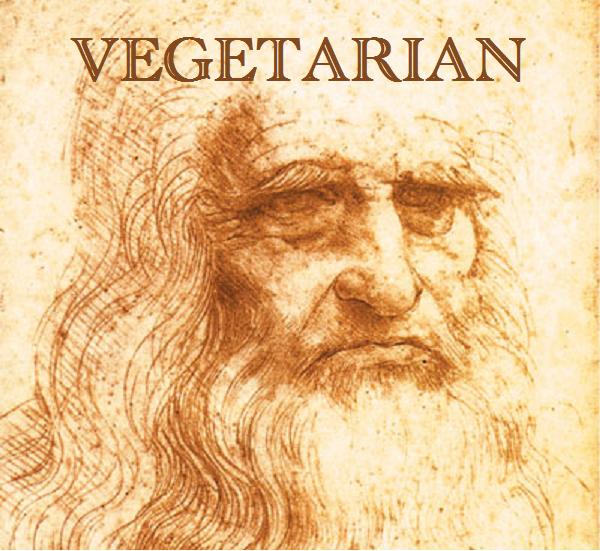
WHAT THEY PROBABLY WON’T TELL YOU IS THAT HE WAS WIDELY REPUTED TO BE:
We know this because Giuliano di Lorenzo de’ Medici (Leonardo’s patron for three years, from 1513…
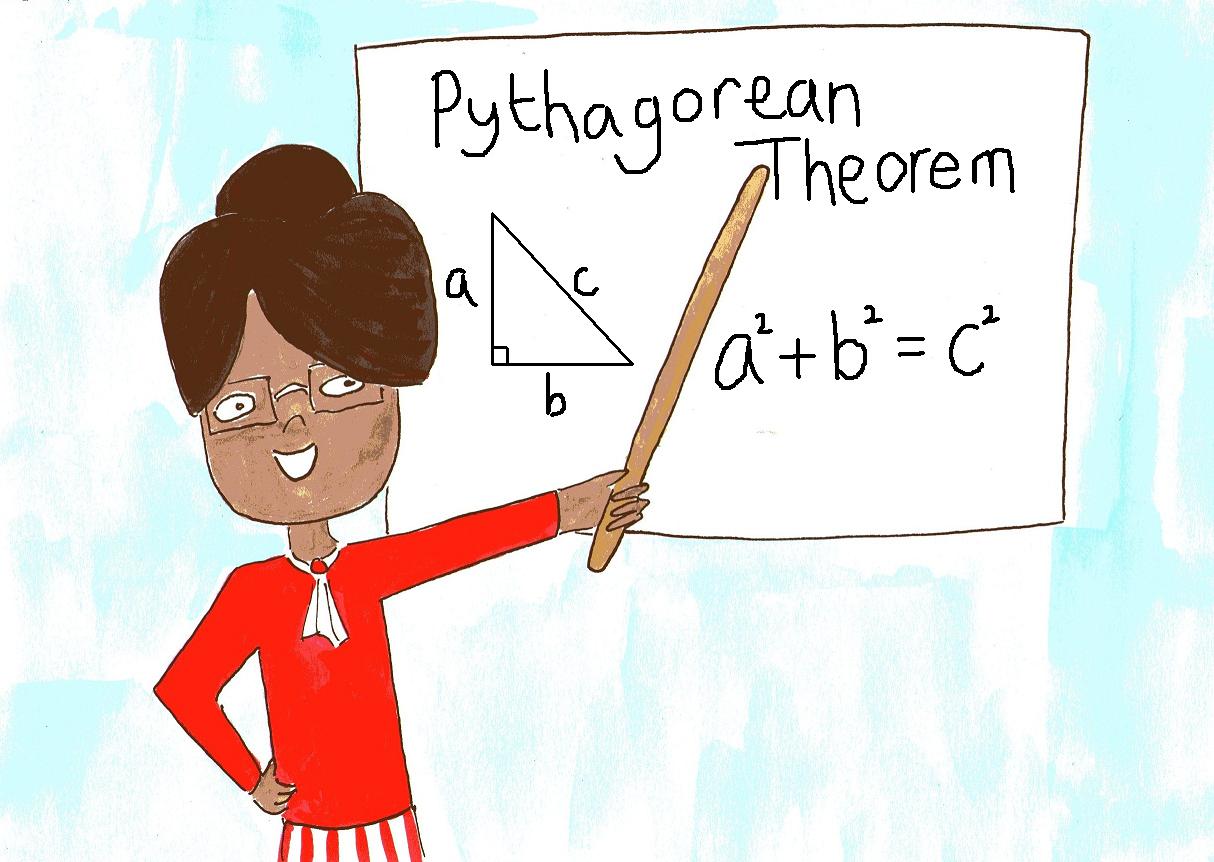
They’ll tell you a lot of stuff about Pythagoras at school, like:
He worked out that in a right angled triangle, the square of the hypotenuse is equal to the sum of the squares of the other two sides: that’s Pythagorean Theorem
Pythagoras is often referred to as the first pure mathematician.
He was born on the island of Samos, Greece in 569 BC.
Pythagoras was well educated, and he played the lyre throughout his lifetime, knew poetry and recited Homer. He was interested in mathematics, philosophy, astronomy and music, and was greatly influenced by Pherekydes (philosophy), Thales (mathematics and astronomy) and Anaximander (philosophy, geometry).
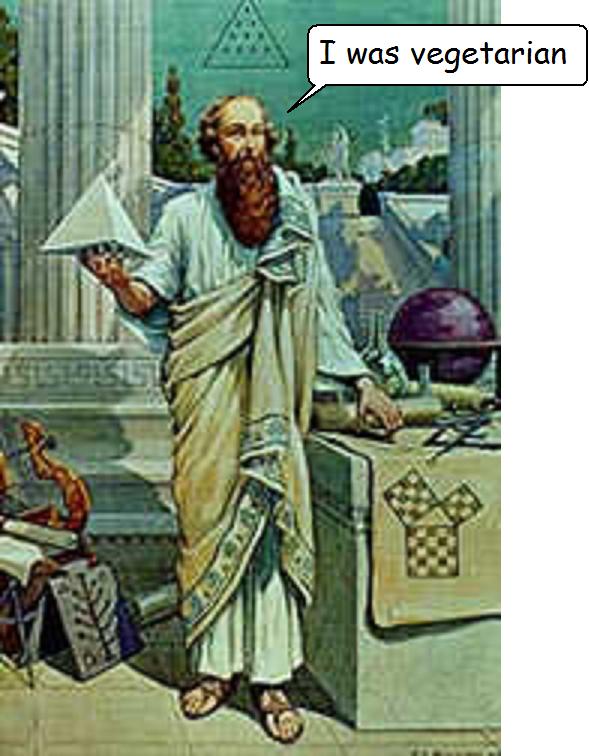
But they probably won’t tell you that:
And “Pythagorean diet” was a common name for the abstention from eating meat and fish, until the coining of “vegetarian” in the 19th century.
Most enlightened people have become that way only after working hard to un-learn “facts” that they were taught as children, such as ‘humans are omnivores’. That’s why it is so wonderful to find an early learning book which tells the truth.
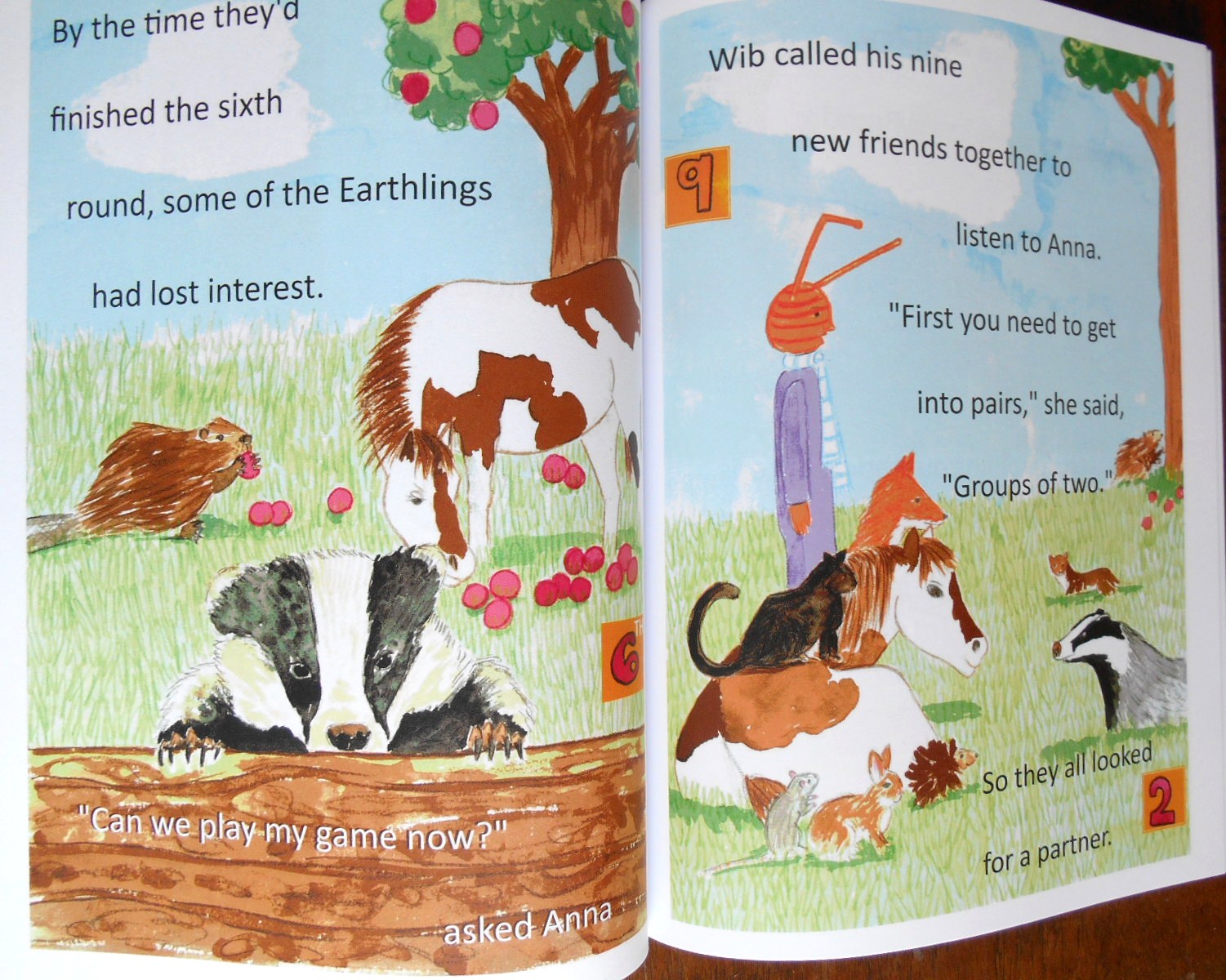
How many friends could a Bibbolybob make if a Bibbolybob came to Earth? (aka Wibbolywub and the Earthlings ) is one such book by Edward Benn, illustrated by Juliet Mahoney.
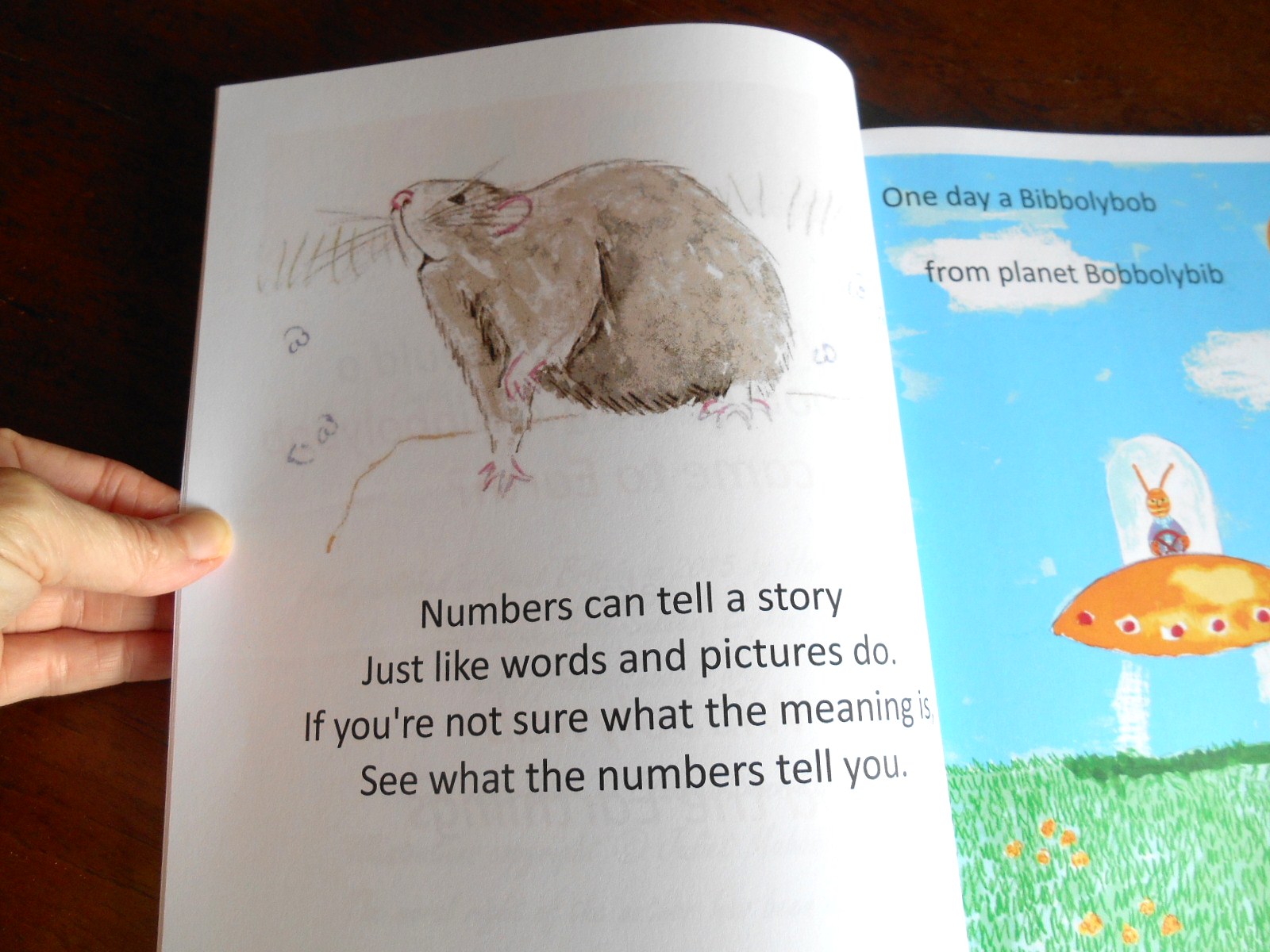
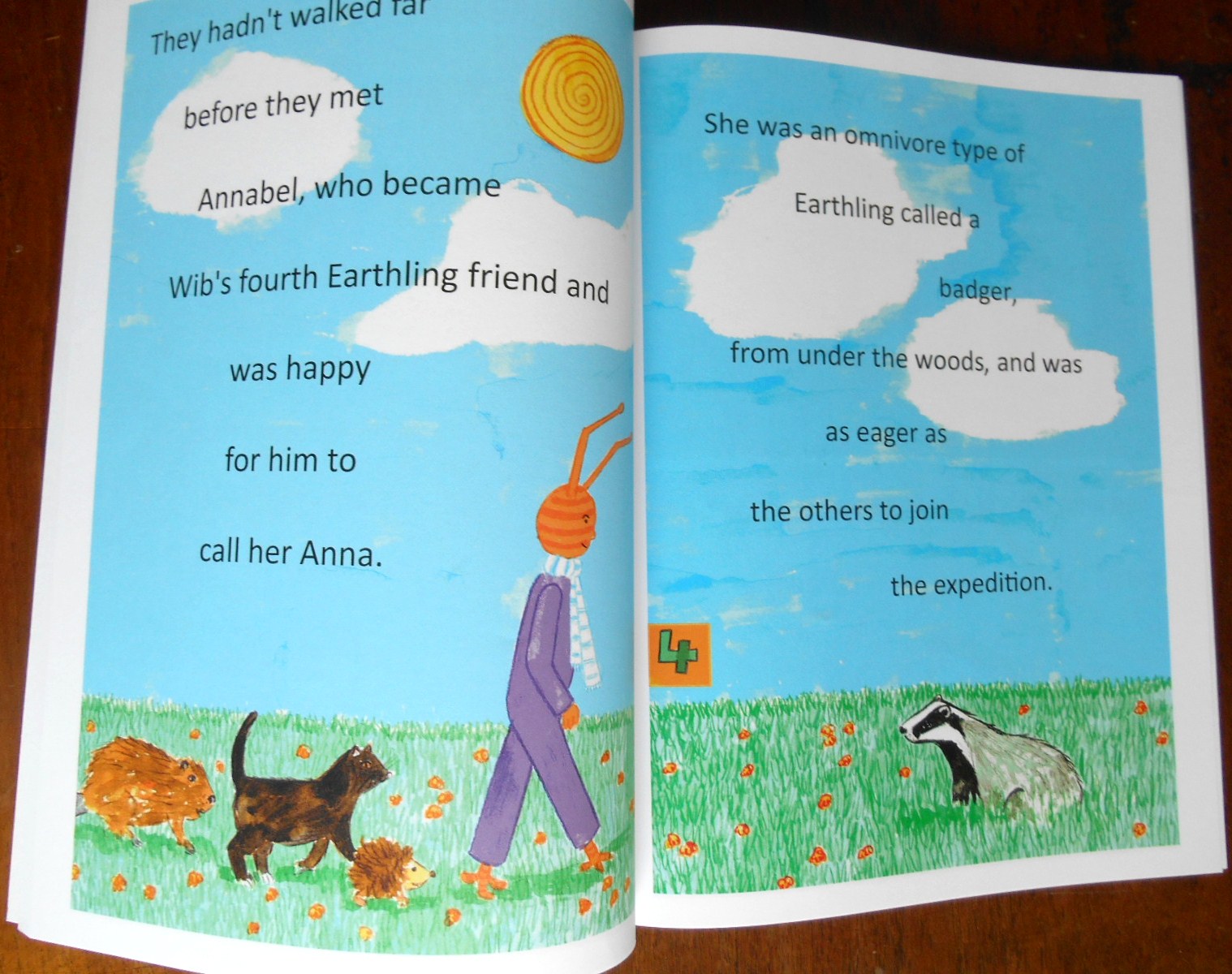
This book is first and foremost an engaging story, full of bright, colourful illustrations, about an alien visitor to Earth who is eager to make friends. It is secondly a lovely, friendly way to introduce the numbers 1 to 10 to young children. Numbers (digits) appear throughout the illustrations as Wibbolywub counts his friends and the readers can count with him. Once he has made ten friends, they play a few counting and measuring games which show how much fun numbers can be.
And thirdly it is an honest and straight-forward illustration of the simple truth that omnivores, carnivores and herbivores have recognisable anatomical attributes appropriate for their particular diet and, as an alien with no previous knowledge of Earthlings would clearly deduce, humans are herbivores.
There is even a fun post script at the end, in the form of a peak inside Wibbolywub’s notebook, which contains three of the charts (those with numbers in) from Dr Milton Mills’ The Comparative Anatomy of Eating – the work which inspired the story.
A lovely big book with a lovely big story that would delight any child and sit proudly on any bookshelf.
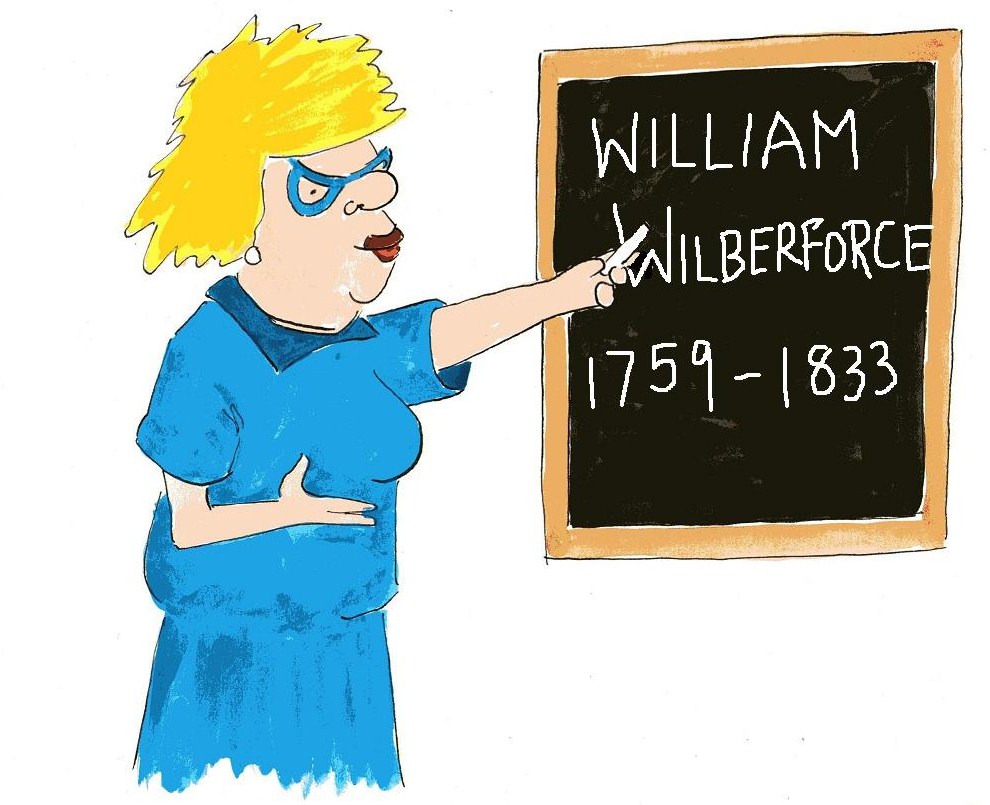
William Wilberforce (1759-1833) is one of the best known British abolitionists. He was a Parliamentarian, writer and social reformer.
He was a close friend of William Pitt, the youngest Prime Minister in British history.
Wilberforce campaigned for health care, educational and prison reform and legislation to prohibit the worst forms of child labour. However, his greatest political efforts concerned the abolition of the slave trade and slavery.
In 1788-1789 he presented his Abolitionist Bill before the House of Commons for the first time. In a moving speech, he recited the horrific facts of slavery for three hours and ended with the words: “having heard all of this you may choose to look the other way but you can never again say that you did not know”.
Despite Wilberforce’s efforts the bill did not pass. Year after year, he re-introduced anti-slavery motions but to no avail…
Steven the Vegan – a picture book by Dan Bodenstein and Ron Robrahn about Steven’s school trip to a farm sanctuary and the questions it naturally inspires from his classmates 😀
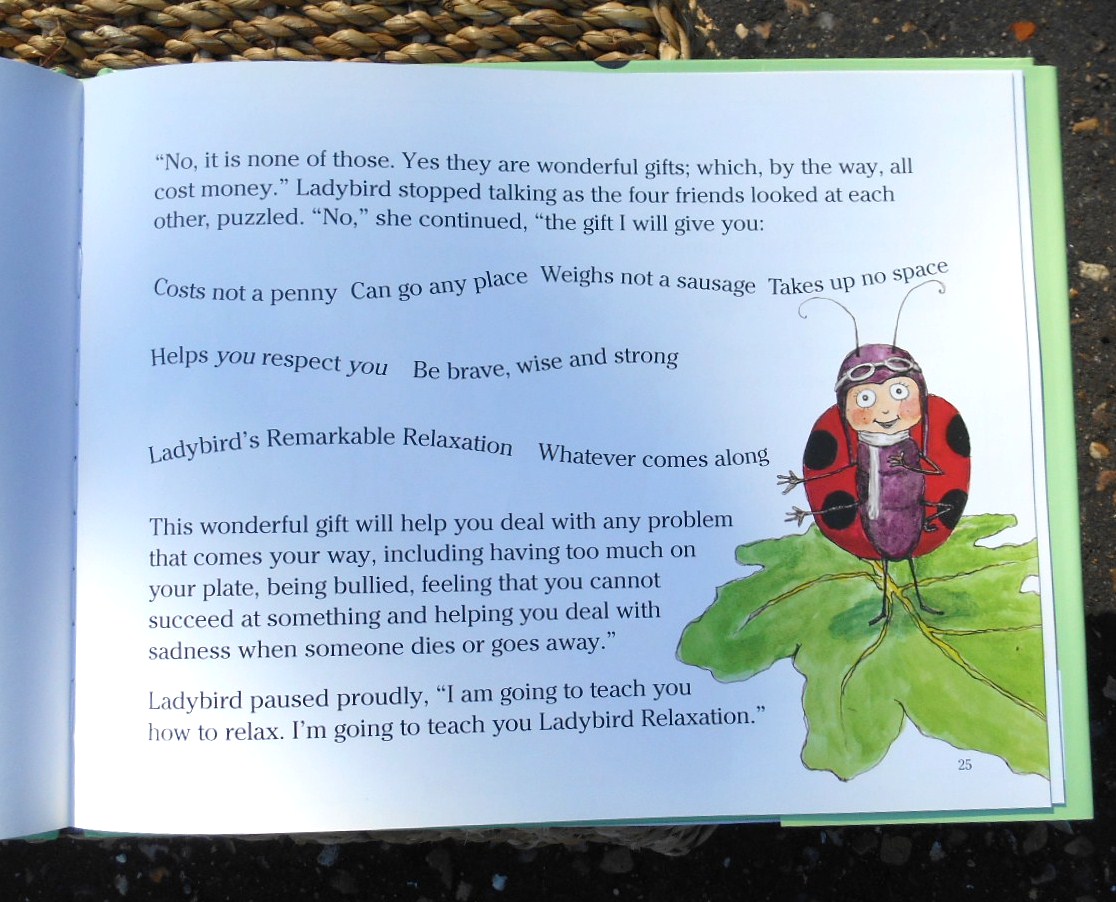
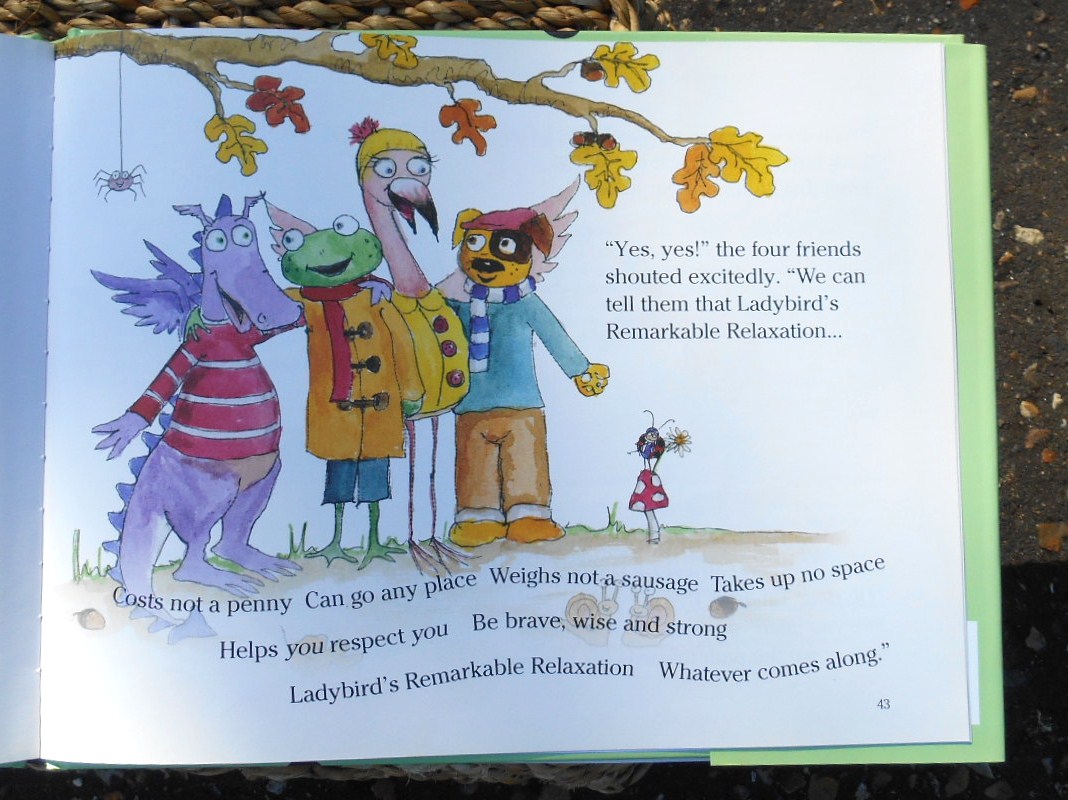
Here is another lovely yoga book for children from Michael Chissick and Sarah Peacock. This one is designed to be used by teachers and parents to help children use yoga relaxation to cope with stress, grief, bullying and lack of confidence.
The book begins with guidance for teachers and parents, explaining the aims of the book, how children can benefit from and enjoy Ladybird Relaxation and giving advice on how to teach it to children. Then the story begins.
Ladybird’s friends are all stressed or unhappy about different things – stress from a heavy workload, bereavement, bullying and feeling they’re rubbish at something. Ladybird sympathises and tells them she is going to give them a special gift that will help them all.
Beautifully illustrated, it is a joy to read and makes you feel more relaxed as you turn the pages 🙂
The final part of the book explains how to teach Ladybird Relaxation including a script to read while using a ladybird puppet or little bell (outlined in the guidance at the beginning) to symbolise the ladybird landing on different children as they relax on their mats with eyes closed.
It sounds really therapeutic and I can’t wait to try it myself.
Arktel: The planet only children could save is a beautifully illustrated book by Menkit Prince.
It’s about three planets: Tarjez, Arktel and Earth. On planet Tarjez, we fast forward to what could happen if we keep going the way we are on Earth i.e. total destruction.
Children from Arktel witnessed the destruction of Tarjez and decided to take action because they saw similar trends happening in their world that could lead to Arktel’s destruction.
The Arktel website is not only about the book but also about how children here can save our planet. It’s honest and straight-forward as well as being a brilliant educational resource for children, their carers and their teachers. It’s a heavy subject but unless we look it straight in the eye and acknowledge the crisis we are facing, we will never overcome it. This book and its associated website challenges us not to get…
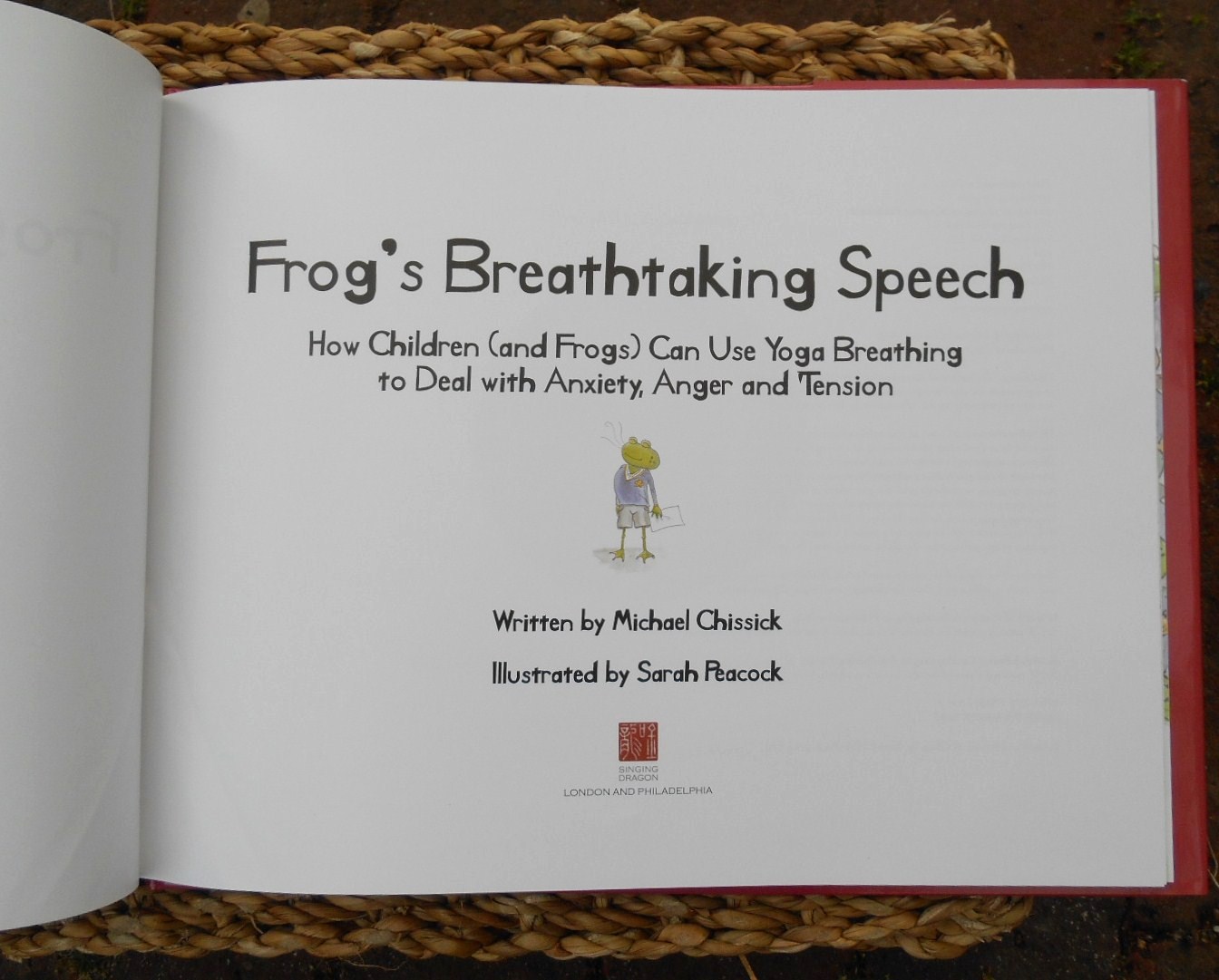
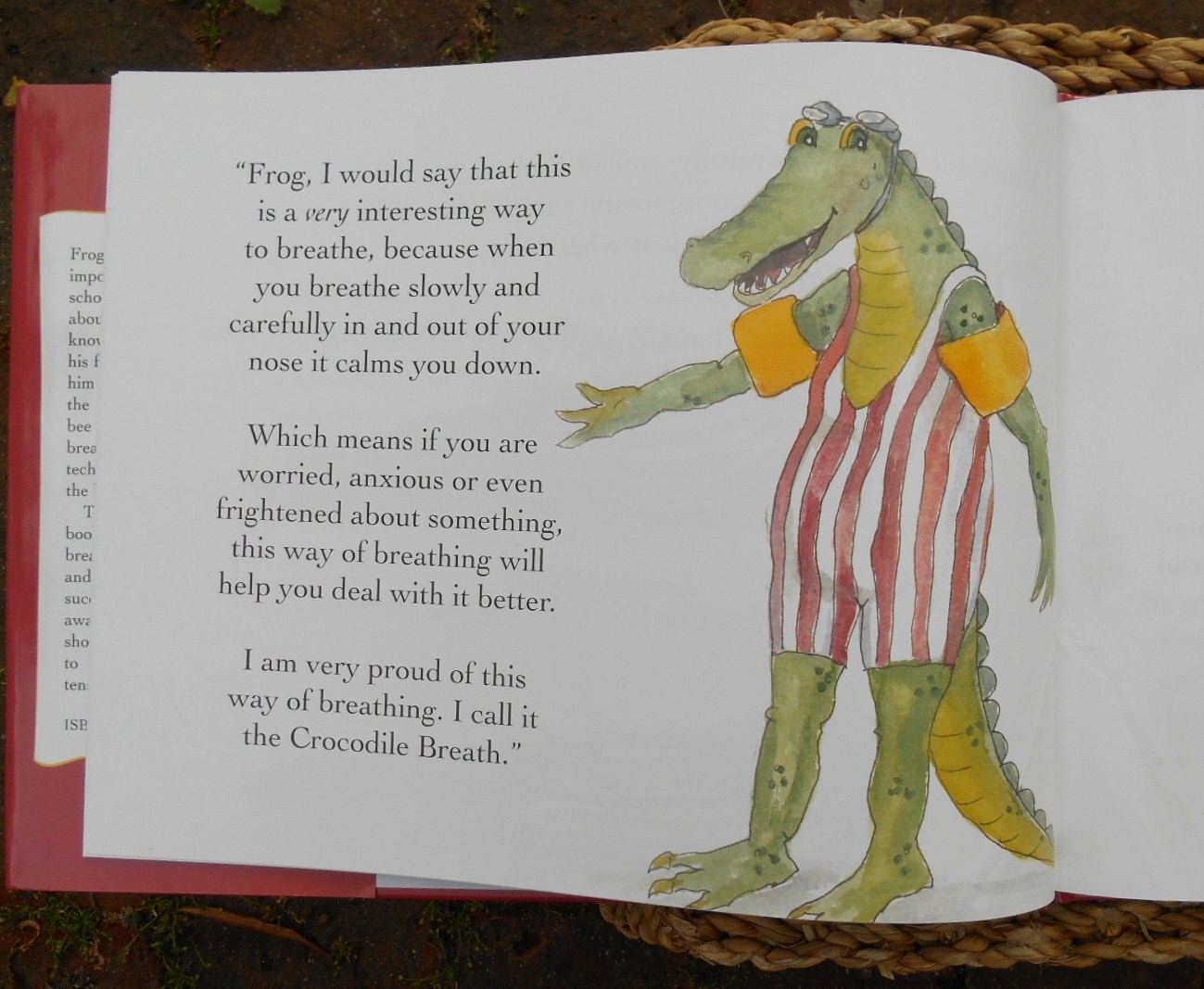
Frog’s Breathtaking Speech is a gorgeous book for children – and teachers, and parents – to help them cope with tension and stress.
Michael Chissick is a children’s yoga teacher and Sarah Peacock is a primary school teacher and they have both found the frog’s story very useful when helping children to relax.
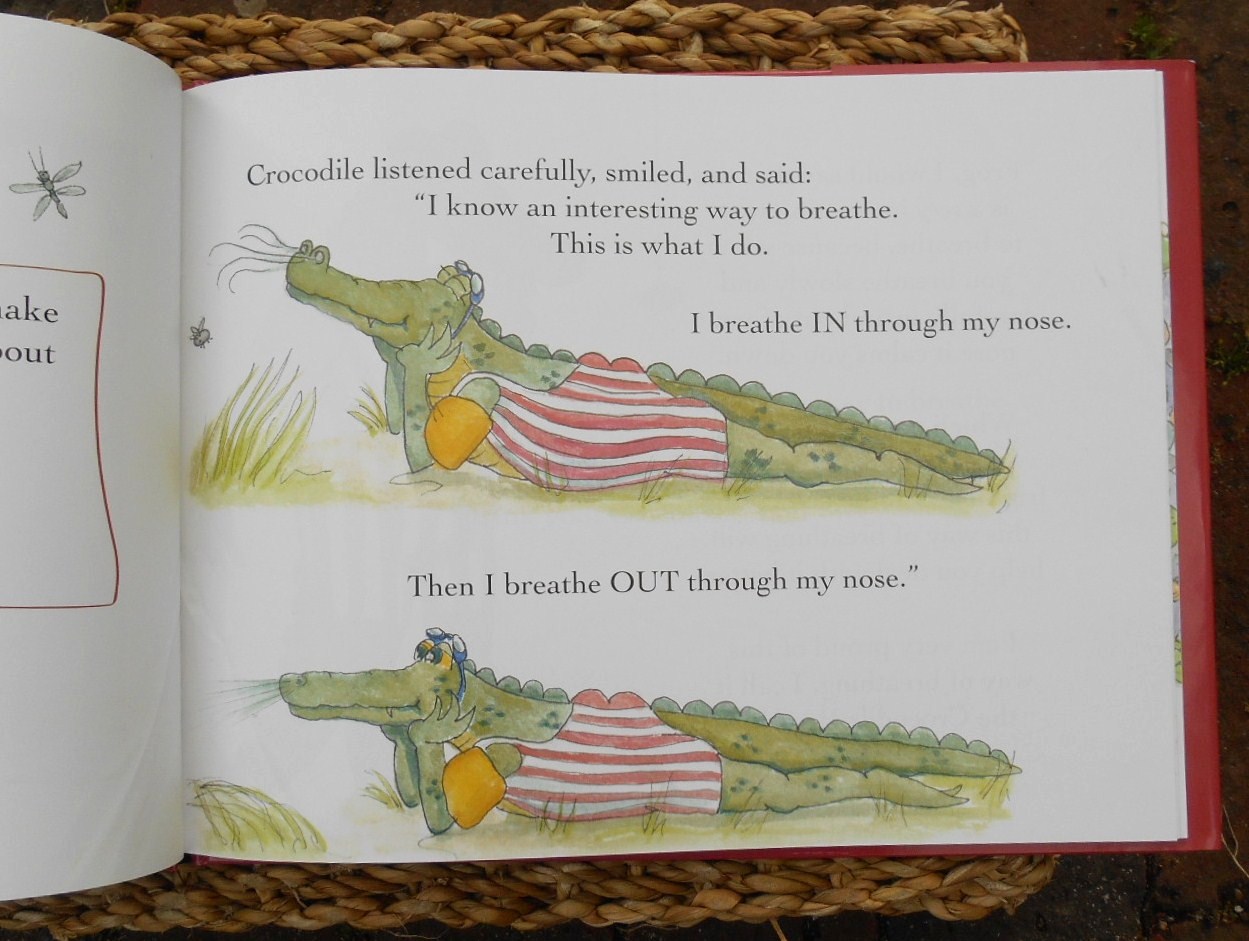
This beautifully illustrated story is about a frog who is very sad because he is worried about a speech he has to give at school the next day. When he explains this to his friends, they all tell him about their own special ways of breathing which release tension and anger and enable them to feel happy and relaxed.
At the beginning of the book there is guidance for teachers on how best to use these techniques to help children and at the end there are simple instructions, accompanied by lovely illustrations, about the yoga postures which accompany each type of breathing.
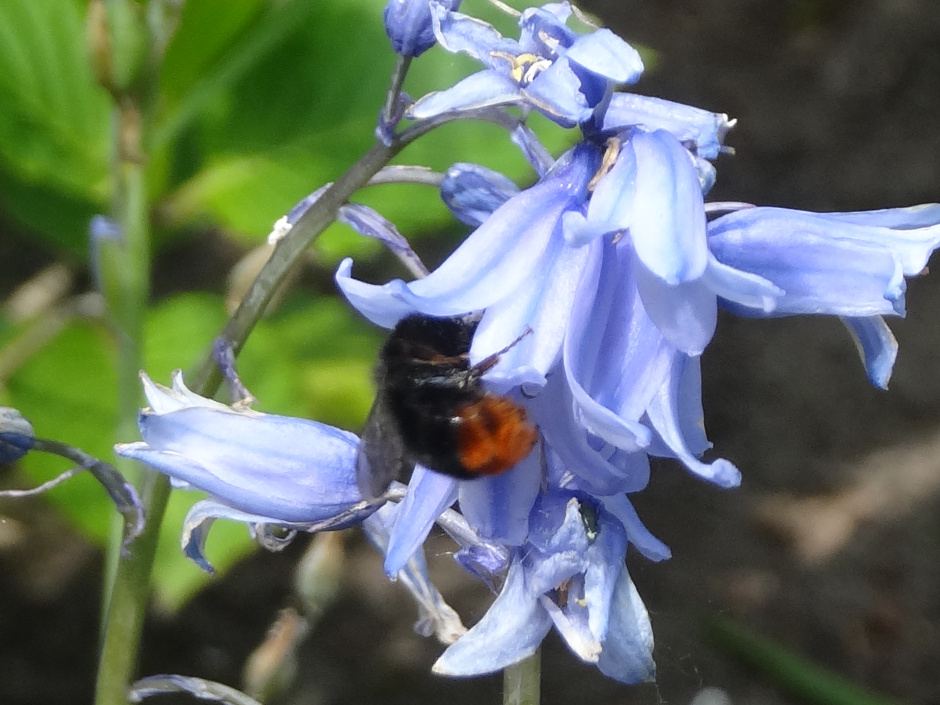
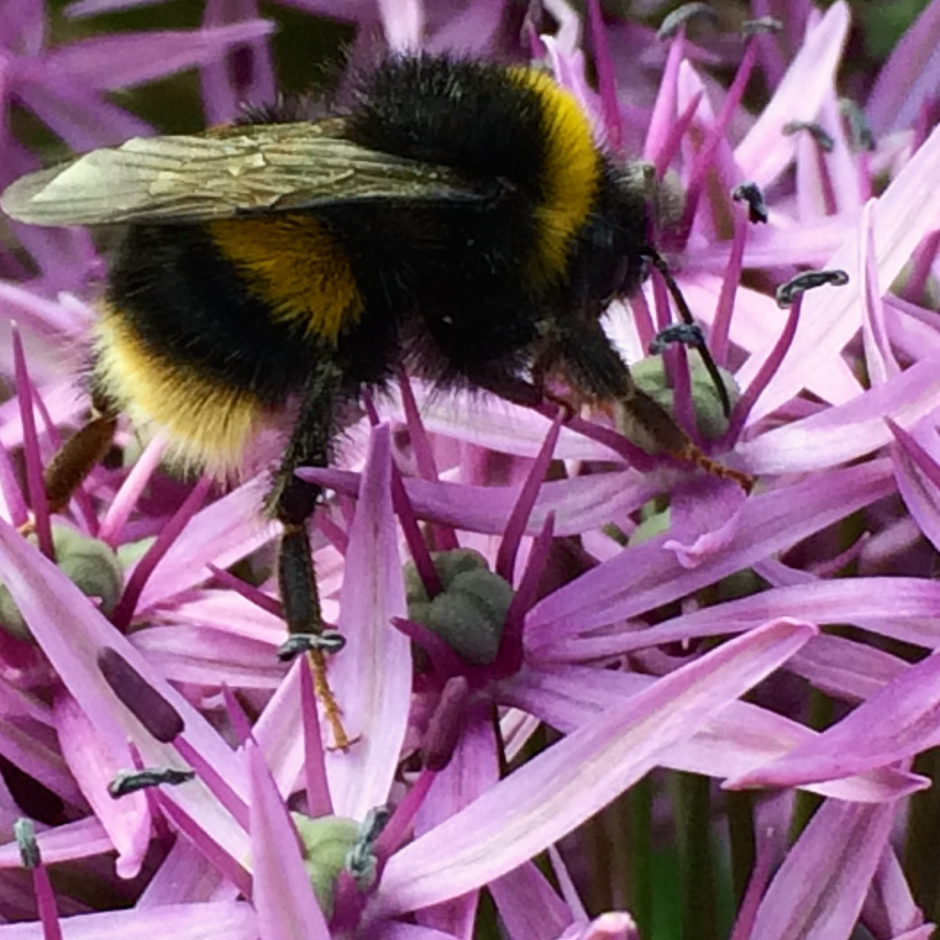
This is the sort of urban initiative that we all dream about but is actually being achieved in Norway. The Oslo Garden Society, working with the municipal government, individuals, schools and private companies, has created the world’s first bee highway – a network of feeding stations and shelter every 250 metres in a corridor across the city.
We all know the consequences of the decline of the bee population – in parts of China, farmers are resorting to pollinating plants by hand and in some parts of the US, bee hives are hired by food producers so that their crop can be pollinated. Some reports indicate that the US has lost 42% of its bee population. In Europe, one third of our wild bees are in serious decline. Intensive farming, use of insecticides, climate change are all cited as causes.
Urban areas can be like deserts for bees with few…
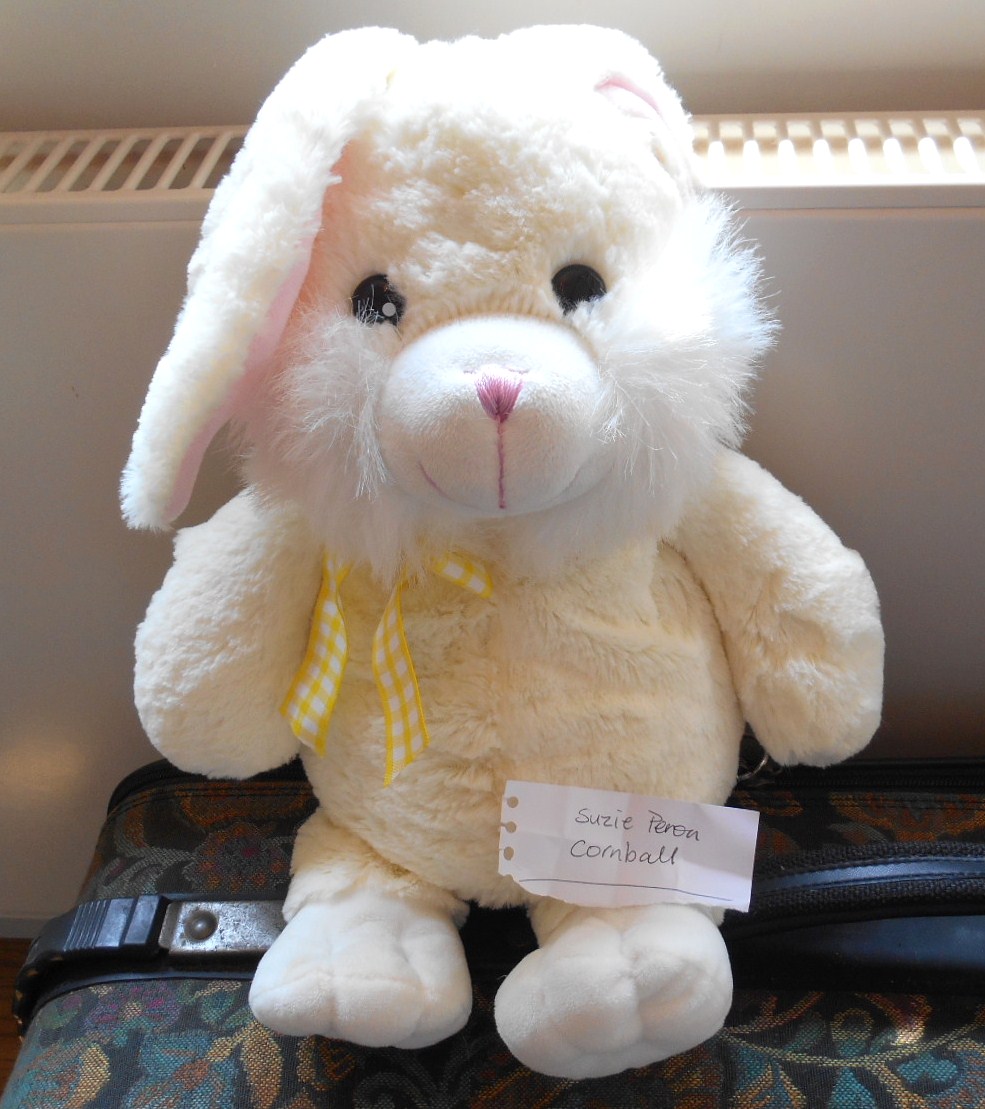
If you live in the UK and you’d like to adopt this little cutie, just think of a name for him or her and let me know in a comment on this or that post.
All suggested names (with name of suggester) will be put into a box tomorrow morning and one will be drawn out.
I’ll let you know then who the winner is 😀
Good luck 😀
NB: this secondhand soft toy has been rescued from Raystede charity shop and is hoping to find a loving new home.
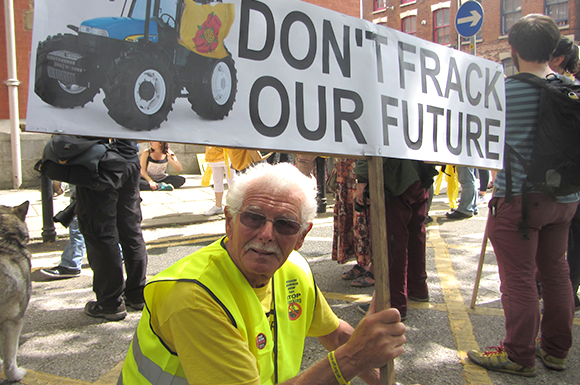
UPDATE: Lancashire county councillors have rejected Cuadrilla’s application to drill for shale gas at Preston New Road. Fantastic news and a huge relief! Thank you to everyone who signed the petition. Stay in touch with Greenpeace and Friends of the Earth because this is just the beginning. According to the Guardian article, Cuadrilla will certainly appeal the decision and our Conservative government is extremely pro-fracking. But we can stop them if we stick together. A big thanks goes out to all the councillors on the committee who stood strong and voted against Cuadrilla’s application.
A critical decision on fracking is taking place in Lancashire. County councillors are set to either slam the doors on plans to drill for shale gas, or give way to the fracking industry.
After an initial vote, councillors have hit a deadlock. Seven have come out in support of fracking, with seven other councillors…
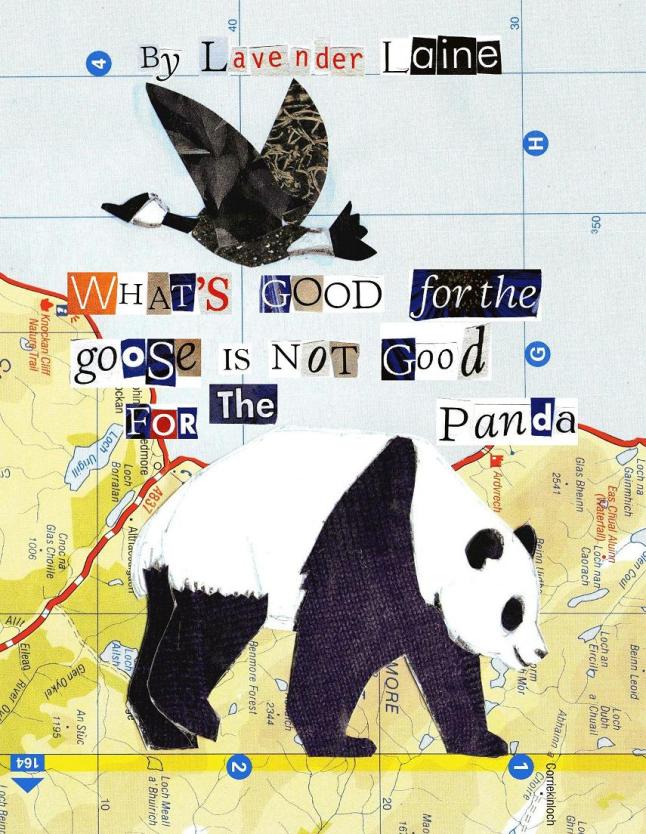 Source: New Release: What’s Good For The Goose Is Not Good For The Panda

































 Violet's Vegan Comics