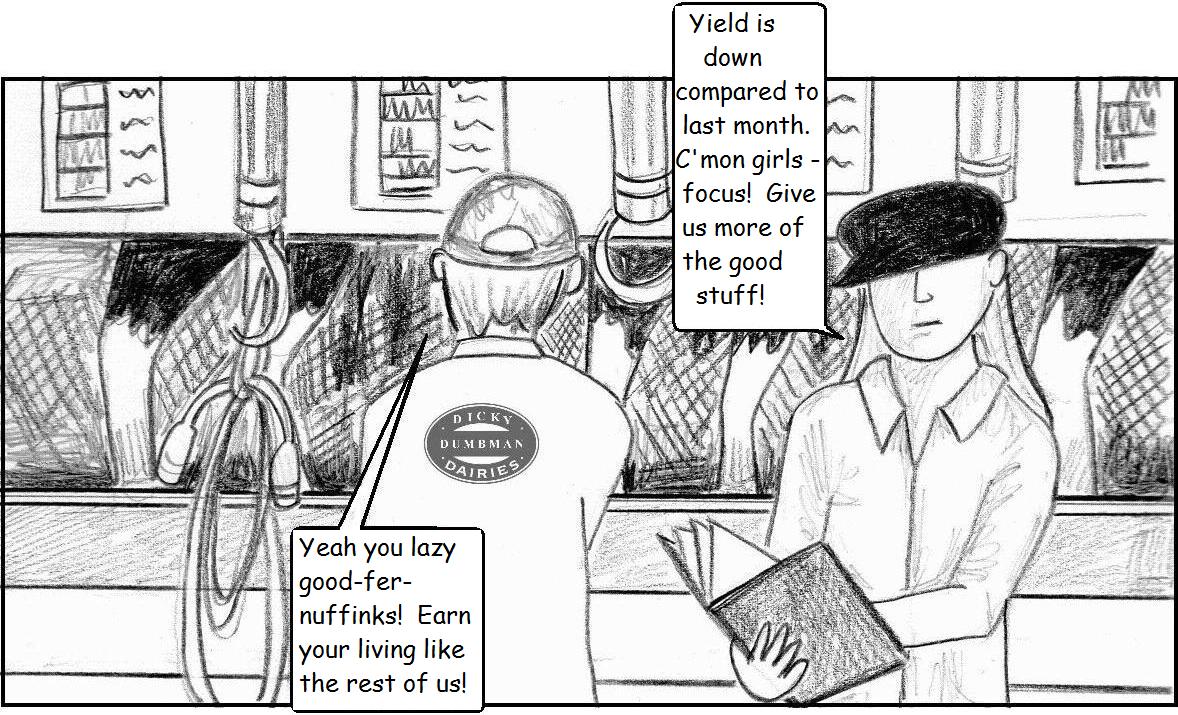
“Hee Hee” said the cow

Life-Giving Force

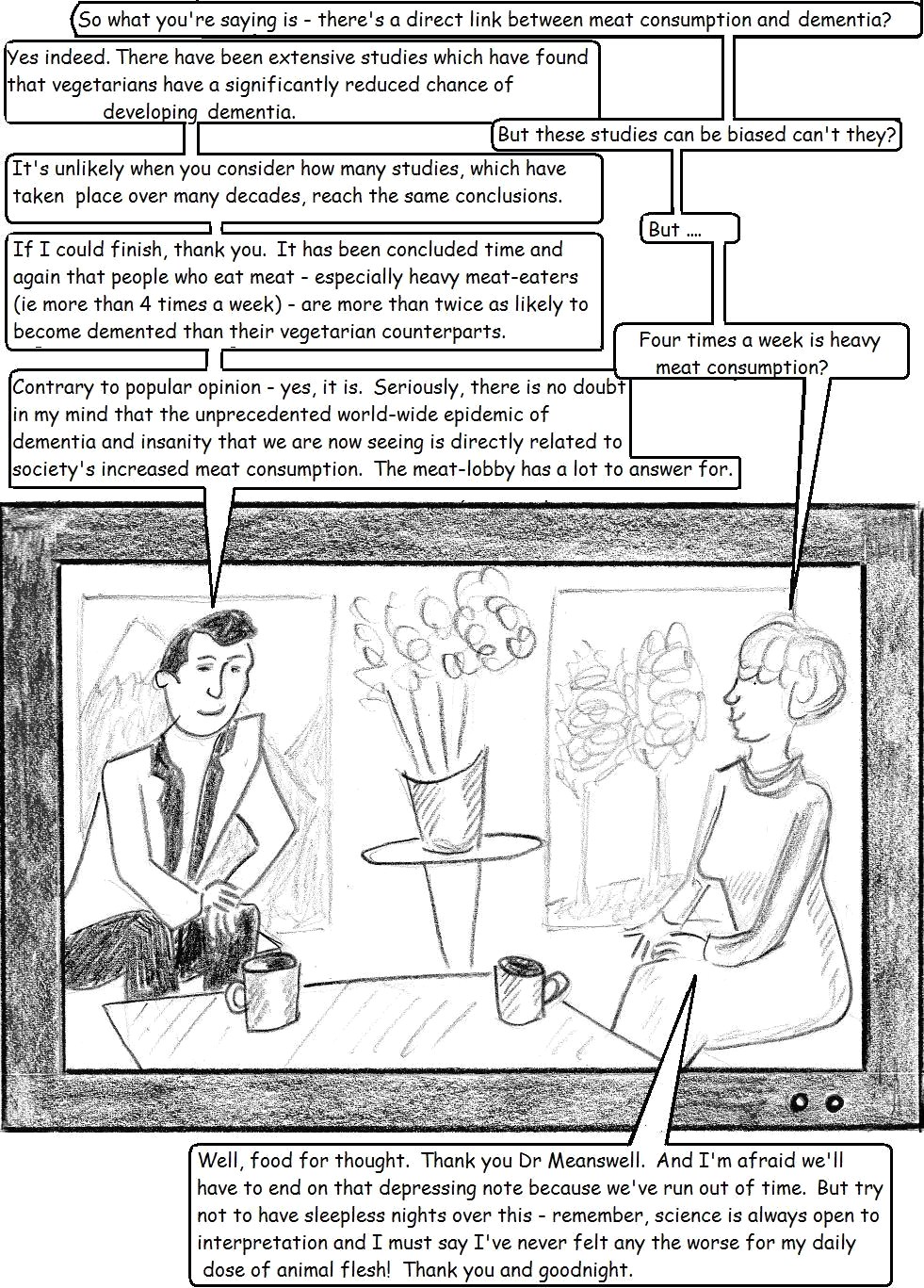
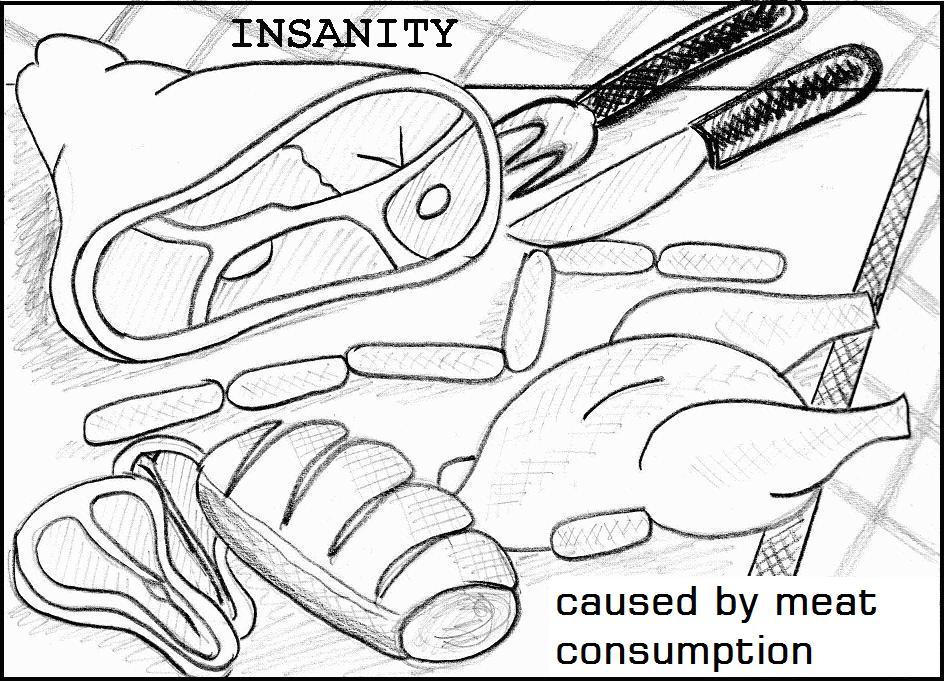
The Doctor Said

Violet’s Anagram #2

Great News!

Violet’s Anagram #1

No Cheese Please

M is for Mackerel

Postcards

postcard

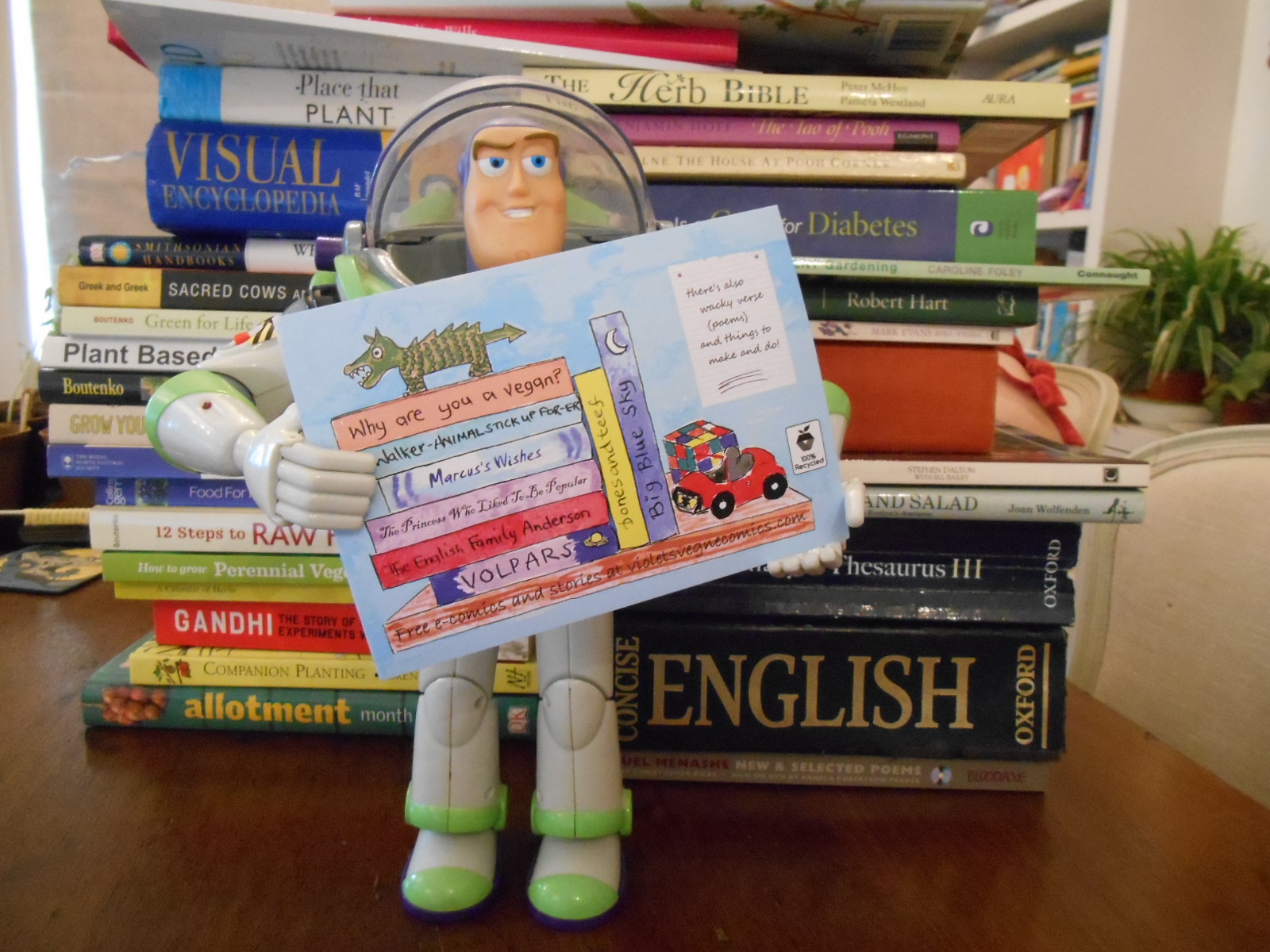
We have just had some colourful postcards printed and would like to share them.

We slip them into library books and books in second-hand shops (as if they were forgotten bookmarks) in the hope that someone will find them and be intrigued enough to look at the website.

It’s quiet, easy, pleasant activism and who knows where it might lead?

The trick is not to get over enthusiastic and put too many in one place in one go.  If a staff member spots them they will probably just throw them away, and may even check for more in other books.  But if the occasional one is found by a library user, they might enjoy it, keep it as a bookmark, and one day be curious enough to visit us here.

So, we thought it would be doubly exciting if we could get these out and about in other places around the country, even around the world, and if you’d like to join in you’d be more than welcome.

We have 500 of these babies in our possession and would be glad to send a few to anyone who contacts us asking for some.  So let us know – are you feeling sneaky? 😀

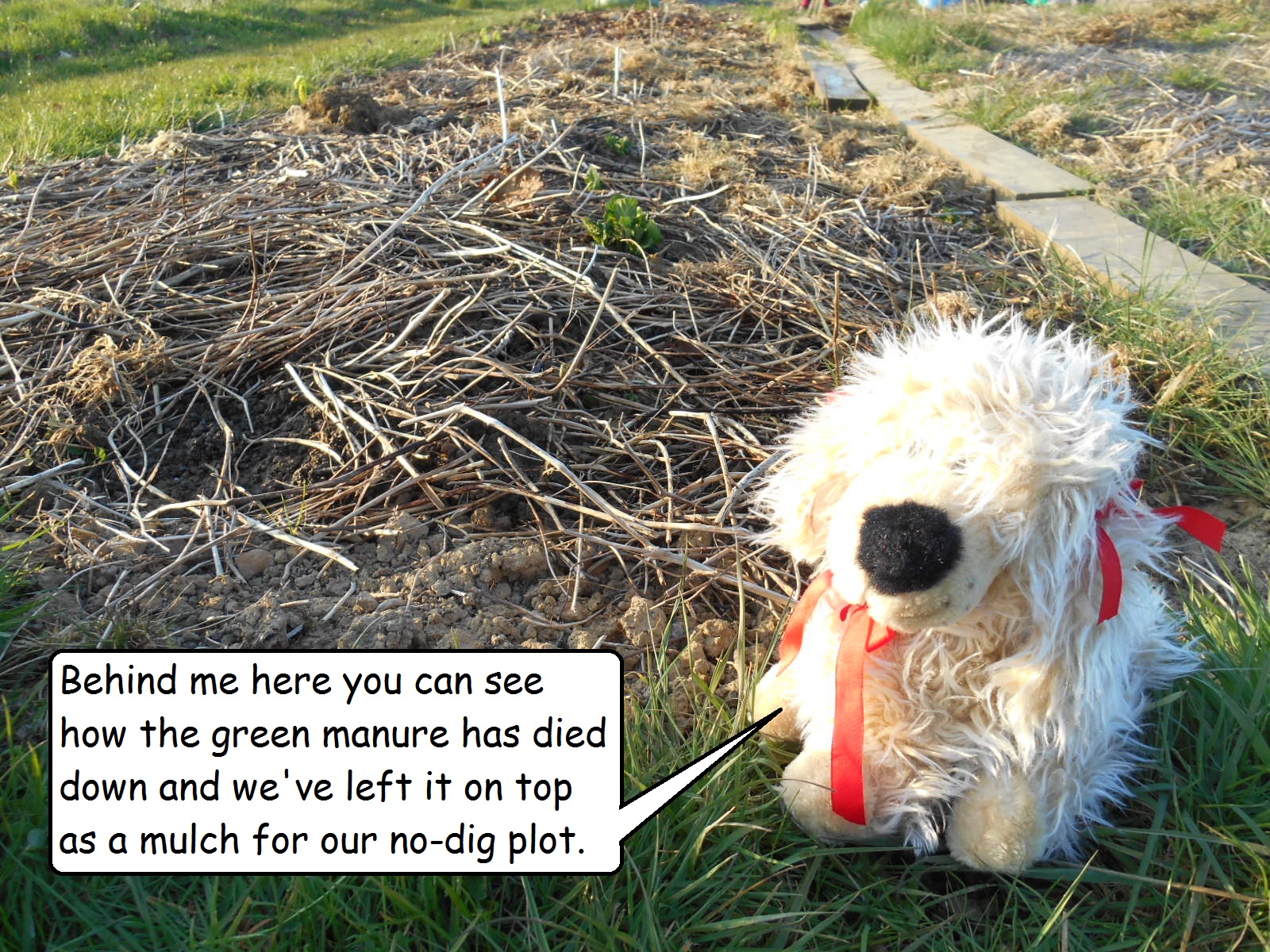
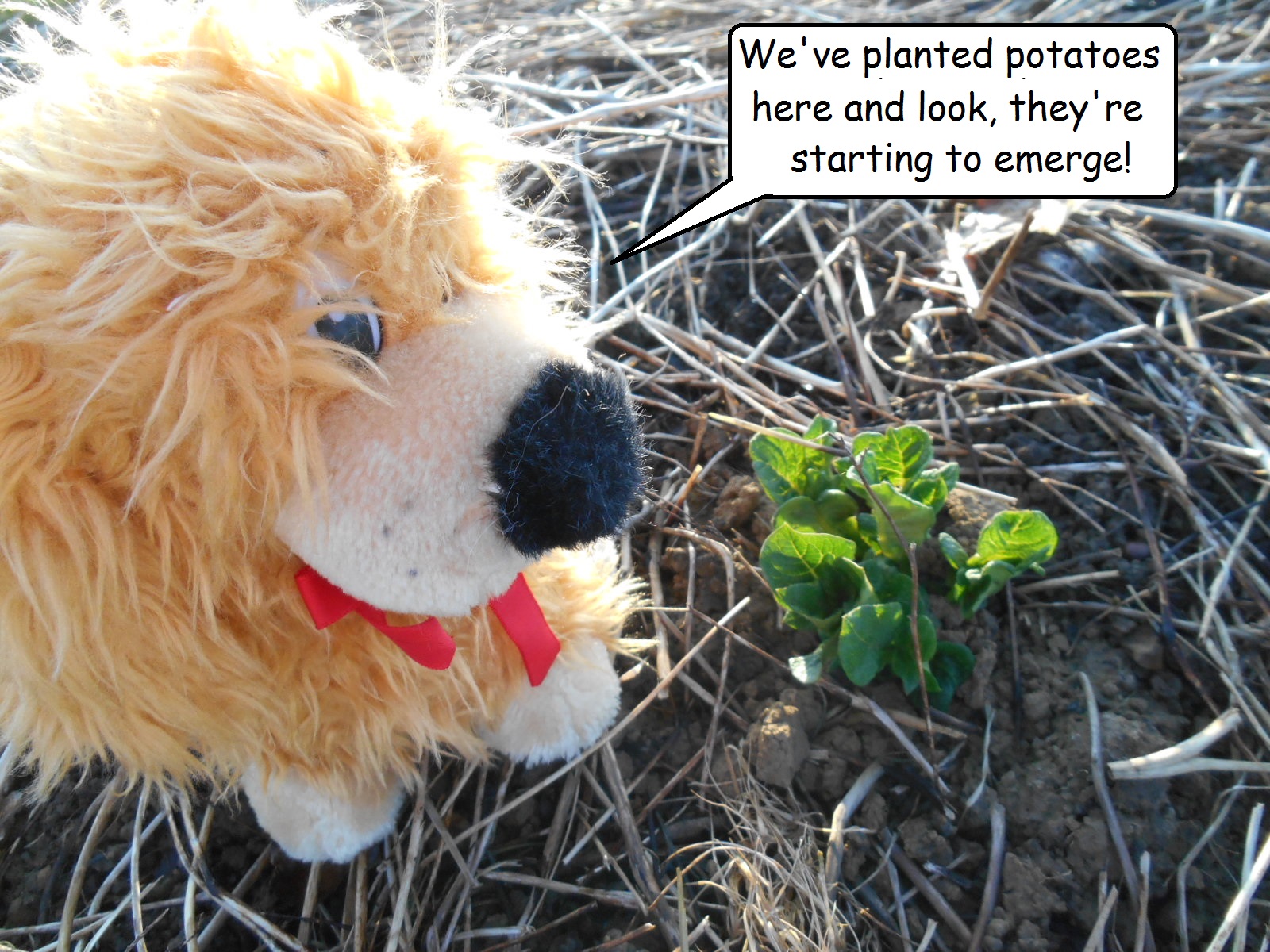
Back down to earth

Click here for the story so far 😉

1 allotment

2 allotment

3 allotment

4 allotment

5 allotment

6 allotment

7 allotment

8 allotment

If you fancy growing your own delicious organic fruits and vegetables but you don’t have a garden, why not apply for an allotment?  Click here to find out how.

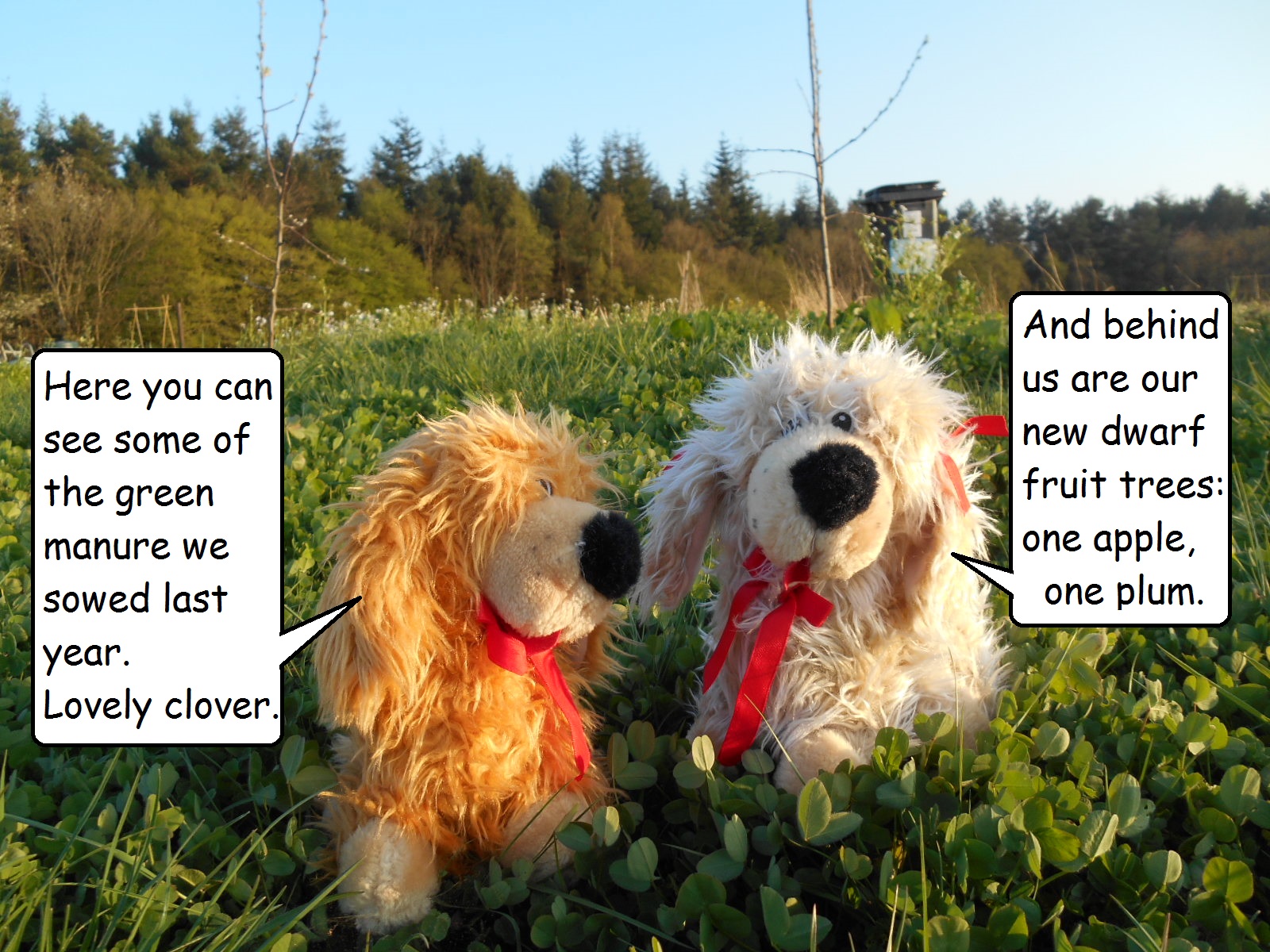
It’s true that there are sometimes long waiting lists but not always. We were very lucky that our village was just setting up new allotments and we were able to get one within a few months of moving there. And there are still a few plots available now.

So go on, find out what’s available in your area – the National Allotment Society will give you all the info you need – and do something that’ll get you out in the fresh air and sunshine for a good dose of vitamin D and some healthy exercise, while at the same time providing you with quality, organic vegetables that are good for you and the earth 😀

Touch the Earth

Nature Returns

Miranda at Loving Hut Belgium!

So here I am at Loving Hut in Belgium!  DSCN3354DSCN3278

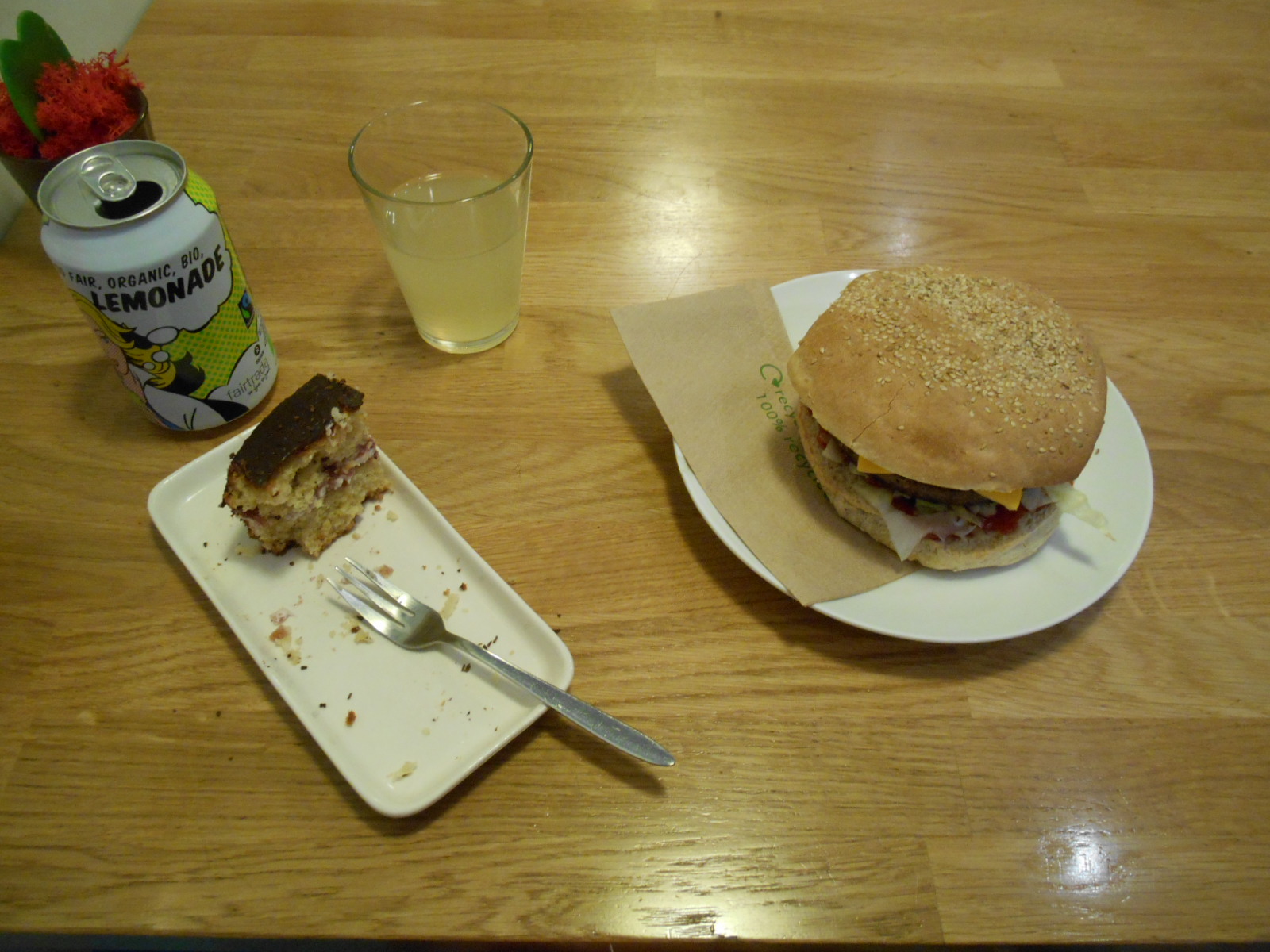
 Tammy and I thought this was a fantastic place!  With fair trade organic lemonade!  And chocolate sponge cake!

DSCN3279

We had cake first, of course, and this was fantastic.  Mmm tasty 🙂

DSCN3288

And then it was time to try the Loving Hut burger!  This was delicious in a toasted sesame bun with vegan cheese and gherkins and onion slices 😀

DSCN3289 DSCN3287  DSCN3285

dscn3281

Here is a painting from inside the Loving Hut – it says “The best way of life, is the veggie way”

I visited the Loving Hut several times during my stay in Leuven.  I went back for chocolate chip cookies, more cake, and on Thursday I tried the Broccoli pasta met champignons en roomsaus!  Which was absolutely brilliant!  I loved it!  Unfortunately by this time in the week my camera battery had run out, so I couldn’t take a photograph.  I did draw a picture of it:

img021 - Copy

Address: Tiensestraat 65, 3000 Leuven, Belgium

Click here to see more about Loving Hut Belgium.

Apple Trees Revisited

Think To Question

Story Time #4: Why are you a vegan?

Healthy School Lunches – we can make it happen!

Miranda at Shavt

DSCN3651

Shavt “Simply Healthy And Vegan Things” is a brilliant shop which I visited while I was in Belgium.  They have a great selection of vegan foods for meals, snacks and sweets as well as other things like lip balm!

Unfortunately my camera battery died after I took this picture.  But!  I want to recommend you go and look at these other blogs which have great posts to show off the wonders of Shavt!

Click here for Sophie’s post on Sophie’s Foodie Files!  Which has lots of great pictures of inside Shavt. 😀 

Click here for the Bruges Vegan’s post about Shavt!  Where you get to see the Shavt vegan cheese, close up and ready to eat 😉 

You can also pop over to see the Shavt website!  Click Here.

Miranda at Greenway

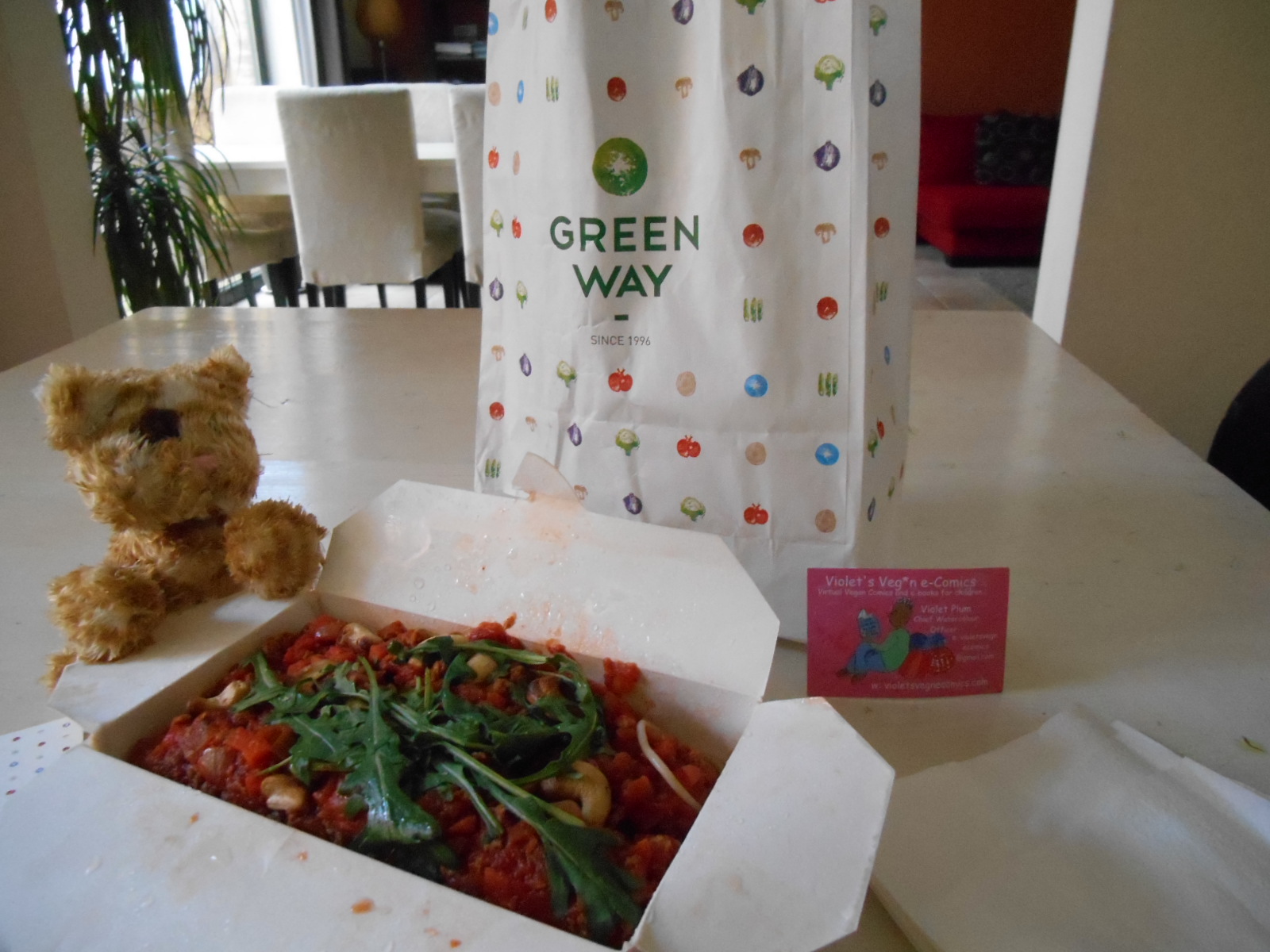
I visited Greenway vegetarian restaurant!  I came here twice on my visit to Leuven, and it is a brilliant place. 🙂 You can eat in or take-away, so I did both!DSCN3391

I arrived just when they had opened on my first visit!  DSCN3390

I had vegan spaghetti bolognese with toasted cashews on top to take-away!  It was fantastic and delicious!

Here you can see Jermaine posing with it in a cardboard box!Take away food in paper bag from Greenway vegetarian restaurant.  Vegan Spaghetti bolognese.  In the cardboard box with a toy cat.

And here he is with it on a plate!  Take away food in paper bag from Greenway vegetarian restaurant.  Vegan Spaghetti bolognese.

DSCN3411 Take away food in paper bag from Greenway vegetarian restaurant.  Vegan Spaghetti bolognese.

It really was brilliant food.  And excellent service from very friendly people!

On my second visit I chose a “wortelburger” from the menu, which I chose because it said it was vegan!  I have since discovered that “wortel” means “carrot” 🙂 This was very tasty, in a toasted bun, with lettuce and pineapple!  Scrumptious!

DSCN3654

I highly recommend you visit this restaurant, they have a wide selection of tasty foods for all your preferences and desires!  I liked the seating too – I sat at a high table on a high stool with my feet dangling off the ground!  If that doesn’t sound appealing to you, don’t worry, there are lots of tables at conventional heights.

Click here to find out more about Greenway restaurants:

“Greenway Leuven
Parijsstraat 12
3000 Leuven
016/30.97.35
parijsstraat@greenway.be
Openingsuren: Ma tot za van 11u tot 22u.
Zondag en feestdagen gesloten”

Miranda out and about

I have been on holiday to Leuven in Belgium!  I chose to visit Leuven because I discovered that they have a Loving Hut.  After arriving I was ecstatic to find that they also have Vegaverso a vegan cafe, Greenway a vegetarian cafe, and Shavt which is a vegan food shop!

Here I am at Vegaverso, vegan cafe in Leuven, Belgium!

where it is with card

This is a wonderful cafe which serves a delicious and tasty selection of vegan sandwiches and cakes!

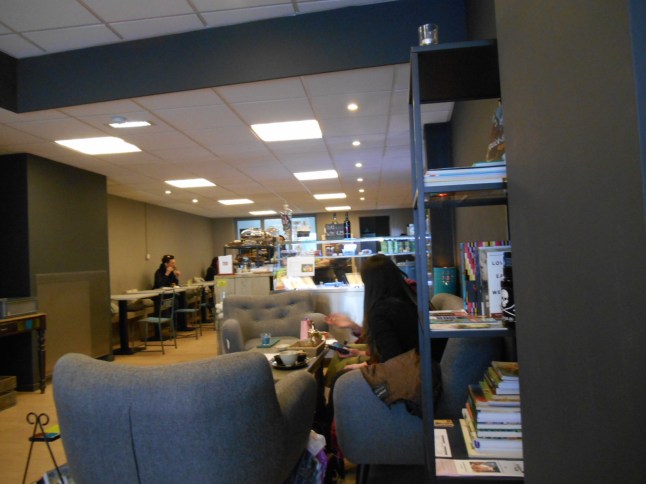
More interiors at Vegaverso, with books and comfy chairs

What you might have for lunch...

It took me a while to decide what to have, there is so much to choose from!

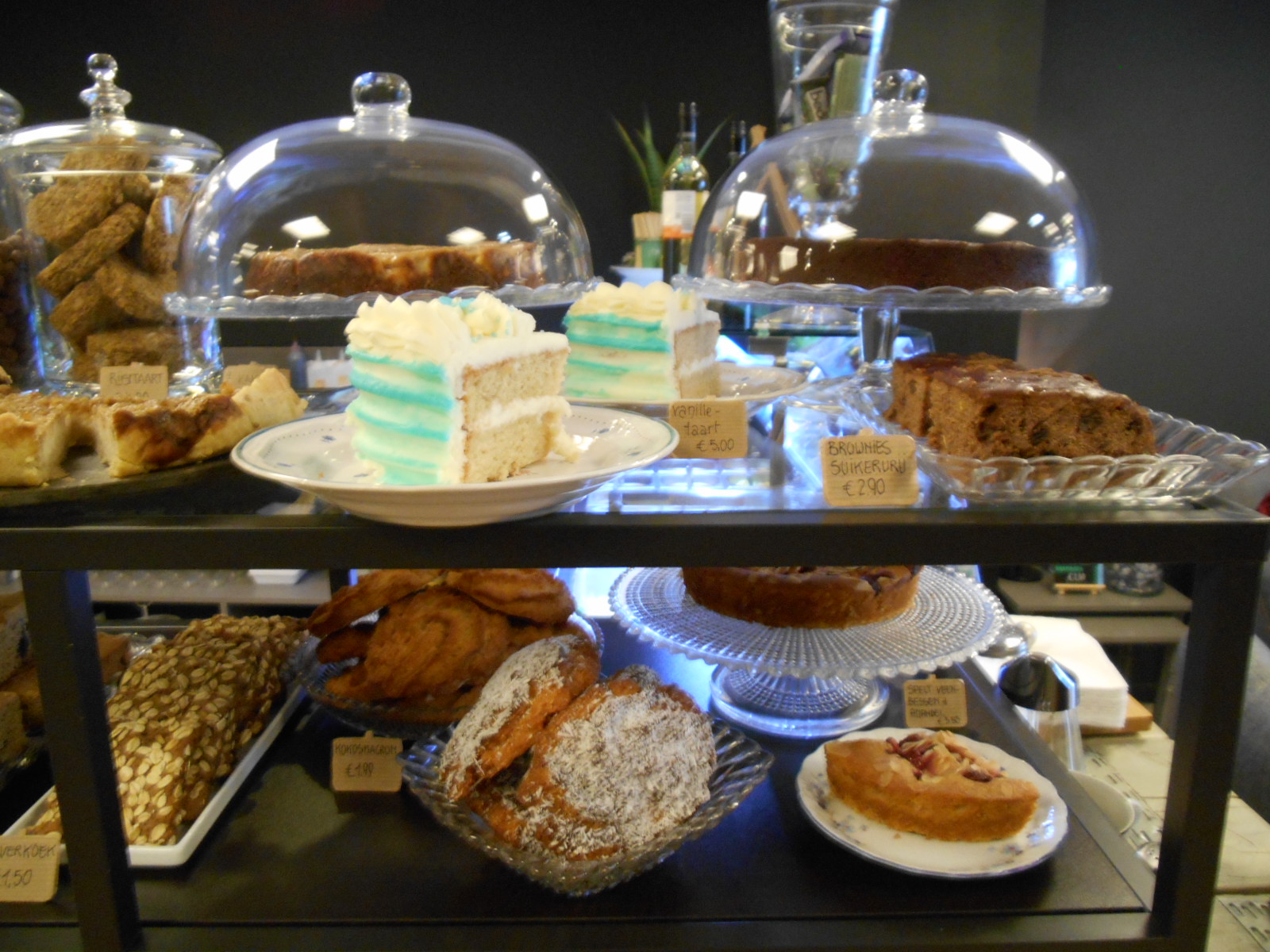
Inside Vegaverso, taarts and cupcakes

I had a peanut butter and jelly cupcake, a vanilla cupcake and a chocolate cupcake, on different visits!  They were all delicious and beautiful!

More cake selection

I also tried a chocolate coconut macaroon, and an oat cake, which were fantastic!

More cake selection!

This is what I had on my first visit to Vegaverso!  It was the most scrumptious food you will ever taste!  I had vegan cheese with vegenaise and a blueberry cupcake!  It was wonderful!

Cheese sandwich roll.  Yum!

Lunch with card Vegaverso

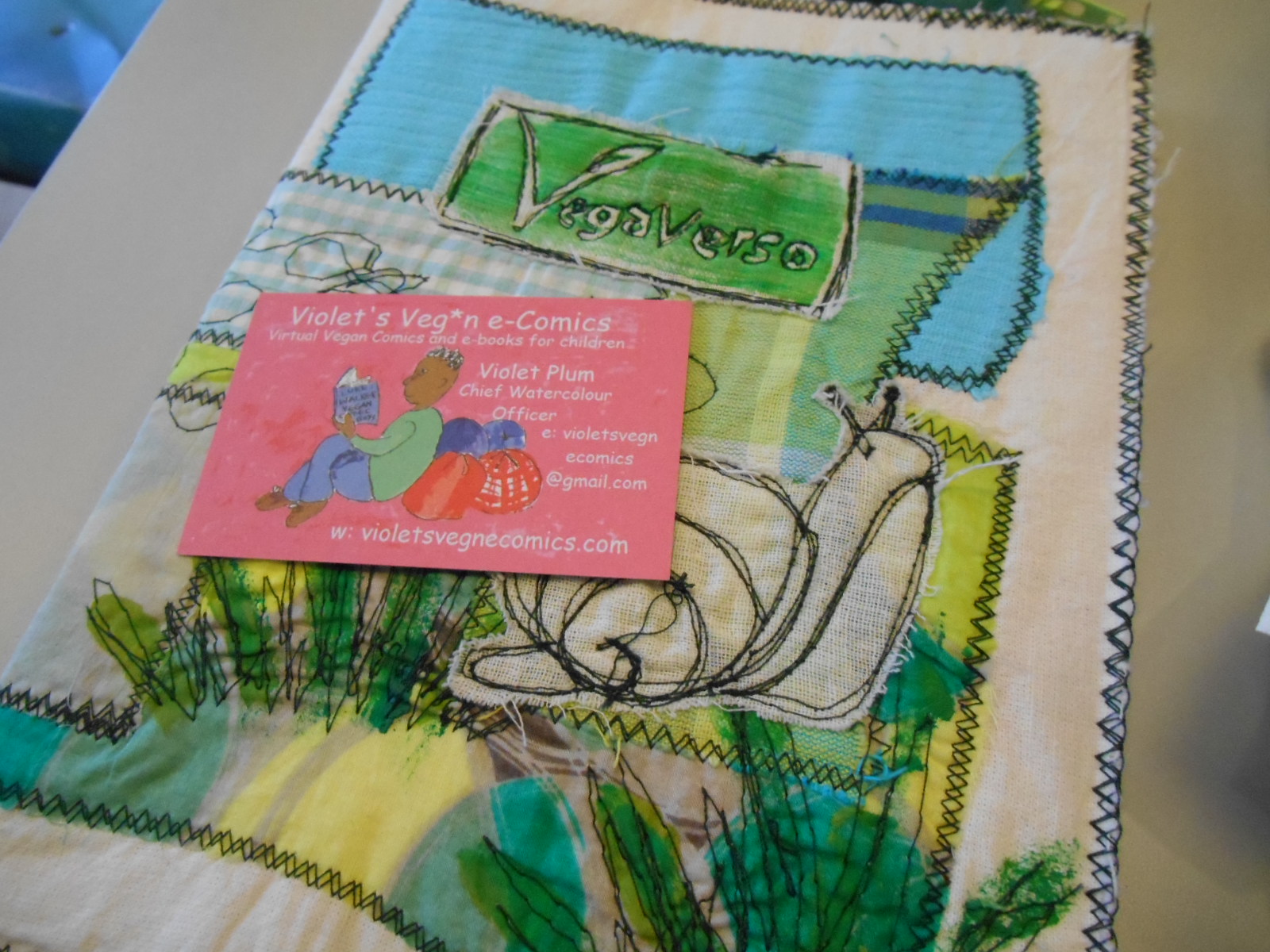
The menus there all have different, individually embroidered fabric covers!  They are so special and lovely 😀
Beautiful Vegaverso menu

Vegaverso menu

DSCN3650

If you live anywhere nearby, and even if you don’t, I strongly recommend you make a visit to Vegaverso.

Blueberry cupcake!

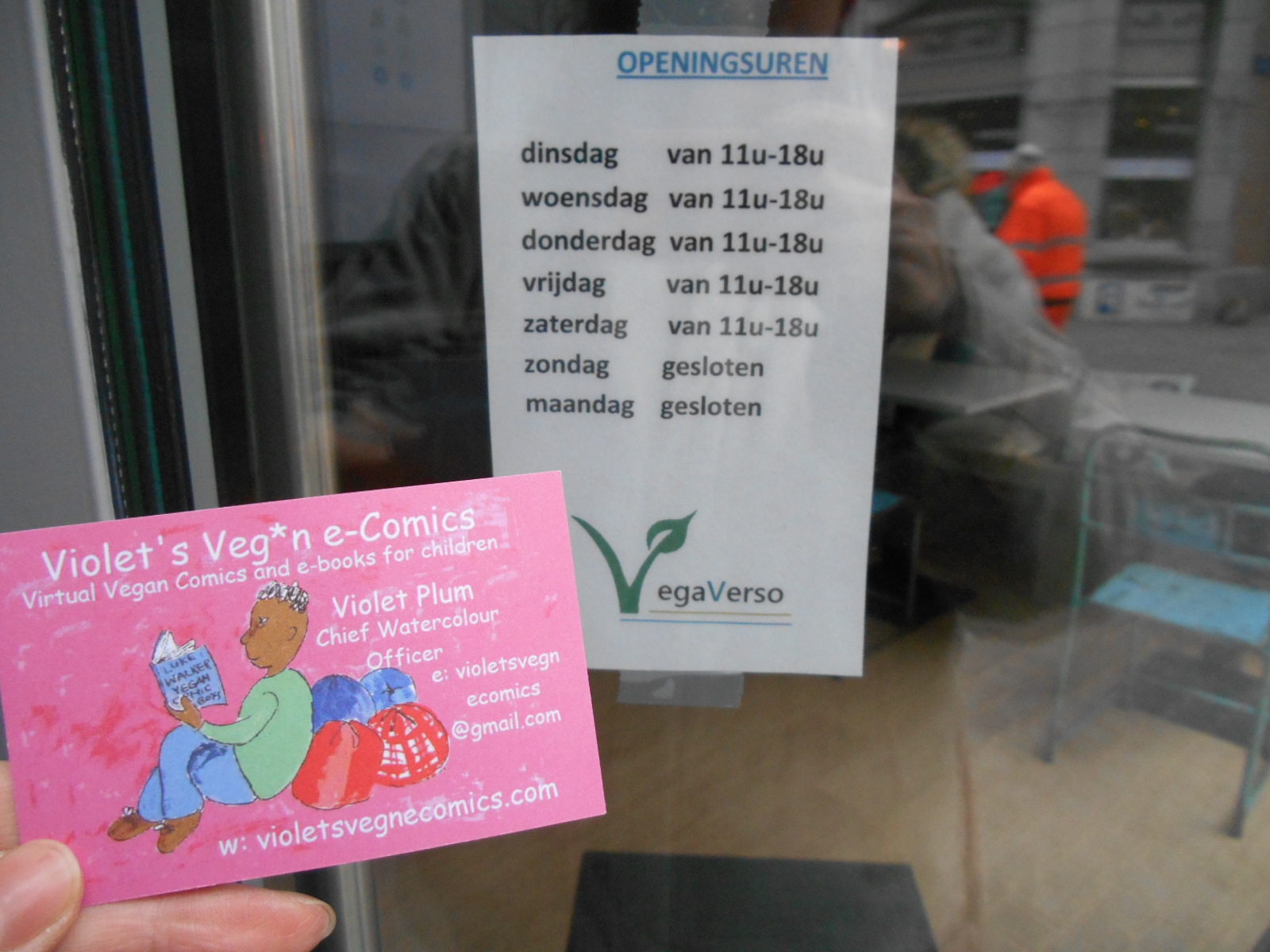
They are open Tuesday to Saturday, 11am to 6pm.  You could go now!

Vegaverso opening timesI had a wonderful time at this cafe, it is run by friendly people and has a relaxing, happy atmosphere.  Brilliant 🙂 Try the chocolate coconut macaroon.

L is for Lamb

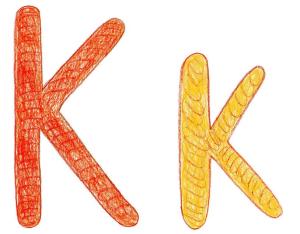
K is for Kid

Why Must We Eat The Animals? Oh Why, Oh Why?

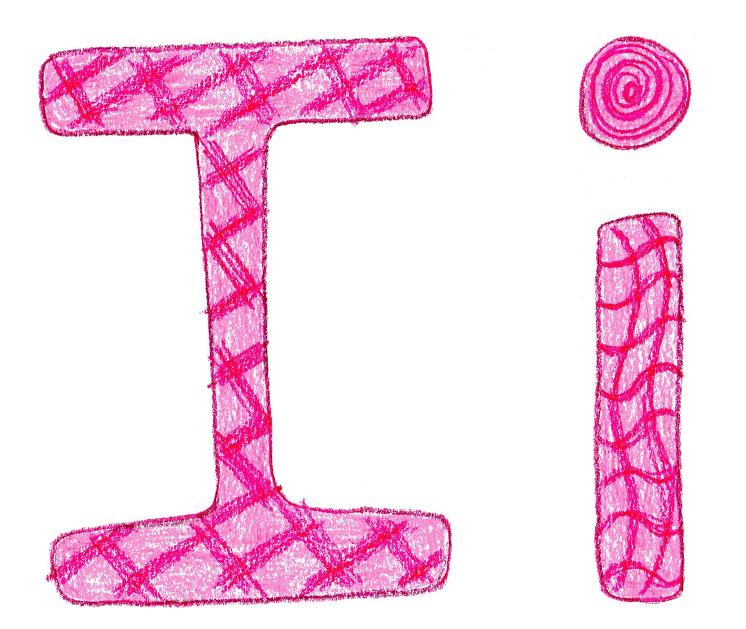
I is for Inhuman

i

Working on the vegan dictionary continues to be a very educational experience.  Finding words which are defined in a way that normalises animal exploitation, (such as animals being described simply in terms of how they taste or how they are used by humans; or horrible, violent practices described in a brief, matter-of-fact way as if they are perfectly normal and inoffensive) and then redefining them so that they tell the whole story, good or bad.  I’m finding out a lot of very interesting facts about animals I previously knew nothing about, as well as a lot of very upsetting things which are hidden from the general population in order to preserve the status quo.

Today I was leafing through the i section of the dictionary and, unusually, finding nothing that needed redefining …. until I reached inhuman, described thus in the Oxford Dictionary:

adjective:    brutal; unfeeling; barbarous

And the synonyms for inhuman, given in the thesaurus section, are:

animal, barbaric, barbarous, bestial, bloodthirsty, brutal, brutish, diabolical, fiendish, inhumane, merciless, pitiless, ruthless, savage, unfeeling, unnatural, vicious.

Now I’m confused.

Isn’t it humans who enslave and brutalise animals for pleasure and profit?  Isn’t it humans who are so unfeeling that they steal a baby from his mother and kill him so that they can have his mother’s milk for themselves?  Isn’t it humans who show no mercy to the billions of terrified, innocent individuals who are savagely and routinely killed en masse?

With the exception of the word ‘animal’ it seems to me that those synonyms should be in the dictionary next to the word human, not inhuman.

The thing is that humans, most of them, do think of themselves as good and kind, decent and compassionate, and the dictionary reflects that.  But, however good and charitable a human might be towards other humans, if their compassion doesn’t extend to other species then is not a part of them still barbaric, merciless, unfeeling, pitiless, ruthless and savage, albeit perhaps unwittingly so?  Even if they do not commit the fiendish acts themselves; even if they are horrified at the idea of hurting a living being; if they know about it and still choose to pay for it, are they not directly and deliberately responsible for it?  And isn’t that diabolical?

The good news is that it is entirely possible to make the Oxford Dictionary definition correct.  If all humans went vegan (as nature intended) then the word human really would be synonymous with compassionate, and inhuman would mean what the Oxford Dictionary says it means 🙂

Chokeules – 40-Year-Old Vegan

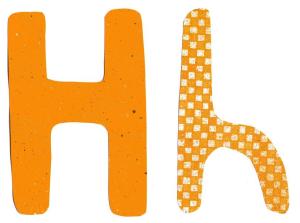
H is for Herbivore

Cute-Rabbit-and-Girl-690x388

Herbivore    noun

Oxford Dictionary definition:  Plant-eating animal

Our definition:  Herbivores are animals which are anatomically designed to live on plants.  Herbivorous mammals have well-developed facial musculature, fleshy lips, a relatively small opening into the oral cavity and a thickened, muscular tongue. The lips aid in the movement of food into the mouth and, along with the facial (cheek) musculature and tongue, assist in the chewing of food.  The lower jaw of plant-eating mammals has a pronounced sideways motion when eating. This lateral movement is necessary for the grinding motion of chewing.

The dentition of herbivores is quite varied depending on the kind of vegetation a particular species is adapted to eat. Although these animals differ in the types and numbers of teeth they posses, the various kinds of teeth when present, share common structural features. The incisors are broad, flattened and spade-like. Canines may be small as in horses, prominent as in hippos, pigs and some primates (these are thought to be used for defense) or absent altogether. The molars, in general, are squared and flattened on top to provide a grinding surface. The molars cannot vertically slide past one another in a shearing/slicing motion (as carnivores’ teeth do), but they do horizontally slide across one another to crush and grind. The surface features of the molars vary depending on the type of plant material the animal eats. The teeth of herbivorous animals are closely grouped so that the incisors form an efficient cropping/biting mechanism, and the upper and lower molars form extended platforms for crushing and grinding.

These animals carefully and methodically chew their food, pushing the food back and forth into the grinding teeth with the tongue and cheek muscles. This thorough process is necessary to mechanically disrupt plant cell walls in order to release the digestible intracellular contents and ensure thorough mixing of this material with their saliva. This is important because the saliva of plant-eating mammals often contains carbohydrate-digesting enzymes which begin breaking down food molecules while the food is still in the mouth.

Because of the relative difficulty with which various kinds of plant foods are broken down (due to large amounts of indigestible fibres), herbivores have significantly longer and in some cases, far more elaborate guts than carnivores. Herbivorous animals that consume plants containing a high proportion of cellulose must “ferment” (digest by bacterial enzyme action) their food to obtain the nutrient value. They are classified as either “ruminants” (foregut fermenters) or hindgut fermenters. The ruminants are the plant-eating animals with the celebrated multiple-chambered stomachs. Herbivorous animals that eat a diet of relatively soft vegetation do not need a multiple-chambered stomach. They typically have a simple stomach, and a long small intestine. These animals ferment the difficult-to-digest fibrous portions of their diets in their hindguts (colons). Many of these herbivores increase the sophistication and efficiency of their GI tracts by including carbohydrate-digesting enzymes in their saliva.

In herbivorous animals, the large intestine tends to be a highly specialized organ involved in water and electrolyte absorption, vitamin production and absorption, and/or fermentation of fibrous plant materials. The colons of herbivores are usually wider than their small intestine and are relatively long.

“Thus, from comparing the gastrointestinal tract of humans to that of carnivores, herbivores and omnivores we must conclude that humankind’s GI tract is designed for a purely plant-food diet.”

Read the rest of the in-depth article by Dr Milton Mills, which includes comparisons with carnivore and omnivore anatomy and physiology, from which this definition was taken.

For the rest of the redefined words beginning with H, click on this pic (or go to the dictionary in the sidebar)

For the rest of the redefined words beginning with H, click on this pic (or go to the dictionary in the sidebar)

Sarah the Vegetarian

G is for Greyhound

Jasmine

Jasmine the rescued greyhound with one of her many fostered youngsters. Click on the pic

Greyhound    noun

Oxford Dictionary definition:  Slender swift dog used in racing.

Our definition:  Greyhounds are quiet, gentle, and loyal.  They are very loving and enjoy the company of their humans and other dogs.   Jasmine, a beautiful, rescued greyhound puppy who grew up to be a permanent resident at Nuneaton & Warwickshire Wildlife Sanctuary and an extremely well loved member of their team, is a perfect example of how loving these animals are.   Tragically so many gentle individuals like her are exploited and abused by the greyhound racing industry.

And the G g page is done! Click on the pic or go to the dictionary in the sidebar

And the G g page is done! Click on the pic or go to the dictionary in the sidebar

New Music Page

Plants by Zachmusic

Stress Wave

Vegan Story Time #3: Edmund’s Lunch

Last Chance

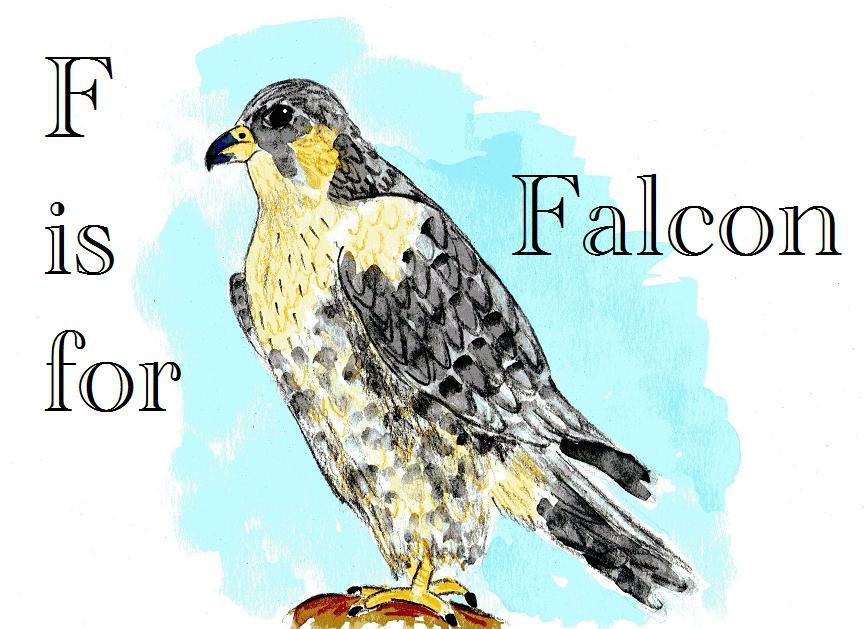
F is for Falcon

F is for falcon

Falcon    noun

Oxford Dictionary definition:  Small hawk trained to hunt.

Our definition:  A falcon is any one of 37 species of raptor in the genus Falco, widely distributed on all continents of the world except Antarctica.

Adult falcons have thin tapered wings, which enable them to fly at high speed and to change direction rapidly.  Fledgling falcons, in their first year of flying, have longer flight feathers, which makes their configuration more like that of a general-purpose bird such as a broadwing.  This makes it easier to fly while learning the exceptional skills required to be effective hunters as adults.

Peregrine falcons have been recorded diving at speeds of 200 miles per hour (320 km/h), making them the fastest-moving creatures on Earth.  Other falcons include the gyrfalcon, lanner falcon, and the merlin.  Some small falcons with long narrow wings are called hobbies, and some which hover while hunting are called kestrels.

As is the case with many birds of prey, falcons have exceptional powers of vision; the visual acuity of one species has been measured at 2.6 times that of a normal human.

*****

Click on the pic for the F page of our vegan dictionary, or see the link in the sidebar to your right

Click on the pic for the F page of our vegan dictionary, or see the link in the sidebar to your right

Election 2015: Frack-Free Promise

The UK General Election is just weeks away. With MP candidates going all out to win our votes, this is a huge opportunity to push fracking up the political agenda.

Can you ask your local candidates to promise to oppose fracking if they’re elected?

Frack Free Promise

Greenpeace and Friends of the Earth are appealing to us all to contact our local election candidates and ask them if they will promise to oppose fracking if they are elected.

And they’ve made it so easy: all you have to do is go to their website, and enter your postcode.  You will then be told which candidates in your area have not signed the frack-free pledge and enabled to send them an email request to do so.

Let’s all do it!  And share it, far and wide.

Psycho

The Bamboo Toothbrush Puppet Show

2027 AD: The World Was In Crisis

Beware Beware

VVeC Productions Presents: Luke Walker and the Hypothetical Question

Vegan Story Time #2: Where are you going Deidra?

Vegan Story Time #1: “I’m not dinner!”

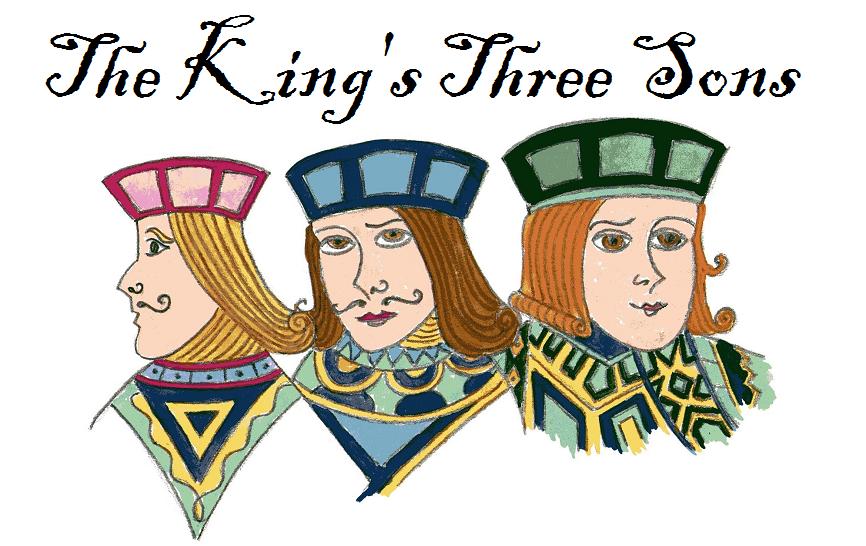
‘The King’s Three Sons’ is here!

Another New Fairy Tale

Where’s Dolly?

E is for Elephant

E is for Elephant

Elephant    noun

Oxford Dictionary definition:  Largest living land animal with trunk and ivory tusks.

Our definition:  Elephants are large mammals of the family Elephantidae and the order Proboscidea.  Two species are traditionally recognised: the African elephant and the Asian elephant.  Male African elephants are the largest surviving terrestrial [land] animals and can reach a height of 4 metres and weigh 7,000 kg. All elephants have a long trunk, used for many purposes, particularly breathing, lifting water and grasping objects.  All African elephants, male and female, have tusks whereas only some Asian males have tusks. About 50% of Asian females have short tusks known as tushes – which have no pulp inside.  Usually in mammals tusks are enlarged canine teeth, but in elephants they are actually elongated incisors and are essentially no different from other teeth. One third of the tusk is actually hidden from view, embedded deep in the elephant’s head. This part of the tusk is a pulp cavity made up of tissue, blood and nerves. The visible, ivory part of the tusk is made of dentine with an outer layer of enamel.  Their tusks can serve as weapons and as tools for moving objects and digging. Elephants’ large ear flaps help to control their body temperature.  African elephants have larger ears and concave backs while Asian elephants have smaller ears and convex or level backs.

Elephants are herbivorous and can be found in different habitats including savannahs, forests, deserts and marshes. They prefer to stay near water. Females, known as cows, tend to live in family groups, which can consist of one female with her calves or several related females with offspring. The groups are led by an individual known as the matriarch, often the oldest cow. Elephants have a fission-fusion society in which multiple family groups come together to socialise. Males, known as bulls, leave their family groups when they reach puberty, and may live alone or with other males. Adult bulls mostly interact with family groups when looking for a mate. Calves are the centre of attention in their family groups and rely on their mothers for as long as three years. Elephants can live up to 70 years in the wild. They communicate by touch, sight, smell and sound; elephants use infrasound (low frequency sound), and seismic communication (sometimes called vibrational communication) over long distances. Elephant intelligence has been compared with that of primates and cetaceans. They have self-awareness and show empathy for dying or dead individuals of their kind.

African elephants are listed as vulnerable by the International Union for Conservation of Nature, while the Asian elephant is classed as endangered. One of the biggest threats to elephant populations is the ivory trade, as the animals are poached for their ivory tusks. Other threats to wild elephants include habitat destruction and conflicts with local people.

Horribly, in addition to murdering them for their ivory, human beings have exploited elephants for entertainment in zoos and circuses for centuries; and now the military thinks they might be useful for sniffing out bombs!

Thank goodness for The Elephant Sanctuary, Tennessee, a natural habitat refuge developed specifically for African and Asian elephants, which is home to beautiful animals, rescued or retired from zoos and circuses, who can now live out their lives in a safe haven dedicated to their well-being.

elephant sanctuary

Spider in my shower cap

Chickens Are People Just Like Dogs

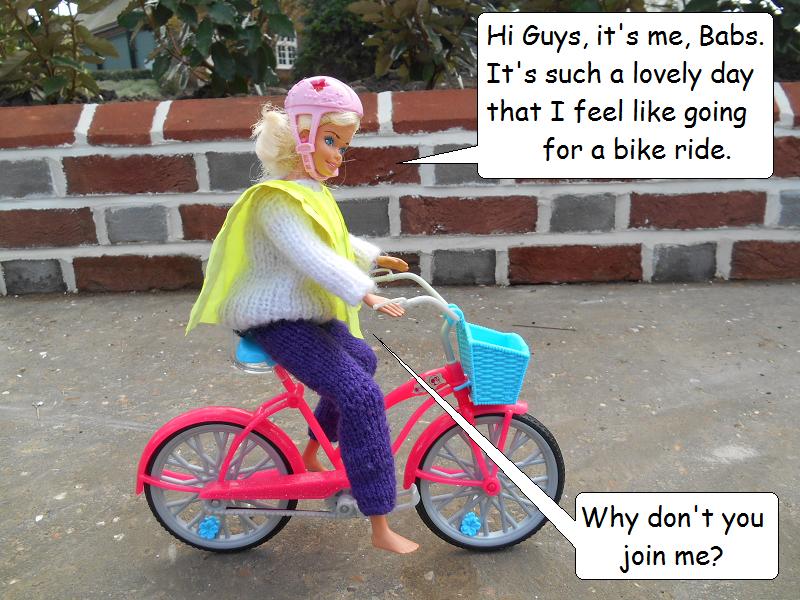
Babs on a bike

1

 bike rides

 bike rides

 bike rides

 bike rides

 bike rides

 bike rides

The Sustrans website will tell you all about the National Cycle Network in the UK which “is a series of traffic-free paths and quiet, on-road cycling and walking routes, that connect to every major town and city.  The Network passes within a mile of half of all UK homes and stretches over 14,000 miles across the UK.”

They also have a shop where you can buy maps, books, clothes and accessories etc, although you might have a good cycle shop in your own neighbourhood where you can get everything you need; or, even better, check out the second hand shops and the shops of animal-friendly charities and re-use something someone else doesn’t need any more (for a fraction of the price).

bike riding

Introducing Marcus