Here are the answers to yesterday’s People Who Live In The Ocean puzzle as promised:

*
Have a great weekend! 😀
****

Violet’s Vegan Comics – creating fun stories, poems and things-to-make-and-do since 2012
Here are the answers to yesterday’s People Who Live In The Ocean puzzle as promised:
*
Have a great weekend! 😀
****
Violet’s Vegan Comics – creating fun stories, poems and things-to-make-and-do since 2012
First – the answers to yesterday’s science fiction puzzle as promised:

*
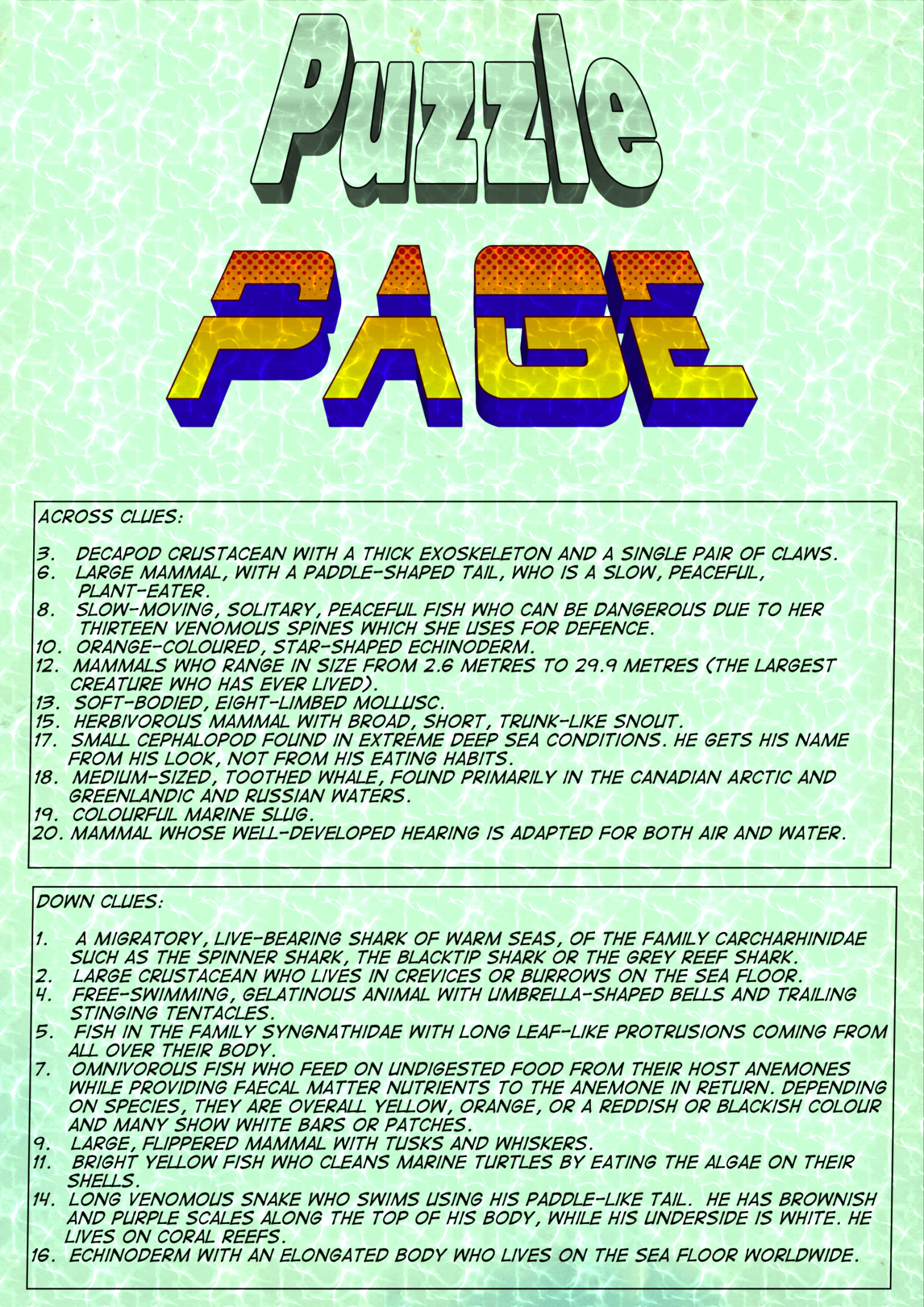
Now, this next one’s a bit trickier. See if you can recognise these ocean-dwellers from their descriptions. Click on the pics and save them so that you can do the puzzle in Paint on your pc, or print out the puzzle and do it with a pencil – one way or another, enjoy this watery puzzle 😀
*

*
Or you could download the whole thing as a pdf:
*
Here are the answers 😀
************
Violet’s Vegan Comics – creating fun stories, poems and things-to-make-and-do since 2012

*
Enjoy learning about dolphins and then find the red words in the wordsearch!

You can click on the picture above to save it and then open it in Paint to complete it on your pc or print it and do it the old-fashioned way with a pencil 🙂
Alternatively, you can download and/or print the pdf file here:
*
Thanks to the Dolphin Project for the dolphin facts that informed this puzzle, and to wordmint.com where we made the puzzle.
Have fun! 😀
**********************************
Violet’s Vegan Comics – creating fun stories, poems and things-to-make-and-do since 2012

The basking shark (Cetorhinus maximus) is the second-largest living shark and fish, after the whale shark, and one of three plankton-eating shark species, along with the whale shark and megamouth shark. Adults typically reach 7.9 m (26 ft) in length. They are usually greyish-brown, with mottled skin, with the inside of the mouth being white in colour. Click here to find out more about them.
And click here to read a comic about one! 😀
How many times have so many of us said it – stop littering! End plastic!? So many websites and well known organisations have shown photos and footage of the devastating suffering caused by litter and fishing paraphernalia, for so many years. And, though many good people work hard to campaign, educate and do the actual cleaning up, there is no change in the practice of producing more single-use plastic. The government has made no effort to actually stem the tide of new plastic production. Our plastic waste, collected by people with good intentions, continues to cross the globe for recycling, regardless of the discovery years ago that much of it will end up in the ocean. Why isn’t the government forcing snack companies to stop using plastic? Why isn’t the government setting up recycling facilities in this country so that we can deal safely deal with our own waste? What hope is there for wildlife if they don’t?
Pleeease write to your MP and ask them to support the The Plastic (Recycling, Sustainability, and Pollution Reduction) Bill which is going through Parliament at the moment. Thank you.
Vegan science fiction comic for kids, Megan & Flos episode 7 continues from yesterday. For the story so far, click here 😀

The End. For now 😀 Don’t forget to subscribe so you don’t miss the next episode!
Have a great weekend 😀
*****
This comic was created with ComicLife by Plasq 🙂

Violet’s Vegan Comics – creating funny, enlightening and sometimes action-packed vegan children’s books, poems and things to make & do, since 2012
Vegan science fiction comic for kids, Megan & Flos episode 7 continues from yesterday. For the story so far, click here 😀
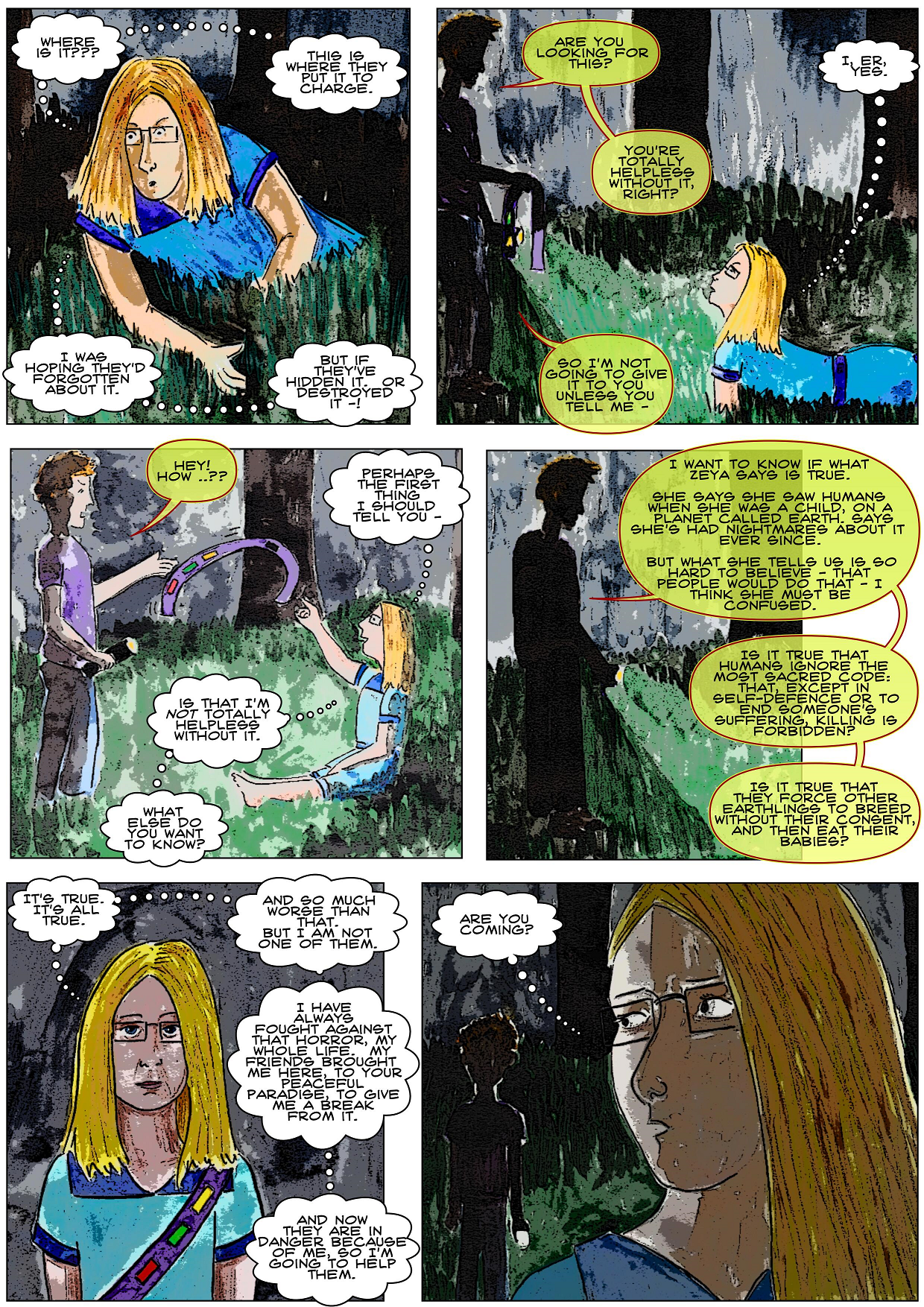
Yes! Megan’s back! Come back tomorrow to see what happens next! 😀
*****
This comic was created with ComicLife by Plasq 🙂
Violet’s Vegan Comics – creating funny, enlightening and sometimes action-packed vegan children’s books, poems and things to make & do, since 2012
Vegan science fiction comic for kids, Megan & Flos episode 7 continues from yesterday. For the story so far, click here 😀

My goodness! Come back tomorrow to see what happens next! 😀
*****
This comic was created with ComicLife by Plasq 🙂
Violet’s Vegan Comics – creating funny, enlightening and sometimes action-packed vegan children’s books, poems and things to make & do, since 2012
Vegan science fiction comic for kids, Megan & Flos episode 7 continues from yesterday. For the story so far, click here 😀

Fidem? Fidem!? Will Fidem respond in time? Come back tomorrow to find out 😉
*****
This comic was created with ComicLife by Plasq 🙂
Violet’s Vegan Comics – creating funny, enlightening and sometimes action-packed vegan children’s books, poems and things to make & do, since 2012
Vegan science fiction comic for kids, Megan & Flos episode 7 continues from Friday. For the story so far, click here 😀

Gasp! 😮 Come back tomorrow to see what happens next! 😀
*****
This comic was created with ComicLife by Plasq 🙂
Violet’s Vegan Comics – creating funny, enlightening and sometimes action-packed vegan children’s books, poems and things to make & do, since 2012
Vegan comic for kids, Megan & Flos episode 7 continues from yesterday. For the story so far, click here 😀
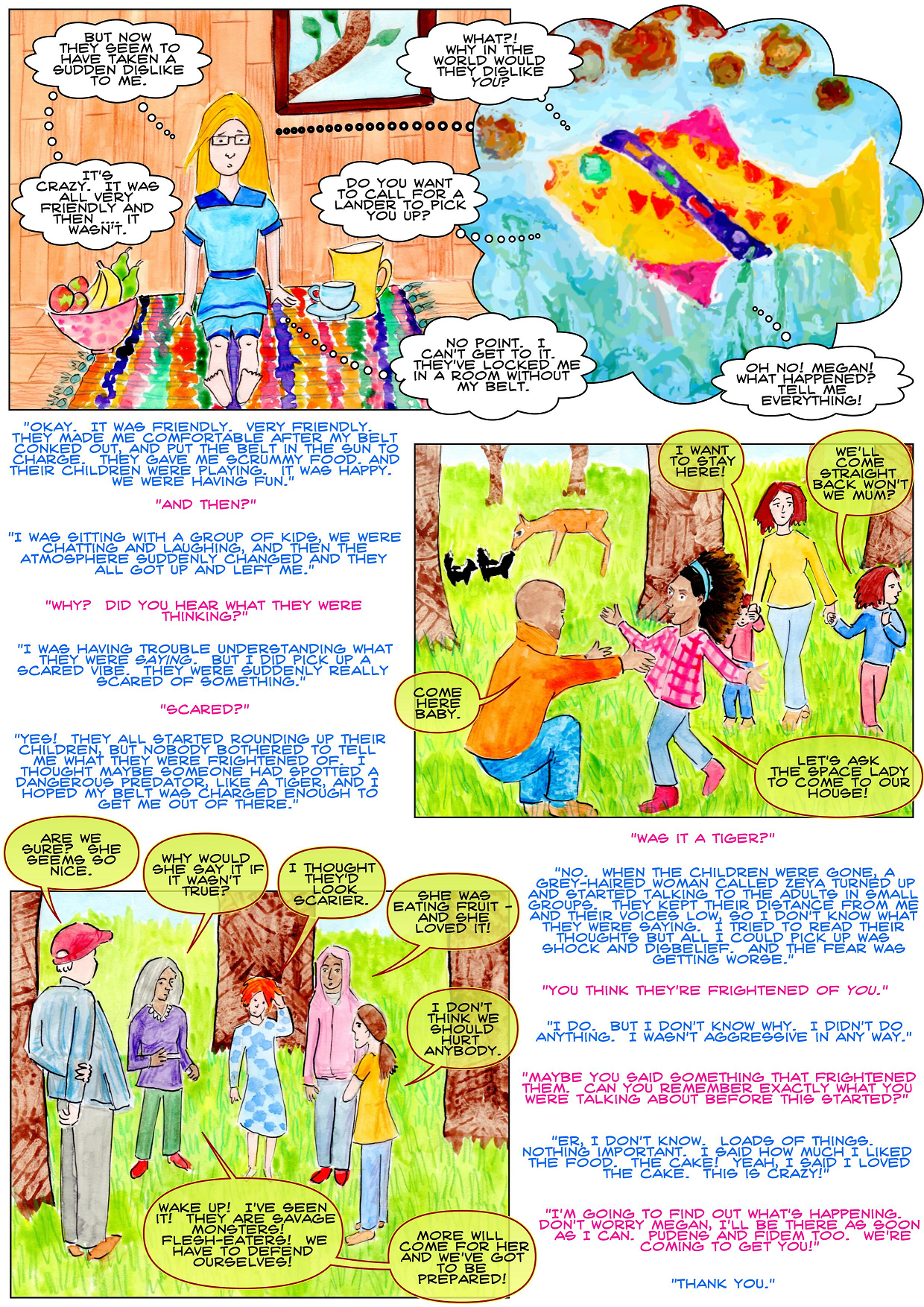
Gasp! 😮 Come back on Monday to find out what on Mitis is going on!
In the meantime, have a great weekend 😀
*****
This comic was created with ComicLife by Plasq 🙂
Violet’s Vegan Comics – creating funny, enlightening and sometimes action-packed vegan children’s books, poems and things to make & do, since 2012
Vegan comic for kids, Megan & Flos episode 7 continues from yesterday. For the story so far, click here 😀
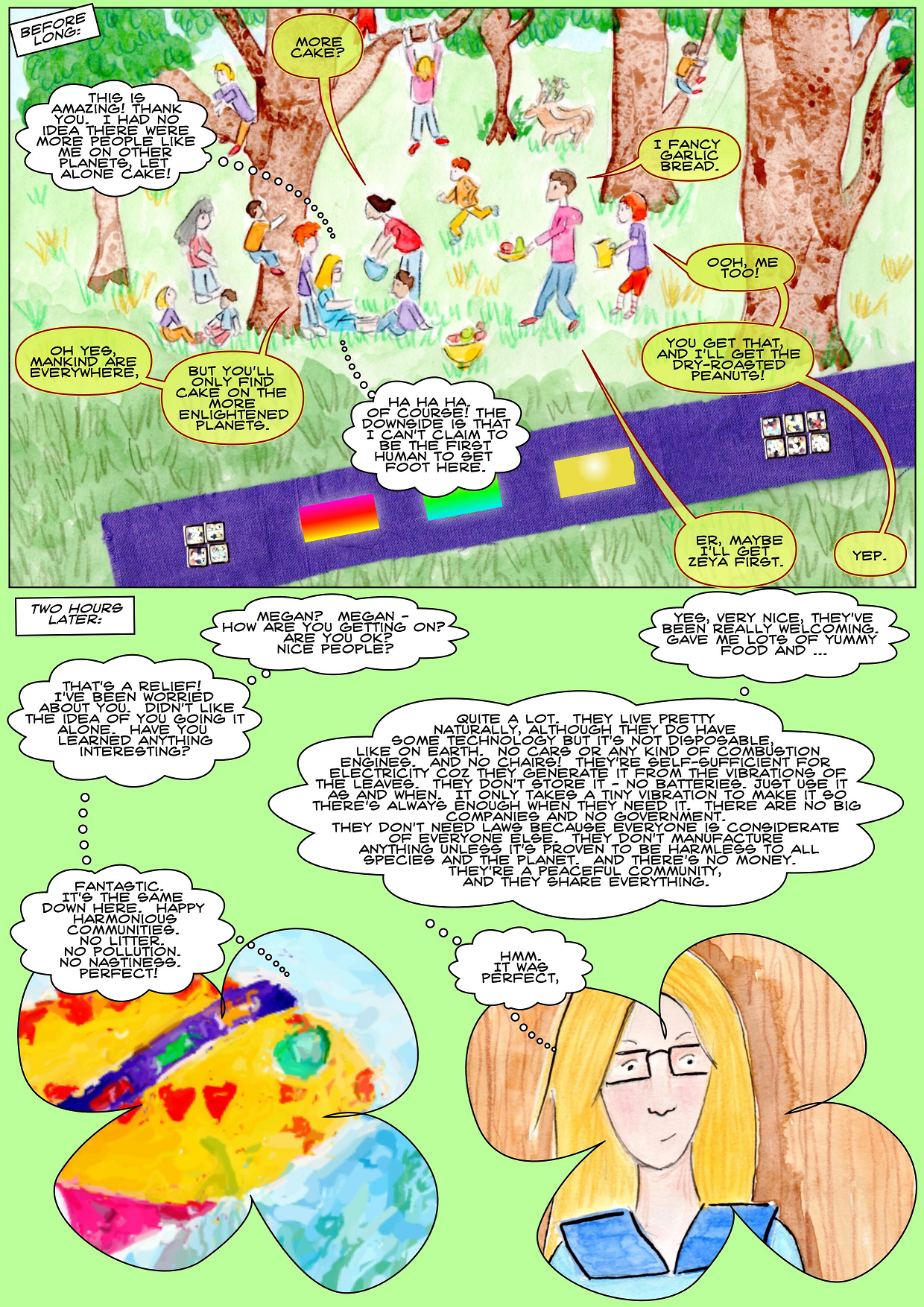
It’s not perfect now?! 😮 Come back tomorrow to find out why.
*****
This comic was created with ComicLife by Plasq 🙂
Violet’s Vegan Comics – creating funny, enlightening and sometimes action-packed vegan children’s books, poems and things to make & do, since 2012
Vegan comic for kids, Megan & Flos episode 7 continues from yesterday. For the story so far, click here 😀

So far so good. I wonder what will happen next. Come back tomorrow to find out! 😀
*****
This comic was created with ComicLife by Plasq 🙂
Violet’s Vegan Comics – creating funny, enlightening and sometimes action-packed vegan children’s books, poems and things to make & do, since 2012
Vegan comic for kids, Megan & Flos episode 7 continues from yesterday. For the story so far, click here 😀
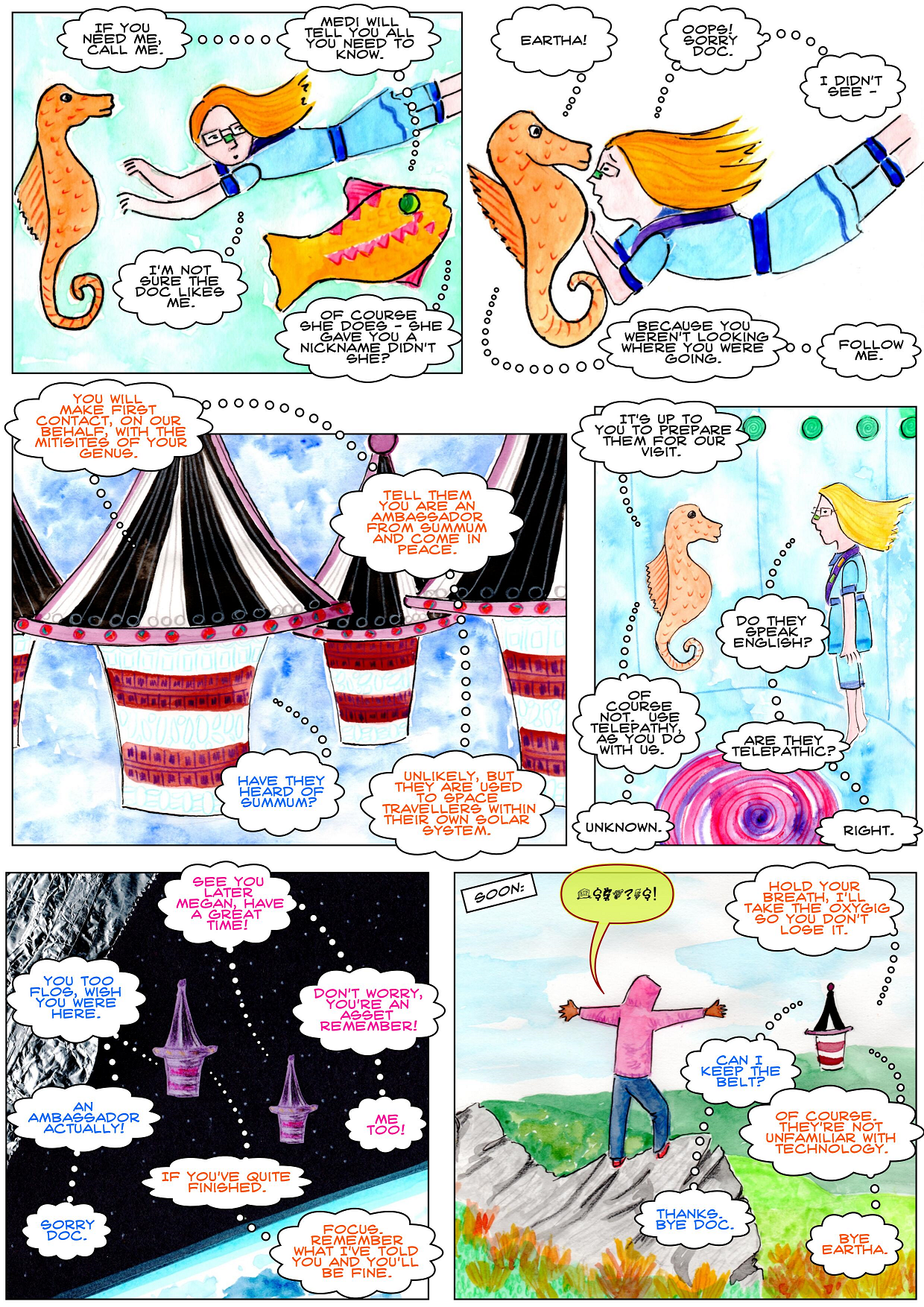
Uh oh 😮 Anyone speak gobbledygook? Come back tomorrow to see if Megan can make sense of it all 😀
*****
This comic was created with ComicLife by Plasq 🙂
Violet’s Vegan Comics – creating funny, enlightening and sometimes action-packed vegan children’s books, poems and things to make & do, since 2012
Vegan comic for kids, Megan & Flos episode 7 continues from Friday. For previous episodes, click here 😀
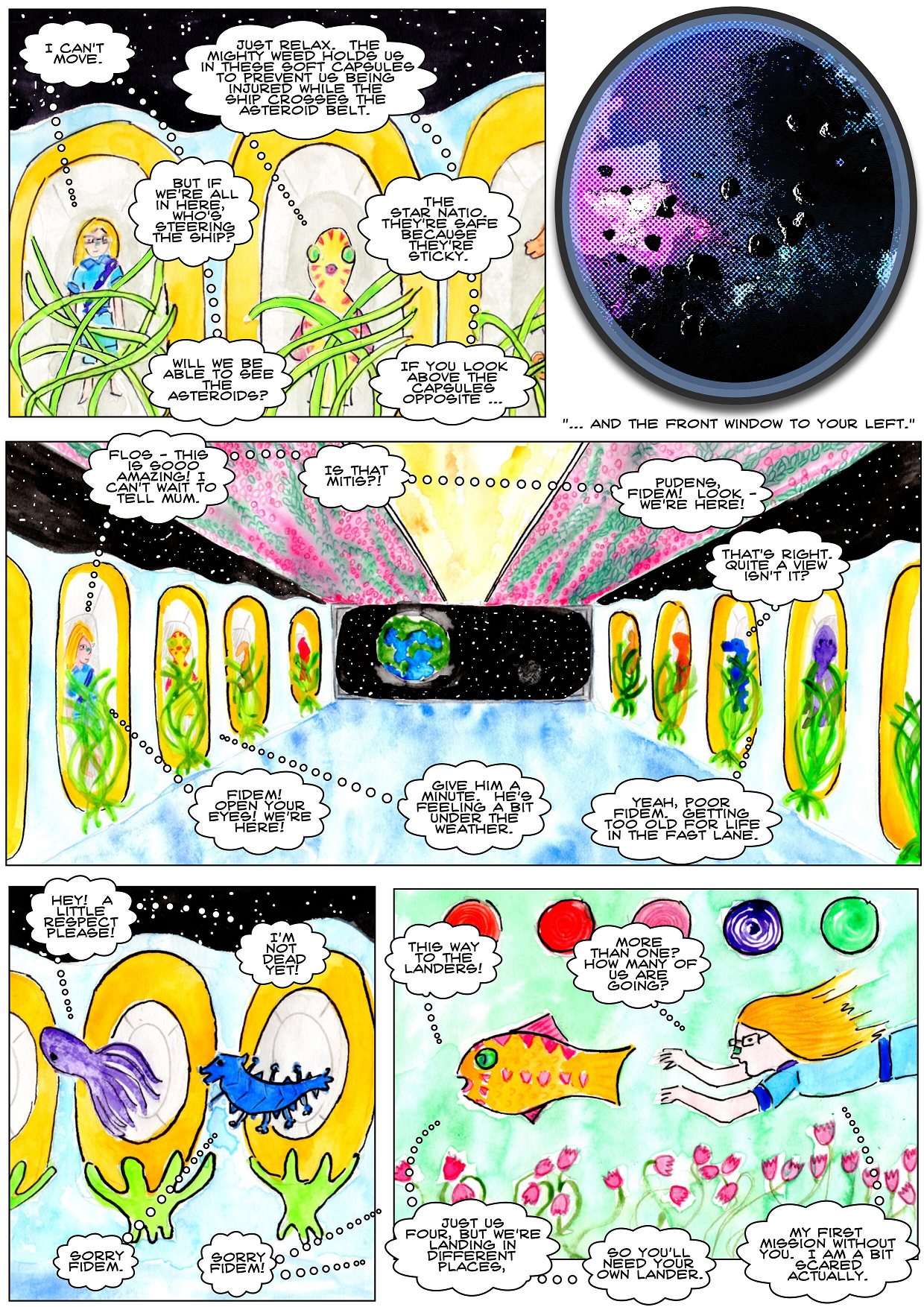
Mitis at last. Come back tomorrow to see what it’s like on the ground 😀
*****
This comic was created with ComicLife by Plasq 🙂
Violet’s Vegan Comics – creating funny, enlightening and sometimes action-packed vegan children’s books, poems and things to make & do, since 2012
Vegan comic for kids, Megan & Flos episode 7 continues from yesterday. For previous episodes, click here 😀

Ooh, looks like it’s gonna be a bumpy ride. Come back on Monday to see who’s left standing, if anybody. 😀
Have a great weekend!
*****
This comic was created with ComicLife by Plasq 🙂
Violet’s Vegan Comics – creating funny, enlightening and sometimes action-packed vegan children’s books, poems and things to make & do, since 2012
Vegan superhero comic for kids – Venus Aqueous episode 6 continues from last week:
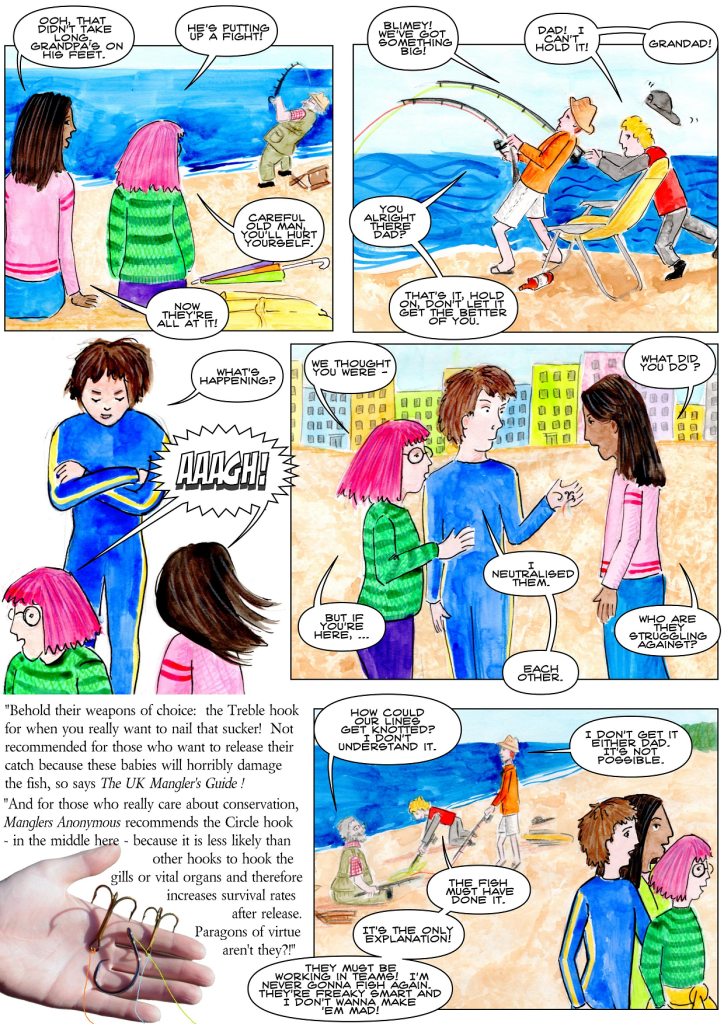
And that’s the end of Venus Aqueous #6, but don’t go far because there’ll be more great new vegan comics here soon!
If you missed the beginning of this story, you can read it all here 😀
See ya! 😀
******
This comic was created with Comic Life by Plasq
******
Violet’s Vegan Comics – making funny, exciting and sometimes action-packed vegan storybooks for readers of all ages, since 2012.
Vegan superhero comic for kids – Venus Aqueous episode 6 continues from yesterday:

I know I am.
Stay tuned for the concluding instalment of Venus Aqueous #6 next week.
If you missed the beginning of this story, you can read it all here 😀
Have a great weekend! 😀
******
This comic was created with Comic Life by Plasq
******
Violet’s Vegan Comics – making funny, exciting and sometimes action-packed vegan storybooks for readers of all ages, since 2012.
Vegan superhero comic for kids – Venus Aqueous episode 6 continues from Tuesday:
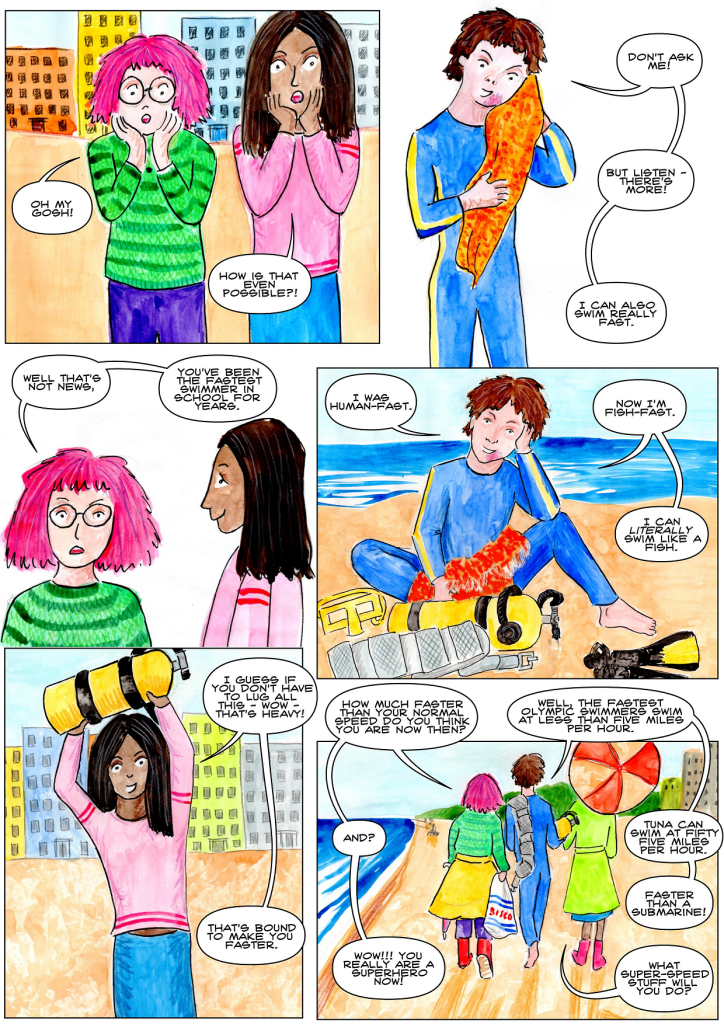
What will she do with her super-speed?
Stay tuned for the next exciting instalment of Venus Aqueous #6 at the same time tomorrow!
If you missed the beginning of this story, you can read it all here 😀
******
This comic was created with Comic Life by Plasq
******
Violet’s Vegan Comics – making funny, exciting and sometimes action-packed vegan storybooks for readers of all ages, since 2012.
Vegan superhero comic for kids – Venus Aqueous episode 6 continues from yesterday:

Unbelievable!
If you missed the beginning of this story, you can read it all here 😀
Stay tuned for the next exciting instalment of Venus Aqueous #6: Breathe 😉 Coming soon!
******
Violet’s Vegan Comics – making funny, exciting and sometimes action-packed vegan storybooks for readers of all ages, since 2012.
We hope you had a great weekend 😀 Let’s get back to the story! Vegan superhero comic for kids – Venus Aqueous episode 6 continues from Friday:
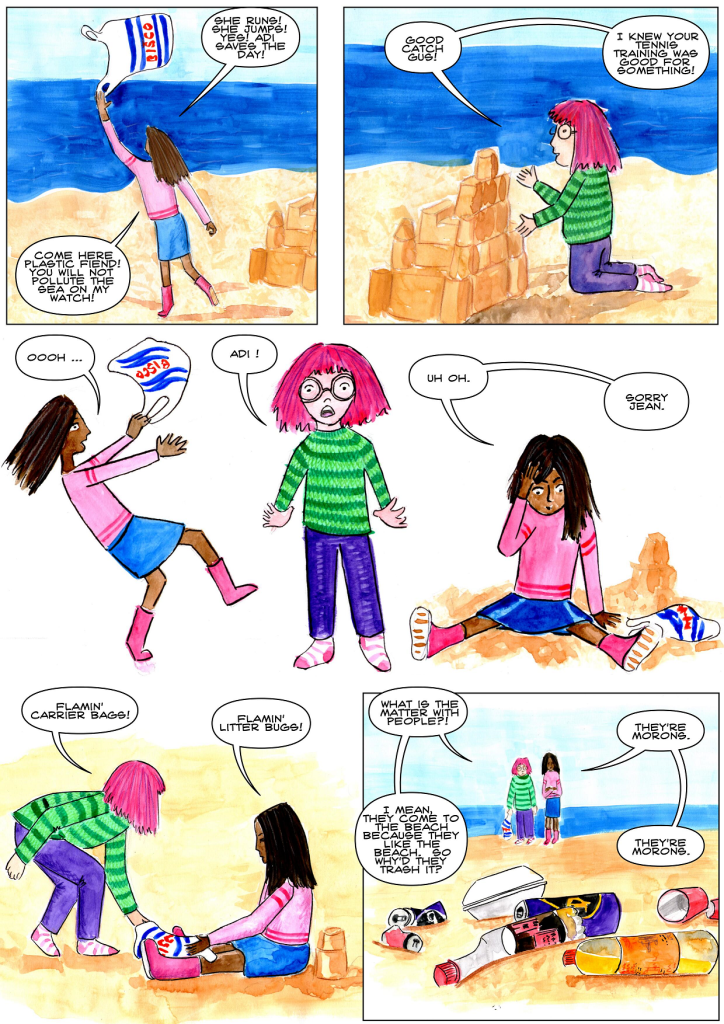
What a mess! And what about Venus? Find out tomorrow.
Or if you don’t want to wait, you can find out now 😀
******
Violet’s Vegan Comics – making funny, exciting and sometimes action-packed vegan storybooks for readers of all ages, since 2012.
Vegan superhero comic for kids – Venus Aqueous episode 6 continues from yesterday:

My goodness! What does this mean? Find out on Monday.
Or if you don’t want to wait, you can find out now 😀
Have a great weekend ❤
******
Violet’s Vegan Comics – making funny, exciting and sometimes action-packed vegan storybooks for readers of all ages, since 2012.
Vegan superhero comic for kids – Venus Aqueous episode 6 continues from yesterday:

Gasp! Will Venus wake up?! Will Adi be impressed with Jean’s sandcastle? It’s anybody’s guess – come back tomorrow to find out.
Or if you don’t want to wait, you can find out now 😀
******
Violet’s Vegan Comics – making funny, exciting and sometimes action-packed vegan storybooks for readers of all ages, since 2012.
Vegan superhero comic for kids – Venus Aqueous episode 6 continues from yesterday:
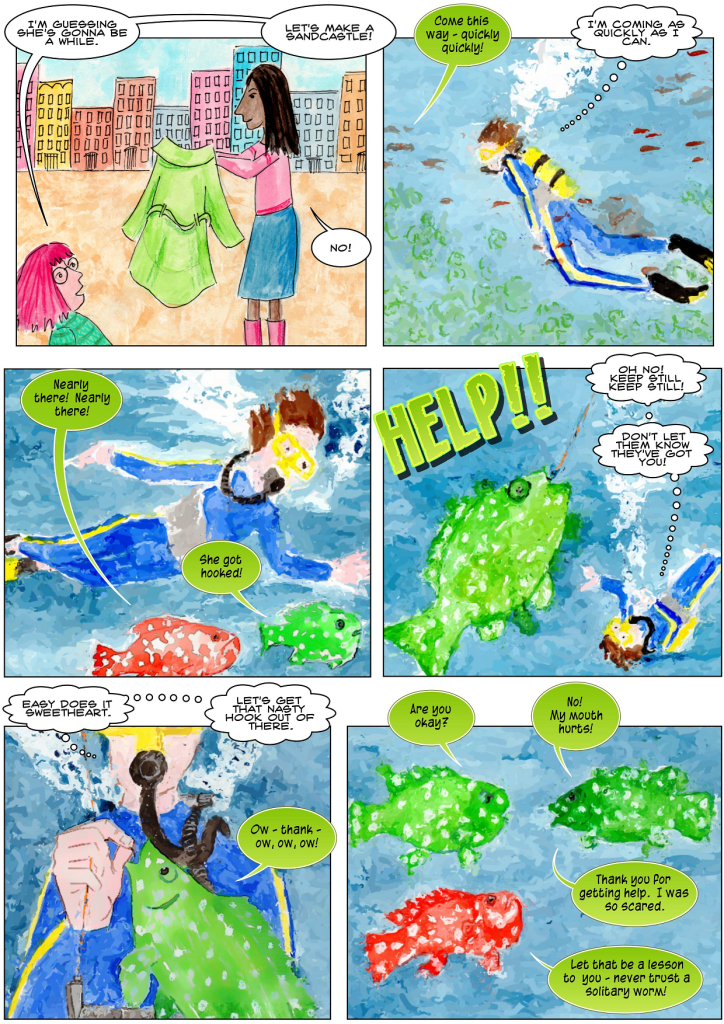
Well done Venus! Oh, now where did she go? Find out tomorrow!
Or if you don’t want to wait, you can find out now 😀
******
Violet’s Vegan Comics – making funny, exciting and sometimes action-packed vegan storybooks for readers of all ages, since 2012.
A message from Crustacean Compassion:

“Today is World Animal Free Research Day. This day highlights the importance of developing animal-free research techniques and protecting animals during scientific studies.
Decapods in Science
Decapods, like crabs and lobsters, are used in science, but because they aren’t protected by laws that monitor experiments, there’s currently no way of ensuring their welfare in labs. They could be used for any experiment, as well as being handled and kept in ways that are harmful to their wellbeing.
We’re working to change this.

Science in Legislation
A law exists called ‘Animals (Scientific Procedures) Act’, also referred to as ‘ASPA’. This piece of legislation regulates the use of animals in science to ensure welfare is considered. Studies using animals that are protected by this law must justify why they are conducting that study, and how they are respecting the welfare of the animals used. It also means the number of animals used must be reported, so there are records to gauge the scale of the issue.
Now that their sentience has been officially recognised, we’re calling for decapods to be added to this law so that they are protected in the same way as other animals during experiments. One of the first things we’ll be doing is arranging a meeting with the Home Office to discuss expanding ASPA to cover decapods too.
We also published a press release with the RSPCA on World Day for Laboratory Animals, calling for the protection of decapods in science. The story was covered by The Guardian and Independent, and Animal Journal.
Make sure to keep up to date with the campaign to see our next steps in getting decapods protected in laws such as ASPA.
Thank you for your continued support.
Claire, Jules, Laura, Ann, Russell, Jane
Crustacean Compassion”
***
“I believe I am not interested to know whether Vivisection
produces results that are profitable to the human race or doesn’t.
To know that the results are profitable to the race would not
remove my hostility to it. The pains which it inflicts upon
unconsenting animals is the basis of my enmity towards it,
and it is to me sufficient justification of the enmity
without looking further.”
Mark Twain
in a letter to the London Anti-Vivisection Society,
May 26, 1899
Stop lobsters, crabs and other shellfish being boiled alive by uploading a selfie to show the government you support Crustacean Compassion’s campaign.
The government is still undecided about including crustaceans in the new Sentience Bill, so please, no matter where you’re from, upload a selfie to tell the British government to do the right thing. This is an opportunity we’ve never had before. Thanks to Crustacean Compassion we are closer than ever to getting some protection for these horrifically abused animals. Don’t let it slip through our fingers. Add your picture to Crustacean Compassion’s selfie wall now!
And don’t forget to share! ❤ xx

Thank you.
***************************************************************
vegan, animals, animal rights, animal welfare, animal protection, marine animals, lobsters, crabs, crustaceans, molluscs,

Photo by David Mark of Pixabay
Basking Sharks are so named because they’re often seen feeding at the surface of the water where they look like they’re basking in the sun! They are enormous and often spotted in UK waters during summer months.
APPEARANCE:
Apart from their large size, Basking Sharks have:
COLOUR:
They tend to be greyish-brown with a lighter underbelly. Often they have irregular patches, patterns and streaks on their flanks and fins. Using photo-ID we can use these distinct markings to identify individual Basking Sharks.
SIZE:
The largest reported Basking Shark was 12m long. But most don’t get bigger than 9.8m.
WEIGHT:
The average Basking Shark weighs 4.5 tonnes. Yet, they can weigh up to 7 tonnes!
DIET:
Basking Sharks eat zooplankton. This includes small copepods, barnacles, decapod larvae, fish eggs and shrimp. They’re one of 3 filter-feeding sharks but are the only species that feeds entirely passively. They swim through the water with their mouth wide open, rather than actively sucking water in. Only closing their mouths to swallow their food. Long comb-like structures on their gills (known as gill-rakers) trap and filter zooplankton. These can strain up to 2000 tonnes of water per hour!
REPRODUCTION:
It’s thought that Basking Sharks live for at least 50 years. Males reach maturity at 12–16 years. And females at 20 years (around 4.6-6.1m in length).
Females produce eggs, which develop and hatch inside their body. They then give birth to fully developed young, which are around 1–1.7m long. This makes Basking Shark pups larger at birth than many species of shark are fully grown!
There’s little data on Basking Shark reproduction. But pregnancy is thought to last around 14 months. There’s only ever been one reported catch of a pregnant female (1943), who was carrying 6 pups. This suggests that Basking Sharks give birth in areas of low, or no fishing pressure.
BEHAVIOUR:
Basking Sharks are quite social. They can be seen on their own, in small groups, or, schools of hundreds. There are many reports of same size and sex groups. Suggesting a strong sexual and age segregation within the species.
Despite their size, Basking Sharks are capable of leaping clear out of the water. A behaviour known as breaching. They seem to breach most when in large groups and during courtship, so this may act as a social or sexual function. It could also help to dislodge external parasites.
Info from sharktrust.org/about-basking-sharks
Basking Sharks are long lived, slow growing and produce few young. This makes them extremely vulnerable to human impacts. Although Basking Sharks are now one of the most heavily protected sharks in UK and EU waters, they continue to face threats from human activities:
ENTANGLEMENT
Basking Sharks easily become entangled in fishing nets and ropes. Unless fishermen are on hand to quickly release them, they often die. Although some do manage to disentangle themselves. You can sometimes see scarring and abrasions caused by nets on their dorsal fin.
BOAT-STRIKE
Propeller and boat strikes remain a serious danger for Basking Sharks. Particularly in summer months when they’re feeding at the surface. Basking Sharks rarely evade approaching boats. So it’s common for them to have scarring and sometimes horrific injuries from collisions.
HARASSMENT
Basking Sharks are very sensitive to disturbance and harassment by people. In all the excitement of seeing Basking Sharks, boats and jet-ski’s often end up striking them. As well as causing physical harm, water-users can also disrupt their natural behaviour. Such as feeding, courting and mating.
FISHERIES
Basking Shark fisheries worldwide have all but collapsed. Although in some parts of the world they continue, driven by demand for shark fins. Basking Sharks are also still caught as bycatch in nets intended for other species.
Info from sharktrust.org/basking-shark-threats
To learn how you can help basking sharks go to sharktrust.org/how-can-you-help-basking-sharks
***************************************
Story continues from yesterday:
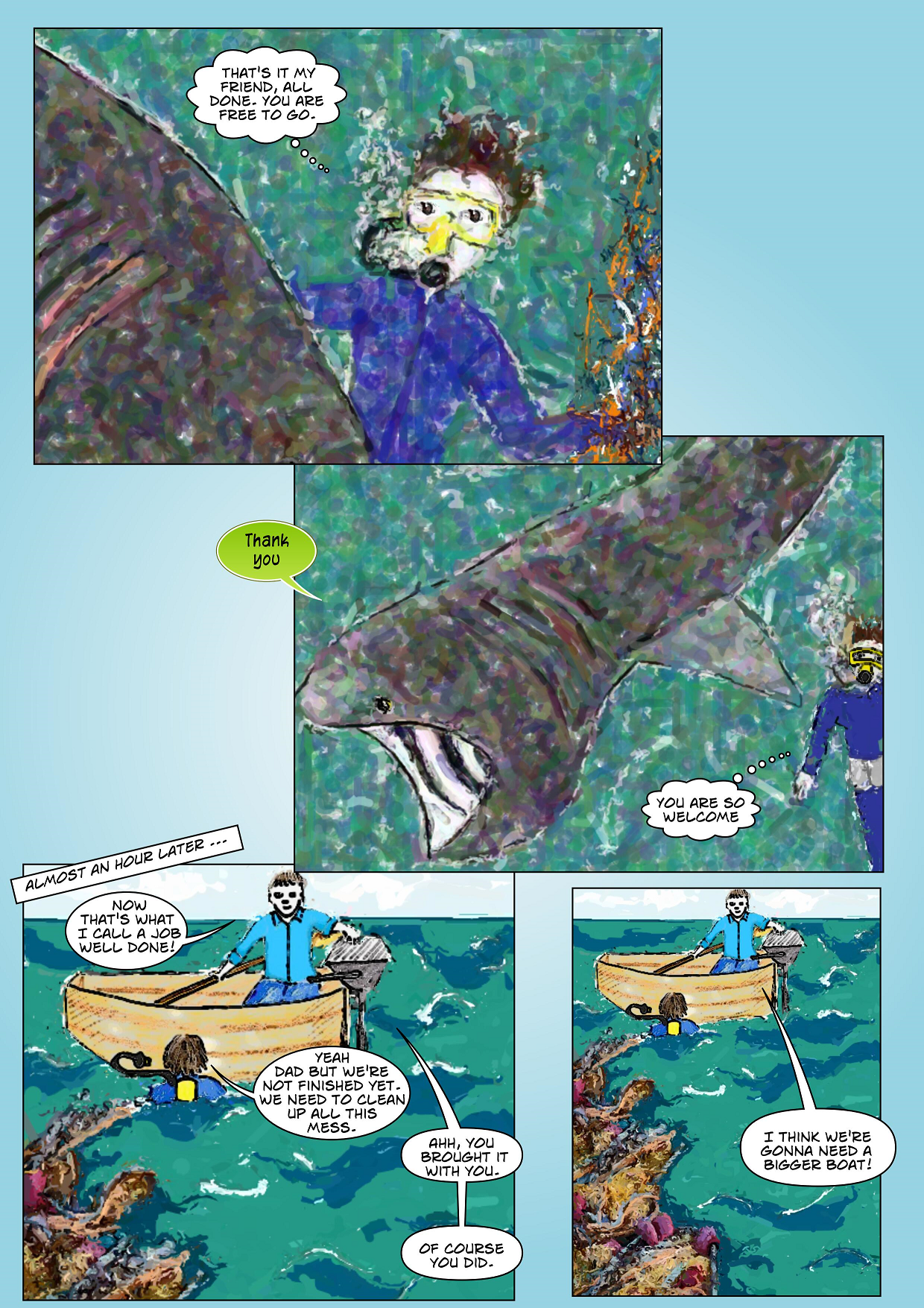
Yay Venus! She saved the day again!
If you want to know what she did next, go to episode 4
If you want to know what she did before this, go to the Venus Aqueous page 😀
Have a great day, see you tomorrow ❤
******************************
vegan, vegan children, vegan children’s story, vegan comic, children’s comic, animals, marine animals, veggie kids, basking sharks, jet skis, fishing, fishing nets, ghost nets, marine pollution
Story continues from yesterday

Phew! Thank goodness for that. Find out tomorrow whether Venus can save the basking shark😀
****************************************
vegan, vegan children, vegan children’s story, vegan comic, children’s comic, animals, marine animals, veggie kids, basking sharks, jet skis
Story continues from yesterday 🙂 
Oh no! Find out tomorrow how Venus and her dad cope with these idiots 😀 (or read the whole story now 😉 )
****************************************
vegan, vegan children, vegan children’s story, vegan comic, children’s comic, animals, marine animals, veggie kids, basking sharks,
Story continues from last week 😀

What’s going on? Find out tomorrow 😀 (or read the whole story now 😉 )
****************************************
vegan, vegan children, vegan children’s story, vegan comic, children’s comic, animals, marine animals, veggie kids
Story continues from yesterday.
To enlarge images for easier reading, use the zoom in your browser 🙂
***************************
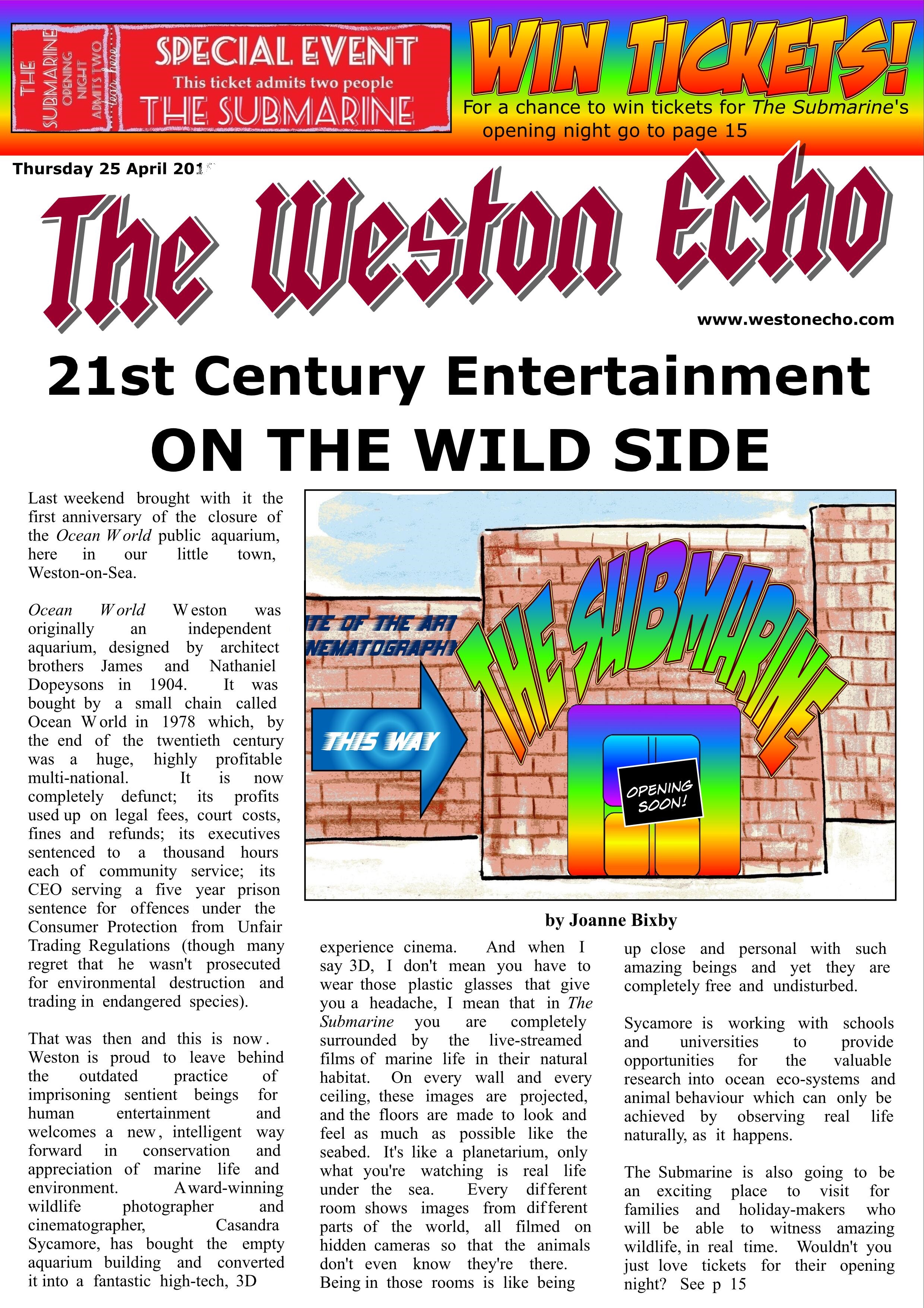
That’s it for Venus Aqueous #5
Have a great weekend 😀
********************************************
vegan, vegetarian, animals, fish, marine animals, children, children’s story, comics, children’s comics, vegan comics, vegan children’s story, animal rights, conservation, activism
Story continues from yesterday.
To enlarge images for easier reading, use the zoom in your browser 🙂

Continues tomorrow but if you don’t want to wait, click Venus #5 now 😀
************************************************
vegan, vegetarian, animals, fish, marine animals, children, children’s story, comics, children’s comics, vegan comics, vegan children’s story, animal rights, conservation, activism
Story continues from yesterday.
To enlarge images for easier reading, use the zoom in your browser 🙂
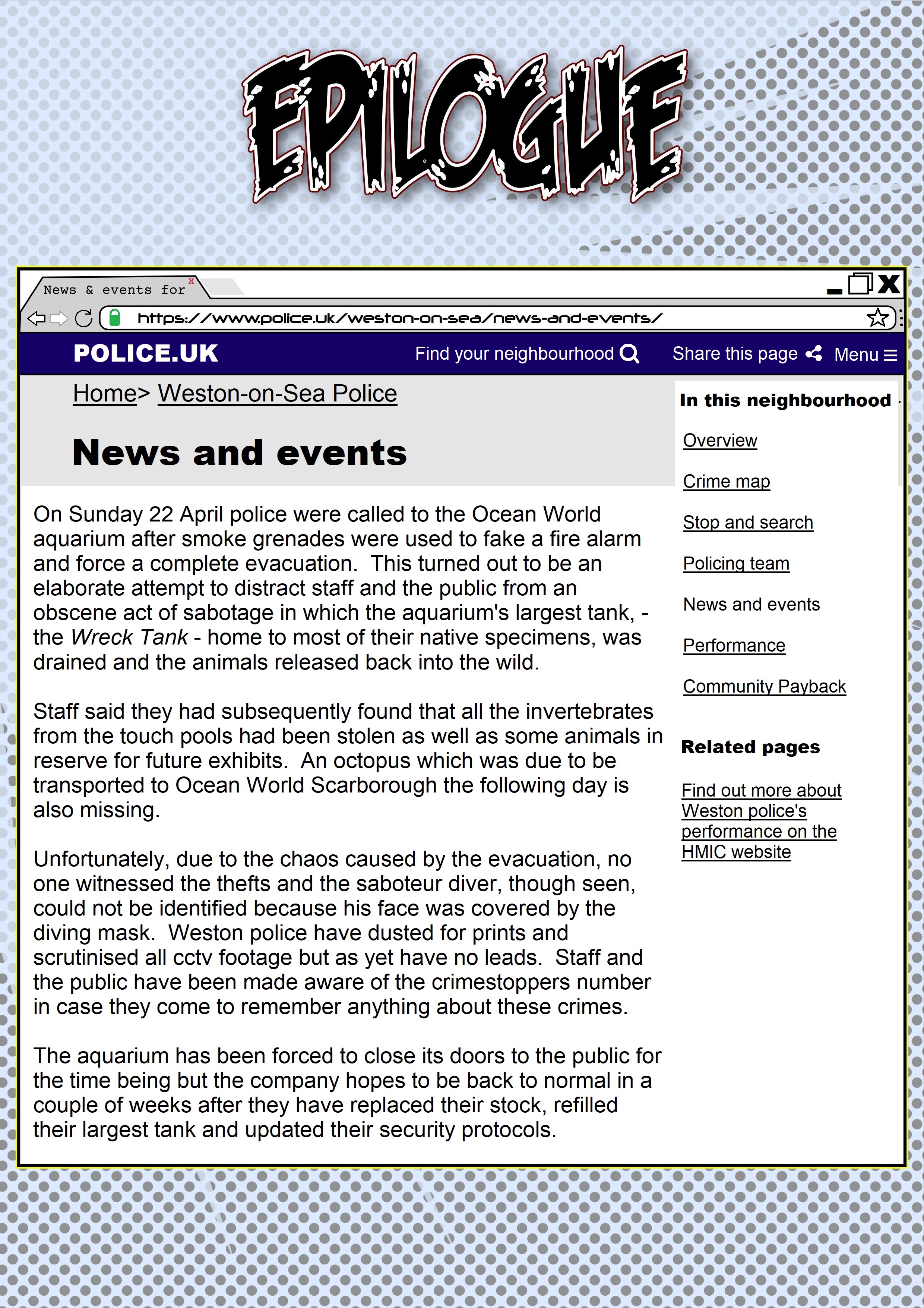

Continues tomorrow but if you don’t want to wait, click Venus #5 now 😀
************************************************
vegan, vegetarian, animals, fish, marine animals, children, children’s story, comics, children’s comics, vegan comics, vegan children’s story, animal rights, conservation, activism
Story continues from yesterday.
To enlarge images for easier reading, use the zoom in your browser 🙂
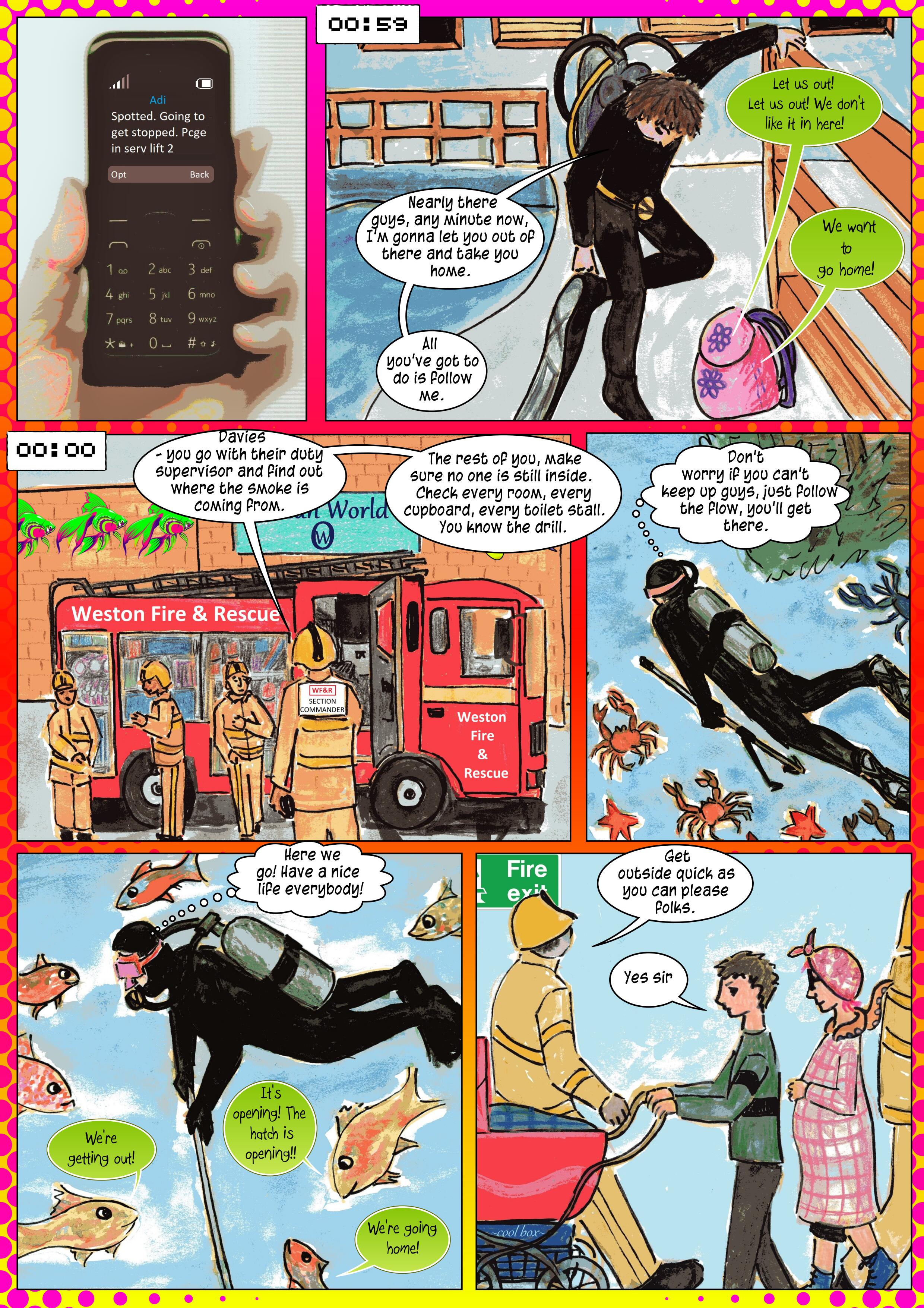


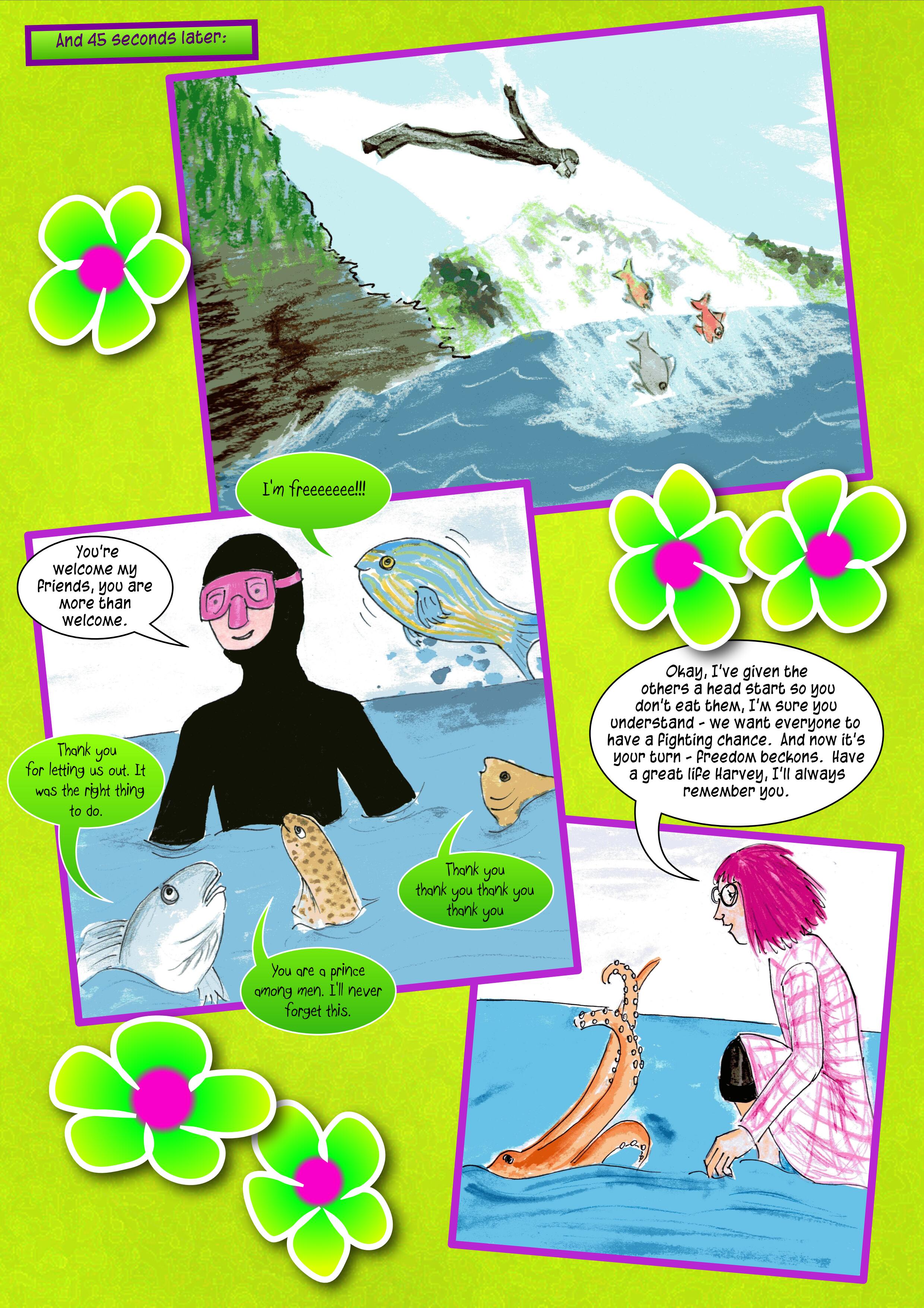
Story continues tomorrow but if you don’t want to wait, click Venus #5 now 😀
************************************************
vegan, vegetarian, animals, fish, marine animals, children, children’s story, comics, children’s comics, vegan comics, vegan children’s story, animal rights, conservation, activism
Story continues from Friday.
To enlarge images for easier reading, use the zoom in your browser 🙂
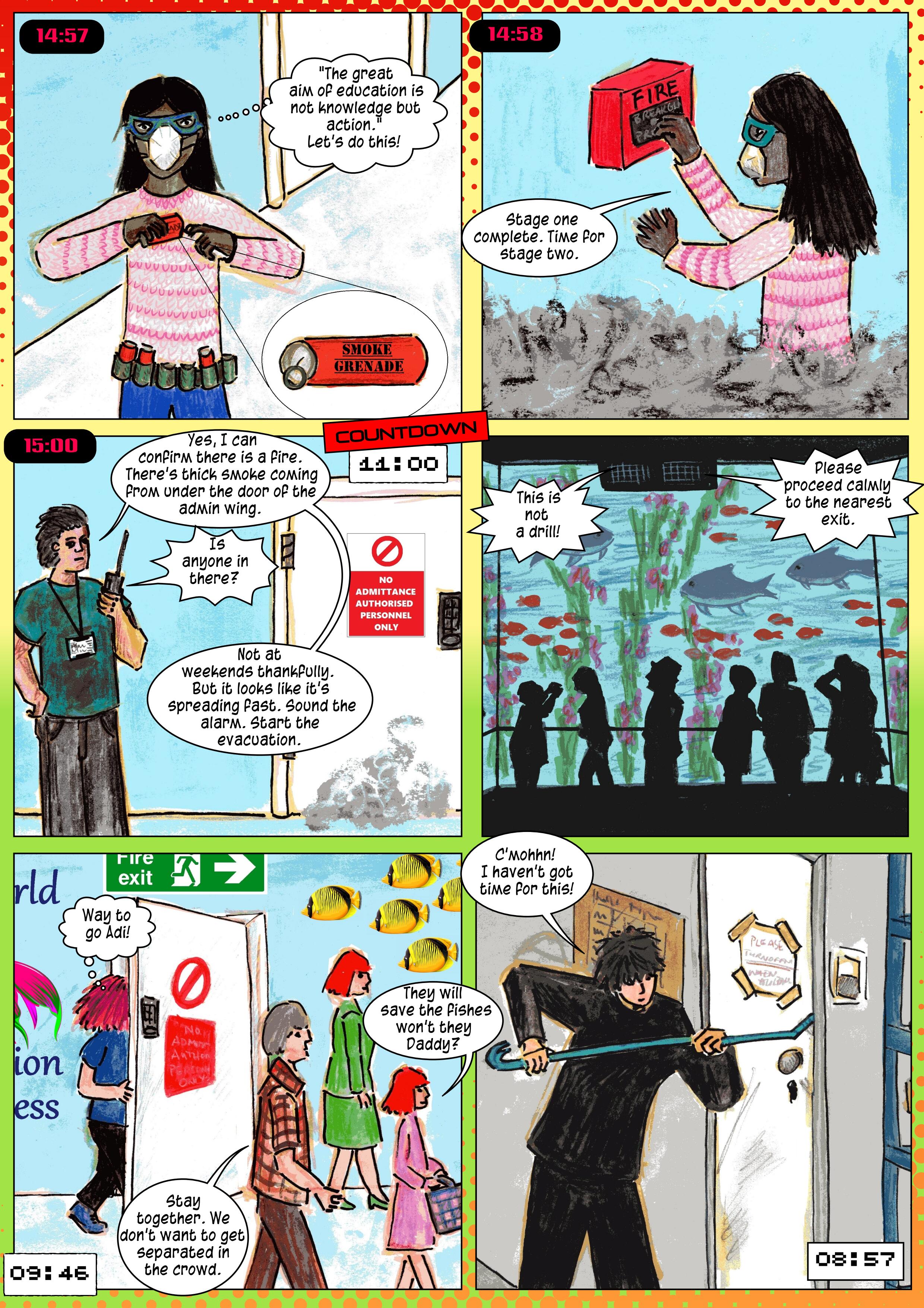

Story continues tomorrow but if you don’t want to wait, click Venus #5 now 😀
************************************************
vegan, vegetarian, animals, fish, marine animals, children, children’s story, comics, children’s comics, vegan comics, vegan children’s story, animal rights, conservation, activism
Story continues from yesterday.
To enlarge images for easier reading, use the zoom in your browser 🙂

The story concludes next week but if you don’t want to wait, click Venus #5 now 😀
Have a great weekend!
************************************************
vegan, vegetarian, animals, fish, marine animals, children, children’s story, comics, children’s comics, vegan comics, vegan children’s story, animal rights, conservation, activism
Story continues from yesterday.
To enlarge images for easier reading, use the zoom in your browser 🙂
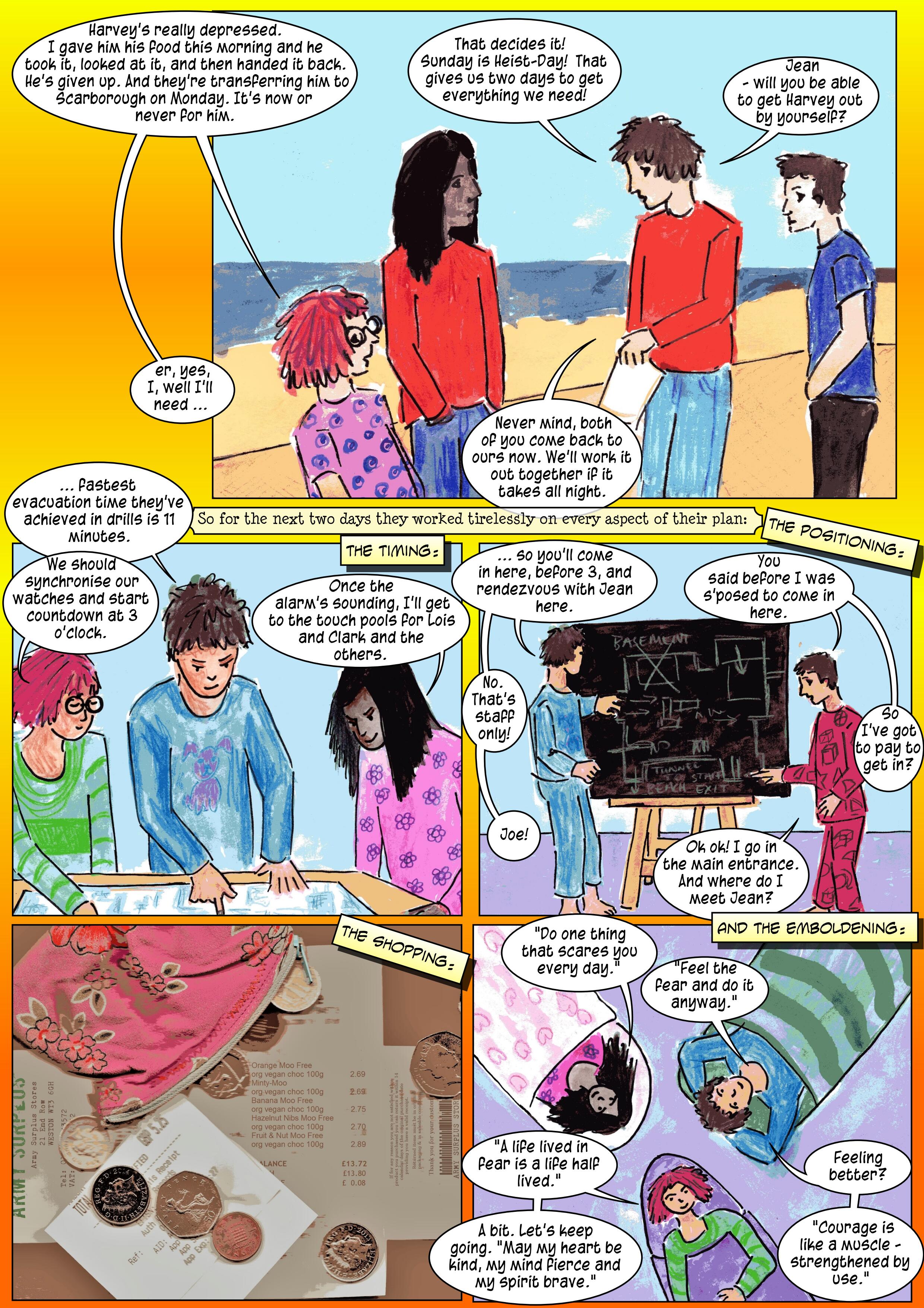
Story continues tomorrow but if you don’t want to wait, click Venus #5 now 😀
*************************************
vegan, vegetarian, animals, fish, marine animals, children, children’s story, comics, children’s comics, vegan comics, vegan children’s story, animal rights, conservation, activism
Story continues from yesterday.
To enlarge images for easier reading, use the zoom in your browser 🙂


Story continues tomorrow but if you don’t want to wait, click Venus #5 now 😀
*************************************
vegan, vegetarian, animals, fish, marine animals, children, children’s story, comics, children’s comics, vegan comics, vegan children’s story, animal rights, conservation, activism
Story continues from yesterday.
To enlarge images for easier reading, use the zoom in your browser 🙂
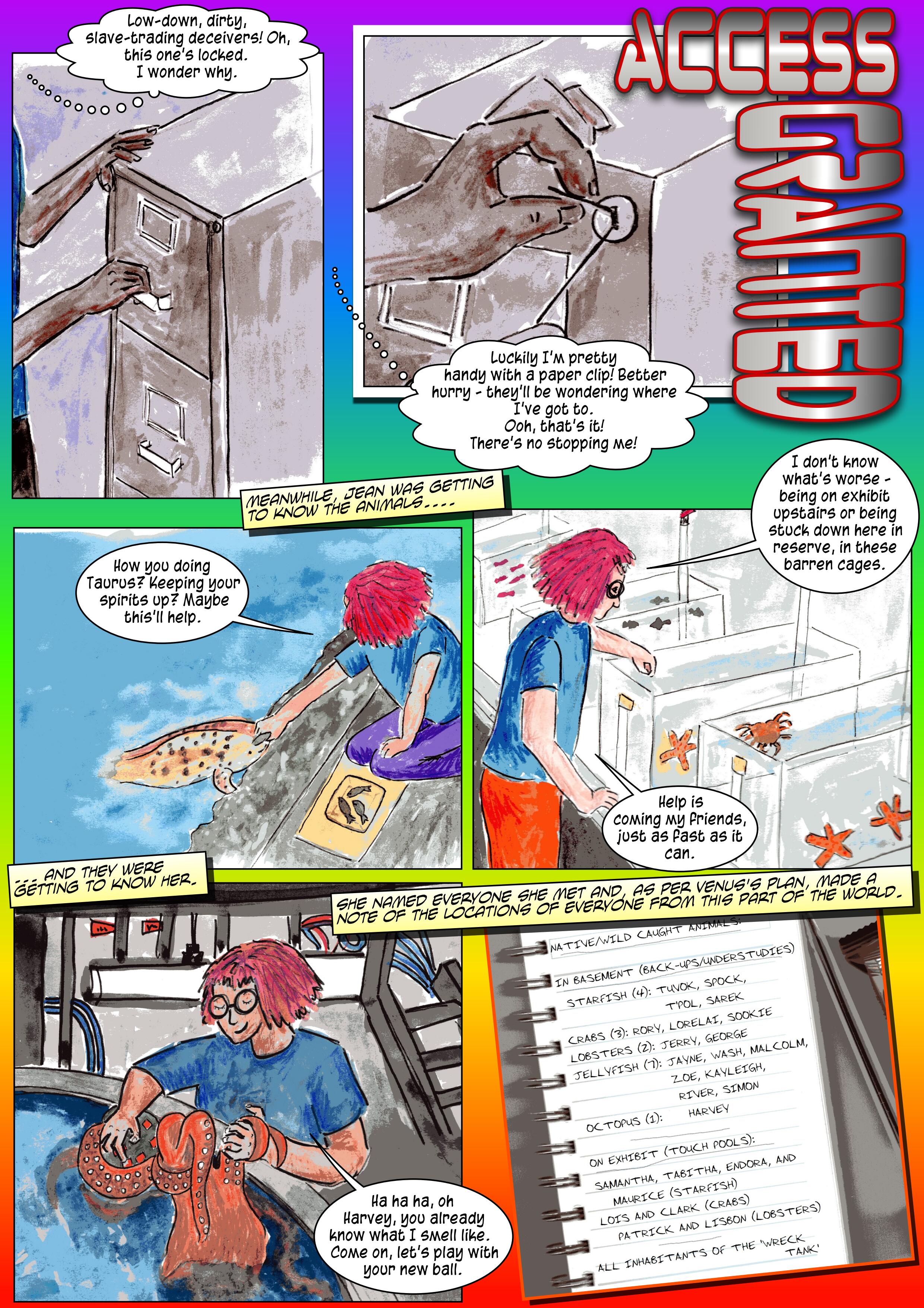

Story continues tomorrow but if you don’t want to wait, click Venus #5 now 😀
*************************************
vegan, vegetarian, animals, fish, marine animals, children, children’s story, comics, children’s comics, vegan comics, vegan children’s story, animal rights, conservation, activism
Story continues from Friday.
To enlarge images for easier reading, use the zoom in your browser 🙂


Story continues tomorrow but if you don’t want to wait, click Venus #5 now 😀
*************************************
vegan, vegetarian, animals, fish, marine animals, children, children’s story, comics, children’s comics, vegan comics, vegan children’s story, animal rights, conservation, activism
Story continues from yesterday.
To enlarge images for easier reading, use the zoom in your browser 🙂


Story continues Monday but if you don’t want to wait, click Venus #5 now 😀
Have a great weekend! 😀
*************************************
vegan, vegetarian, animals, fish, marine animals, children, children’s story, comics, children’s comics, vegan comics, vegan children’s story, animal rights, conservation, activism
Story continues from yesterday.
To enlarge images for easier reading, use the zoom in your browser 🙂


Story continues tomorrow but if you want to read the whole story now, click Venus #5 😀
*************************************
vegan, vegetarian, animals, marine animals, children, children’s story, comics, children’s comics, vegan comics, vegan children’s story, animal rights, conservation
Story continues from yesterday.
To enlarge images for easier reading, use the zoom in your browser 🙂


Story continues tomorrow but if you want to read the whole story now, click Venus #5 😀
*************************************
vegan, vegetarian, animals, marine animals, children, children’s story, comics, children’s comics, vegan comics, vegan children’s story, animal rights, conservation
Venus Aqueous episode 5 has been given the Comic Life treatment 😀
Instalments begin here.
To enlarge images for easier reading, use the zoom in your browser 🙂


Story continues tomorrow but if you want to read the whole story now, click Venus #5 😀
*************************************
vegan, vegetarian, animals, marine animals, children, children’s story, comics, children’s comics, vegan comics, vegan children’s story, animal rights
For the story so far click here 🙂

click to enlarge
The End 🙂
***************************
vegan comic, vegan comic for children, children’s story, vegan children’s story, vegetarian, vegan, vegan superhero, aquariums, public aquariums, fish, captive animals, crustaceans, invertebrates, marine animals, children’s adventure story, aquarium heist, aquarium corruption, illustration, art, watercolour, comics, children’s comics,
For the story so far click here 🙂

click to enlarge
concludes tomorrow 🙂
****************************
vegan comic, vegan comic for children, children’s story, vegan children’s story, vegetarian, vegan, vegan superhero, aquariums, public aquariums, fish, captive animals, crustaceans, invertebrates, marine animals, children’s adventure story, aquarium heist, aquarium corruption, illustration, art, watercolour, comics, children’s comics,
For the story so far click here 🙂

click to enlarge
to be continued …
**********************
vegan comic, vegan comic for children, children’s story, vegan children’s story, vegetarian, vegan, vegan superhero, aquariums, public aquariums, fish, captive animals, crustaceans, invertebrates, marine animals, children’s adventure story, aquarium heist, aquarium corruption, illustration, art, watercolour, comics, children’s comics,
For the story so far click here 🙂

click to enlarge
to be continued …
*****************
vegan comic, vegan comic for children, children’s story, vegan children’s story, vegetarian, vegan, vegan superhero, aquariums, public aquariums, fish, captive animals, crustaceans, invertebrates, marine animals, children’s adventure story, aquarium heist, aquarium corruption, illustration, art, watercolour, comics, children’s comics,
For the story so far click here 🙂


And 47 seconds later ….

to be continued …
********************
vegan comic, vegan comic for children, children’s story, vegan children’s story, vegetarian, vegan, vegan superhero, aquariums, public aquariums, fish, captive animals, crustaceans, invertebrates, marine animals, children’s adventure story, aquarium heist, aquarium corruption, illustration, art, watercolour, comics, children’s comics,
 Violet's Vegan Comics