M is for Mackerel

Mackerel    noun

Oxford Dictionary definition:  Edible sea fish.

Our definition:  The Atlantic mackerel (Scomber scombrus) is a beautifully streamlined, fast-swimming fish. It has silver underparts and metallic green and blue upper parts with irregular bands along the back.

Click the Mms for the rest of the M Words

Click the Mms for the rest of the M Words

And check out the Vegan Dictionary in the sidebar for words beginning with other letters, defined in a way that doesn’t normalise animal exploitation and degradation.

Think To Question

K is for Kid

I is for Inhuman

i

Working on the vegan dictionary continues to be a very educational experience.  Finding words which are defined in a way that normalises animal exploitation, (such as animals being described simply in terms of how they taste or how they are used by humans; or horrible, violent practices described in a brief, matter-of-fact way as if they are perfectly normal and inoffensive) and then redefining them so that they tell the whole story, good or bad.  I’m finding out a lot of very interesting facts about animals I previously knew nothing about, as well as a lot of very upsetting things which are hidden from the general population in order to preserve the status quo.

Today I was leafing through the i section of the dictionary and, unusually, finding nothing that needed redefining …. until I reached inhuman, described thus in the Oxford Dictionary:

adjective:    brutal; unfeeling; barbarous

And the synonyms for inhuman, given in the thesaurus section, are:

animal, barbaric, barbarous, bestial, bloodthirsty, brutal, brutish, diabolical, fiendish, inhumane, merciless, pitiless, ruthless, savage, unfeeling, unnatural, vicious.

Now I’m confused.

Isn’t it humans who enslave and brutalise animals for pleasure and profit?  Isn’t it humans who are so unfeeling that they steal a baby from his mother and kill him so that they can have his mother’s milk for themselves?  Isn’t it humans who show no mercy to the billions of terrified, innocent individuals who are savagely and routinely killed en masse?

With the exception of the word ‘animal’ it seems to me that those synonyms should be in the dictionary next to the word human, not inhuman.

The thing is that humans, most of them, do think of themselves as good and kind, decent and compassionate, and the dictionary reflects that.  But, however good and charitable a human might be towards other humans, if their compassion doesn’t extend to other species then is not a part of them still barbaric, merciless, unfeeling, pitiless, ruthless and savage, albeit perhaps unwittingly so?  Even if they do not commit the fiendish acts themselves; even if they are horrified at the idea of hurting a living being; if they know about it and still choose to pay for it, are they not directly and deliberately responsible for it?  And isn’t that diabolical?

The good news is that it is entirely possible to make the Oxford Dictionary definition correct.  If all humans went vegan (as nature intended) then the word human really would be synonymous with compassionate, and inhuman would mean what the Oxford Dictionary says it means 🙂

Chokeules – 40-Year-Old Vegan

H is for Herbivore

Cute-Rabbit-and-Girl-690x388

Herbivore    noun

Oxford Dictionary definition:  Plant-eating animal

Our definition:  Herbivores are animals which are anatomically designed to live on plants.  Herbivorous mammals have well-developed facial musculature, fleshy lips, a relatively small opening into the oral cavity and a thickened, muscular tongue. The lips aid in the movement of food into the mouth and, along with the facial (cheek) musculature and tongue, assist in the chewing of food.  The lower jaw of plant-eating mammals has a pronounced sideways motion when eating. This lateral movement is necessary for the grinding motion of chewing.

The dentition of herbivores is quite varied depending on the kind of vegetation a particular species is adapted to eat. Although these animals differ in the types and numbers of teeth they posses, the various kinds of teeth when present, share common structural features. The incisors are broad, flattened and spade-like. Canines may be small as in horses, prominent as in hippos, pigs and some primates (these are thought to be used for defense) or absent altogether. The molars, in general, are squared and flattened on top to provide a grinding surface. The molars cannot vertically slide past one another in a shearing/slicing motion (as carnivores’ teeth do), but they do horizontally slide across one another to crush and grind. The surface features of the molars vary depending on the type of plant material the animal eats. The teeth of herbivorous animals are closely grouped so that the incisors form an efficient cropping/biting mechanism, and the upper and lower molars form extended platforms for crushing and grinding.

These animals carefully and methodically chew their food, pushing the food back and forth into the grinding teeth with the tongue and cheek muscles. This thorough process is necessary to mechanically disrupt plant cell walls in order to release the digestible intracellular contents and ensure thorough mixing of this material with their saliva. This is important because the saliva of plant-eating mammals often contains carbohydrate-digesting enzymes which begin breaking down food molecules while the food is still in the mouth.

Because of the relative difficulty with which various kinds of plant foods are broken down (due to large amounts of indigestible fibres), herbivores have significantly longer and in some cases, far more elaborate guts than carnivores. Herbivorous animals that consume plants containing a high proportion of cellulose must “ferment” (digest by bacterial enzyme action) their food to obtain the nutrient value. They are classified as either “ruminants” (foregut fermenters) or hindgut fermenters. The ruminants are the plant-eating animals with the celebrated multiple-chambered stomachs. Herbivorous animals that eat a diet of relatively soft vegetation do not need a multiple-chambered stomach. They typically have a simple stomach, and a long small intestine. These animals ferment the difficult-to-digest fibrous portions of their diets in their hindguts (colons). Many of these herbivores increase the sophistication and efficiency of their GI tracts by including carbohydrate-digesting enzymes in their saliva.

In herbivorous animals, the large intestine tends to be a highly specialized organ involved in water and electrolyte absorption, vitamin production and absorption, and/or fermentation of fibrous plant materials. The colons of herbivores are usually wider than their small intestine and are relatively long.

“Thus, from comparing the gastrointestinal tract of humans to that of carnivores, herbivores and omnivores we must conclude that humankind’s GI tract is designed for a purely plant-food diet.”

Read the rest of the in-depth article by Dr Milton Mills, which includes comparisons with carnivore and omnivore anatomy and physiology, from which this definition was taken.

For the rest of the redefined words beginning with H, click on this pic (or go to the dictionary in the sidebar)

For the rest of the redefined words beginning with H, click on this pic (or go to the dictionary in the sidebar)

Sarah the Vegetarian

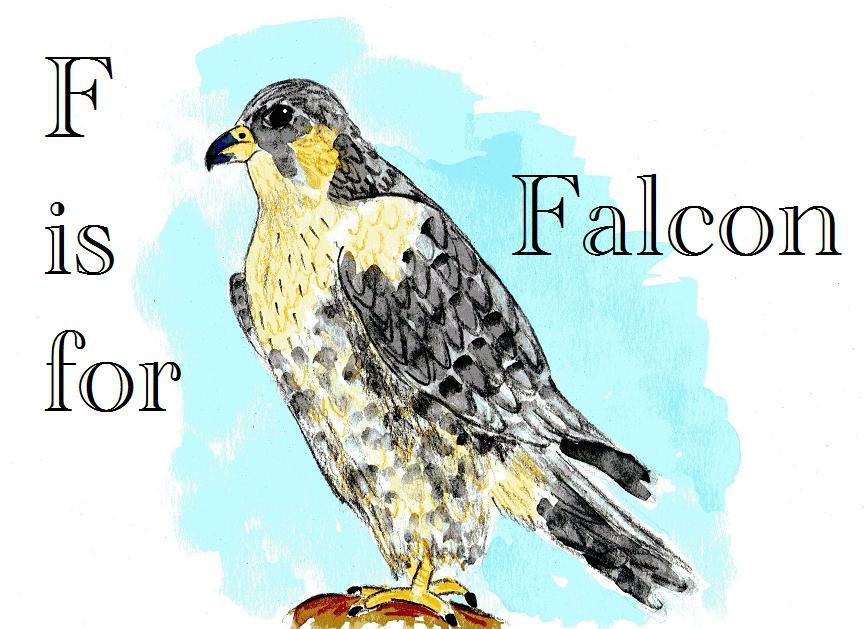
F is for Falcon

F is for falcon

Falcon    noun

Oxford Dictionary definition:  Small hawk trained to hunt.

Our definition:  A falcon is any one of 37 species of raptor in the genus Falco, widely distributed on all continents of the world except Antarctica.

Adult falcons have thin tapered wings, which enable them to fly at high speed and to change direction rapidly.  Fledgling falcons, in their first year of flying, have longer flight feathers, which makes their configuration more like that of a general-purpose bird such as a broadwing.  This makes it easier to fly while learning the exceptional skills required to be effective hunters as adults.

Peregrine falcons have been recorded diving at speeds of 200 miles per hour (320 km/h), making them the fastest-moving creatures on Earth.  Other falcons include the gyrfalcon, lanner falcon, and the merlin.  Some small falcons with long narrow wings are called hobbies, and some which hover while hunting are called kestrels.

As is the case with many birds of prey, falcons have exceptional powers of vision; the visual acuity of one species has been measured at 2.6 times that of a normal human.

*****

Click on the pic for the F page of our vegan dictionary, or see the link in the sidebar to your right

Click on the pic for the F page of our vegan dictionary, or see the link in the sidebar to your right

E is for Elephant

E is for Elephant

Elephant    noun

Oxford Dictionary definition:  Largest living land animal with trunk and ivory tusks.

Our definition:  Elephants are large mammals of the family Elephantidae and the order Proboscidea.  Two species are traditionally recognised: the African elephant and the Asian elephant.  Male African elephants are the largest surviving terrestrial [land] animals and can reach a height of 4 metres and weigh 7,000 kg. All elephants have a long trunk, used for many purposes, particularly breathing, lifting water and grasping objects.  All African elephants, male and female, have tusks whereas only some Asian males have tusks. About 50% of Asian females have short tusks known as tushes – which have no pulp inside.  Usually in mammals tusks are enlarged canine teeth, but in elephants they are actually elongated incisors and are essentially no different from other teeth. One third of the tusk is actually hidden from view, embedded deep in the elephant’s head. This part of the tusk is a pulp cavity made up of tissue, blood and nerves. The visible, ivory part of the tusk is made of dentine with an outer layer of enamel.  Their tusks can serve as weapons and as tools for moving objects and digging. Elephants’ large ear flaps help to control their body temperature.  African elephants have larger ears and concave backs while Asian elephants have smaller ears and convex or level backs.

Elephants are herbivorous and can be found in different habitats including savannahs, forests, deserts and marshes. They prefer to stay near water. Females, known as cows, tend to live in family groups, which can consist of one female with her calves or several related females with offspring. The groups are led by an individual known as the matriarch, often the oldest cow. Elephants have a fission-fusion society in which multiple family groups come together to socialise. Males, known as bulls, leave their family groups when they reach puberty, and may live alone or with other males. Adult bulls mostly interact with family groups when looking for a mate. Calves are the centre of attention in their family groups and rely on their mothers for as long as three years. Elephants can live up to 70 years in the wild. They communicate by touch, sight, smell and sound; elephants use infrasound (low frequency sound), and seismic communication (sometimes called vibrational communication) over long distances. Elephant intelligence has been compared with that of primates and cetaceans. They have self-awareness and show empathy for dying or dead individuals of their kind.

African elephants are listed as vulnerable by the International Union for Conservation of Nature, while the Asian elephant is classed as endangered. One of the biggest threats to elephant populations is the ivory trade, as the animals are poached for their ivory tusks. Other threats to wild elephants include habitat destruction and conflicts with local people.

Horribly, in addition to murdering them for their ivory, human beings have exploited elephants for entertainment in zoos and circuses for centuries; and now the military thinks they might be useful for sniffing out bombs!

Thank goodness for The Elephant Sanctuary, Tennessee, a natural habitat refuge developed specifically for African and Asian elephants, which is home to beautiful animals, rescued or retired from zoos and circuses, who can now live out their lives in a safe haven dedicated to their well-being.

elephant sanctuary

C is for Crab

hermit crab

Crab    noun

Oxford Dictionary definition:  1.  Shellfish with 10 legs  2.  This as food

Our definition:  1.  Crabs are sentient beings who live in all the world’s oceans, in fresh water, and on land, are generally covered with a thick exoskeleton and have a single pair of claws.  They attract a mate through chemical (pheromones), visual, acoustic or vibratory means. Pheromones are used by most fully aquatic crabs, while terrestrial and semi-terrestrial crabs often use visual signals, such as fiddler crab males waving their large claw to attract females. Crabs are mostly active animals with complex behaviour patterns.  They can communicate by drumming or waving their pincers.  Males will fight to win females or to defend territory.  Fiddler Crabs dig burrows in sand or mud, which they use for resting, hiding, mating and to defend against intruders. Crabs are omnivores, feeding primarily on algae, and taking any other food, including molluscs, worms, other crustaceans, fungi, bacteria and detritus, depending on their availability and the crab species.

2.  Crabs are boiled alive by humans who want to eat them.

*************

C

The Cc page is done now (click on the pic or go to the dictionary in the sidebar).

I’ll be starting on Dd today 😀

C is for Cake

C is for cake

I’m working on the Cs now and was delighted to find that the first word which needed redefining was Cake:

Oxford Dictionary definition:  Mixture of flour, butter, eggs, sugar etc. baked in the oven.

Our definition:  There is absolutely no need of eggs and butter when making a cake.  There are so many delicious vegan, and even raw vegan, cake recipes – some very sophisticated and complicated and some, my favourites, needing nothing more than flour, sugar (or other natural sweetener such as agave), vegetable oil and water.  And I do not exaggerate when I say that they taste better than any cake I tasted in my pre-vegan days.  But you don’t need to take my word for it, look at oatielover’s chocolate cake and Lisa’s vanilla layer cake or any of the thousands of vegan cake recipes out there – there’s something for everyone.  All this typing’s making me peckish, please excuse me a moment while I grab one of the blueberry muffins I made earlier 😉

And talking of Blueberry Muffins – this is how I made them:

I mixed together 8 ounces of organic spelt, 2 teaspoons of baking powder, 4 ounces of organic sugar, 4 tablespoons of organic vegetable oil, and about 150 ml of water.  Then, when that was all combined into a smooth mixture I added a load of rinsed organic blueberries and mixed those in well.  I then generously filled 6 large paper cake cases with the mixture and baked them in a muffin pan at 180°c (fan oven) for half an hour.  Easy as pie! Or rather, cake!

blueberry muffin

Icing is optional but highly recommended 🙂

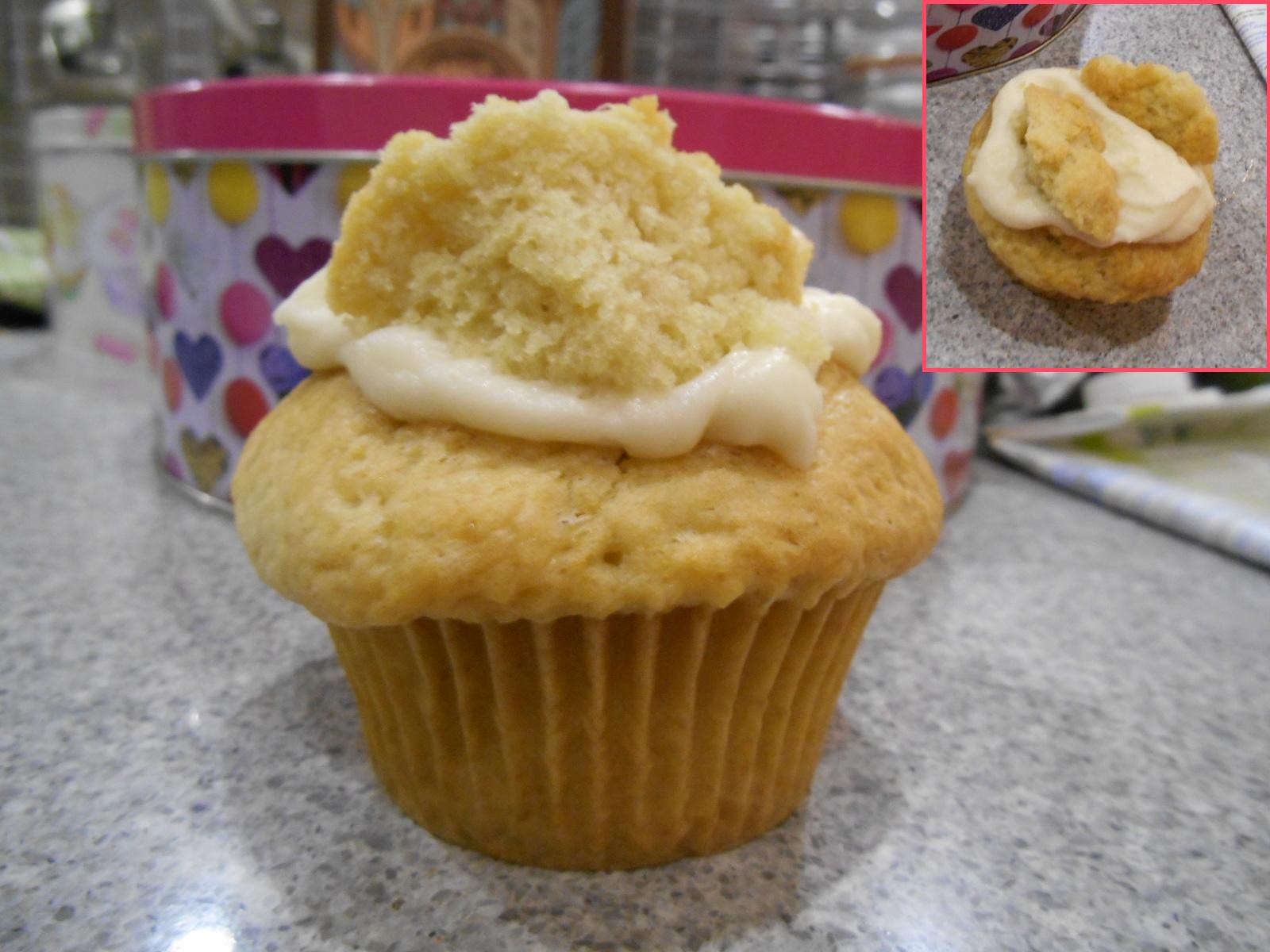
Don’t fancy blueberries?  What about a butterfly cake?

vegan butterfly cake

Same recipe, minus the blueberries.  When they’re cold, scoop out the top of the cake, fill the hole with icing, cut the cut-out bit in half and stick it in the icing to look like wings.

Anything omnivores can do, vegans can do better!  Stick that in your cake-hole Oxford Dictionary!

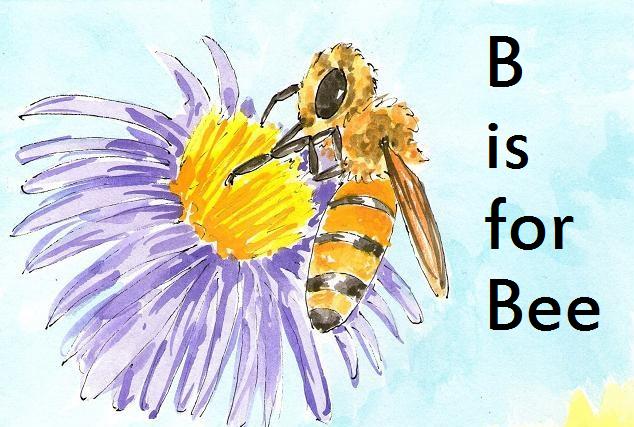
B is for Bee

b is for bee

Compiling the vegan dictionary is taking a long time and I won’t be able to complete a letter in one day as I naïvely first thought.  I have only just finished Bb so won’t be able to share any C words until at least tomorrow 🙂  In the meantime, Miranda thought it might be a good idea to post an excerpt of Bb – so here it is:

Bee    noun

Oxford Dictionary definition:  Four-winged stinging insect, collecting nectar and pollen and producing honey and wax.

Our definition:  There are lots of different types of bee in the UK, around 250 species – 24 species of bumble bee, 225 species of solitary bee and just one species of honey bee.  Honey bees will live through the winter, eating and working all winter long, which of course requires a large store of food – hence the honey they’ve worked hard for all summer.  With Bumble bees however, the new queens, after mating, find somewhere to hibernate and the rest of the colony dies off.  While hibernating she does not need to eat so there are no honey stores.  In the spring when she has to work hard, she makes a small pot of honey for herself.    Solitary bees typically produce neither honey nor wax.  They are important pollinators as the females, who are all fertile, build their own nests and take care of their own young so pollen is gathered for provisioning the nest with food for their brood.  Bees gathering nectar (eg honey bees) may accomplish pollination, but bees that are deliberately gathering pollen (eg solitary orchard mason bees) are more efficient pollinators.  There are also 500 species of stingless bee

Bb-Day is here!

Rethinking the language with a vegan dictionary

vegan dictionary

So often we realise, and sometimes we don’t realise, that the words we use normalise animal exploitation and degradation.  A man might be angrily referred to as a ‘pig’ because he behaves in an obnoxious or sexist manner; a person might be called an ‘animal’ if they are aggressive or bad mannered; some animals are described by the way they taste instead of by characteristics which actually tell us something about them as individuals; people are desensitised to the harsh realities which face captive animals every day because words, like ‘abattoir’ for example, are defined simply as slaughterhouse which doesn’t begin to convey the horror and becomes an accepted and unquestioned fact that doesn’t make people recoil or revolt.

The other side of this coin is that some words are only described in relation to animal farming when in fact there is so much more to them (see alfalfa).

So we thought it would be a good idea to make a vegan dictionary, with words defined from a vegan point of view, and we’ll keep it high up in the sidebar for easy reference.  It will take a long time to complete – so far I have just done A! – but it is a very interesting endeavour and I am enjoying it.

DSCN3054

I began by referring to my big old Oxford dictionary.  I went through the A section, page by page, and every time I came across a word which normalised animal exploitation or degradation, or which was defined in a way which did, I copied it down and defined it honestly and fully to the best of my ability.  I also include the Oxford definition in my dictionary for comparison.

You can find the dictionary by clicking on the picture at the top of this post, or on the picture of the dictionary in the sidebar and that will take you to links to the lettered pages – so far, as I said, just A, but I’ll get started on B today!

I believe that most people, whether they be veg*n or not, have compassion for animals and the reason that many of those who feel love for other species still eat some of them is because they have been conditioned from birth not to question it.  It is deeply embedded in the language they speak.

When I was 13 I told my dad that I wanted to be vegetarian and he asked me why.  I told him that it was because I didn’t want animals to be killed.  He explained to me earnestly that it was all done humanely; that they don’t suffer.  He didn’t know that.  He didn’t know anything about animal farming or slaughter, but he believed it to be true.  He had been told that there were regulations in place to make sure the animals didn’t suffer and he believed it.  And he told me that it was true.  And that’s what most people think:  it is normal, it is natural and it is humane.

But it isn’t any of those things so we need a new normal, and it starts with the language.

26 Verses of Deidra

rhyming children's story

Where are you going Deidra? is one of our favourite, and one of the most popular, stories on this site so when we decided to publish a compilation of short stories and rhymes for little ones we really wanted to include it.  Unfortunately the new book – entitled “Why are you a vegan?” And other wacky verse for kids – is full of rhyming stories (of course), and Deidra is not one of those.

So, we made it into one – and here it is, the true-ish story of Deidra the dairy cow, in rhyme, in case you’re interested.

This is how it begins:

rhyming children's story

Once there was a dairy farm

With fifty lovely cows.

Most of them were black and white

But some of them were brown.

***

Gripping stuff I know! 😉

 Where are you going Deidra? – In Rhyme

Christmas Giveaway!

Well Fed Not an Animal Dead

Miranda and I are delighted to be able to give away a new copy of the brilliant Well Fed Not an Animal Dead

Remember I recommended it a few weeks ago? (See here )  Well, I ordered a couple of copies for Christmas presents and got a free one thrown in.  So, I would like to give it away to one of you lovely people.

Now, if you don’t already have a copy of this book, you’re going to want one – it’s full of brilliant recipes and vegan lifestyle advice and information – so go on, enter this prize draw!

🙂

All you have to do is comment on this post, telling me you want to enter.  We will put the names of all the entrants in a box and pick one out on Saturday, so you’ve got until Friday the 19th of December 23:59 GMT (2014 of course 😉 ) to enter.

This is open to anyone, anywhere.  Good luck! 😀

well fed not an animal dead

We interrupt this story to tell you about ….

The Hillside Animal Sanctuary Christmas Fayre this weekend!

CLICK THE PIC FOR MORE INFO

CLICK THE PIC FOR MORE INFO

If you live in Norfolk or the surrounding area I highly recommend you pop over to Hillside’s Shire Horse Sanctuary for a lovely day out and a chance to help the animals with your Christmas shopping.  Hillside is a fantastic charity which not only provides sanctuary for over 2000 formerly abused or neglected animals, they also do in depth investigations into animal abuse so that perpetrators can be prosecuted.

And they need all the help we can give them, so have a great day out helping the animals that need you – get over to Hillside at the weekend.

Have fun 😀

Who said that?

You’ll just know what’s right

Cute things children say Part 3

Cute things children say Part 2

Cute things children say

img278

My children were brought up vegetarian from birth but when they were very young I didn’t make a fuss about gelatine in sweets that were given to them by other people.  However, one day when they were choosing some sweets at the corner shop after school, I decided to explain to them what gelatine was after they’d both chosen sweets containing it.  Emily, who was 7 years old then, immediately returned the sweets to the shelf and chose some without gelatine.

I turned to Eve, who was only 4, and asked her “Do you want to change yours or are you not old enough to understand?”

She looked thoughtfully at her sweets and then at me and said,

“I don’t think I’m old enough to understand.”

Thus she made the difficult decision to quit gelatine another day 😉

The Folly of Expert Opinions

flat-earth-society1

There was a time, long long ago

When they thought the world was flat.

They worried if they sailed the seas

They’d fall off the end of that.
ducking (1)

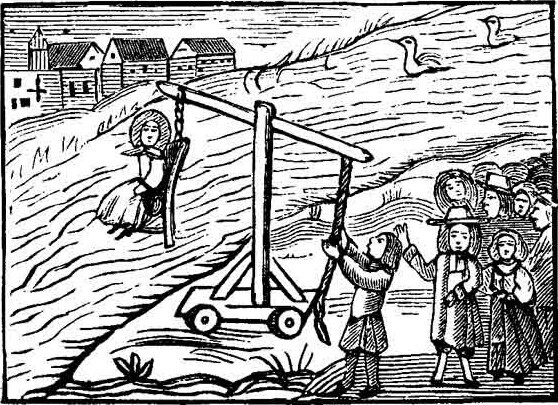
In centuries past, in primitive times,

They demonized herbal healers.

They’d label such gifted folk a witch.

Fear and ignorance led to murders.

fireball_v03

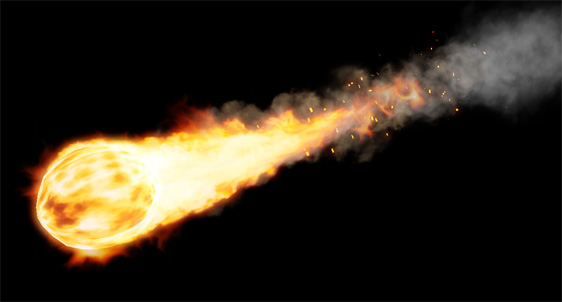
1908, the Siberian tundra

Was struck by a freak fireball.

Theories abound, though no cause has been found.

Was it meteorite or black-hole?
cropcircles3

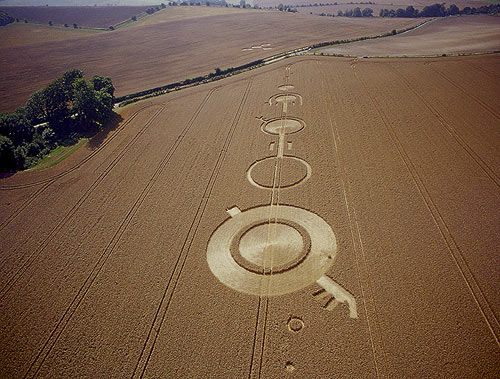
10,000 crop circles in various forms

Have appeared since ’72

Caused by UFOs, wind or rabbits or hoax?

Who knows who knows?  Do you?
article-0-0274C406000004B0-736_468x286

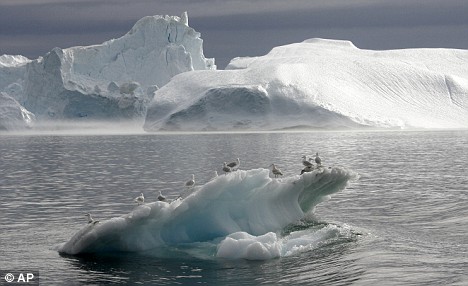
And now here we are, Twenty-Fourteen,

A much more enlightened era.

The experts tell us as the ice starts to melt,

That we should try to live more greener.
go-green

Thoughtful, conscientious, sensible types

Recycle their plastic and drive less.

They walk or take the bus to work;

Use low wattage bulbs; try to redress.
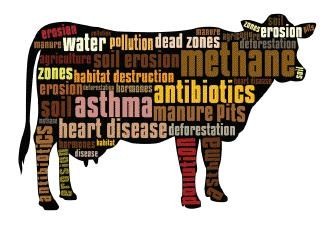
animal farming enviro imp

But in 06 The United Nations

Found that animal farming’s the trouble,

Causing land degradation and water pollution,

Gas with high global warming potential.

Thailand1

The experts gathered and consulted and planned

What to do to solve the problem

Of global warming, pollution, disease

Caused by human animal-consumption.

COP14_-_Poznan_2008_UN_Climate_Change_Conference_-_-Troika-_Press_Conference_(Rasmussen,_Tusk,_Witoelar) (1)

“Urgent action is required,” they said,

“To remedy the situation.”

We need cows that don’t fart, recyclable manure,

And more efficient irrigation!

Thumbs up on green background

“Thank goodness for experts!” the populace cries,

“What would we do without them?

When scientists develop unflatulent cows

That will solve the global warming problem.”
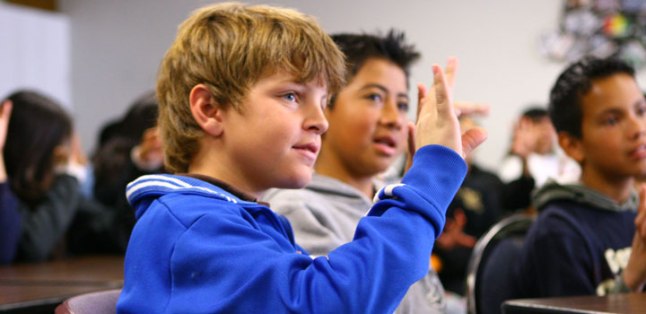
N-A-U-542_720x350

“Wouldn’t it be easier,” a schoolboy asked

“To solve that long list of crises

By giving up meat and dairy and leather

And planting more veggies and fruit trees?”

teacher_36724503

“The experts would tell us,” his teacher replied,

“If there was anything we could do in a hurry.

There’s no need to resort to radical extremes,

Just recycle what you can and don’t worry.”

****

Click here to look at the report by the Food and Agriculture Organization of the United Nations.  Be aware, you might do a double take when you read that their proposed solutions to the problem are as indicated in the poem.  See Remedies including “Improving animals’ diets to reduce enteric fermentation and consequent methane emissions”
Look at this can

dangerous litter

Look at this can, and picture if you can

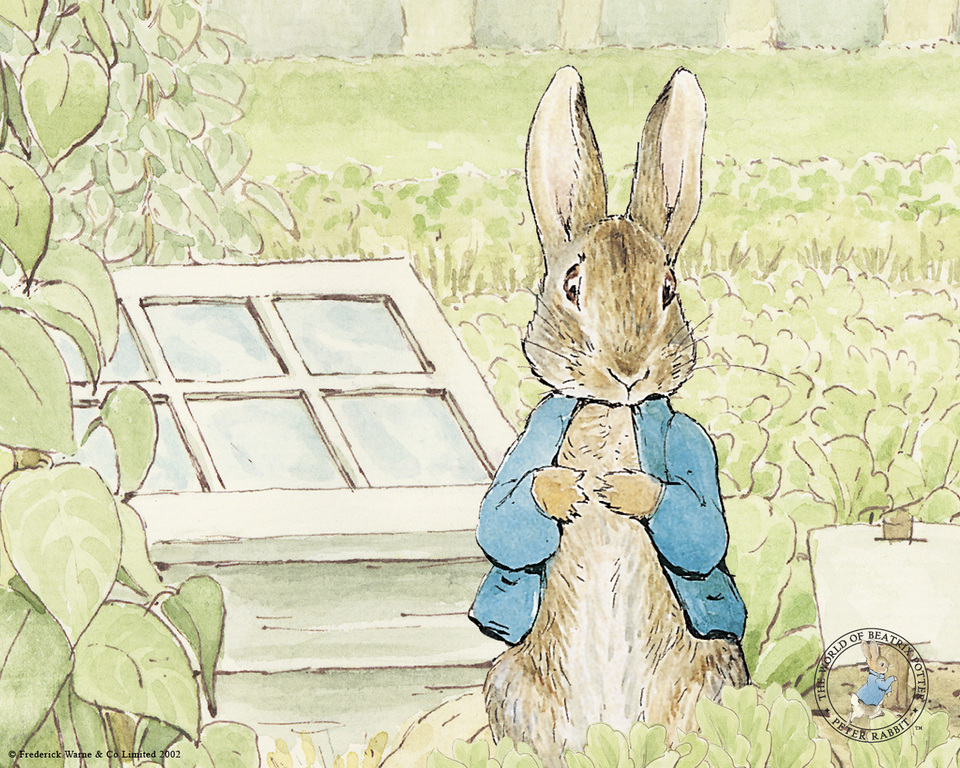
What it would do to Peter Rabbit’s paw.

It’s as sharp as a knife, it would cut like a knife,

And cause bad infection for sure.

peterrabbit_peter_1280

This is how it goes, when someone just throws

Their drink can on the ground.

Inevitably it must, succumb to the rust,

Get dangerously jagged and unsound.

dangerous litter

Now think of this, just think of this –

What if Mrs Tiggywinkle walked over?

What if she trod, right over the sod

Where this can was hidden in the clover?

Mrs Tiggywinkle

Or Tabitha Twitchit, perhaps Mrs Twitchit,

Might be walking her youngsters to school.

Moppet and Mittens, and Tom, her kittens

Could, on this can, cut their feet cruel.

Mrs Twitchit and kittens

“Oh I wish,” they would say, at the end of the day,

“That the can had never been left there.”
Their feet would sting, as infection set in,

“But humans who litter just don’t care.”

“You are what you eat” No 3

“You are what you eat” No 2

“You are what you eat” No.1

Don’t kill the world

When I was a young child …

Meat_2_veg

When I was a young child

An omnivore diet I ate.

I wasn’t very adventurous,

The same few things appeared on my plate.

egg chips and beans

I liked to eat egg, chips and beans,

Or sometimes sausage and mash.

Occasionally I’d have fish fingers and peas,

Or maybe corned beef hash.

***

I didn’t like many vegetables,

Only peas, baked beans and carrots.

No one could make me eat my greens,

I’d never even heard of shallots.

***

My range of fruit went as far as apples,

Bananas, an orange at Christmas.

I preferred to eat biscuits and cakes and bread,

Peanuts and crisps, not citrus.

***

When I went veggie I ate lots more eggs

And cheese instead of the flesh foods.

Fat and more fat, cholesterol and fat,

But rarely increased the plant foods.

***

Now that I’m vegan, when they say to me,

“My goodness, what do you eat?”

I take a deep breath as I smile to myself

And happily repeat:

fresh-fruits-and-vegetables1

“I eat lettuce and spinach and onions and leeks,

Mushrooms and cabbage and beetroot;

Tomatoes and chard and purslane and sprouts,

Alfalfa and clover and bean shoots.”

fruits and vegetables

“I eat mangos and apricots, pineapples and pears,

Almonds, sultanas and cashews;

Strawberries, raspberries, blueberries, cranberries,

Dates, prunes, avocados.”

My GM Diet Experience - Day 3 - Fruit and Vegetable Diet

My diet today is the most varied it’s been

Ever before in my lifetime.

High nutrition I get from my living food,

Not to mention the taste which is sublime!

nuts-and-seeds

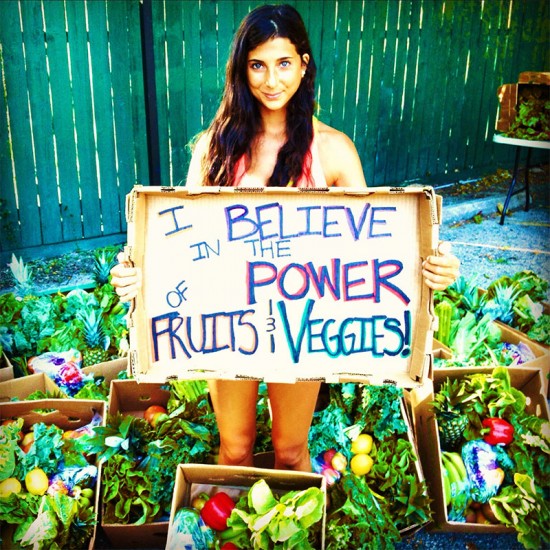
fruits-vegetables-mental-health-550x550


Raw Vegan Chocolate Mousse Cake

Raw Vegan Chocolate Mousse Cake

Raw vegan chocolate cake with ganache frosting

Raw vegan chocolate cake with ganache frosting


raw-vegan-pizza-recipe skinnylimitsdotcom

Raw vegan pizza from skinnylimits.com

Raw vegan lasagne

Raw vegan lasagne

A wake up call from Megan & Flos

Here we go again

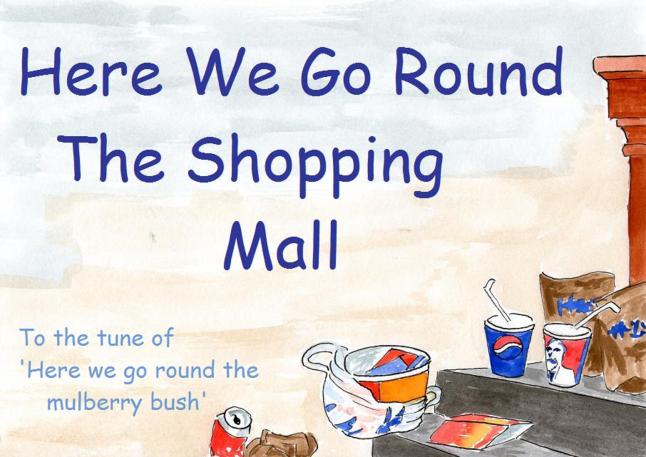
Here We Go Round The Shopping Mall

vegan nursery rhymesvegan nursery rhymesvegan nursery rhymesvegan nursery rhymesvegan nursery rhymesvegan nursery rhymesvegan nursery rhymesvegan nursery rhymes

All together now:

Here we go round the shopping mall,

The shopping mall, the shopping mall,

Here we go round the shopping mall

On a dirty, dusty morning.

***

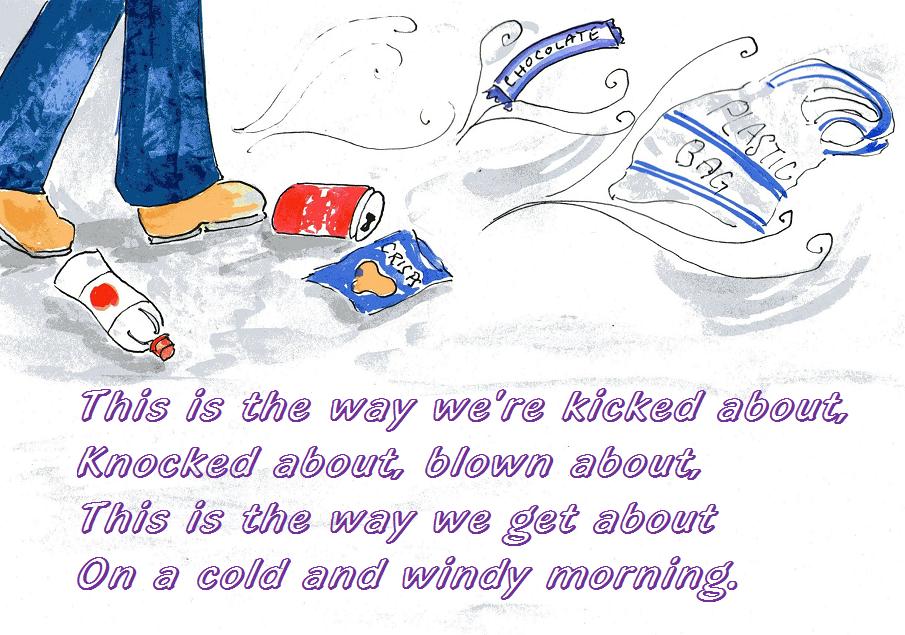
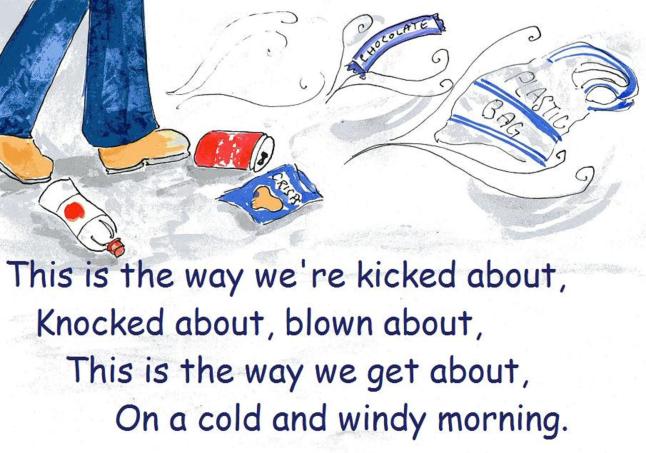
This is the way we’re kicked about,

Knocked about, blown about,

This is the way we get about

On a cold and windy morning.

***

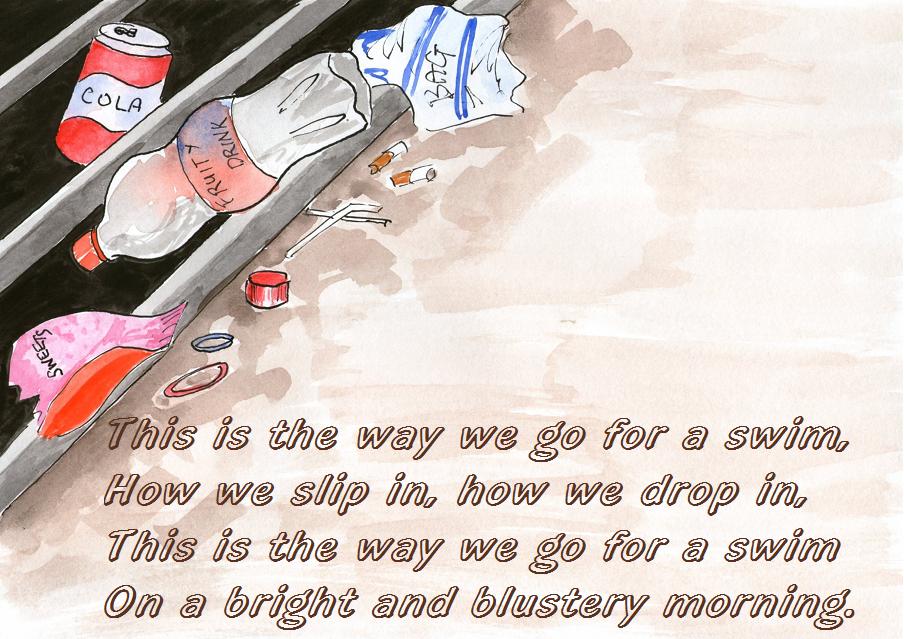
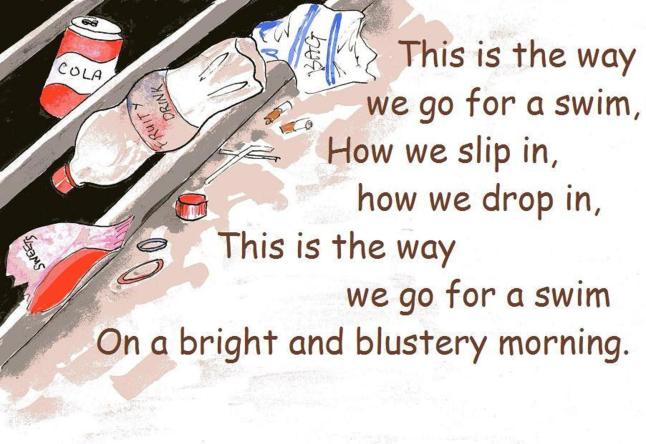
This is the way we go for a swim,

How we slip in, how we drop in,

This is the way we go for a swim

On a bright and blustery morning.

***

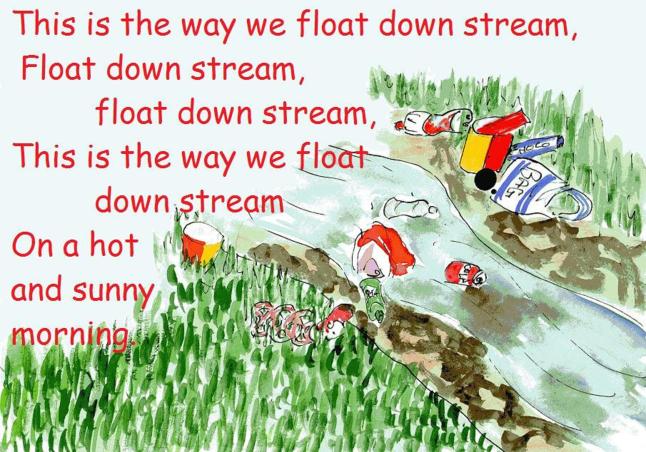
This is the way we float down stream,

We float down stream, we float down stream,

This is the way we float down stream

On a hot and sunny morning.

***

This is the way we go to sea,

We go to sea, we go to sea,

This is the way we go to sea

On a calm and cloudy morning.

***

This is the way we poison the life,

Strangle the life, entangle the life,

This is the way we choke the life

Out of each and every ocean.

***

Here we go round the ocean gyres,

The ocean gyres, the ocean gyres,

Here we go round the ocean gyres

For a hundred thousand mornings.

***

vegan nursery rhyme

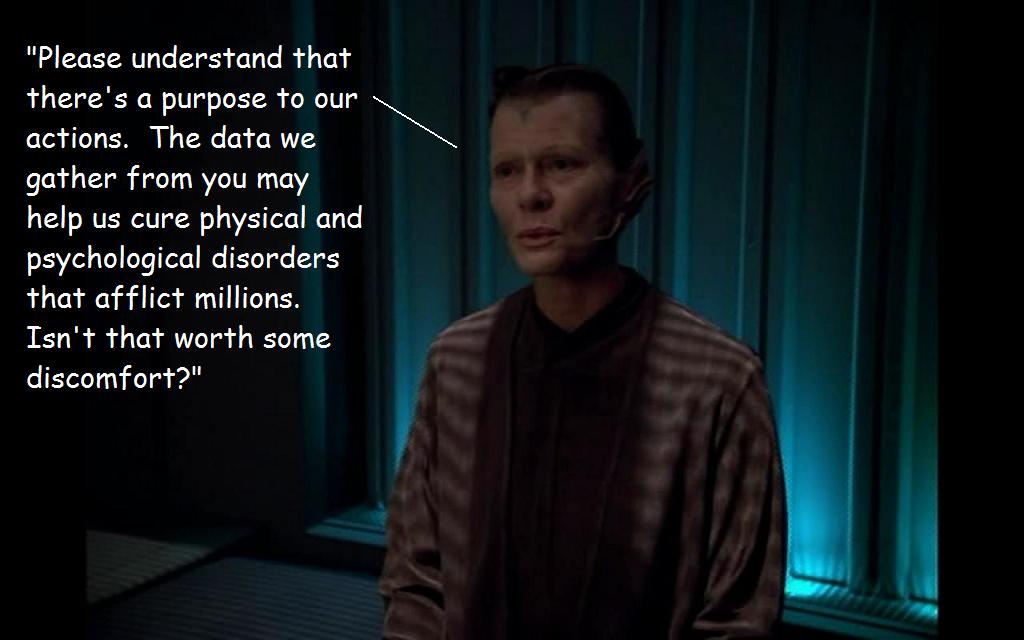
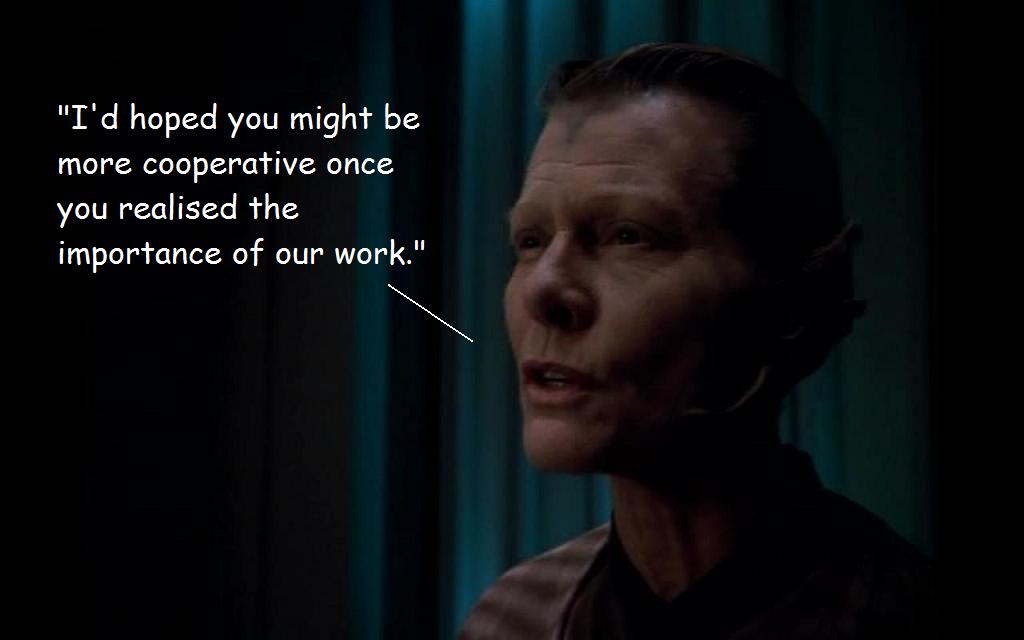
Doctor Slough invents a drug

Captain Janeway is awesome!

What they don’t tell you at school about William Wilberforce

What they will tell you:

William Wilberforce

  • William Wilberforce (1759-1833) is one of the best known British abolitionists. He was a Parliamentarian, writer and social reformer.
  • He was a close friend of William Pitt, the youngest Prime Minister in British history.
  • Wilberforce campaigned for health care, educational and prison reform and legislation to prohibit the worst forms of child labour. However, his greatest political efforts concerned the abolition of the slave trade and slavery.
  • In 1788-1789 he presented his Abolitionist Bill before the House of Commons for the first time. In a moving speech, he recited the horrific facts of slavery for three hours and ended with the words: “having heard all of this you may choose to look the other way but you can never again say that you did not know”.
  • Despite Wilberforce’s efforts the bill did not pass. Year after year, he re-introduced anti-slavery motions but to no avail. Finally, in 1807 the Abolition Bill was passed with 283 votes to 16, making the slave trade illegal on all British ships. It was an emotional day in Parliament and Wilberforce, having campaigned so strenuously, broke down and cried.
  • However, despite this victory, slavery itself remained intact and Wilberforce soon turned his attention to the emancipation of slaves in the British colonies. In 1823, he published the influential pamphlet “Appeal on Behalf of the Negro Slaves”. It led to the formation of the Anti-Slavery Society, which headed the emancipation campaign.Wilberforce retired from the House of Commons in 1825 and leadership of the Parliamentary campaign passed to Thomas Fowell Buxton. The Emancipation Bill slowly gathered support and was approved on 26 July 1833. On that day, slavery was abolished throughout the British Empire.

What they probably won’t tell you is that he was a:

William Wilberforce

  • Even as the slavery issue dominated his personal and political life, Wilberforce found time to champion the cause of animal protection from the moment it first surfaced.  He was present for and involved with every Parliamentary debate on cruelty issues, from the first failed proposal by Sir William Pultney in 1800 to the watershed breakthrough of Martin’s Act in 1822. Over those 22 years, moreover, Wilberforce remained faithful to the cause, against objections that the subject of cruelty to animals was not suited to the dignity of a legislature.
  • He said “If to be feelingly alive to the sufferings of my fellow-creatures is to be a fanatic, I am one of the most incurable fanatics ever permitted to be at large.”

What an awesome man 🙂

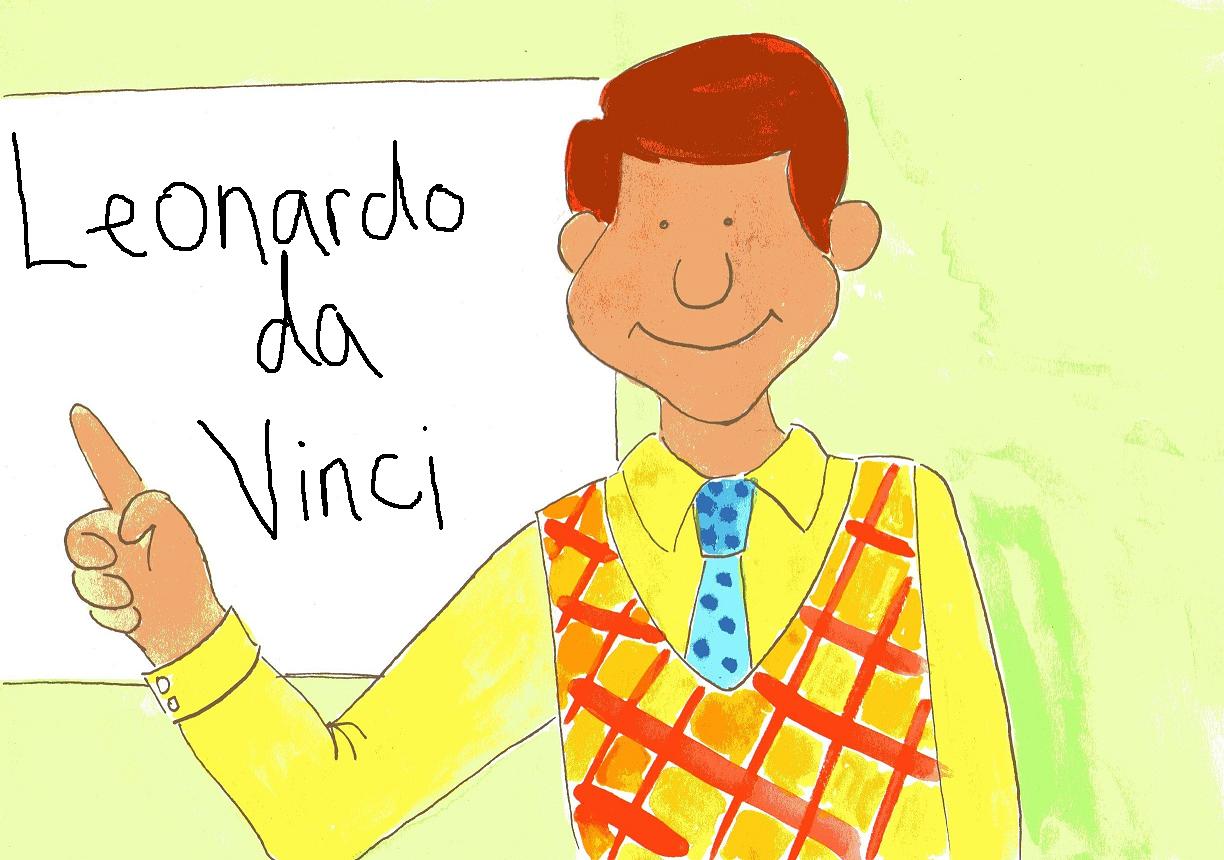
What they don’t tell you at school about Leonardo da Vinci

WHAT THEY WILL TELL YOU:

Leonardo da Vinci

  • Leonardo da Vinci is perhaps best known as a painter, with his legendary works including the Mona Lisa, the Vitruvian Man and the Last Supper, among others.
  • Leonardo da Vinci wasn’t just an incredible artist, he was an inventor, scientist, mathematician, engineer, writer, musician and much more.
  • The Mona Lisa is perhaps the most well known painting in the world. It is a half-length portrait of a woman who, along with the composition, background and other details, has been the subject of much speculation and discussion. It is believed that Leonardo da Vinci began painting the Mona Lisa around 1503. It has been on permanent display at the Louvre Museum in Paris for over 200 years.

mona lisa

WHAT THEY PROBABLY WON’T TELL YOU IS THAT HE WAS WIDELY REPUTED TO BE:

Leonardo da Vinci

We know this because Giuliano di Lorenzo de’ Medici (Leonardo’s patron for three years, from 1513 to 1516) financed the explorer Andrea Corsali’s voyage on a Portuguese ship and in a long letter to his patron Corsali made a remark about Leonardo when describing followers of Hinduism:

Alcuni gentili chiamati Guzzarati non si cibano dicosa alcuna che tenga sangue, ne fra essi loro consen tono che si noccia adalcuna cosa animata, come it nostro Leonardo da Vinci.

English translation:

Certain infidels called Guzzarati are so gentle that they do not feed on anything which has blood, nor will they allow anyone to hurt any living thing, like our Leonardo da Vinci.

What a guy! 😉

What they don’t tell you at school about Pythagoras

They’ll tell you a lot of stuff about Pythagoras at school, like:

Pythagoras

  • He worked out that in a right angled triangle, the square of the hypotenuse is equal to the sum of the squares of the other two sides: that’s Pythagorean Theorem
  • Pythagoras is often referred to as the first pure mathematician.
  • He was born on the island of Samos, Greece in 569 BC.
  • Pythagoras was well educated, and he played the lyre throughout his lifetime, knew poetry and recited Homer. He was interested in mathematics, philosophy, astronomy and music, and was greatly influenced by Pherekydes (philosophy), Thales (mathematics and astronomy) and Anaximander (philosophy, geometry).

But they probably won’t tell you that:

vegetarian pythagoras

And “Pythagorean diet” was a common name for the abstention from eating meat and fish, until the coining of “vegetarian” in the 19th century.

Stick that in your triangle and measure it!! 🙂

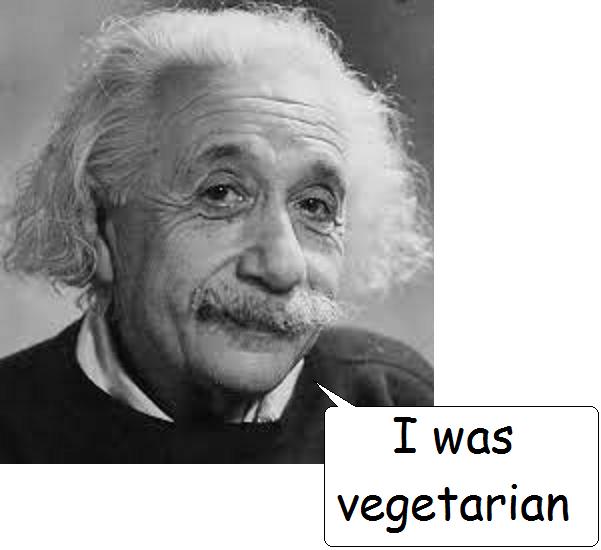
What they don’t tell you at school about Albert Einstein

WHAT THEY WILL TELL YOU:

Albert EinsteinAnd ….

  • He produced perhaps one of the most famous equations ever: E = mc² (energy equals mass multiplied by the speed of light squared).
  • Einstein won the 1921 Nobel Prize in Physics for his work on theoretical physics.
  • He worked on many other influential theories and projects including: the deflection of light by gravity, the quantum theory of atomic motion in solids, Brownian motion, an explanation for capillary action and much more.

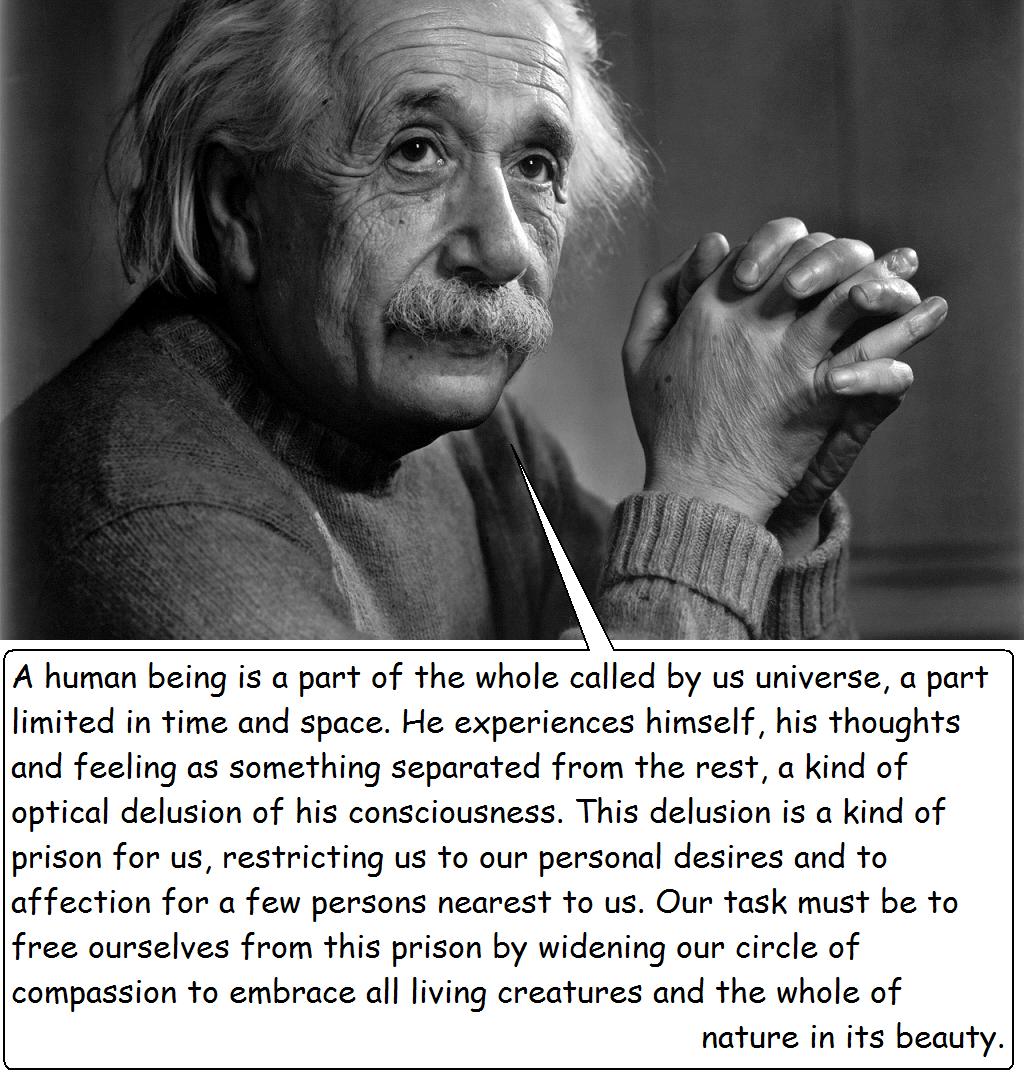
What they don’t often tell you is that towards the end of his life:

Albert Einstein

Albert EinsteinGenius! 🙂