Sherman and Geynes are just around the corner

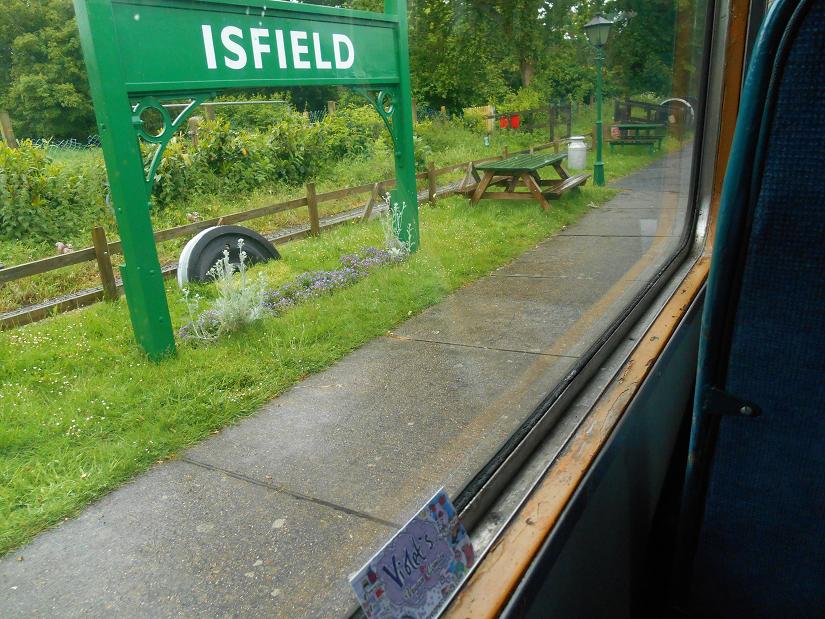
On the train

I like birds

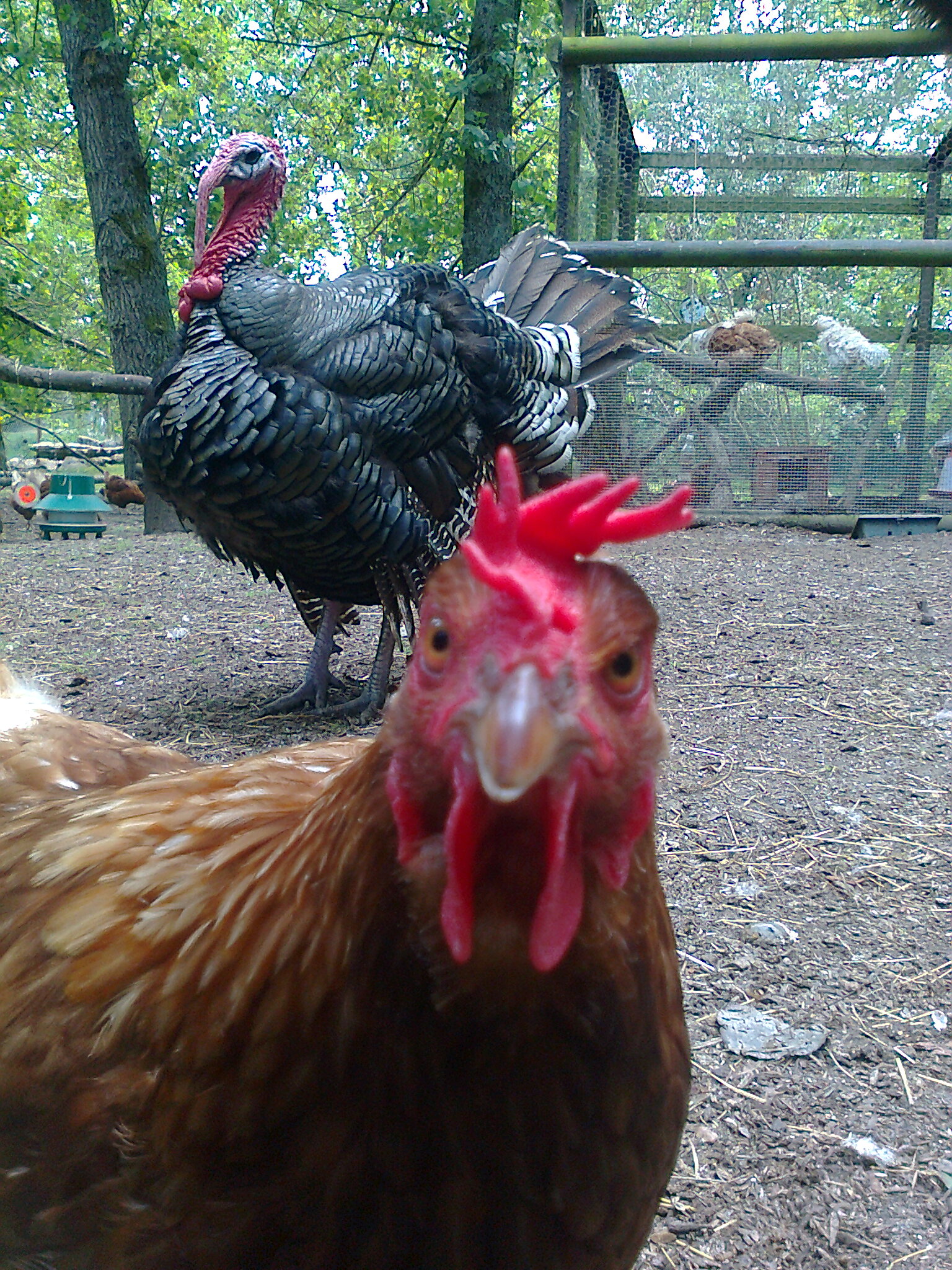
It’s time you met the beautiful birds of Raystede Centre for Animal Welfare!  Raystede rescues and re-homes chickens.  They have a lovely big garden to live in filled with places to play and have fun or rest and relax.  As well as chickens they have two magnificent turkeys who inspire awe wherever they go.

Photo8361

What are you looking at?Photo8347Come closer. I want to see what it tastes like.

Photo8344

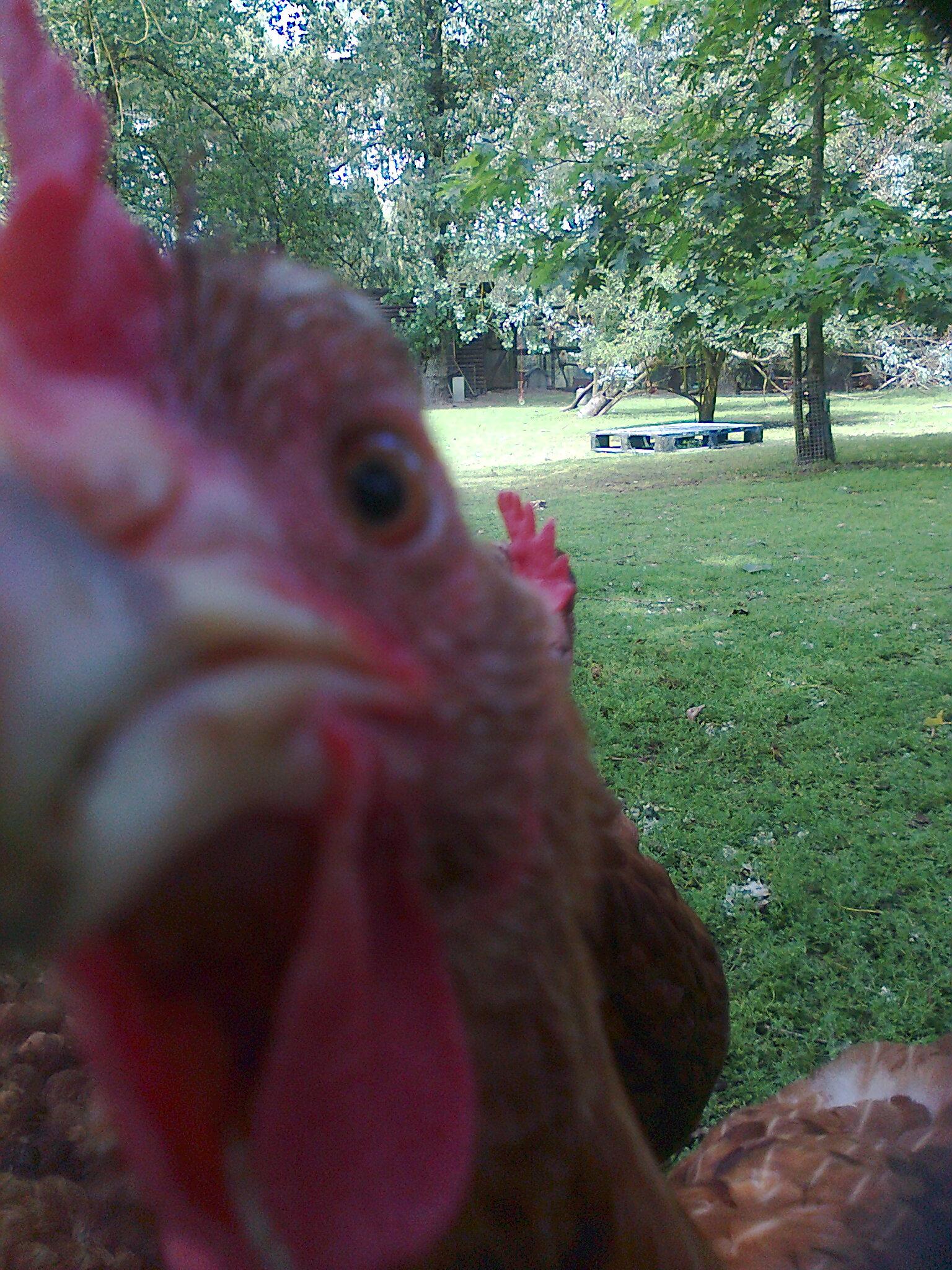
Maybe you could take a picture of me looking to the right? I think my left side is my better side. What do you think? Don’t  I have beautiful eyes?

Photo8341

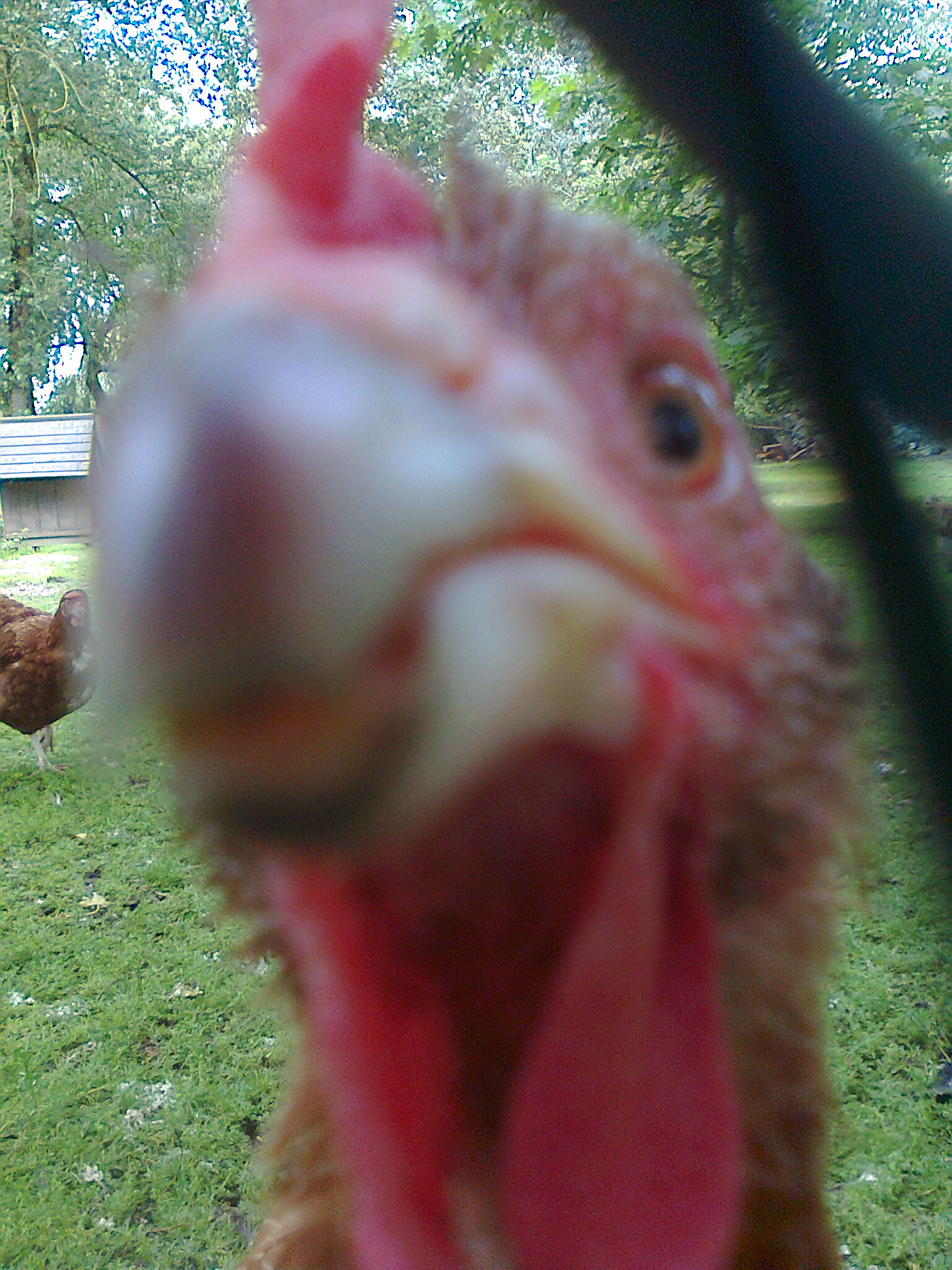
If you just come a little bit closer… that’s great.

Photo8337

Are you still here? I thought you’d be gone by now.


http://www.raystede.org/news/chicken-rescue/

Back soon

We woz ere #1

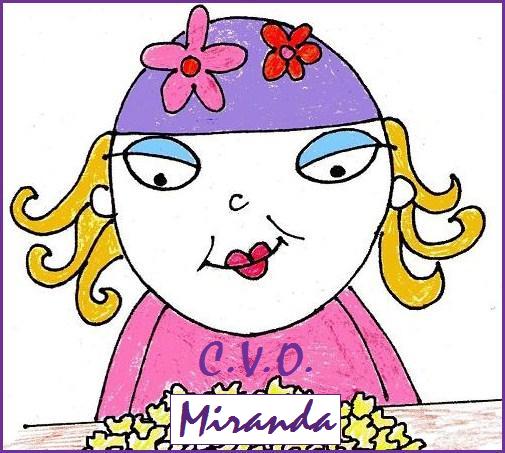
Introducing Miranda

TICK TOCK

On record

Just checking

Focus

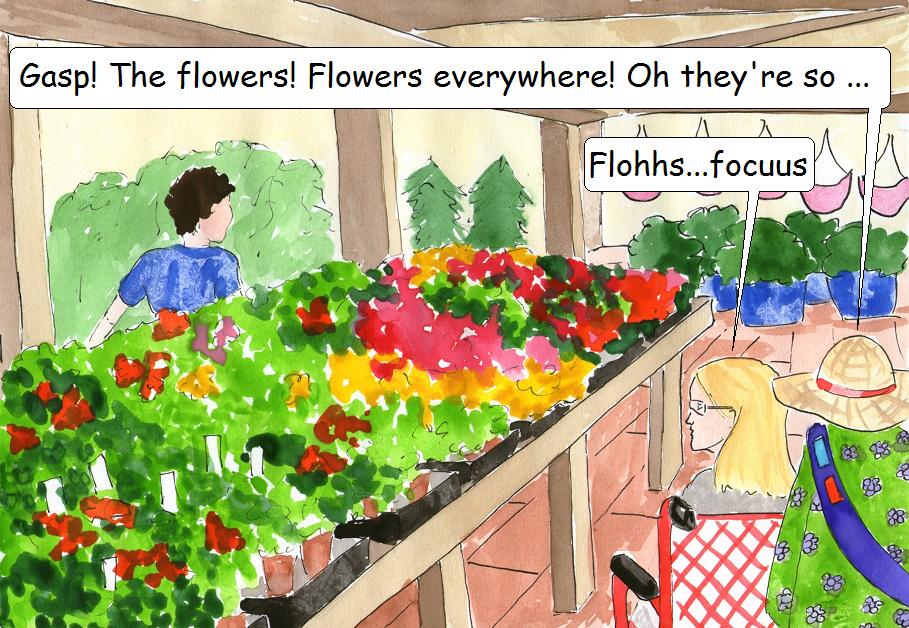
What are you Flos?

Summum Esse

This is it!

A turkey called Clarence

1

2

3

4

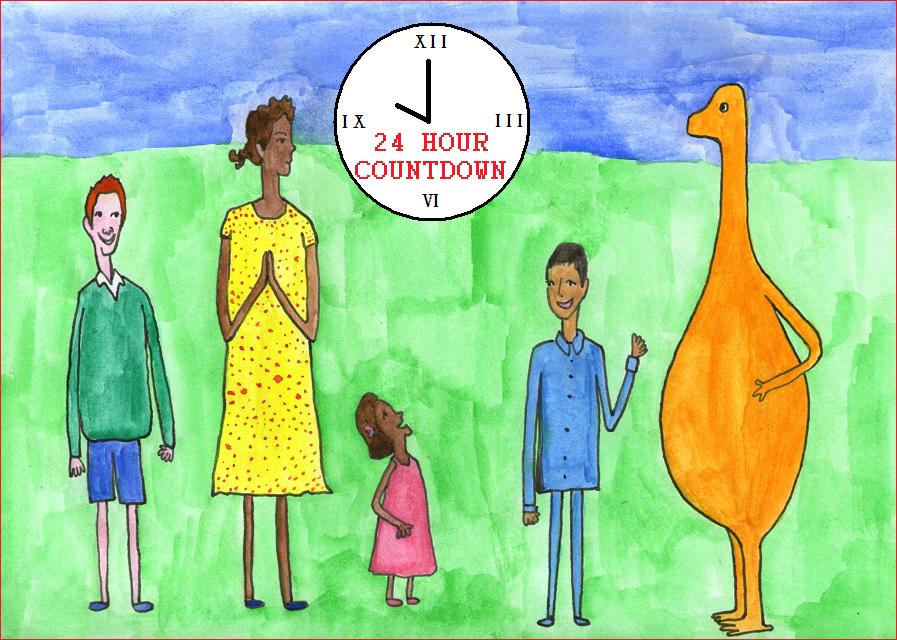
The Andersons are coming! The countdown begins!

Fox Whisperer

Please Please Please

What they don’t tell you at school about William Wilberforce

What they will tell you:

William Wilberforce

  • William Wilberforce (1759-1833) is one of the best known British abolitionists. He was a Parliamentarian, writer and social reformer.
  • He was a close friend of William Pitt, the youngest Prime Minister in British history.
  • Wilberforce campaigned for health care, educational and prison reform and legislation to prohibit the worst forms of child labour. However, his greatest political efforts concerned the abolition of the slave trade and slavery.
  • In 1788-1789 he presented his Abolitionist Bill before the House of Commons for the first time. In a moving speech, he recited the horrific facts of slavery for three hours and ended with the words: “having heard all of this you may choose to look the other way but you can never again say that you did not know”.
  • Despite Wilberforce’s efforts the bill did not pass. Year after year, he re-introduced anti-slavery motions but to no avail. Finally, in 1807 the Abolition Bill was passed with 283 votes to 16, making the slave trade illegal on all British ships. It was an emotional day in Parliament and Wilberforce, having campaigned so strenuously, broke down and cried.
  • However, despite this victory, slavery itself remained intact and Wilberforce soon turned his attention to the emancipation of slaves in the British colonies. In 1823, he published the influential pamphlet “Appeal on Behalf of the Negro Slaves”. It led to the formation of the Anti-Slavery Society, which headed the emancipation campaign.Wilberforce retired from the House of Commons in 1825 and leadership of the Parliamentary campaign passed to Thomas Fowell Buxton. The Emancipation Bill slowly gathered support and was approved on 26 July 1833. On that day, slavery was abolished throughout the British Empire.

What they probably won’t tell you is that he was a:

William Wilberforce

  • Even as the slavery issue dominated his personal and political life, Wilberforce found time to champion the cause of animal protection from the moment it first surfaced.  He was present for and involved with every Parliamentary debate on cruelty issues, from the first failed proposal by Sir William Pultney in 1800 to the watershed breakthrough of Martin’s Act in 1822. Over those 22 years, moreover, Wilberforce remained faithful to the cause, against objections that the subject of cruelty to animals was not suited to the dignity of a legislature.
  • He said “If to be feelingly alive to the sufferings of my fellow-creatures is to be a fanatic, I am one of the most incurable fanatics ever permitted to be at large.”

What an awesome man 🙂

What they don’t tell you at school about Leonardo da Vinci

WHAT THEY WILL TELL YOU:

Leonardo da Vinci

  • Leonardo da Vinci is perhaps best known as a painter, with his legendary works including the Mona Lisa, the Vitruvian Man and the Last Supper, among others.
  • Leonardo da Vinci wasn’t just an incredible artist, he was an inventor, scientist, mathematician, engineer, writer, musician and much more.
  • The Mona Lisa is perhaps the most well known painting in the world. It is a half-length portrait of a woman who, along with the composition, background and other details, has been the subject of much speculation and discussion. It is believed that Leonardo da Vinci began painting the Mona Lisa around 1503. It has been on permanent display at the Louvre Museum in Paris for over 200 years.

mona lisa

WHAT THEY PROBABLY WON’T TELL YOU IS THAT HE WAS WIDELY REPUTED TO BE:

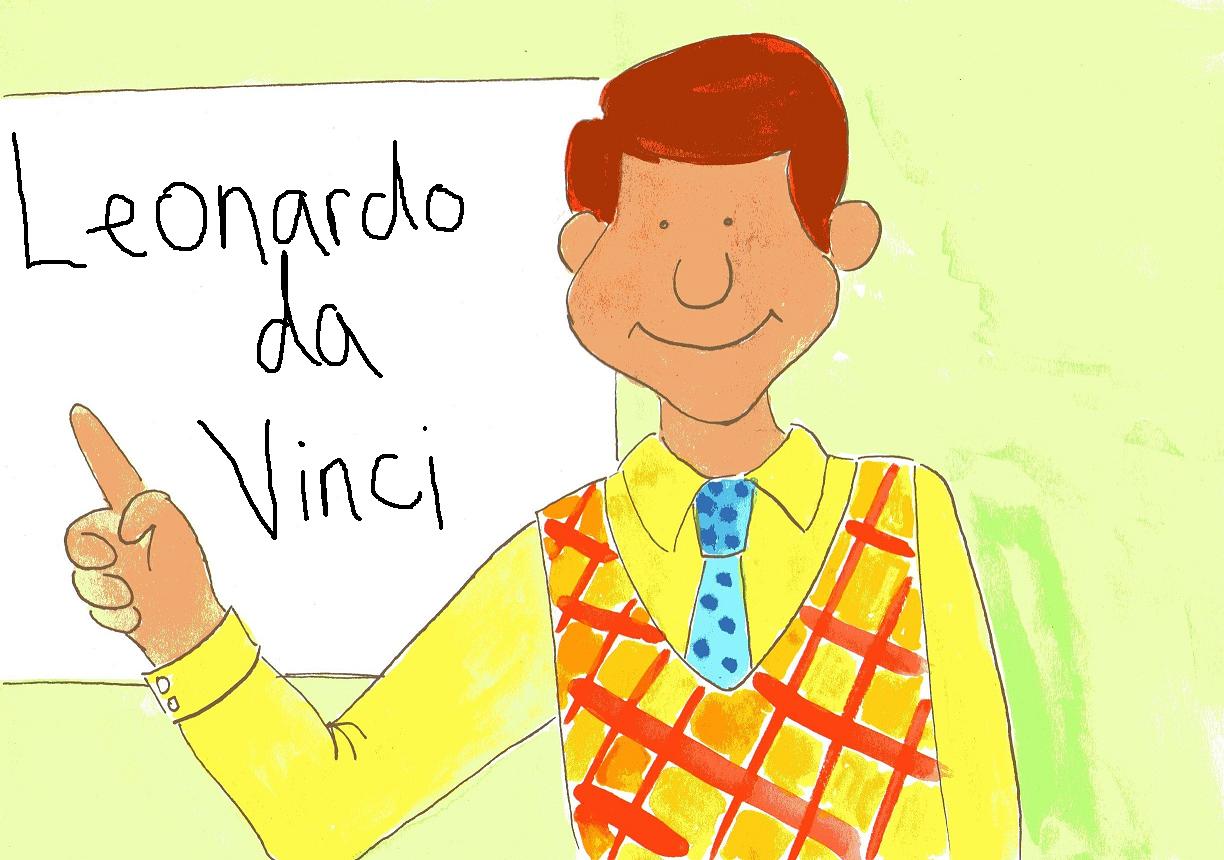
Leonardo da Vinci

We know this because Giuliano di Lorenzo de’ Medici (Leonardo’s patron for three years, from 1513 to 1516) financed the explorer Andrea Corsali’s voyage on a Portuguese ship and in a long letter to his patron Corsali made a remark about Leonardo when describing followers of Hinduism:

Alcuni gentili chiamati Guzzarati non si cibano dicosa alcuna che tenga sangue, ne fra essi loro consen tono che si noccia adalcuna cosa animata, come it nostro Leonardo da Vinci.

English translation:

Certain infidels called Guzzarati are so gentle that they do not feed on anything which has blood, nor will they allow anyone to hurt any living thing, like our Leonardo da Vinci.

What a guy! 😉

What they don’t tell you at school about Pythagoras

They’ll tell you a lot of stuff about Pythagoras at school, like:

Pythagoras

  • He worked out that in a right angled triangle, the square of the hypotenuse is equal to the sum of the squares of the other two sides: that’s Pythagorean Theorem
  • Pythagoras is often referred to as the first pure mathematician.
  • He was born on the island of Samos, Greece in 569 BC.
  • Pythagoras was well educated, and he played the lyre throughout his lifetime, knew poetry and recited Homer. He was interested in mathematics, philosophy, astronomy and music, and was greatly influenced by Pherekydes (philosophy), Thales (mathematics and astronomy) and Anaximander (philosophy, geometry).

But they probably won’t tell you that:

vegetarian pythagoras

And “Pythagorean diet” was a common name for the abstention from eating meat and fish, until the coining of “vegetarian” in the 19th century.

Stick that in your triangle and measure it!! 🙂

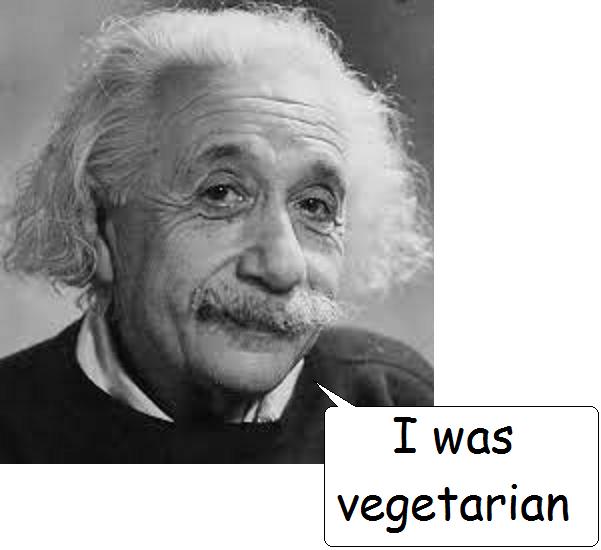
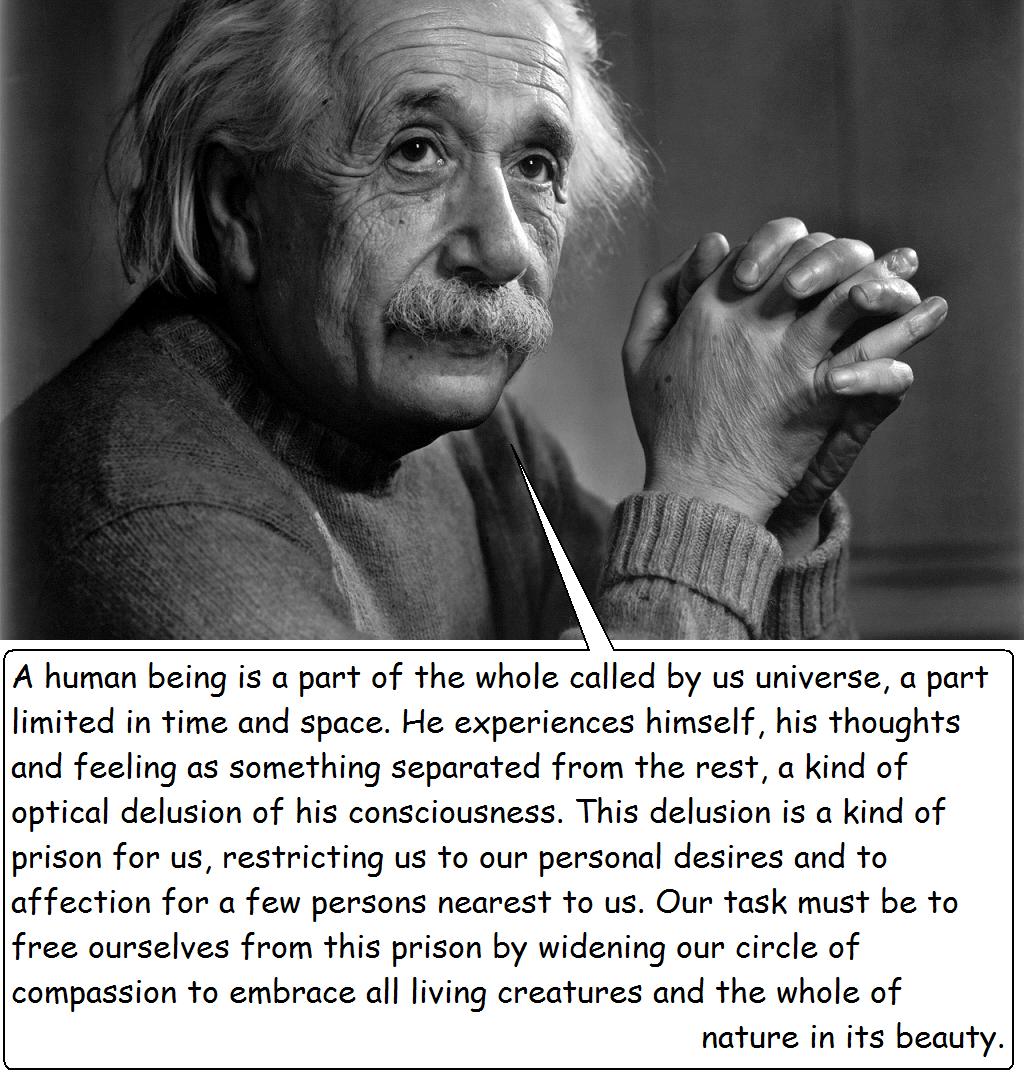
What they don’t tell you at school about Albert Einstein

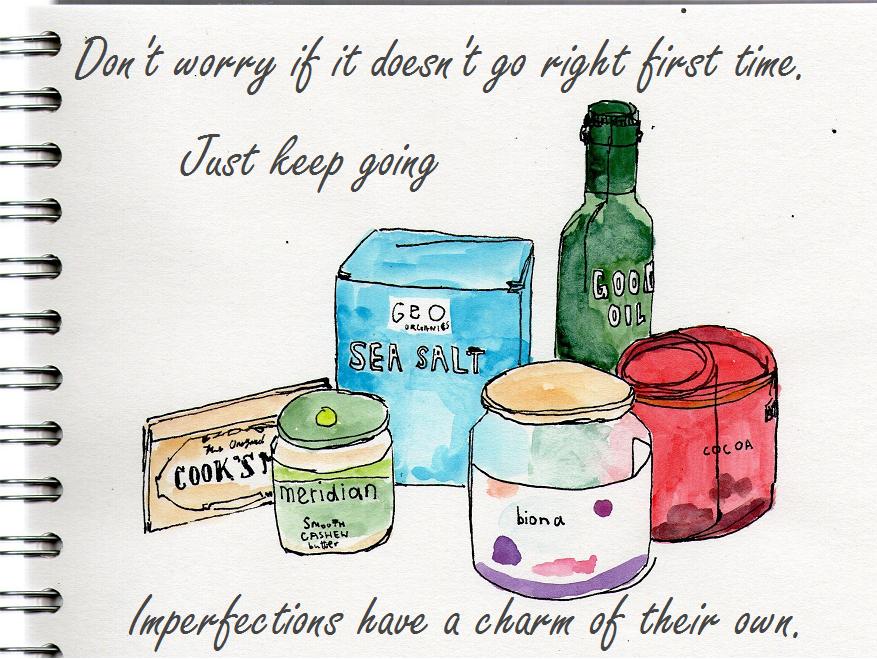
Just keep going

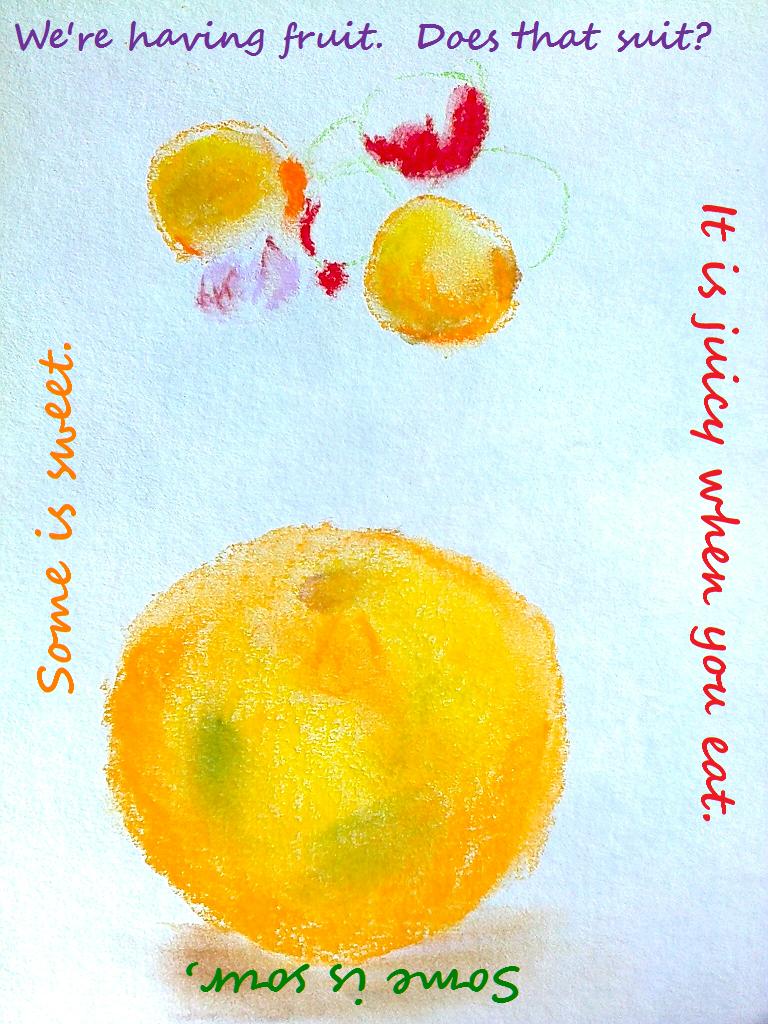
We’re having fruit

Muddy Boots

They’re on their way

Keep hope alive!

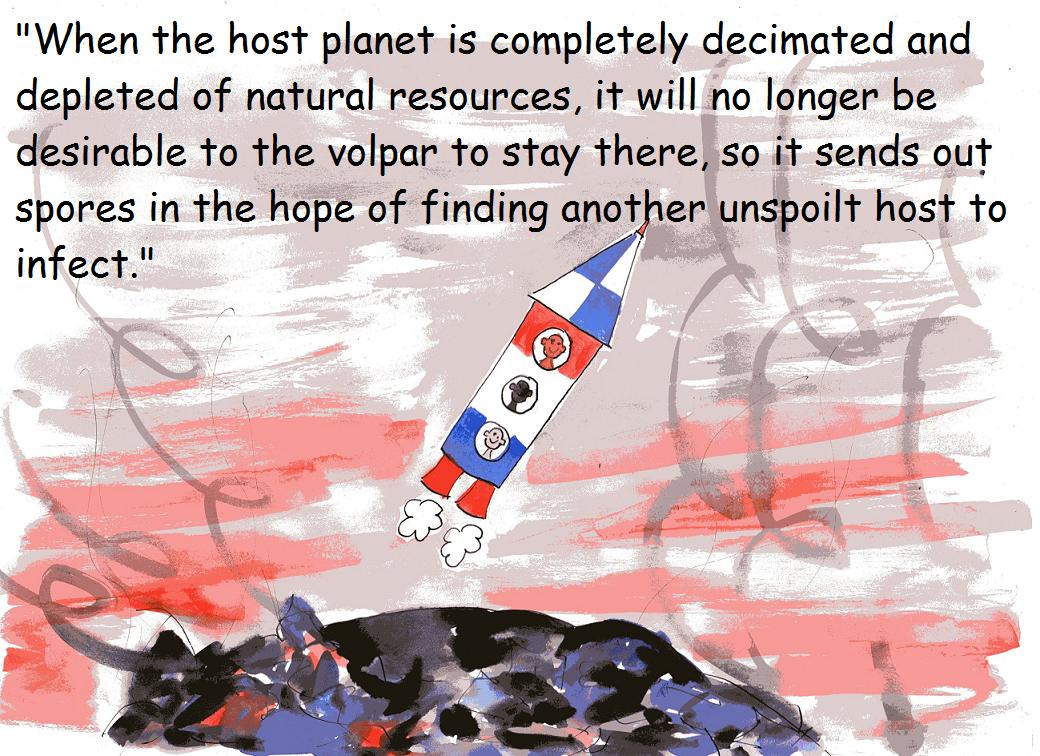
Spores

Yep

Natural Immunity?

And the Bipedicus Destructicus specifically?

And, what’s a volpar again?

So, not just a scary story?

What kind of volpar?

Isn’t that Earth?

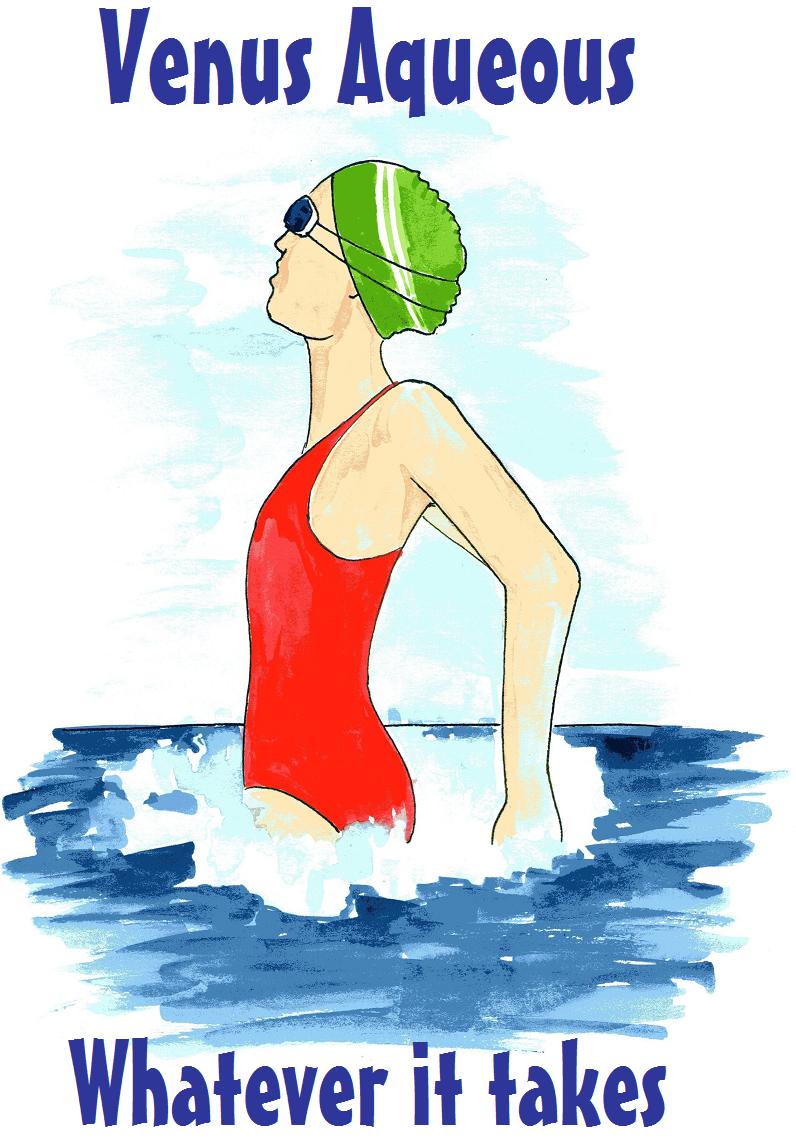
Whatever it takes

doin’ the right thing

Team Mates

Fair’s Fair

Dandelion and Murdock – Biscuit

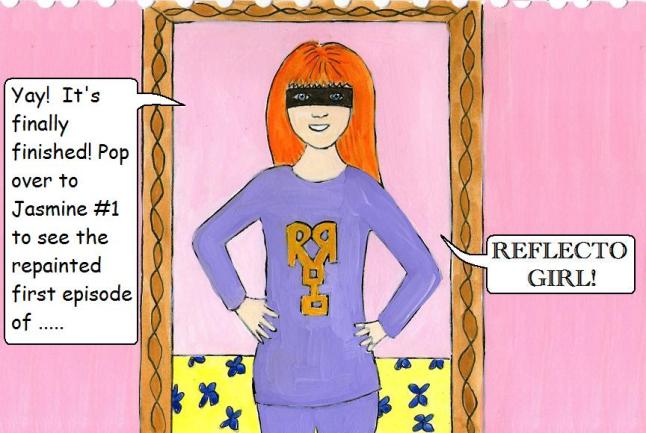
Reflecto Girl 1 and the new paint job

A Different Kind of T

You can never have too many T-shirts

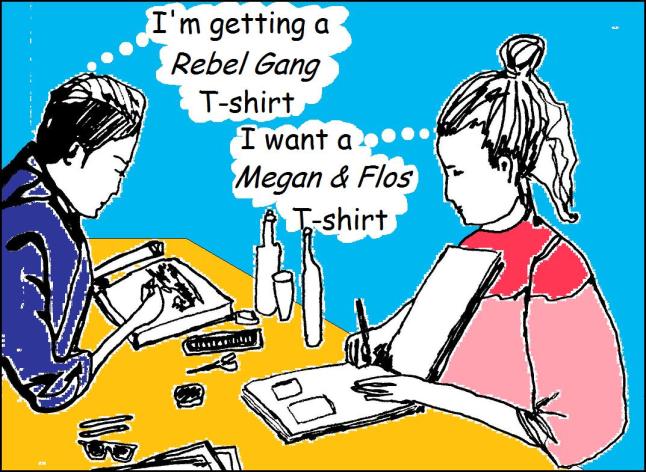
Which VVC T-Shirt?

How time flies

Maintenance in progress

A satisfying ending

back

All this week I’ve been in denial about my dissatisfaction with Where are you going Deidra?  I was so excited about finishing it, and I’d set myself a target of the end of last week, that I didn’t pause to think about whether it really was finished.  I was so focussed on getting across the message about the true cost of dairy farming, that I temporarily lost sight of my primary intention – to provide happy, positive, vegan inspiration for children, not to depress them.  I think it’s ok for me to put more serious, grown up items on the blog occasionally, and I think it’s important to be open and truthful about the harsh realities of animal exploitation.  I’m very glad I posted the heart-breaking story about the dairy cow who made the decision to hide one of her twins in the woods and give the farmer the other, rather than lose both.  Everyone needs to know that.  She deserves to have her story told and I know that it has touched the hearts of everyone who has read it.  The same goes for my poem.  But for the children I want to provide hope, happiness and enjoyment.

Positivity is the way forward and positivity, fun and entertainment is the way we want to encourage veganism at Violet’s Vegan Comics.  We want to give something good to bright, happy, kind, veggie children.  And we want to enlighten the instinctively compassionate little ones who haven’t heard of veganism but who are naturally inclined towards it.  The stories on this website are for all children – even grown up ones – and I hope they will be enjoyed by everyone who reads them.

I therefore decided Where are you going Deidra? wasn’t finished.  It needed a fully rounded happy ending that all children’s stories should have.  So today I’ve finished it.  I’ve worked all day and I’m pleased with it now.

 Have a look at it here

Then I made double chocolate chip cookies (I added some fair trade cocoa to the recipe from Jasmine #3 ) which gave my day a very very satisfying ending indeed 🙂

VEGAN DOUBLE CHOCOLATE CHIP COOKIES (not a brilliant photo but, take my word for it, they're good!)
VEGAN DOUBLE CHOCOLATE CHIP COOKIES (not a brilliant photo but, take my word for it, they’re good!)