A Very Merry Vegan Christmas

The inspiration behind Clarence and Luca, Part 1

These are the lives which inspired the characters of Clarence and Luca.

First, Melvin.

I was fortunate in my research to come across the blog of Peaceful Prairie Sanctuary which contains some extremely moving accounts of the lives of their residents.  The writing is so evocative, and so moving that to paraphrase it would not do it justice so the story below is directly quoted, copied and pasted, from a post by Joanna Lucas at peacefulprairie.blogspot.co.uk

Melvin, rescued turkey at Peaceful Prairie Sanctuary

Melvin, rescued turkey at Peaceful Prairie Sanctuary

He was rescued from a local flesh farm and brought to Peaceful Prairie with his five brothers when they were all very young, barely four months old, still soft in their feathers and tender in their voices – 6 newborn planets wobbling in their axes, orbiting the grasslands and the ferns with a buoyancy in their round, befeathered selves that almost felt like laughter – and, for a brief time after their arrival at the sanctuary, that first Spring, Summer and Fall of freedom, they were grounded so firmly in the hope of things, the wings of things, the rapture of things, the giddy promise of things, the endless summer of things, that they seemed inextinguishable – 6 new suns, shining the warmth of their attention towards everything in their world with such constancy, such enthusiasm, such intensity, that it felt like love. 
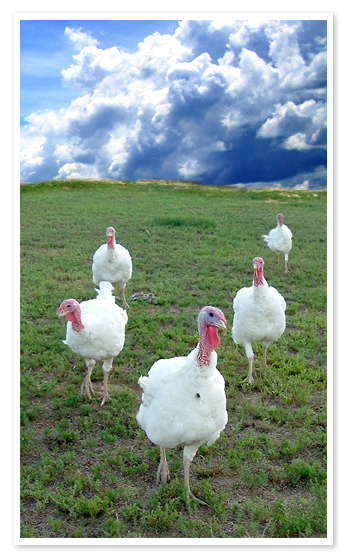
Melvin and his brothers enjoying their freedom at Peaceful Prairie Sanctuary

Melvin and his brothers enjoying their freedom at Peaceful Prairie Sanctuary

Everything they could see, smell, touch, taste, hear was embraced as nothing less than an earthly delight: the salty-mossy-fruity-fenny-bitter-acrid-sweet scents of grasses, the hedgerows, and the grasslands, and the bogs, the ravishing rain, the mud-luscious puddles, the iridescent hues of feathers and of snow, the sap-oozing milkweeds, the languidly stretched fields, the knotted thickets of bramble, the sweet, sapid, scintillating sights, scents, sounds of life all around them, the very dirt under their feet, and everyone walking on it. But almost as soon as they entered this welcoming world, it started to ebb away from them. Imperceptibly at first, but then faster and faster, harder and harder, punishing them where it had rewarded, pummeling them where it had caressed.

As Melvin, George, Stanley, Alfred, Elmer and Archie became progressively crippled, their genetically manipulated bodies growing around them like tumors, engulfing them in their grip, crushing themselves under their own weight, suffocating, choking, destroying themselves in the name of our “turkey dinners”, their ability to participate in life diminished and, with it, so did their openness to its gifts. Their daily cavalcades into the open fields became slower and slower, shorter and shorter, fewer and fewer, and then, eventually, not at all: George, Stanley, Alfred, Elmer and Archie died one by one, and, with each of them, a whole world of consciousness, memories, yearnings, everything each of them knew and remembered ceased to exist with him, the face of each, the scent of his body, his enthusiasm, his intelligence was gone with him.

After each loss, Melvin’s own light dimmed, as if disconnected from a power source. And, as the burden of sorrows, ailments and age accumulated, it took him longer and longer to return to bold, brilliant, demanding life.

But he always did. He lifted himself from sadnesses that grew deeper and deeper with each new loss, and he embarked again on his long, burning journeys all the way from his barn to the trailer, where the visitors were, and resumed the bruising, exhilarating toil of following them around, wheezing and coughing, his lungs and heart barely keeping up with his giant body, his legs deformed under its weight. He dragged himself back to the world he loved – improbable and sublime, like a house on legs, like a ship on dry sand – and savored each of its dwindling gifts: straw-scented shade, sweet grass and cracked corn, Shylo’s friendship, Chris’ voice, Michele’s presence, visitors he had charmed, and visitors he had yet to enchant. And he loved life with all her faults, and forgave her many trespasses.

Then, one day, he did not. When Shylo, his last remaining friend, died he isolated himself in the back of the barn and refused to leave. Morning after morning, the gates would fling open and everyone would rush out to greet the day, but Melvin did not. He remained rooted in the same dark spot and refused to leave. He did not move, he did not turn, he did not look away from the wall. 

Day after day, we’d find him in the same secluded nook, alone, listless, expecting nothing, demanding nothing, taking everything without joy, interest or protest, as though it was all happening to someone else. And nothing, not the promise of treats, nor the presence of visitors, nor any of the things he had so relished, could make him want to leave his self-imposed exile. If we hadn’t physically carried him outside, he would have remained in exactly the same spot, staring at the wall in front of him from morning till night, his back turned to the world he had so loved.

He shut the world out with such finality that he seemed more crushingly, more irrevocably gone than Shylo himself. That mysterious something that had resurrected him before, that obscure and irrepressible something that had restored his great broken heart so many times before, seemed irretrievable now. His body slumped, his eyes drained of light, his spirit wilted. He stopped preening, he stopped communicating, he stopped showering the world with his rapt attention, he stood there silent and still, anchored in place by a sort of strange devotion, as if waiting for something, an end or a return. him inside the house. And that’s where he still is today, sharing his shriveled world with the shut-ins, the frail, the old, the ill, the crippled who are there for a while or for the rest of their lives. Not much has changed. Despite the constant care and attention, he is still withdrawn, still solitary, still uncommunicative, still reluctant to move.

Except on Sundays. 

On Sundays, he stirs before everyone else, aflutter with his old excitement, anticipating something good, and already singing to this good thing, strutting for it, trilling turkey tunes to it – a big, crippled bird, dancing for joy when he can barely walk, trumpeting for joy when he can barely breathe. Acting as if the lost world of green fields, endless summers, thriving tribe of turkey toms was there again, swaggering about the room with laughter about him, displaying his plumage in a magnificent show of glistening feathers, hoisting his aching body across the room, dragging himself on swollen joints, covering the 20 long, painful steps from the kitchen to the front door, waiting, stirring, shimmering, shuffling his feet, atwitter with expectation, until he finally hears the sound he’s been waiting for: Ruth’s car pulling into the driveway.

Then he kicks the door with his left foot and demands something he vehemently rejects the rest of the time: to go out. We open the door and he swaggers out in the yard in full parade gear, his wattle quickened scarlet, his tail fanned out like a triumphal chariot wheel, his neck arched like a rainbow, his wings stretched all the way to the ground and held taut with robust, muscular grace. Ruth is here! And he acts as though the miraculous, spellbinding, rapturous days of his youth are back again, alive and present with the rich, red pulse of life – not remembered like a story, but felt, known, believed like a scent, like bread baking. Ruth is here! And he follows her around, quivering and shaking on gouty legs, and issuing forth a most astonishing array of flowing sounds punctuated by percussive feather pops in the tips of his wings, his burdened heart all aglow, his lungs filled not with mere oxygen but with something else, something imperious, something invincible, a force, not a substance – a shot of livingness straight into the throbbing heart with all its folly, wisdom, ache and yearning to be nothing but loved. 

By evening, Ruth has come and gone for another week and Melvin is still abuzz, ablaze, abloom with the swarm of the day, and relives it well into the night. Of all the people he sees every day, of all the souls he shares the house with, of all the volunteers gracing the sanctuary every week, only Ruth sweetens his heart till it remembers life’s most beautiful song – is! is! is!
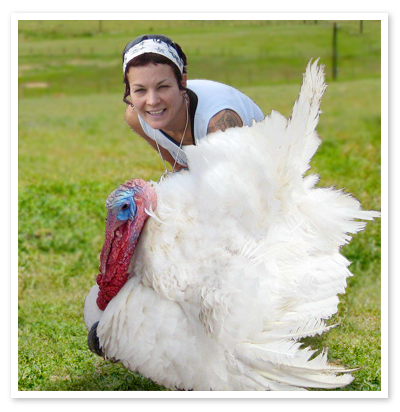
Melvin and Ruth at Peaceful Prairie Sanctuary

Melvin and Ruth at Peaceful Prairie Sanctuary

Thank you to all who work at and support Peaceful Prairie Sanctuary and to Joanna Lucas for her amazing eloquence.

If you haven’t considered giving up meat before, please consider it now in the light of the knowledge that the individuals slaughtered for your plate feel and love as you do.

Peace on Earth

Christmas Eve

As nature intended

Comfort

Just us now

Let’s go!

Big Blue Sky

“I’ve heard whispers that there is a way out …”

Luca

A turkey called Clarence

The Andersons have arrived!

1

2

3

4

The Andersons are coming! The countdown begins!

Fox Whisperer

Please Please Please

polar bears 2

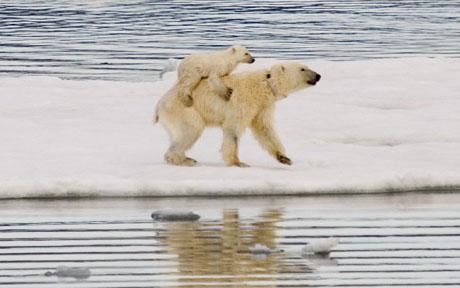
Please please please let me take my ease,

Let me ride on your back for a while.

My legs are short and not as strong as yours,

I’ve been walking for more than a mile.

polar bears piggy back rides

I’ll just climb on and I won’t take long

Try to stand still here for a minute.

I really appreciate you helping me out

And I promise not to fidget.

polar bears

Thank you thank you thank you Mum

This ride is good and comfy.

I can see from your reflection though,

That you enjoy it as much as me!

What they don’t tell you at school about William Wilberforce

What they will tell you:

William Wilberforce

  • William Wilberforce (1759-1833) is one of the best known British abolitionists. He was a Parliamentarian, writer and social reformer.
  • He was a close friend of William Pitt, the youngest Prime Minister in British history.
  • Wilberforce campaigned for health care, educational and prison reform and legislation to prohibit the worst forms of child labour. However, his greatest political efforts concerned the abolition of the slave trade and slavery.
  • In 1788-1789 he presented his Abolitionist Bill before the House of Commons for the first time. In a moving speech, he recited the horrific facts of slavery for three hours and ended with the words: “having heard all of this you may choose to look the other way but you can never again say that you did not know”.
  • Despite Wilberforce’s efforts the bill did not pass. Year after year, he re-introduced anti-slavery motions but to no avail. Finally, in 1807 the Abolition Bill was passed with 283 votes to 16, making the slave trade illegal on all British ships. It was an emotional day in Parliament and Wilberforce, having campaigned so strenuously, broke down and cried.
  • However, despite this victory, slavery itself remained intact and Wilberforce soon turned his attention to the emancipation of slaves in the British colonies. In 1823, he published the influential pamphlet “Appeal on Behalf of the Negro Slaves”. It led to the formation of the Anti-Slavery Society, which headed the emancipation campaign.Wilberforce retired from the House of Commons in 1825 and leadership of the Parliamentary campaign passed to Thomas Fowell Buxton. The Emancipation Bill slowly gathered support and was approved on 26 July 1833. On that day, slavery was abolished throughout the British Empire.

What they probably won’t tell you is that he was a:

William Wilberforce

  • Even as the slavery issue dominated his personal and political life, Wilberforce found time to champion the cause of animal protection from the moment it first surfaced.  He was present for and involved with every Parliamentary debate on cruelty issues, from the first failed proposal by Sir William Pultney in 1800 to the watershed breakthrough of Martin’s Act in 1822. Over those 22 years, moreover, Wilberforce remained faithful to the cause, against objections that the subject of cruelty to animals was not suited to the dignity of a legislature.
  • He said “If to be feelingly alive to the sufferings of my fellow-creatures is to be a fanatic, I am one of the most incurable fanatics ever permitted to be at large.”

What an awesome man 🙂

What they don’t tell you at school about Leonardo da Vinci

WHAT THEY WILL TELL YOU:

Leonardo da Vinci

  • Leonardo da Vinci is perhaps best known as a painter, with his legendary works including the Mona Lisa, the Vitruvian Man and the Last Supper, among others.
  • Leonardo da Vinci wasn’t just an incredible artist, he was an inventor, scientist, mathematician, engineer, writer, musician and much more.
  • The Mona Lisa is perhaps the most well known painting in the world. It is a half-length portrait of a woman who, along with the composition, background and other details, has been the subject of much speculation and discussion. It is believed that Leonardo da Vinci began painting the Mona Lisa around 1503. It has been on permanent display at the Louvre Museum in Paris for over 200 years.

mona lisa

WHAT THEY PROBABLY WON’T TELL YOU IS THAT HE WAS WIDELY REPUTED TO BE:

Leonardo da Vinci

We know this because Giuliano di Lorenzo de’ Medici (Leonardo’s patron for three years, from 1513 to 1516) financed the explorer Andrea Corsali’s voyage on a Portuguese ship and in a long letter to his patron Corsali made a remark about Leonardo when describing followers of Hinduism:

Alcuni gentili chiamati Guzzarati non si cibano dicosa alcuna che tenga sangue, ne fra essi loro consen tono che si noccia adalcuna cosa animata, come it nostro Leonardo da Vinci.

English translation:

Certain infidels called Guzzarati are so gentle that they do not feed on anything which has blood, nor will they allow anyone to hurt any living thing, like our Leonardo da Vinci.

What a guy! 😉

What they don’t tell you at school about Pythagoras

They’ll tell you a lot of stuff about Pythagoras at school, like:

Pythagoras

  • He worked out that in a right angled triangle, the square of the hypotenuse is equal to the sum of the squares of the other two sides: that’s Pythagorean Theorem
  • Pythagoras is often referred to as the first pure mathematician.
  • He was born on the island of Samos, Greece in 569 BC.
  • Pythagoras was well educated, and he played the lyre throughout his lifetime, knew poetry and recited Homer. He was interested in mathematics, philosophy, astronomy and music, and was greatly influenced by Pherekydes (philosophy), Thales (mathematics and astronomy) and Anaximander (philosophy, geometry).

But they probably won’t tell you that:

vegetarian pythagoras

And “Pythagorean diet” was a common name for the abstention from eating meat and fish, until the coining of “vegetarian” in the 19th century.

Stick that in your triangle and measure it!! 🙂

What they don’t tell you at school about Albert Einstein

WHAT THEY WILL TELL YOU:

Albert EinsteinAnd ….

  • He produced perhaps one of the most famous equations ever: E = mc² (energy equals mass multiplied by the speed of light squared).
  • Einstein won the 1921 Nobel Prize in Physics for his work on theoretical physics.
  • He worked on many other influential theories and projects including: the deflection of light by gravity, the quantum theory of atomic motion in solids, Brownian motion, an explanation for capillary action and much more.

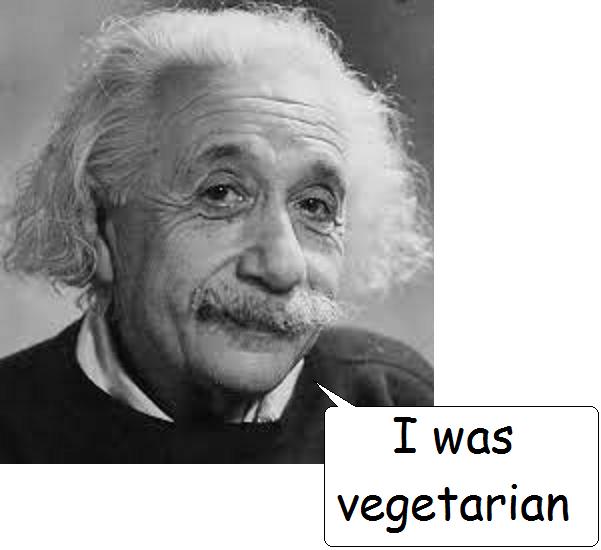
What they don’t often tell you is that towards the end of his life:

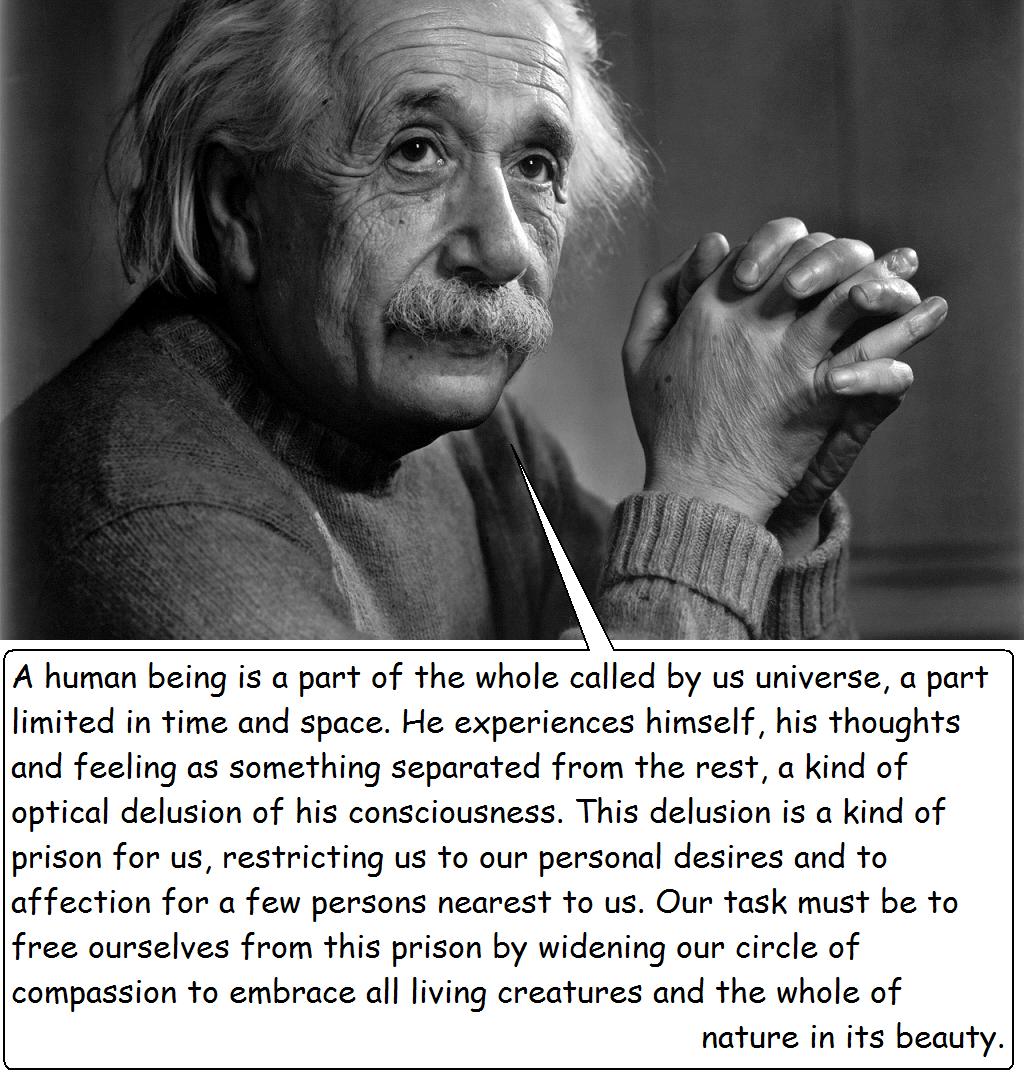
Albert Einstein

Albert EinsteinGenius! 🙂

Just keep going

We’re having fruit

Muddy Boots

They’re on their way

Keep hope alive!

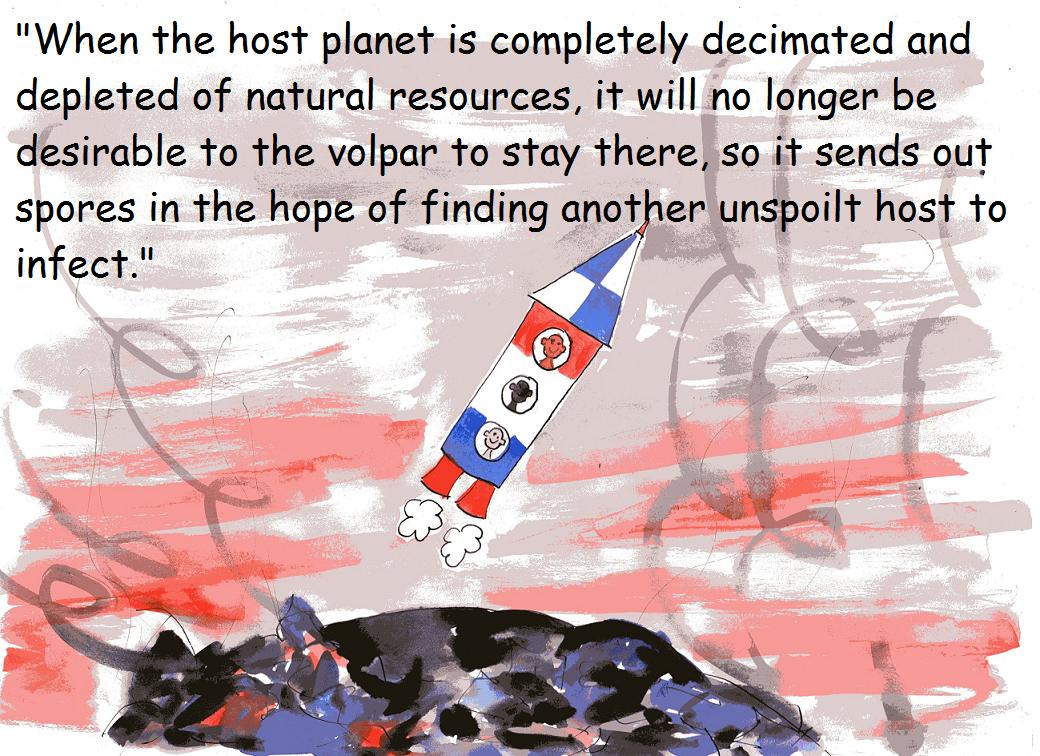
Spores

Yep

Natural Immunity?

And the Bipedicus Destructicus specifically?

And, what’s a volpar again?

So, not just a scary story?

What kind of volpar?

Isn’t that Earth?

Whatever it takes

doin’ the right thing

Team Mates

Fair’s Fair

ITCHYCOO PARK is just around the corner

The English Family Anderson – back story

A Dog’s Love

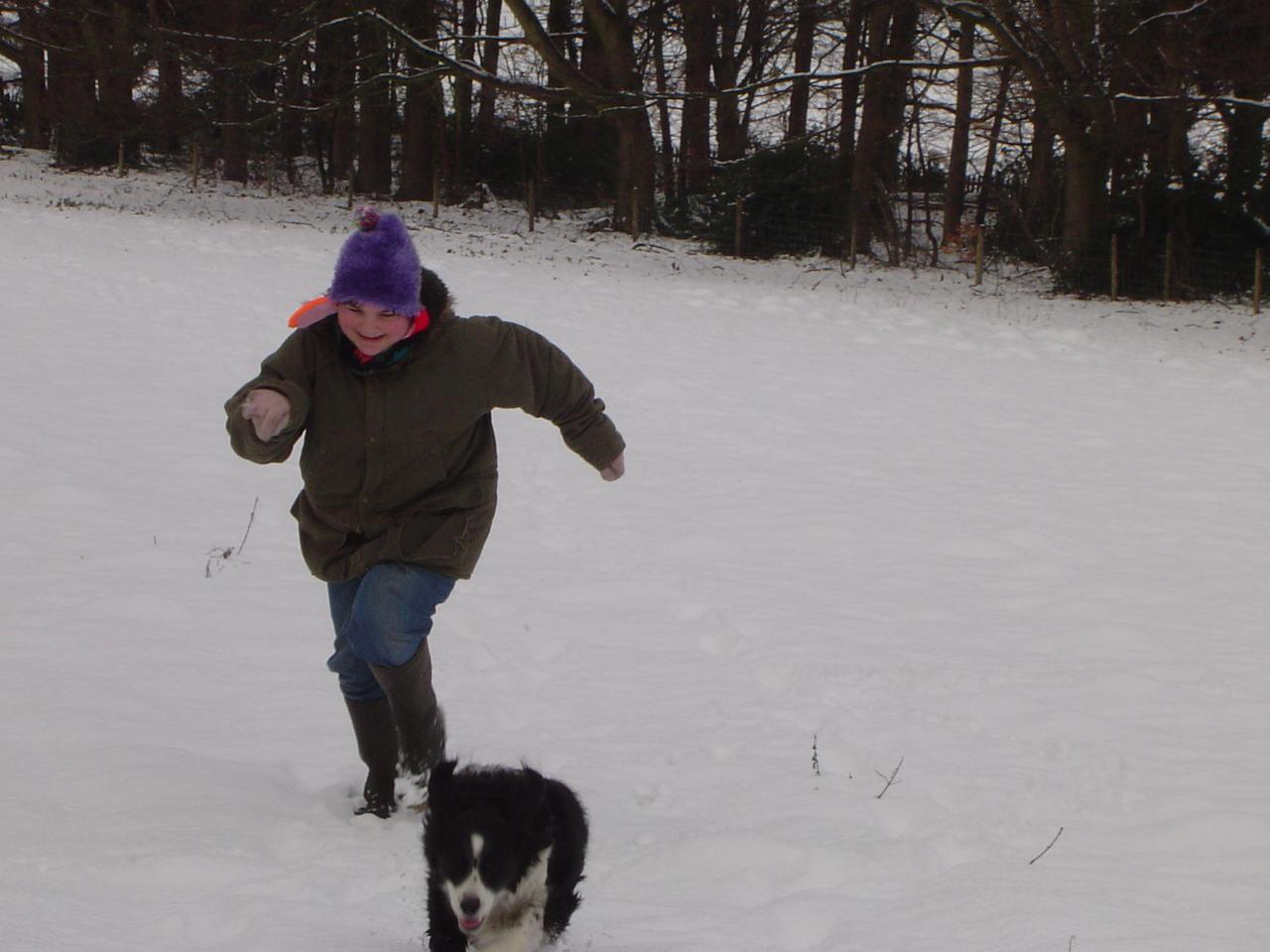
playing with my dog

When I need to love, my dog is faithfully there.
In the sweetest way, dogs show us how much they care.

They inspire us to play, to go for walks or a run,
A dog’s love is comforting and makes life more fun.

They’re willing love objects at any time of day.
And somehow my dog understands what I say.

From a dog’s warm welcome, true love is understood.
Their eyes reveal honesty; their heart is pure and good.

Great genius made the wagging tail, the ‘happy’ indicator,
Seeing a dog’s tail wag, my own happiness grows greater!

A dog’s Love offers a calming, therapeutic feeling,
Petting a dog’s coat has a wonderful way of healing.

A dog’s love truly feels as though it comes from a higher place
than the oftentimes self-serving love shown by the human race.

This interspecies relationship helps my soul to grow.
My Love should be more Dog-like; I am only human, though.

A Dog’s Love by the Vegan Poet

Point of View

Won’t be long now

Ted thinks ….

Open House Part 5

And now the 5th and final part of Violet’s Veg*n e-Comics’ Open House – I give you …

Things to make and do!

Here you will find a collection of fun activities like games, puzzles, recipes and crafts (kind of – is making things out of old card a craft?)

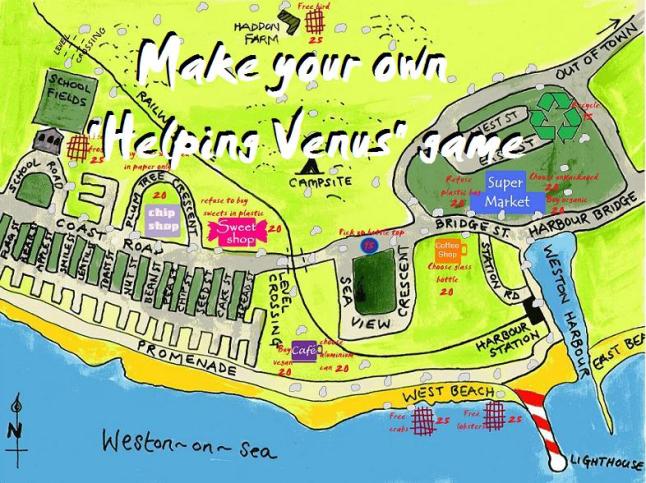
Now, should I include a picture?  Why not.  Here’s one of ….. how to make the ‘Helping Venus’ game:

veggie kids

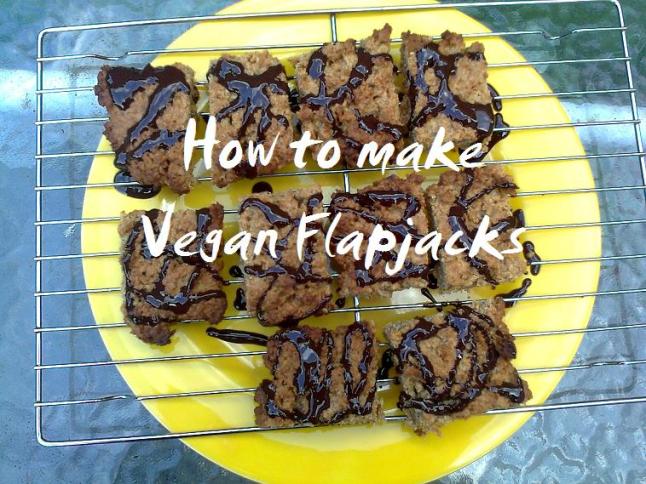
and here’s another one of some gorgeous vegan flapjacks you can make:

veggie kids

oooh, I’m hungry now …. see ya 🙂

Oh, clicking on these won’t work, just go to the ‘things to make and do’ link at the top.

Oh yes, words for google to notice, erm …. vegan, vegan children, veggie kids, vegetarian children, vegan comics, Violet’s Vegan Comics, vegan comics for children … that’ll do.

Open House Part 4

Open House Part 2

And the Open House continues on Violet’s Veg*n e-Comics (vegan comics for children; vegan comics; veggie kids – for the benefit of google 😉 ) with the stories in the 5 years and up age range (which can also be enjoyed by people of any age!)

This is the smallest collection with only 3 stories in this category at the moment, but we will strive to  add more as soon as is humanly possible!

First (since new stories will always be added to the top of the page, you will come to the later episodes before the earlier ones) Luke Walker episode 2:

veggie kids

Luke Walker is an 8 year old with a strong sense of right and wrong which tends to conflict with that of his teachers and parents. AWOL is the second story in the series

and

veggie kids

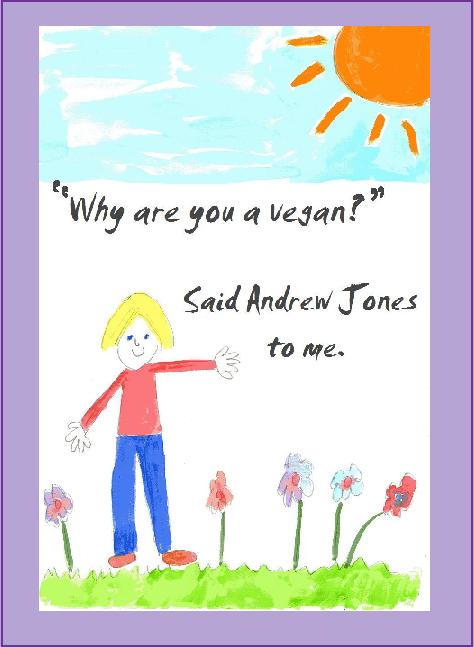
“Why are you a vegan?” is a rhyming story about a conversation between Andrew Jones (meat eater) and Jamila (vegan). It’s a bit of a laugh xx

and finally

veggie kids

This our introduction to the delightful Luke Walker

Don’t forget – you can click on the pictures 😉