Time’s up

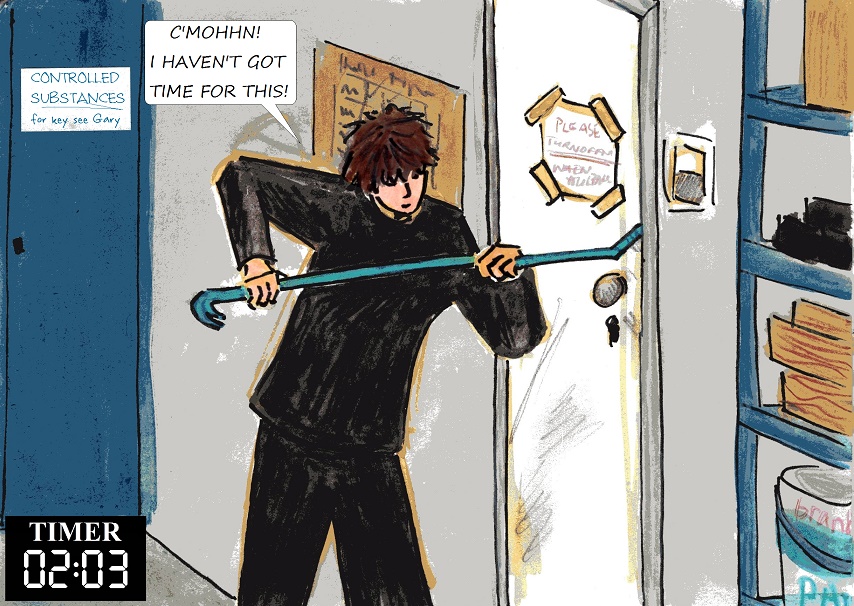
Any minute now

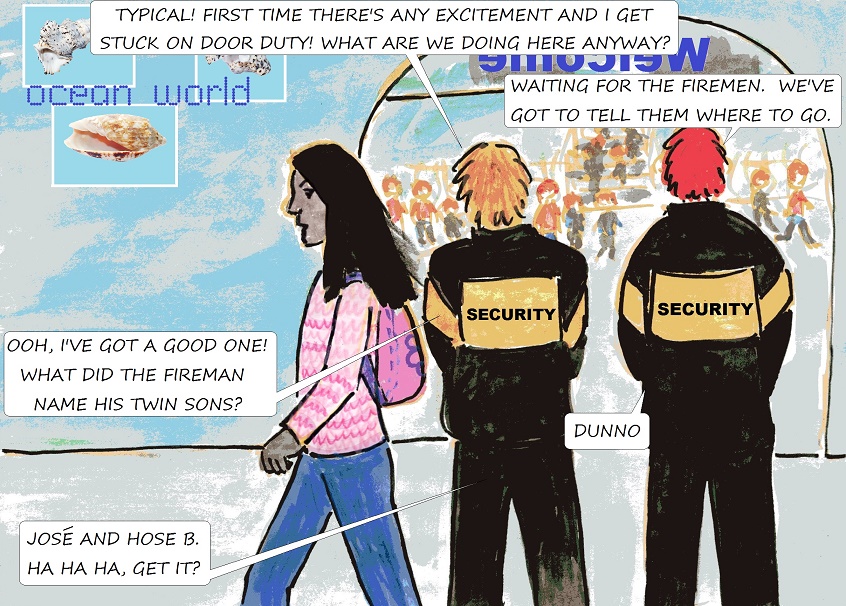
Waiting for firemen

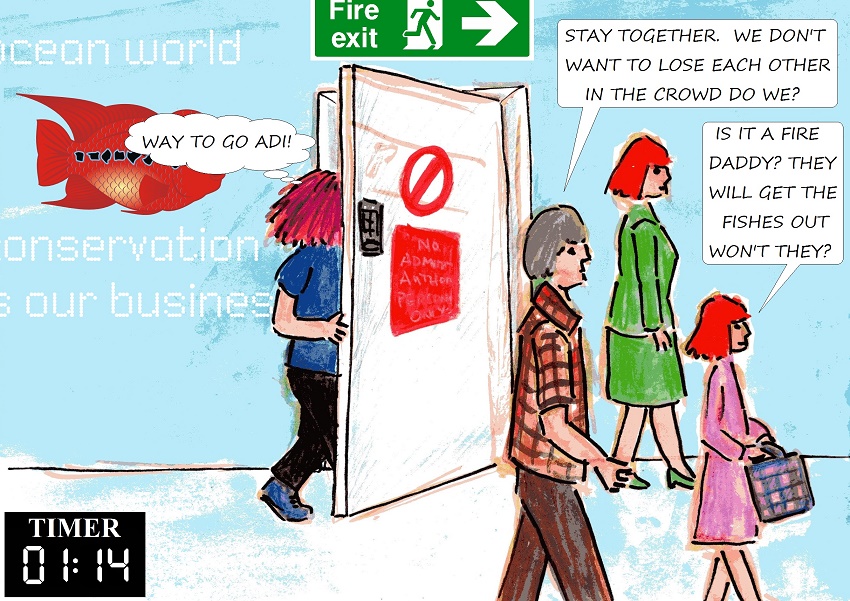
Keep it together!

11 minutes to go

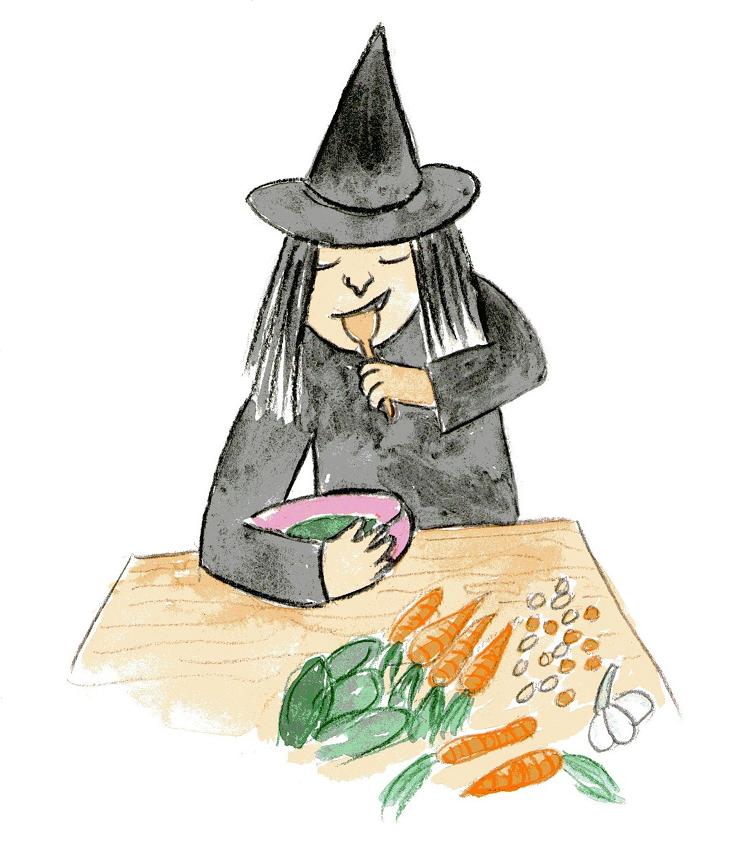
The Wicked Witch’s Plan To Get Rid Of Everyone begins here

vegan fairy tale

vegan fairy tale

vegan fairy tale

continues tomorrow … 😀

***************************************

Once upon a time, high on a mountain peak, surrounded by fog night and day, lived a wicked wicked witch. She was tall and thin and had long bony fingers. Her fingernails were green and she had a hard heart from which her purple blood ran cold.

She awoke when the crow cawed and slowly creaked to her feet. She cooked her breakfast of four slices of freshly butchered piglet and two sheep intestine tubes filled with finely minced calf flesh and fried tomatoes and toast. She consumed it all with relish and washed it down with a tall glass of baby growth fluid squeezed from a cow.

After breakfast the witch wiped her greasy mouth with the back of her hand and put the dishes in the sink. It was time to go to work.

For many hundreds of years the witch had been working on her plan to turn the world into a dry, desolate, poisonous place, somewhere only she and the cockroaches could thrive. That may seem like a long time to you and me but to the witch, who had lived in her castle for over ten thousand years, it was nothing.

********************************

vegan fairy tale, vegan story, vegan children’s story

Look out!!!

Woohoo!!!

New Year’s Resolution

The dinosaur and Penelope

Itchycoo Park #2: Christmas Special starts here

And then what happened?

Life-Giving Force

The Doctor Said

Another New Fairy Tale

Spider in my shower cap

New Fairy Tale – Coming Soon!

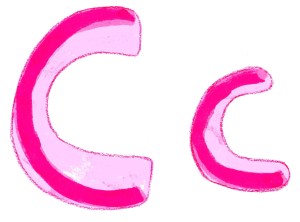
C is for Crab

hermit crab

Crab    noun

Oxford Dictionary definition:  1.  Shellfish with 10 legs  2.  This as food

Our definition:  1.  Crabs are sentient beings who live in all the world’s oceans, in fresh water, and on land, are generally covered with a thick exoskeleton and have a single pair of claws.  They attract a mate through chemical (pheromones), visual, acoustic or vibratory means. Pheromones are used by most fully aquatic crabs, while terrestrial and semi-terrestrial crabs often use visual signals, such as fiddler crab males waving their large claw to attract females. Crabs are mostly active animals with complex behaviour patterns.  They can communicate by drumming or waving their pincers.  Males will fight to win females or to defend territory.  Fiddler Crabs dig burrows in sand or mud, which they use for resting, hiding, mating and to defend against intruders. Crabs are omnivores, feeding primarily on algae, and taking any other food, including molluscs, worms, other crustaceans, fungi, bacteria and detritus, depending on their availability and the crab species.

2.  Crabs are boiled alive by humans who want to eat them.

*************

C

The Cc page is done now (click on the pic or go to the dictionary in the sidebar).

I’ll be starting on Dd today 😀

Bb-Day is here!

Rethinking the language with a vegan dictionary

vegan dictionary

So often we realise, and sometimes we don’t realise, that the words we use normalise animal exploitation and degradation.  A man might be angrily referred to as a ‘pig’ because he behaves in an obnoxious or sexist manner; a person might be called an ‘animal’ if they are aggressive or bad mannered; some animals are described by the way they taste instead of by characteristics which actually tell us something about them as individuals; people are desensitised to the harsh realities which face captive animals every day because words, like ‘abattoir’ for example, are defined simply as slaughterhouse which doesn’t begin to convey the horror and becomes an accepted and unquestioned fact that doesn’t make people recoil or revolt.

The other side of this coin is that some words are only described in relation to animal farming when in fact there is so much more to them (see alfalfa).

So we thought it would be a good idea to make a vegan dictionary, with words defined from a vegan point of view, and we’ll keep it high up in the sidebar for easy reference.  It will take a long time to complete – so far I have just done A! – but it is a very interesting endeavour and I am enjoying it.

DSCN3054

I began by referring to my big old Oxford dictionary.  I went through the A section, page by page, and every time I came across a word which normalised animal exploitation or degradation, or which was defined in a way which did, I copied it down and defined it honestly and fully to the best of my ability.  I also include the Oxford definition in my dictionary for comparison.

You can find the dictionary by clicking on the picture at the top of this post, or on the picture of the dictionary in the sidebar and that will take you to links to the lettered pages – so far, as I said, just A, but I’ll get started on B today!

I believe that most people, whether they be veg*n or not, have compassion for animals and the reason that many of those who feel love for other species still eat some of them is because they have been conditioned from birth not to question it.  It is deeply embedded in the language they speak.

When I was 13 I told my dad that I wanted to be vegetarian and he asked me why.  I told him that it was because I didn’t want animals to be killed.  He explained to me earnestly that it was all done humanely; that they don’t suffer.  He didn’t know that.  He didn’t know anything about animal farming or slaughter, but he believed it to be true.  He had been told that there were regulations in place to make sure the animals didn’t suffer and he believed it.  And he told me that it was true.  And that’s what most people think:  it is normal, it is natural and it is humane.
But it isn’t any of those things so we need a new normal, and it starts with the language.