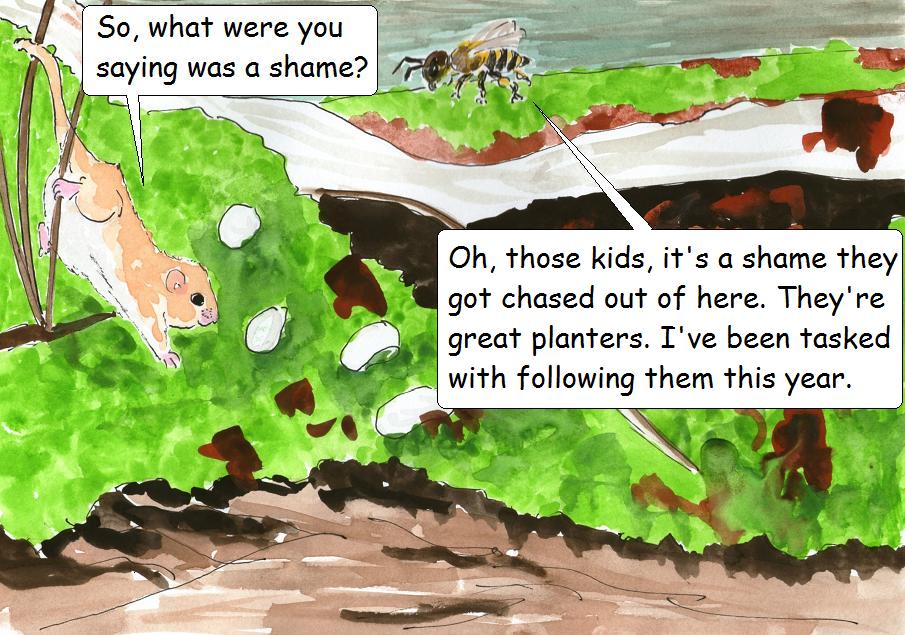
Great planters

Storytime

Please look after this bear

What are you looking at?

Walnut Counting Rhyme

grey squirrel

Up and down the walnut tree,

The squirrels run,

Just for fun,

Collecting nuts for free.

1, 2, 3.

The 4th they drop for me.

***

From branch to walnut branch,

The squirrels jump,

Without a bump,

Collecting nuts for free.

5, 6, 7.

The eighth they drop for me.

***

Round and round for walnuts bound,

The squirrels dance,

They skip and prance,

Collecting nuts for free.

9, 10, 11.

The 12th they drop for me.

***

Squirrels full of energy,

Go from tree to walnut tree,

Collecting nuts for free,

And dropping them for me.

When they have 30

How many will there be for me?

grey squirrel

Did you know that squirrels communicate with each other through various vocalisations and scent marking. They also use their tails as a signalling device, twitching it when uneasy to alert other squirrels of potential danger.  I have seen this and it’s fascinating to watch.

For more interesting facts about squirrels pop over here

Welcome Home

Five years later …

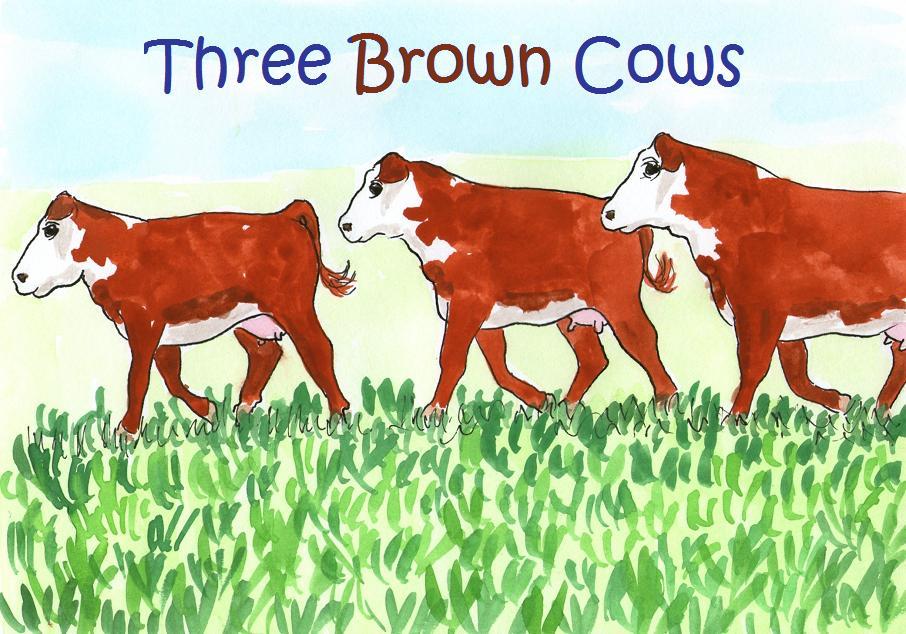
Three Brown Cows

Hickety pickety …

Baa baa black sheep

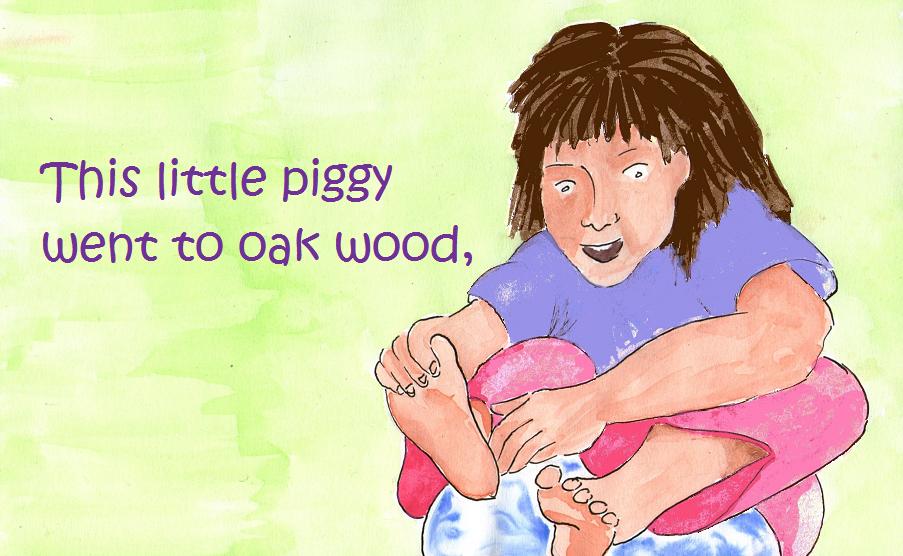
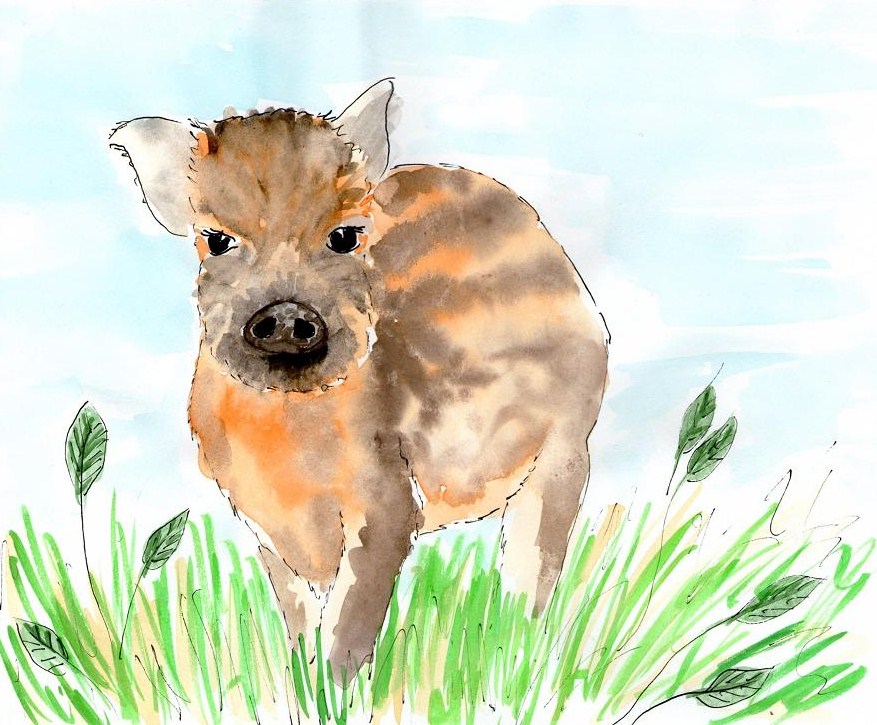
This little piggy …

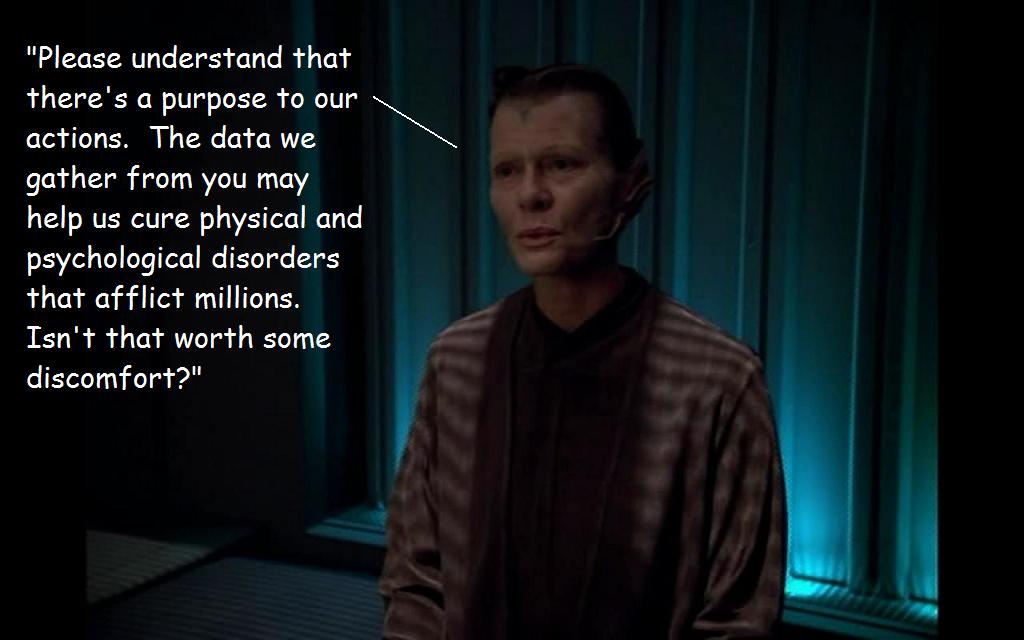
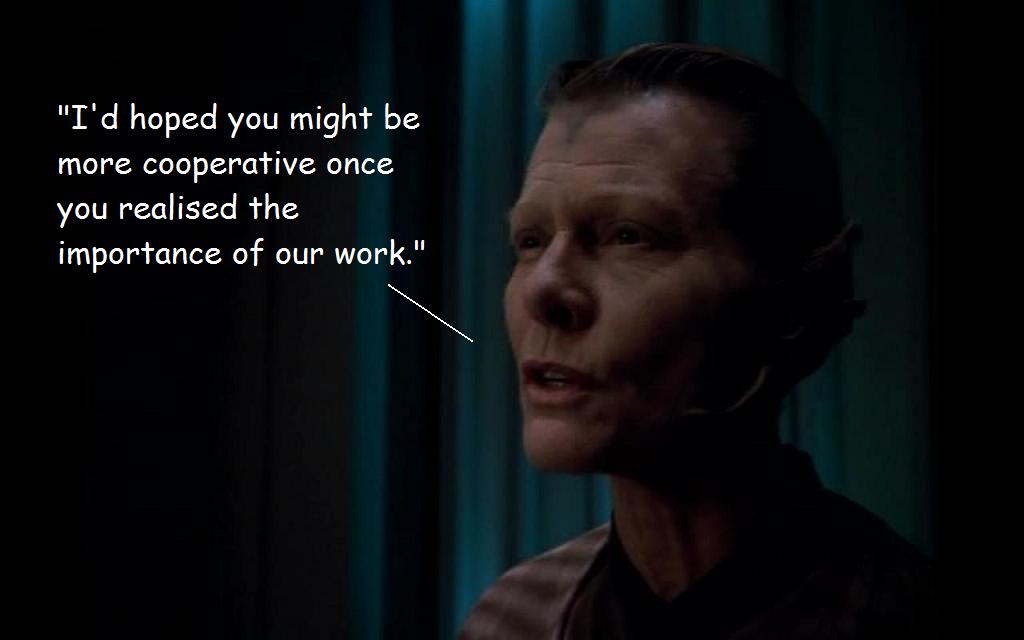
Doctor Slough invents a drug

Captain Janeway is awesome!

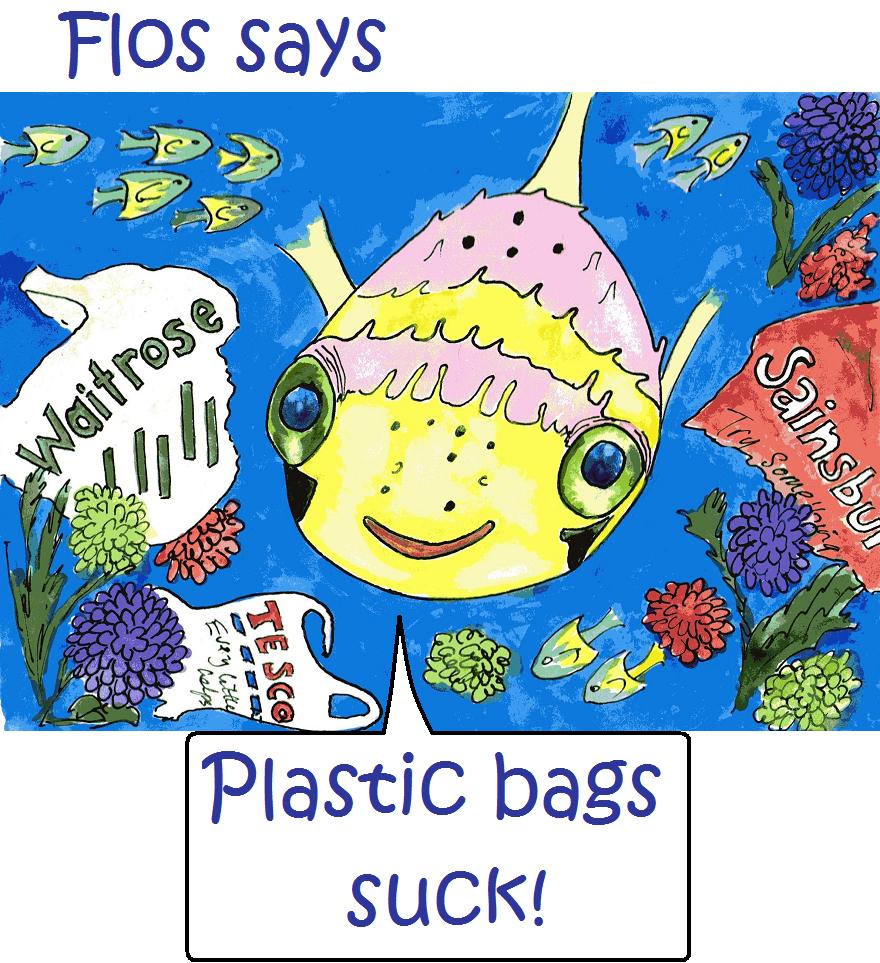
Flos says “Plastic bags suck!”

Get your hat!

Violet’s Animal Quiz

quiz header

This game is simple.  You can play alone or with friend(s).  All you have to do is turn over the question cards (play the videos 🙂 ) one at a time.

Either write down your answers (if you’re all answering the same question) or say your answer aloud (if you’re taking it in turns and only one of you is answering each question).

Then check the answer by turning the answer card for that particular question.  If you got it right you get a point – someone should keep score 😉

The person with the most points at the end is the winner 🙂

By the way, I got all the information for this quiz from herehereherehere and here so if you don’t know the answer and you don’t want to guess you can look it up

🙂

Question 1:

Question 2:

Question 3:

Question 4: 

(you can have a point if you get close to right answer on this one)

Question 5:

Question 6:

Question 7:

Question 8:

Question 9:

Question 10:

Question 11:

Question 12:

Question 13:

Question 14:

Question 15:

Question 16:

Question 17:

Question 18:

Question 19:

Question 20:

Question 21:

Question 22:

Question 23:

Question 24:

Question 25:

Question 26:

Question 27:

That’s the lot for now, but we will continually add more questions so do come back and pick up where you left off 🙂

Save the Bees!

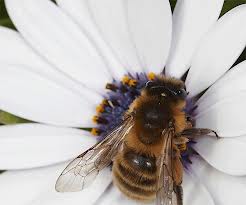
bee on flower

Save the Bees!

Bees don’t just make honey, they are vital to life on earth, every year pollinating 90% of plants and crops and without immediate action, many of our favourite fruits, vegetables, and nuts could vanish from our shelves.

Recent years have seen a massive decline in bee populations around the world and some bee species are already extinct! A key EU agency is saying that toxic pesticides called neonicotinoids could be responsible for the bee deaths. The EU has banned three of these bee-killers, but giant chemical producers like Bayer and Syngenta continue to export their poison across the world.

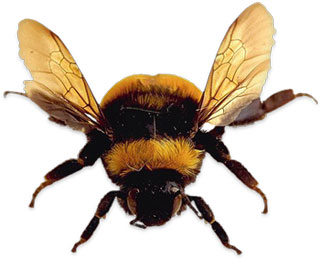
Bumble Bee

Bumble Bee

Let’s get people power to counter the powerful pesticide lobby and save bees from extinction. Please sign the urgent petition to leaders around the world, and then share it as wide as you can.

Thank you 😉

Edmund’s Lunch on YouTube

“I’m not dinner!” The Movie

The Animal Sanctuary, New Zealand

Jingle Bears

A Very Merry Vegan Christmas

The inspiration behind Clarence and Luca, Part 2

Libby and Louie, rescued chickens

Libby and Louie

The other story from the blog of Peaceful Prairie Sanctuary which inspired Clarence and Luca’s story is that of Libby and Louie.  You might wonder why, because Libby and Louie are chickens not turkeys.  And Libby and Louie are devoted partners, not siblings.  But the story of their devotion to each other, beautifully articulated by Joanna Lucas again, is the perfect illustration of the love felt between two individuals, whatever their species, the reliance they have on each other and the place they fill in each other’s hearts which cannot be filled by anyone else.

To all those who have said that animals live by instinct alone; that they don’t think and feel as we do; that they don’t have relationships like we do, I say read Libby and Louie’s story and then think again:

Libby’s thoughts were silent. Silence was her nature, her disposition, her remedy, her talent, her power, her gift, and her pleasure. She looked at the world in soundless wonder – her thoughts, streaming and darting, swelling and swarming in the dark pools of her eyes – and filled it with the hush of her mind.
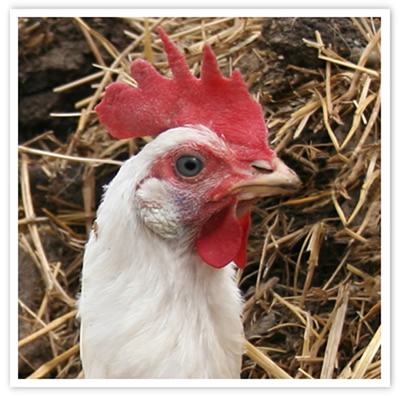
Libby at Peaceful Prairie Sanctuary

Libby

In the blush of her first weeks at the sanctuary, when everything astonished her – the open sky, the endless fields, the scent of rain, the feel of straw underfoot – we thought we heard her voice a few times: small, joyful cries coming out of nowhere, seemingly formed out of thin air, the musical friction of invisible particles, not the product of straining, vibrating, trembling vocal chords, but a sound of pure joy coming from the heart of life itself. But, after she paired up with Louie and became his sole partner, Libby turned so completely quiet, that we began to wonder if the voice we had heard in the beginning was truly hers.

Louie at Peaceful Prairie Sanctuary

Louie

Louie’s delight in the sound and functioning of his own magnificent voice, his pleasure in putting sound faces on everything – their finds and failures, their contentments and complaints, their yearnings and fears, their joys and hopes, the major, minor or minute events of their daily lives together – gave Libby the improbable ability of being heard without making a sound. For the first time in her life, she could enjoy the bliss of silence and the full power of voice at the same time. Her thoughts, her needs, her feelings, her pleasures and displeasures, were all there – perfectly voiced, perfectly formed, perfectly delivered in Louie’s utterings – each experience, captured in the jewel of a flawlessly pitched note. And in these notes, you could hear the developing musical portrait of Libby’s inner happenings.

There was the sighed coo for Libby’s request to slide under his wing, the raspy hiss for her alarm at OJ, the “killer” cat’s approach, the purred hum for her pleasure in dustbathing, the bubbling trill for her enjoyment in eating pumpkin seeds straight out of the pumpkin’s cool core on a summer day, the grinding creak for her tiredness, the rusty grumble for her achy joints. 

Libby and Louie, rescued chickens at Peaceful Prairies Sanctuary

Libby and Louie roaming

There was the growing vocabulary of songs used to voice their shared moments of delight – the lucky find of the treasure trove hidden in a compost pile, discovered by Libby and dug out with Louie’s help to reveal a feast of riches to taste, eat, explore, investigate or play with; or the gift of walking side by side into the morning sun and greeting a new day together; or the adventure of sneaking into the pig barn and chasing the flies that landed on the backs of the slumbering giants. 

Occasionally, there were the soundbursts for their shared moments of displeasure, hurt, sadness, fear, or downright panic, such as the time when Libby got accidentally locked in a barn that was being cleaned and Louie, distressed at the sudden separation, paced frantically up and down the narrow path on the other side of the closed door, crowing his alarm, crying his pleas, clucking his commands, flapping his wings, showering us with a spray of fervid whistles, following us around, then running back to the barn door, clacking at it, knocking on it, then running back to us, whirring his wings, stomping his feet, tapping the ground with his beak, staring intently, and generally communicating Libby’s predicament in every “language” available to him: sound, movement, gaze, color, and certainly scent too.

But, for all of their panache, Louie’s most spectacular acts of voice were not his magnificently crafted and projected vocal announcements but his quiet acts of allegiance, his tacit acts of devotion, his daily acts of restraint. The things he did not do.

Libby and Louie - rescued chickens at Peaceful Prairie Sanctuary

Libby and Louie’s roost

There was the silent song of giving up his treasured roost in the rafters, his nest in the sky where he had bunked every night of his years before Libby, the space where he felt safest surrendering to sleep, strongest entering the night. Happiest. The spot closest to the clouds. His personal Olympus. But, in her lameness, Libby couldn’t join him there. She managed to climb next to him a few times but, with only one foot to grip the perch, [she had lost her right foot to the wire floor of the “cage-free” egg farm from which she was rescued] she kept losing her balance and fell to the ground and, after a while, she stopped trying and just stayed there, grounded, anchored to the earth. So Louie quietly descended from his blue yonder and settled next to her in her terrestrial roost – a long, narrow tent created by a leaning plywood board – and he slept near the entrance, exposing himself to the intrusions of curious goats, wandering cats and restless geese, the better to protect Libby from them.

There was the soundless song of limiting the sport of his summer days to fewer and fewer hours when the stiffness in Libby’s stump increased with age, and the effort of following Louie in the fields, hobbling and wobbling behind him, turned from tiring to exhausting in fewer and fewer steps, and she started to retire to their nest earlier and earlier in the day. At first, she was able to make it till 6 in the evening, but then 6 became 5, and 5 became 4, and then it was barely 3 in the glorious middle of a summer day when she felt too weary to go on. The day was still in its full splendor, there was still so much more of its gift to explore and experience, and there was still so much energy and curiosity left in Louie to explore with, but Libby was tired, and she had to go to her tent under the plywood plank, and rest her aching joints. And Louie followed. With Libby gone from the dazzling heart of the summer day, the night came early for both of them. 

Then there was the tacit song of forfeiting his foraging expeditions and his place in the larger sanctuary community only to be with her. When Libby’s advancing age, added to the constant burden of her lameness, forced her to not only shorten her travels with Louie, but end them altogether, and when her increased frailness forced her to seek a more controlled environment than their plywood tent in the barn, she retired to the small, quiet refuge of the House. And Louie followed her there, too, even though he still enjoyed the wide open spaces, the wilder outdoors, the hustle and bustle of bunking in the barn. But Libby needed the extra comfort of the smaller, warmer, more predictable space inside the House and, even though Louie did not, he followed her anyway. And, when she started to spend more and more time indoors, curtailing her already brief outings, Louie did too. 

And there they were. Just the two of them in the world. A monogamous couple in a species where monogamy is the exception. Determined to stay together even though their union created more problems than it solved, increased their burdens more than it eased them, and thwarted their instincts more than it fulfilled them. 

Libby and Louie together at Peaceful Prairie Sanctuary

Libby and Louie together

It would have been easier and more “natural” for Louie to be in charge of a group of hens, like all the other roosters, but he ignored everyone except Libby. He paid no attention to the fluffy gray hen, the fiery blonde hen, the dreamy red hen, the sweet black hen dawdling in her downy pantaloons, or any of the 100 snow-white hens who, to our dim perceptions, looked exactly like Libby. Louie, the most resplendently bedecked and befeathered rooster of the sanctuary, remained devoted only to Libby – scrawny body, scraggly feathers, missing foot, hobbled gait and all. It’s true that, with our dull senses, we couldn’t grasp a fraction of what he saw in her because we can’t see, smell, hear, touch, taste, sense a scintilla of the sights, scents, sounds, textures, and tastes he does. But, even if we could see Libby in all her glory, it would still be clear that it wasn’t her physical attributes that enraptured Louie. If he sought her as his one and only companion, if he protected that union from all intrusions, it wasn’t because of her physique but because of her presence.

It would have been easier for Libby too – so vulnerable in her stunted, lame body – to join an existing chicken family and enjoy the added comfort, cover and protection of a larger group, but she never did. She stayed with Louie, and followed him on his daily treks in the open fields, limping and gimping behind him, exhausting herself only to be near him.

What bonded them was not about practical necessities or instinctual urges – if anything, it thwarted both. Their union was about something else, a rich inner abundance that seemed to flourish in each other’s presence, and that Libby nurtured in her silence and that Louie voiced, sang out loud, celebrated, noted, catalogued, documented, expressed, praised every day of their 1,800 days together. 

Except today. Today, it was Libby who “spoke” for both of them. And, this time, there was no doubt whose voice it was, or what it was saying, because it not only sounded off, it split open the sky, punctured the clouds, issued forth with such gripping force and immediacy that it stopped you dead in your tracks. It was a sound of such pure sorrow and longing, hanging there all alone, in stark and immaculate solitude, high above the din of sanctuary life, like the heart-piercing cry of an albatross. She had started to cluck barely audibly at dawn, when Louie failed to get up and lingered listlessly in their nest. She continued her plaintive murmur into the afternoon, when Louie became too weak to hold his head up and collapsed in a heap of limp feathers. And then, when we scooped him up and quarantined him into a separate room for treatment, her soft lament turned to wrenching wail.

The next morning, she was still sounding out her plea, her love, her desperation as she feverishly searched every open room in the house, then wandered out into the small front yard, then the larger back yard, and the small barns behind it. Soon, she left the house and the fenced yard and took her search to the open fields, cooing, calling, crying like a strange sky creature, using her voice as a beacon, it seemed, a sound trail for Louie to follow back to safety, and roaming farther than she had in months, stumbling and staggering on a foot and a stump, the light in her being dimming with every solitary minute, her eyes widened as if struggling to see in dark, her feathers, frayed at the edges, as though singed by the flames of an invisible fire, their sooted ends sticking out like thorns straight from the wound of her soul, her whole being looking tattered and disoriented, as if lost in a suddenly foreign world.
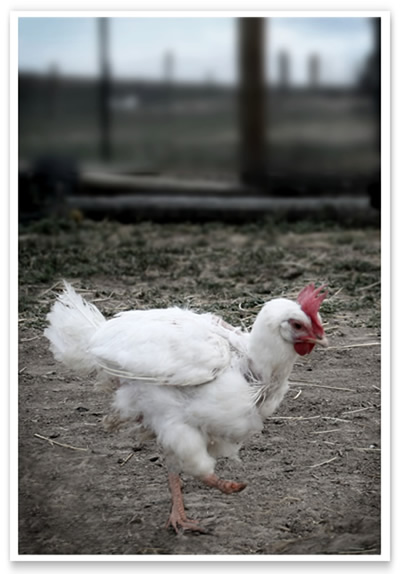
rescued chicken, Libby, at Peaceful Prairie Sanctuary

Libby alone

And, for three excruciating days, we didn’t dare hope she’d ever find him alive again. Louie was very weak, hanging to life by a thread that seemed thinner and thinner with each passing hour. He didn’t respond to the treatment we were advised to give him and, after three days of failed attempts, we were beginning to accept that there was nothing more we could do except to keep him comfortable, hydrated and quiet until the end. 

But we underestimated both his strength and her determination. Libby did find her soul mate again. We don’t know how she managed to get into the locked rehab room, but she did. We were planning to reunite them later that day – going against the Veterinarian’s advice, as we sometimes do out of mercy for the animals – because it had become clear to us that Louie’s ailment was not contagious, it was “just” a bad fit of old age. But Libby beat us to it. She found her way into his room, only she knows how, and Louie found his way back to life too, seemingly at the same moment. There he was, looking up for the first time in days, life flaring in his eyes again, and there she was, huddled next to him, quietly sharing his hospital crate. And there they still are, Louie, slowly recovering, and Libby, blissfully silent again. She hasn’t moved since. She won’t leave his side now that she’s found him again, she refuses to even look away from him, as if he might disappear in one blink of her eye, as if the force of her gaze alone can keep him anchored in life.

They are both quiet now – Louie, exhausted from his ailment, regaining his strength, Libby, exhausted from her dark journey, gazing steadily at him. Both, brimming, basking in the rich silence that is so alive with voice and flowing conversation, that it glows between them like a strange treasure. And it shines.

Libby and Louie, rescued chickens

Libby and Louie

The inspiration behind Clarence and Luca, Part 1

These are the lives which inspired the characters of Clarence and Luca.

First, Melvin.

I was fortunate in my research to come across the blog of Peaceful Prairie Sanctuary which contains some extremely moving accounts of the lives of their residents.  The writing is so evocative, and so moving that to paraphrase it would not do it justice so the story below is directly quoted, copied and pasted, from a post by Joanna Lucas at peacefulprairie.blogspot.co.uk

Melvin, rescued turkey at Peaceful Prairie Sanctuary

Melvin, rescued turkey at Peaceful Prairie Sanctuary

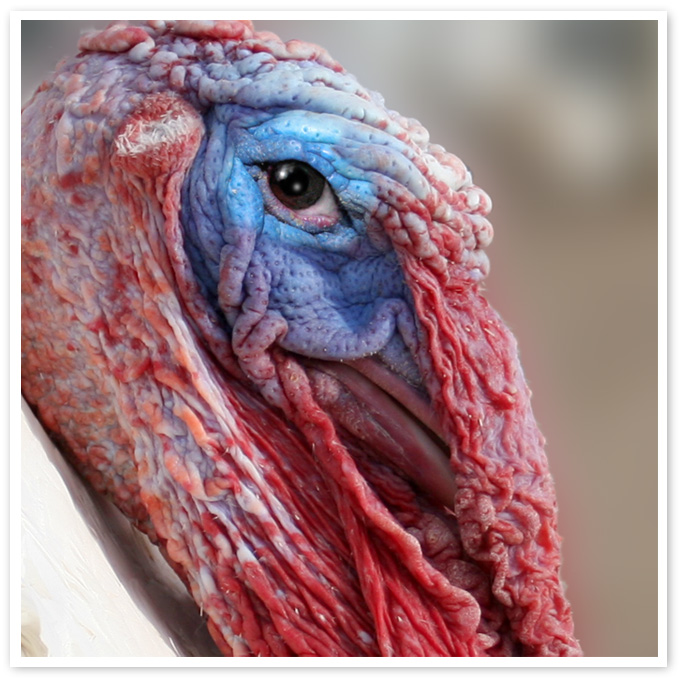
He was rescued from a local flesh farm and brought to Peaceful Prairie with his five brothers when they were all very young, barely four months old, still soft in their feathers and tender in their voices – 6 newborn planets wobbling in their axes, orbiting the grasslands and the ferns with a buoyancy in their round, befeathered selves that almost felt like laughter – and, for a brief time after their arrival at the sanctuary, that first Spring, Summer and Fall of freedom, they were grounded so firmly in the hope of things, the wings of things, the rapture of things, the giddy promise of things, the endless summer of things, that they seemed inextinguishable – 6 new suns, shining the warmth of their attention towards everything in their world with such constancy, such enthusiasm, such intensity, that it felt like love. 

Melvin and his brothers enjoying their freedom at Peaceful Prairie Sanctuary

Melvin and his brothers enjoying their freedom at Peaceful Prairie Sanctuary

Everything they could see, smell, touch, taste, hear was embraced as nothing less than an earthly delight: the salty-mossy-fruity-fenny-bitter-acrid-sweet scents of grasses, the hedgerows, and the grasslands, and the bogs, the ravishing rain, the mud-luscious puddles, the iridescent hues of feathers and of snow, the sap-oozing milkweeds, the languidly stretched fields, the knotted thickets of bramble, the sweet, sapid, scintillating sights, scents, sounds of life all around them, the very dirt under their feet, and everyone walking on it. But almost as soon as they entered this welcoming world, it started to ebb away from them. Imperceptibly at first, but then faster and faster, harder and harder, punishing them where it had rewarded, pummeling them where it had caressed.

As Melvin, George, Stanley, Alfred, Elmer and Archie became progressively crippled, their genetically manipulated bodies growing around them like tumors, engulfing them in their grip, crushing themselves under their own weight, suffocating, choking, destroying themselves in the name of our “turkey dinners”, their ability to participate in life diminished and, with it, so did their openness to its gifts. Their daily cavalcades into the open fields became slower and slower, shorter and shorter, fewer and fewer, and then, eventually, not at all: George, Stanley, Alfred, Elmer and Archie died one by one, and, with each of them, a whole world of consciousness, memories, yearnings, everything each of them knew and remembered ceased to exist with him, the face of each, the scent of his body, his enthusiasm, his intelligence was gone with him.

After each loss, Melvin’s own light dimmed, as if disconnected from a power source. And, as the burden of sorrows, ailments and age accumulated, it took him longer and longer to return to bold, brilliant, demanding life.

But he always did. He lifted himself from sadnesses that grew deeper and deeper with each new loss, and he embarked again on his long, burning journeys all the way from his barn to the trailer, where the visitors were, and resumed the bruising, exhilarating toil of following them around, wheezing and coughing, his lungs and heart barely keeping up with his giant body, his legs deformed under its weight. He dragged himself back to the world he loved – improbable and sublime, like a house on legs, like a ship on dry sand – and savored each of its dwindling gifts: straw-scented shade, sweet grass and cracked corn, Shylo’s friendship, Chris’ voice, Michele’s presence, visitors he had charmed, and visitors he had yet to enchant. And he loved life with all her faults, and forgave her many trespasses.

Then, one day, he did not. When Shylo, his last remaining friend, died he isolated himself in the back of the barn and refused to leave. Morning after morning, the gates would fling open and everyone would rush out to greet the day, but Melvin did not. He remained rooted in the same dark spot and refused to leave. He did not move, he did not turn, he did not look away from the wall. 

Day after day, we’d find him in the same secluded nook, alone, listless, expecting nothing, demanding nothing, taking everything without joy, interest or protest, as though it was all happening to someone else. And nothing, not the promise of treats, nor the presence of visitors, nor any of the things he had so relished, could make him want to leave his self-imposed exile. If we hadn’t physically carried him outside, he would have remained in exactly the same spot, staring at the wall in front of him from morning till night, his back turned to the world he had so loved.

He shut the world out with such finality that he seemed more crushingly, more irrevocably gone than Shylo himself. That mysterious something that had resurrected him before, that obscure and irrepressible something that had restored his great broken heart so many times before, seemed irretrievable now. His body slumped, his eyes drained of light, his spirit wilted. He stopped preening, he stopped communicating, he stopped showering the world with his rapt attention, he stood there silent and still, anchored in place by a sort of strange devotion, as if waiting for something, an end or a return. him inside the house. And that’s where he still is today, sharing his shriveled world with the shut-ins, the frail, the old, the ill, the crippled who are there for a while or for the rest of their lives. Not much has changed. Despite the constant care and attention, he is still withdrawn, still solitary, still uncommunicative, still reluctant to move.

Except on Sundays. 

On Sundays, he stirs before everyone else, aflutter with his old excitement, anticipating something good, and already singing to this good thing, strutting for it, trilling turkey tunes to it – a big, crippled bird, dancing for joy when he can barely walk, trumpeting for joy when he can barely breathe. Acting as if the lost world of green fields, endless summers, thriving tribe of turkey toms was there again, swaggering about the room with laughter about him, displaying his plumage in a magnificent show of glistening feathers, hoisting his aching body across the room, dragging himself on swollen joints, covering the 20 long, painful steps from the kitchen to the front door, waiting, stirring, shimmering, shuffling his feet, atwitter with expectation, until he finally hears the sound he’s been waiting for: Ruth’s car pulling into the driveway.

Then he kicks the door with his left foot and demands something he vehemently rejects the rest of the time: to go out. We open the door and he swaggers out in the yard in full parade gear, his wattle quickened scarlet, his tail fanned out like a triumphal chariot wheel, his neck arched like a rainbow, his wings stretched all the way to the ground and held taut with robust, muscular grace. Ruth is here! And he acts as though the miraculous, spellbinding, rapturous days of his youth are back again, alive and present with the rich, red pulse of life – not remembered like a story, but felt, known, believed like a scent, like bread baking. Ruth is here! And he follows her around, quivering and shaking on gouty legs, and issuing forth a most astonishing array of flowing sounds punctuated by percussive feather pops in the tips of his wings, his burdened heart all aglow, his lungs filled not with mere oxygen but with something else, something imperious, something invincible, a force, not a substance – a shot of livingness straight into the throbbing heart with all its folly, wisdom, ache and yearning to be nothing but loved. 

By evening, Ruth has come and gone for another week and Melvin is still abuzz, ablaze, abloom with the swarm of the day, and relives it well into the night. Of all the people he sees every day, of all the souls he shares the house with, of all the volunteers gracing the sanctuary every week, only Ruth sweetens his heart till it remembers life’s most beautiful song – is! is! is!

Melvin and Ruth at Peaceful Prairie Sanctuary

Melvin and Ruth at Peaceful Prairie Sanctuary

Thank you to all who work at and support Peaceful Prairie Sanctuary and to Joanna Lucas for her amazing eloquence.

If you haven’t considered giving up meat before, please consider it now in the light of the knowledge that the individuals slaughtered for your plate feel and love as you do.

Peace on Earth

Christmas Eve

As nature intended

Comfort

Just us now

Let’s go!

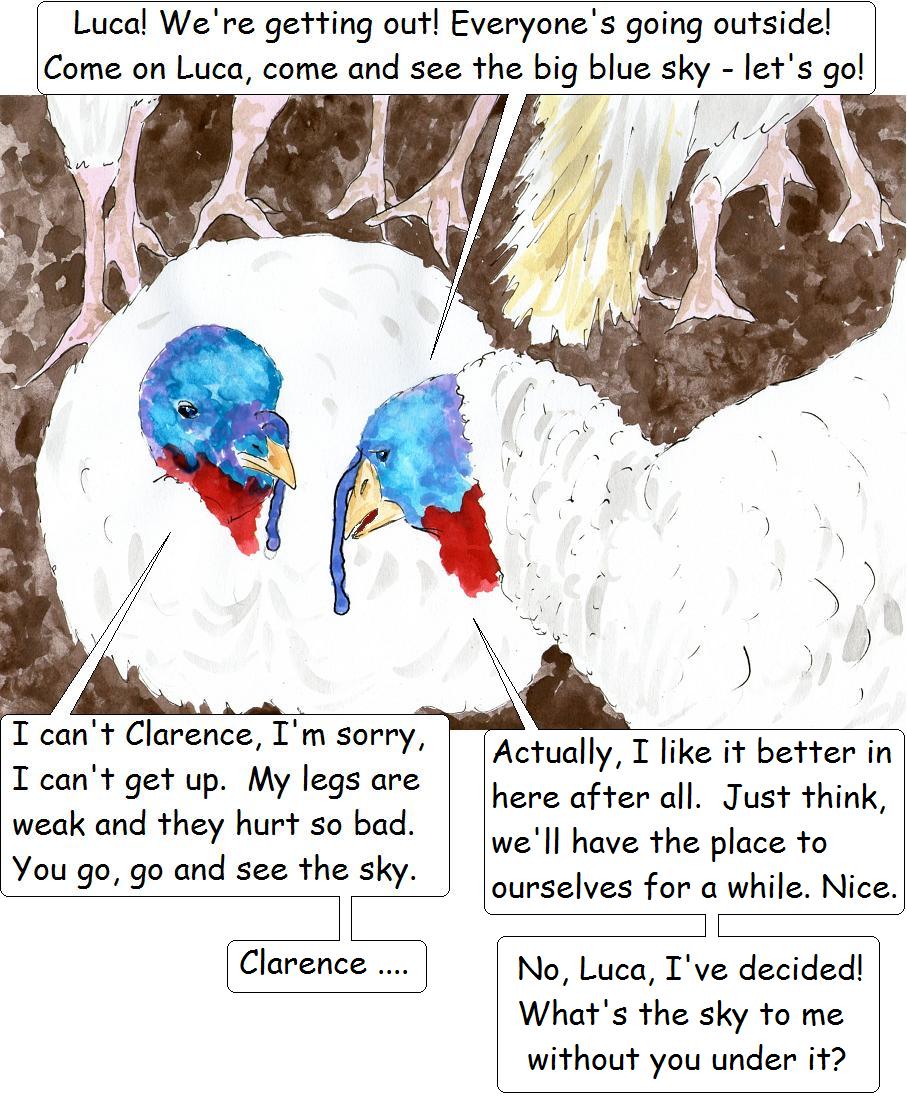
Big Blue Sky

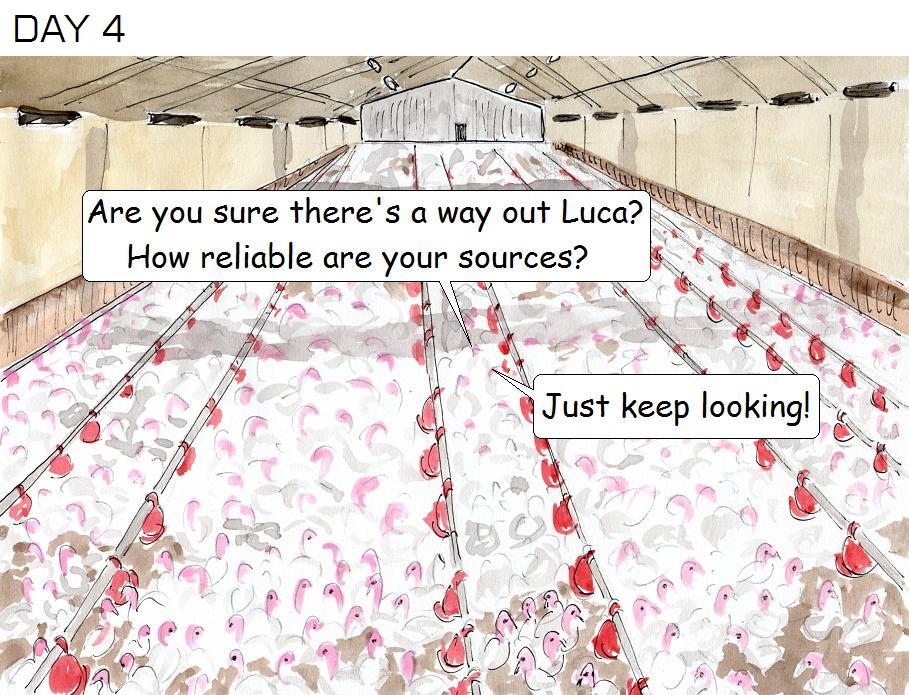
“I’ve heard whispers that there is a way out …”

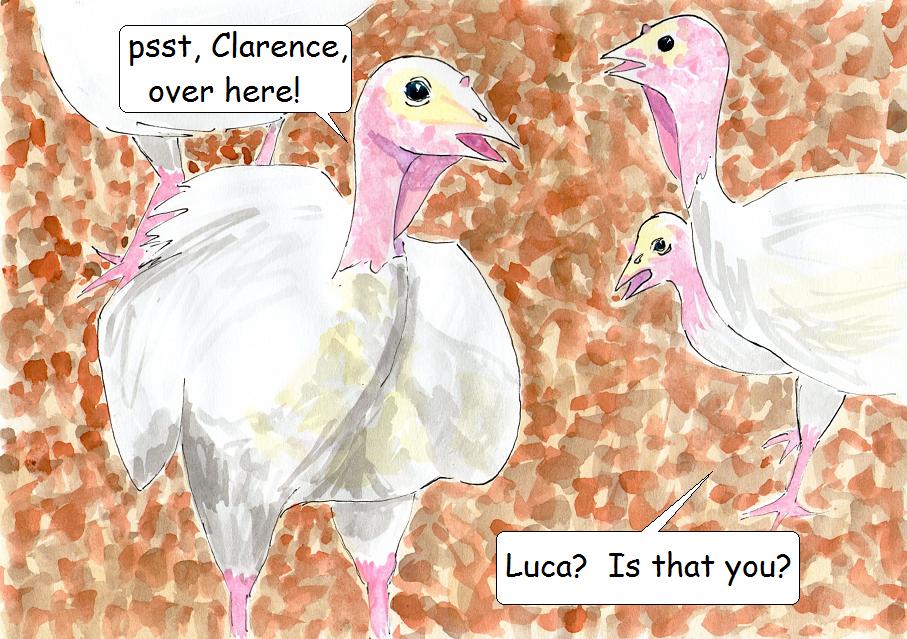
Luca

A turkey called Clarence

Goose

rescued goose

Written by Cheryl Bernstein (Gauteng, South Africa)

It was a hot summer Sunday and my husband and I decided to take our two grandchildren with their bicycles for a ride around our local lake.  Of course, a visit to the lake wouldn’t be the same without taking brown bread and feeding the multitude of ducks and geese that inhabit the lake and its island. There are probably around 200 geese and ducks at the lake. They are all hungry, surviving only on the grass that surrounds the lake.

My two grandchildren, armed with their packets of bread, began feeding the geese and were soon overwhelmed as the birds left the water and surrounded them, squaking and grabbing bread out their hands. Then, in the midst of all the noise, feathers, ducks and geese swimming about, swam a tiny, yellow gosling.

He could not have been more than two days old. He was desperate for something to eat and tried to grab a crumb or two of bread from the water, but the adult geese would have none of it. They pecked his tiny head and some even tried to push his head underwater. He tried to get away and climbed out onto a rock. I walked down to the water’s edge and grabbed him. Immediately, he put his tired little head onto my shoulder and closed his baby eyes. He was exhausted.  I felt his crop and it was empty. His tiny body was just skin, bone and fluffy down. This baby was starving.

My husband, the children and I decided to walk around the lake and look for other families of geese who had goslings to which this baby may belong. We walked and searched in the reeds for about an hour, eventually realizing this baby was abandoned and alone. We decided to take him home and raise him.  I made a gruel of finely grated carrots, carrot tops, celery tops, mashed duck pellets, crushed fresh corn and water, but the gosling didn’t recognize this as food and would only eat tiny crumbs of bread. This isn’t a balanced diet for a water bird.

I had done some years of bird rehabilitation in the past and I knew how to tube feed a bird, so I found the bird hand rearing mixture and tubed him. I then put him in a basket with a hot pad, and he fell asleep, cuddled on top of a fluffy toy I had given him for comfort.

The days passed in a blur of feeding, talking to and raising Goose. I sat with him for hours talking to him and pointing out juicy patches of grass to him. Goose grew big and strong, started eating on his own and his fluffy down was soon replaced with magnificent white feathers. His voice grew from a squeak to a squak and I watched with pride, as he developed into a beautiful bird. The intention was always to release him back onto the lake.

He had imprinted on me and would not let me out of his sight. When I was doing chores in the house, there was Goose — often lying down on the carpet and falling asleep until I was finished.

He followed me into the bathroom and when I showered he showered too with the little droplets of water that landed on his feathers.  He discovered TV and watched with his head to the side. When he got bored, he waddled outside to the pond where he declared his total ownership of the water and would not allow the other ducks to use it. He was very grumpy when he couldn’t get into the house and be with me, and would squak loudly and jabber in a grumpy goose voice till I came out again.

He loved his food and when I brought out his dish, he ran up and down the garden, wings out, screaming with delight. He particularly loved watermelon, and he got a quarter every day. At night, he would sleep outside against my glass bedroom door, chipping to me all night, just letting me know he was there. But come morning he would tap at the glass to be let in.

Decision day came about Goose’s future. I visited the lake again and was really sad to see hardly any geese or ducks on the lake. They had almost all been culled. There was a sinking pit in my stomach knowing that Goose could have been killed in that cull too. Releasing him back onto the lake would spell certain death for him in many ways, mainly being that he would likely be caught up in the next year’s cull. Besides, he was used to being fed a good diet regularly, and didn’t live mainly off grass. He wouldn’t be able to find food for himself.

He was a happy bird, strong and lively, and had the run of a very big garden and pond. But something was missing from his life – and that was companionship. So one night my husband brought home a big cardboard box and inside was the answer to our prayers. A big, beautiful grey female goose. At first Goose showed no interest, nipping her and chasing her. But she was persistent and followed him everywhere, and she eventually won him over with her charm.

Today, Goose is a happy and healthy goose, king of the garden and his duck herd which consists of his lady goose and two ducks,  who follow him around. He knows his feeding times and calls me loudly if I am a minute late with his food. He still comes into the house and plods after me, he sleeps as near as he can to me at night, on the step of my glass bedroom door, and chirps to me. He is probably bigger than most geese due to a balanced diet and regular food.

I visited the lake again on the weekend, and there are hardly any geese on the lake. As much as I would have liked to see Goose on a lake with his own kind, he is loved and cared for in my garden — and much more than that, he is safe.

He will live out a long and fulfilled life, with no threat to his life, ever.

rescued goose

Read more: http://www.care2.com/causes/starving-baby-goose-falls-in-love-with-his-rescuer.html#ixzz2mosrMlJA

Fox Whisperer

Please Please Please

What they don’t tell you at school about William Wilberforce

What they will tell you:

William Wilberforce

  • William Wilberforce (1759-1833) is one of the best known British abolitionists. He was a Parliamentarian, writer and social reformer.
  • He was a close friend of William Pitt, the youngest Prime Minister in British history.
  • Wilberforce campaigned for health care, educational and prison reform and legislation to prohibit the worst forms of child labour. However, his greatest political efforts concerned the abolition of the slave trade and slavery.
  • In 1788-1789 he presented his Abolitionist Bill before the House of Commons for the first time. In a moving speech, he recited the horrific facts of slavery for three hours and ended with the words: “having heard all of this you may choose to look the other way but you can never again say that you did not know”.
  • Despite Wilberforce’s efforts the bill did not pass. Year after year, he re-introduced anti-slavery motions but to no avail. Finally, in 1807 the Abolition Bill was passed with 283 votes to 16, making the slave trade illegal on all British ships. It was an emotional day in Parliament and Wilberforce, having campaigned so strenuously, broke down and cried.
  • However, despite this victory, slavery itself remained intact and Wilberforce soon turned his attention to the emancipation of slaves in the British colonies. In 1823, he published the influential pamphlet “Appeal on Behalf of the Negro Slaves”. It led to the formation of the Anti-Slavery Society, which headed the emancipation campaign.Wilberforce retired from the House of Commons in 1825 and leadership of the Parliamentary campaign passed to Thomas Fowell Buxton. The Emancipation Bill slowly gathered support and was approved on 26 July 1833. On that day, slavery was abolished throughout the British Empire.

What they probably won’t tell you is that he was a:

William Wilberforce

  • Even as the slavery issue dominated his personal and political life, Wilberforce found time to champion the cause of animal protection from the moment it first surfaced.  He was present for and involved with every Parliamentary debate on cruelty issues, from the first failed proposal by Sir William Pultney in 1800 to the watershed breakthrough of Martin’s Act in 1822. Over those 22 years, moreover, Wilberforce remained faithful to the cause, against objections that the subject of cruelty to animals was not suited to the dignity of a legislature.
  • He said “If to be feelingly alive to the sufferings of my fellow-creatures is to be a fanatic, I am one of the most incurable fanatics ever permitted to be at large.”

What an awesome man 🙂

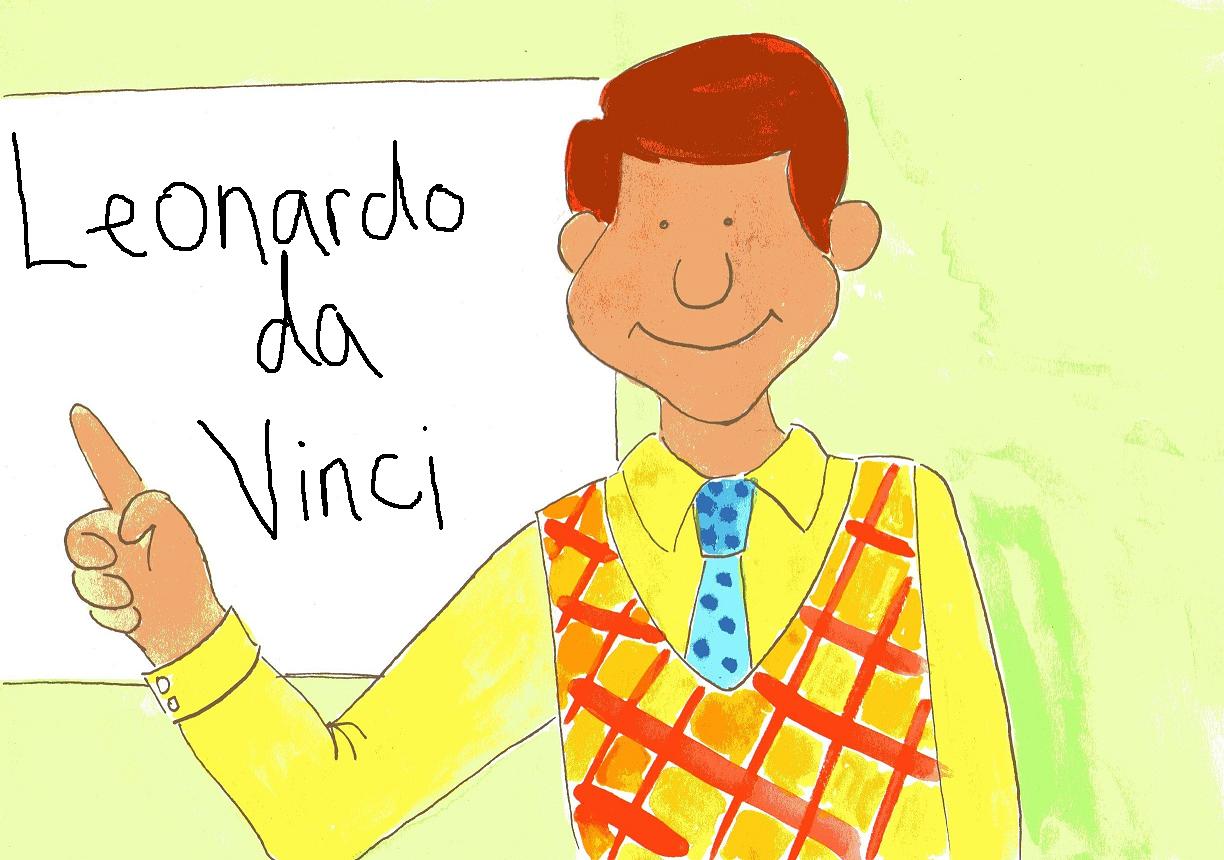
What they don’t tell you at school about Leonardo da Vinci

WHAT THEY WILL TELL YOU:

Leonardo da Vinci

  • Leonardo da Vinci is perhaps best known as a painter, with his legendary works including the Mona Lisa, the Vitruvian Man and the Last Supper, among others.
  • Leonardo da Vinci wasn’t just an incredible artist, he was an inventor, scientist, mathematician, engineer, writer, musician and much more.
  • The Mona Lisa is perhaps the most well known painting in the world. It is a half-length portrait of a woman who, along with the composition, background and other details, has been the subject of much speculation and discussion. It is believed that Leonardo da Vinci began painting the Mona Lisa around 1503. It has been on permanent display at the Louvre Museum in Paris for over 200 years.

mona lisa

WHAT THEY PROBABLY WON’T TELL YOU IS THAT HE WAS WIDELY REPUTED TO BE:

Leonardo da Vinci

We know this because Giuliano di Lorenzo de’ Medici (Leonardo’s patron for three years, from 1513 to 1516) financed the explorer Andrea Corsali’s voyage on a Portuguese ship and in a long letter to his patron Corsali made a remark about Leonardo when describing followers of Hinduism:

Alcuni gentili chiamati Guzzarati non si cibano dicosa alcuna che tenga sangue, ne fra essi loro consen tono che si noccia adalcuna cosa animata, come it nostro Leonardo da Vinci.

English translation:

Certain infidels called Guzzarati are so gentle that they do not feed on anything which has blood, nor will they allow anyone to hurt any living thing, like our Leonardo da Vinci.

What a guy! 😉

What they don’t tell you at school about Pythagoras

They’ll tell you a lot of stuff about Pythagoras at school, like:

Pythagoras

  • He worked out that in a right angled triangle, the square of the hypotenuse is equal to the sum of the squares of the other two sides: that’s Pythagorean Theorem
  • Pythagoras is often referred to as the first pure mathematician.
  • He was born on the island of Samos, Greece in 569 BC.
  • Pythagoras was well educated, and he played the lyre throughout his lifetime, knew poetry and recited Homer. He was interested in mathematics, philosophy, astronomy and music, and was greatly influenced by Pherekydes (philosophy), Thales (mathematics and astronomy) and Anaximander (philosophy, geometry).

But they probably won’t tell you that:

vegetarian pythagoras

And “Pythagorean diet” was a common name for the abstention from eating meat and fish, until the coining of “vegetarian” in the 19th century.

Stick that in your triangle and measure it!! 🙂

Parenting is ….

If animals spoke our language

Eve with Minnie the house marten

Animals speak to us in their own way,
but if they spoke with words, what would they say?
One thing I declare, without ANY doubt:
All creatures in cages would say ‘Let me out!’

‘Watch my eyes follow your every motion’
A dog would say, ‘my life speaks of devotion’.
A horse would say, ‘A fire burns deep within me
that yearns to run through the countryside, free!’

One way we can improve the human race
is to respect those of a different face.
We need to listen in a whole new way
to what animals are trying to say.

Excerpt from If animals spoke our language by the Vegan Poet

A Dog’s Love

playing with my dog

When I need to love, my dog is faithfully there.
In the sweetest way, dogs show us how much they care.

They inspire us to play, to go for walks or a run,
A dog’s love is comforting and makes life more fun.

They’re willing love objects at any time of day.
And somehow my dog understands what I say.

From a dog’s warm welcome, true love is understood.
Their eyes reveal honesty; their heart is pure and good.

Great genius made the wagging tail, the ‘happy’ indicator,
Seeing a dog’s tail wag, my own happiness grows greater!

A dog’s Love offers a calming, therapeutic feeling,
Petting a dog’s coat has a wonderful way of healing.

A dog’s love truly feels as though it comes from a higher place
than the oftentimes self-serving love shown by the human race.

This interspecies relationship helps my soul to grow.
My Love should be more Dog-like; I am only human, though.

A Dog’s Love by the Vegan Poet

Just get comfy

She said, he said …

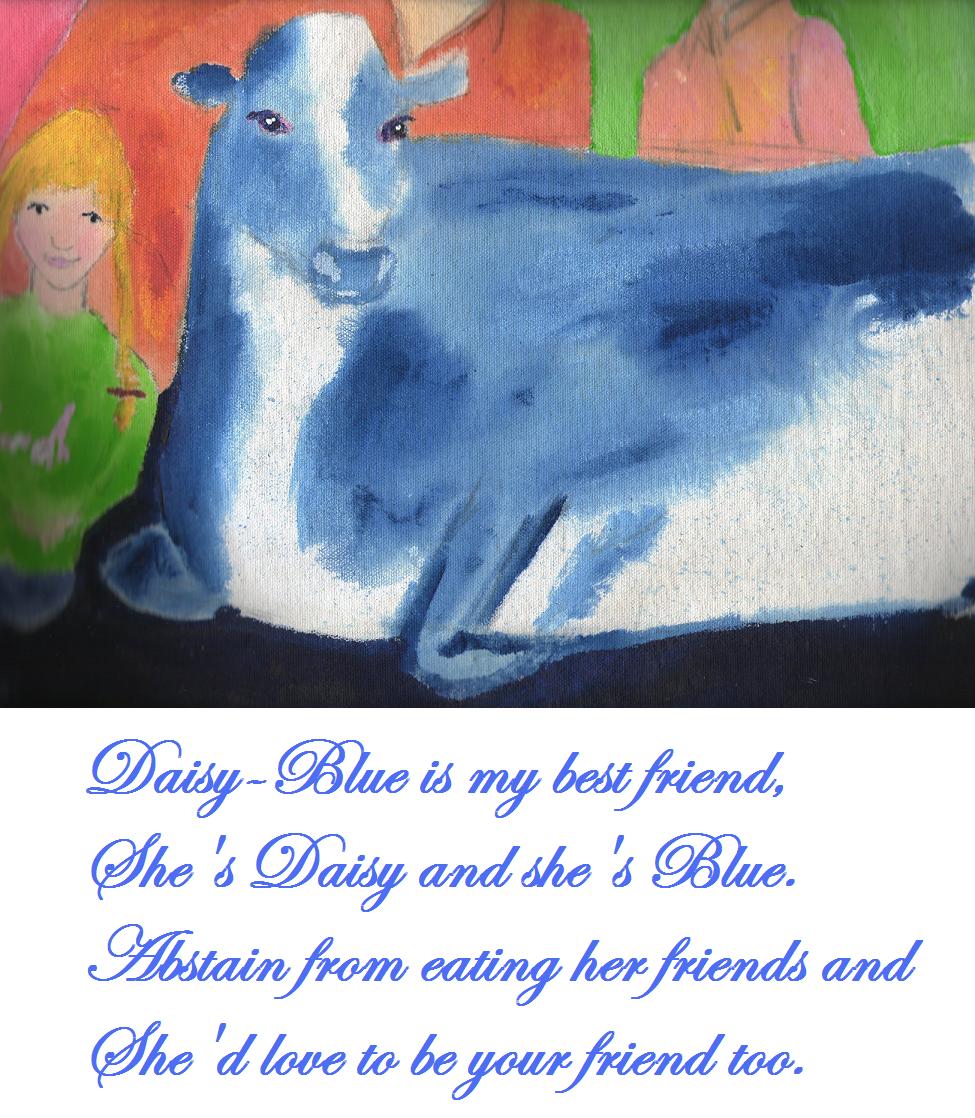
Daisy-Blue

Dumb Animals

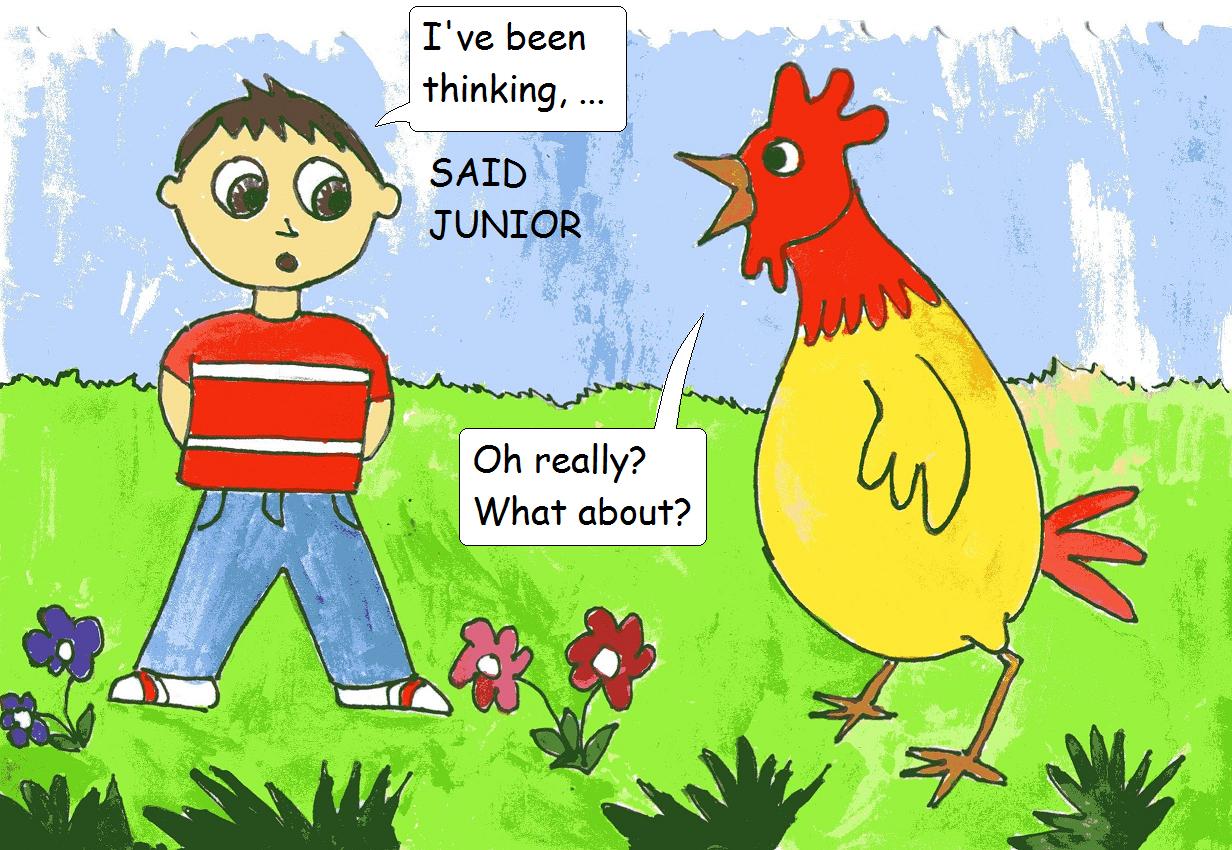
Junior’s thinking …

SAID JUNIOR

“About words and what people think they mean.”

“I don’t follow.”

“Well consider the word ‘people’, for example.  If  I asked someone what the word ‘people’ means they would probably say: “It’s the plural of ‘person’ and a person is a human being.””

“Ok, I’m with you so far …”

“but I think that definition is incomplete.”

“How do you mean?”

“To my mind, the definition of ‘a person’ is anyone with an individual personality.  Like you Chiksa, you have your own distinct personality don’t you?”

“Absolutely!”

“And you’re not like every other chicken in the yard?”

“Certainly not! I’m not bossy like Henny-Penny, or painfully shy like Henrietta.”

“So you see my point.  You are not human but you have a personality and that makes you a person. That makes all animals people.”

“That’s the logical conclusion to draw, yes.”

“Which brings me to my next thought: why do people think it’s ok to eat people?”

It’s our birthday! Hurrah!

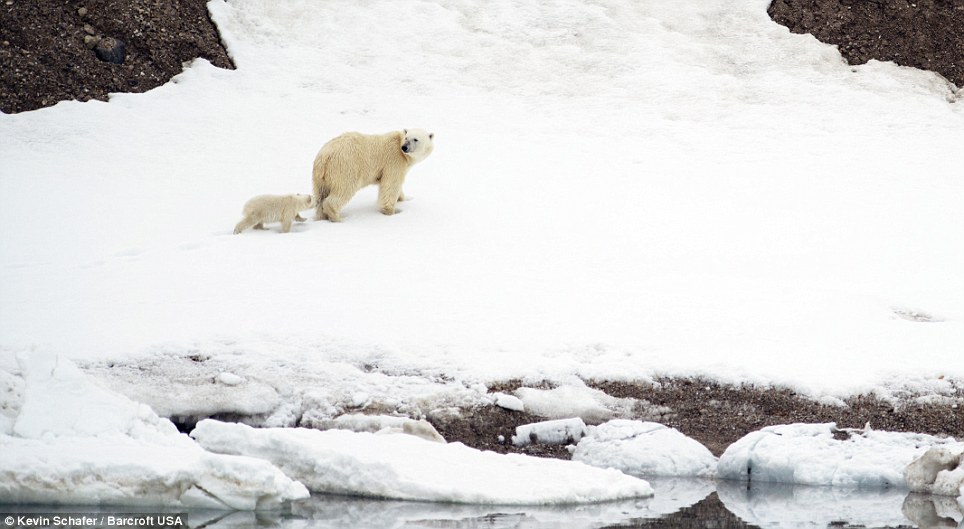
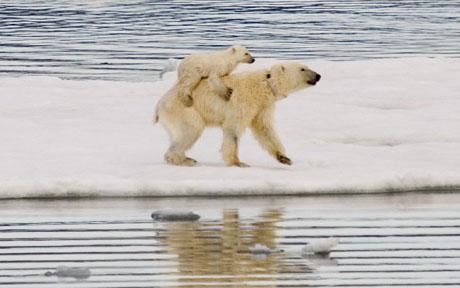
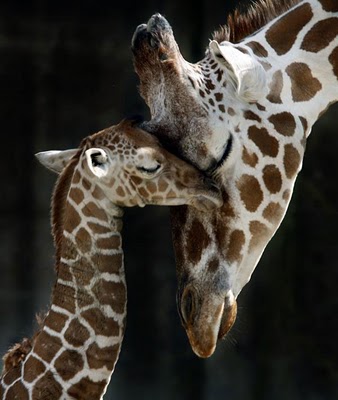
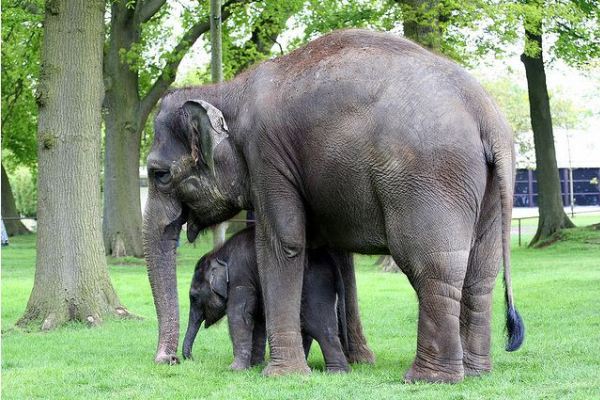
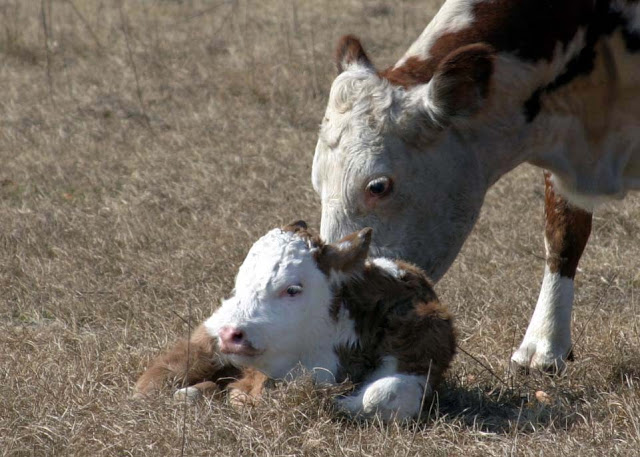
Animal Families