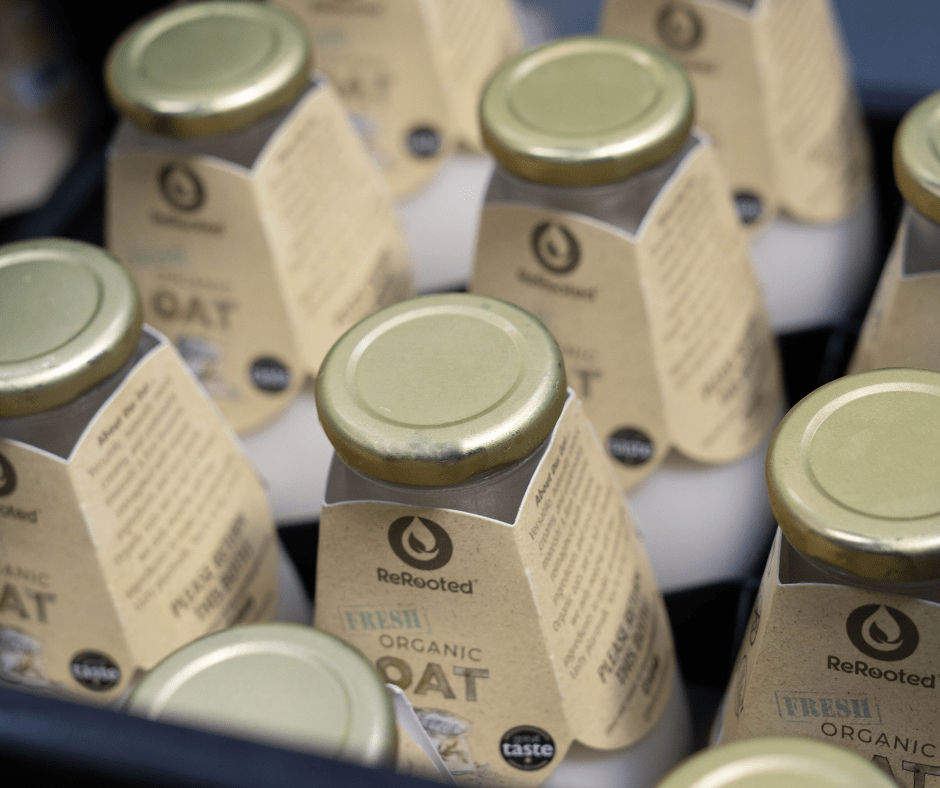
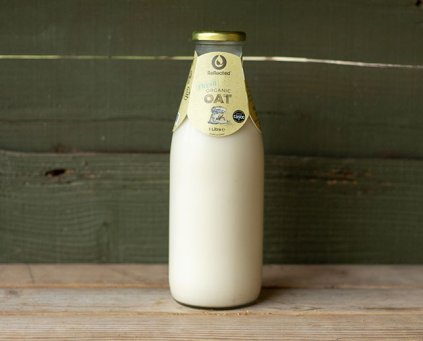
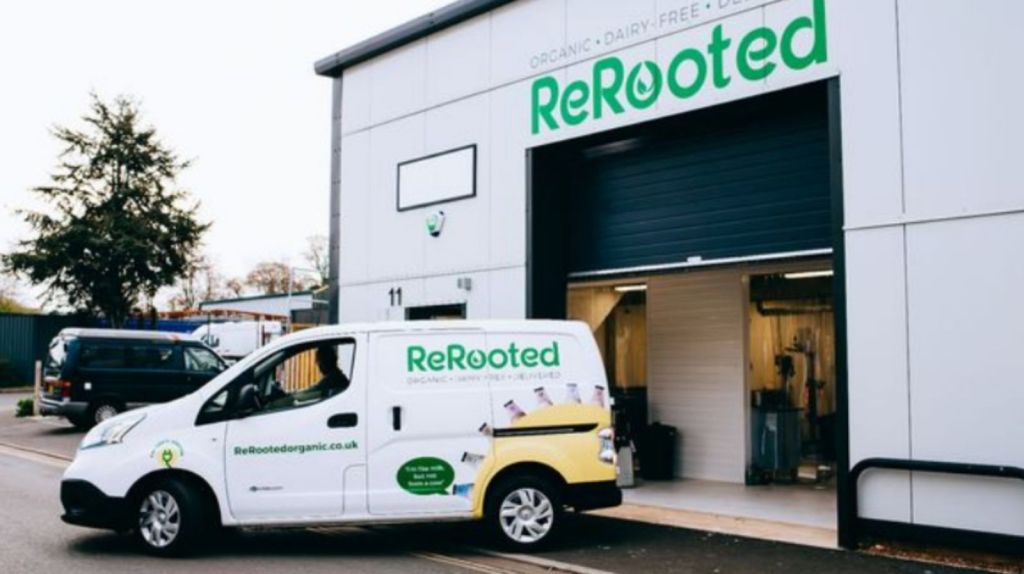
We order ours from Riverford every week and it’s so yummy!
*
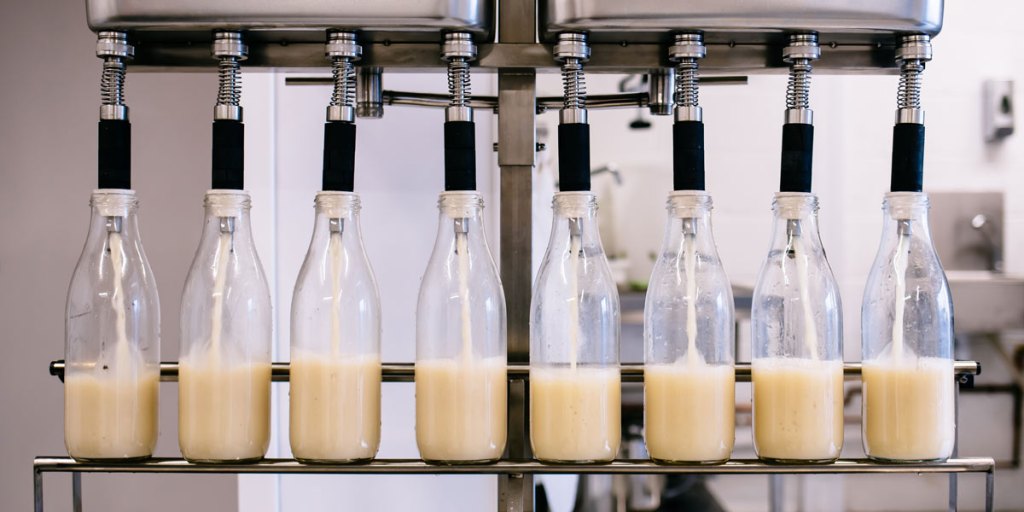
Then when we’ve poured it all on our cereal or into our tea, we return the bottles and they wash and refill them 😀
*
Superbly scrumptious, entirely ethical and completely cruelty-free: milk the way it should be from ReRooted. And it’s not just oat you know – they make all sorts of different plant milks. Take a look! 😀
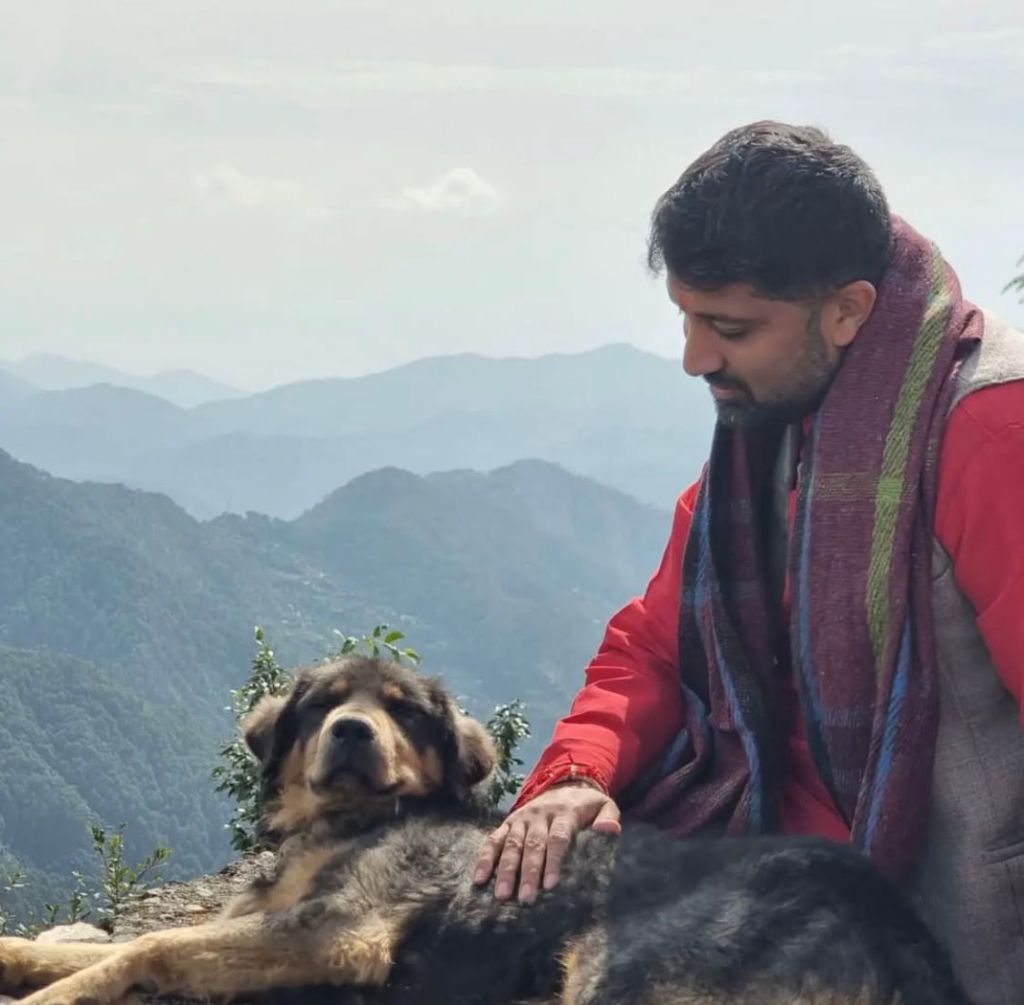
In the glow of Diwali, I am filled with gratitude to each of you for being on this journey of dharma. As we celebrate the triumph of light over darkness, I feel a deep responsibility to honour that light, not only within ourselves but in all beings. Today, I write to you with a heartfelt invitation to consider a path that brings our actions into harmony with ahimsa—the principle of non-violence that lies at the very heart of dharma. This means us lightening the violence we are causing to the animal kingdom and to nature. Go Dharmic distributes food and aid to people in need all over the world, and it is important that we extend the love we feel for other people to include animals and nature too.
Go Dharmic is not just a humanitarian charity. We are a movement and platform for compassion in action. As many esteemed global charitable organisations focus on treating the symptoms, we apply efforts to advocate for peace and address the systemic disease that causes them in the first place: violence. I was personally shocked and upset to see beef being served at important events like COP or even at some major humanitarian charity events. These are supposed to be the leaders of peace and compassion in the world and yet choose to ignore the harm of violence to animals.
Sanatana Dharma calls us to revere every form of life, to ease suffering, and to live in harmony with all beings. The Mahabharata reminds us,
“Ahimsa is the highest dharma. Ahimsa is the best of all teachings(Mahabharata 13.117.37)” We should live gently upon this Earth, to see ourselves in all creatures, and to recognise the interconnected web that binds us all. It is in this spirit that Go Dharmic is a vegan organisation—not just as a dietary choice, but as a profound expression of our values of compassion, non-harming, and respect for the Earth and all her beings. When we serve and receive meals through our distributions or during disasters, when guests visit one of our retreats or join us at one of our centres, it is important that we serve food that does not include animal products.
Krishna says, “Dharma is love for all beings”. And these words are always in my mind and are central for our work and remind me that each being holds within it the same divine spark and the same essence. By choosing veganism as individuals and as a community, we choose to extend our compassion to animals, respecting their inherent right to live free from harm. Our relationship with animals should be one of guardianship, not exploitation. The practice of ahimsa calls us to end the suffering we impose on sentient beings—beings who, like us, seek to live, love, and avoid suffering. By simply choosing to avoid animal products, we choose not to participate in a system that inflicts pain and fear, but to embody the principle of non-violence in a way that honours all life.
*
The Rigveda speaks to the sanctity of all life, declaring, “May all beings look at me with a friendly eye, and may I do likewise; may all beings look at each other with a friendly eye” (Rigveda 10.191.4). Justice is not limited to human society alone but extends to all beings who share this Earth. When we choose compassion over consumption, we are not only upholding the rights of animals but affirming the justice that should guide all our relationships. Our ethical responsibility includes treating animals with dignity, acknowledging their suffering, and striving for a more just and kind world. Let us not argue about what people did in the past, whether they consumed meat, or dairy or any specific circumstances as examples but let us look at the tremendous evidence of the suffering of animals, violence to our planet and ourselves. If we apply and engage our ethical or dharmic compass with intelligence we will find that veganism is a very practical and simple solution to heal nature and reduce harm to nature whilst still living well.
Modern science has underscored the urgency of these choices. Research on planetary boundaries, particularly by the Stockholm Resilience Centre, has identified critical thresholds in areas like climate change, deforestation, and biodiversity loss. Animal agriculture, including the dairy industry, is one of the primary drivers pushing us beyond safe boundaries, fuelling deforestation, greenhouse gas emissions, and the depletion of our planet’s natural resources. Many will choose to do nothing about it, but the call to ‘Go Dharmic’, is one for us to take responsibility.
In the Mahabharata, there was a wise merchant Tuladhara who encountered the sage Jajali, who had spent years practising severe austerities, renouncing worldly attachments, and engaging in rigorous sacrifices. Jajali, proud of his accomplishments, believed he had attained the highest form of dharma and purity. Seeking validation, he asked Tuladhara about the merit of his practices. In response, Tuladhara shared a profound lesson on ahimsa and the path of least harm.
Tuladhara says:
“Ahimsa paramo dharmah”
“Non-violence is the highest dharma.”
Tuladhara adds that compassion and empathy are the roots of true spirituality, saying:
“One who truly understands dharma acts with kindness, not out of adherence to rules, but from a heartfelt desire to see all beings at peace. For such a person, all beings are part of their own family.”
He underscores that merely following strict austerities, as Jajali had done, does not embody true dharma. Instead, the essence of dharma lies in recognising the interconnectedness of all life and embodying ahimsa in every thought, word, and action.
This dialogue serves as a powerful reminder to us that the essence of dharma is compassion and non-harm, a teaching that has echoed through the centuries and I believe is one of the core teachings of Hinduism, Buddhism, Sikhism and Jainism.
Tuladhara taught Jajali that living in harmony with others, showing compassion to all beings—whether human, animal, or nature—is a truer and higher form of dharma than any sacrifice.
Jajali, who was humbled realised that while he had lived with great austerity, he had missed the essence of dharma: living with compassion and walking a path of gentleness, choosing actions that brought peace rather than harm. Through his story, Tuladhara shows us that the greatest spiritual strength lies not in conquering oneself through rigid discipline or rituals, but in nurturing a heart that is gentle, kind, and mindful of the well-being of all creation.He says:
“One should walk the path that causes the least harm to all beings, for in sparing others, one preserves their own purity and the world’s balance.”
The first half of the year has flown by in a blaze of activity. It is certainly a year of change, with the UK and devolved nations reviewing and implementing new strategies to benefit, preserve, and prosper both people and land.
The UK Government is currently developing a Land Use Framework, a 25-Year Farming Roadmap, and a new Food Strategy. Additionally, the publication of the Climate Change Committee’s Seventh Carbon Budget is a stark reminder of the crucial role of agriculture and land use in halting the UK’s contribution to global warming. Targets have been set in line with the Balanced Pathway to net zero by 2050, necessitating a reduction in sheep and cattle numbers; a rise in the planting rates of new woodland, and a rise in the proportion of upland peat in natural or rewetted condition; and a decline in average meat and dairy consumption.
Our research has shown that these targets are not only achievable but surprisingly welcomed by many farmers. The issue isn’t a lack of willingness, but a lack of supported choice. It is therefore a critical time for organisations such as ours to help guide the narrative and the policy decisions that ensue. It’s been a busy few months and so far, this year we have:
Published our Manifesto and a Policy Brochure which lays out evidence-based recommendations to government in the areas of farmer support and land use change. Our policy brochure has been endorsed by many key organisations and individuals. If you or your organisation are interested in endorsing our policy recommendations then please email molly@stockfreefarming.org
Met with DEFRA’s ‘Agricultural Net Zero Pathways’ policy team in Westminster, who were very supportive of our suggestions for policy change and asked lots of great questions. Now it’s just down to ministers finding the courage to do the right thing!
Arranged a meeting with the Climate Change Committee for June 25th to discuss how our policy recommendations can enable the targets set out in the 7th Carbon Budget.
Our research has shown us that there are three requirements for farmer change: Information, Demonstration, Remuneration. Farmers want to know what other farmers are doing, whether it is working, and how much money they are making. To that end, we have created a promotional video featuring the work of some of our transitioning farmers, employing the amazing talents of Paul Bates from Realm Video. Over the past year we have interviewed three farmers who have received support from Stockfree Farming during their journeys from traditional livestock agriculture to a diverse range of profitable stockfree initiatives.
Most recently, we visited one of our brilliant farmers in Ayrshire. This farmer recently purchased 43 acres of mixed woodland and pasture and will be establishing a hazelnut orchard. He is keen to demonstrate how this area of former sheep grazing can become more productive, simultaneously producing food for human consumption, restoring nature, supporting biodiversity and sequestering carbon. The level of innovation and aspiration that this farmer has is incredibly inspiring, and we know that his story will spark interest amongst other farmers.
Once the final edits have been completed, the film will be shared widely on our website, social media pages, and at the in-person events we will be attending this summer. Watch this space!
*
Last month, Sam spent three weeks volunteering with Peter and Patrick who run Meadowfields Farm in Caithness. Meadowfields is a new stockfree organic certified farm which began selling to the public last year through their self-service veg shed. They grow a vast range of fresh fruits and vegetables at their main 4-acre site near Halkirk. In addition, they also have another 100-acre site nearby, where they’re exploring different options for food growing and habitat restoration.
Situated in Caithness, they’ve encountered numerous challenges to producing fruit and veg, namely a shorter growing season, strong winds and heavy rain. Given these difficulties, we arranged for one of our advisory team members, Mark Dickinson, to come and lend his expertise. With Mark’s extensive experience of successfully producing fruit and veg in similar conditions in Orkney, there were many pearls of wisdom he could share. Mark spent three days with Peter and Patrick, walking around each site and discussing all the different aspects of the farm from ground preparation through to markets.
Much of his advice is now being put into practice, in particular the creation of lazy beds at their main site, which will help crops from becoming too waterlogged; and beginning peatland restoration works for their larger 100-acre site. Following this, Sam has been assisting Peter and Patrick with finding and applying for government funding through the Agri-Environment Climate Scheme (e.g. payments for including wildlife areas and for organic farming) and the Peatland ACTION fund (peatland restoration works).
Peter and Patrick have big plans for Meadowfields such as expanding their fruit and vegetable growing; welcoming more wildlife onto their farm; and making the space more accessible for visitors, volunteers and workers with disabilities and additional needs. We’re eager to continue helping Meadowfields where needed and are excited to see how it develops in the years to come!
Be sure to drop by their self-service veg shed if you’re in the area! You can find them on Google Maps or on Facebook. Expect a case study of their farm to follow on our website in the near future.
Here is a wonderful educational colouring book: Colour By Nutrients. It is at once a resource for artistic indulgence and an educational tool. Divided into chapters of different vitamins and minerals, the book illustrates which foods contain significant amounts of each.
The choice is yours, it's up to you
To be and feel your best.
To be sharp of brain and agile of knee,
Be regular of bowel and pale of wee,
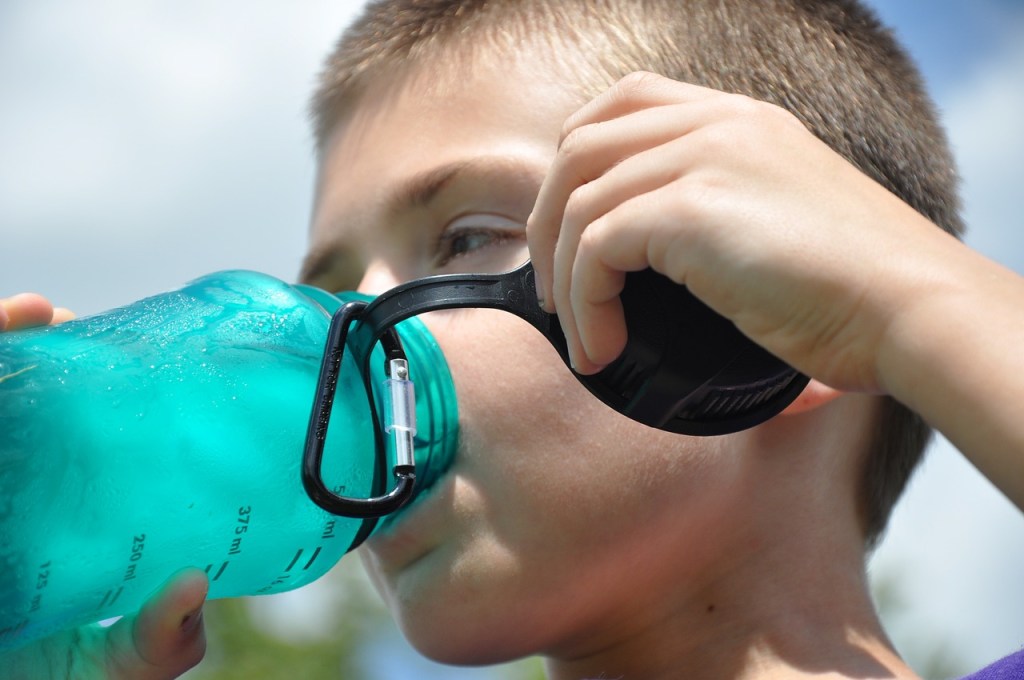
Just CHOOSE to drink enough water
Each day,
And live your life with zest.
*
bee by Schanin of Pixabay.com
*
And of course don’t eat any animal products – but that’s a given, right? 😀
Violet’s Vegan Comics – making vegan-friendly stories, poems and things-to-make-and-do since 2012
Earthing: ” the practice of connecting the body with earth by touching skin to a conductive material such as grass (preferably wet), wet sand, a river, lake or sea. …… When the body loses contact with the earth it can carry a positive voltage relative to the Earth. Some people believe this is not good for health and wellbeing. Earthing the body returns the voltage to zero “





 Violet's Vegan Comics