-

The time is NOW!
A message from Crustacean Compassion: We wanted to provide a quick update on the Sentience Bill ahead of today’s debate. This afternoon at 14:30, the House of Lords grand committee meet for the second time this month to continue reviewing suggested amendments to the bill. Two particularly important amendments being debated today are calling for invertebrates, like crabs and lobsters, to be included in the bill. If the Lords agree that…
-
URGENT! PLEASE HELP!
Excruciatingly Cruel slaughter methods: Boiling alive Freezing alive before boiling alive Freshwater drowning Carving and dismemberment while fully conscious These things happen legally because crustaceans and molluscs are not included in the Animal Welfare Act. PLEASE PLEASE PLEASE tell the UK government to end these cruel practices and make it mandatory to treat these wild…
-
Take a selfie for lobsters
Originally posted on Violet's Vegan Comics: Stop lobsters, crabs and other shellfish being boiled alive by uploading a selfie to show the government you support Crustacean Compassion’s campaign. The government is still undecided about including crustaceans in the new Sentience Bill, so please, no matter where you’re from, upload a selfie to tell the British…
-
Take a selfie for lobsters
Stop lobsters, crabs and other shellfish being boiled alive by uploading a selfie to show the government you support Crustacean Compassion’s campaign. The government is still undecided about including crustaceans in the new Sentience Bill, so please, no matter where you’re from, upload a selfie to tell the British government to do the right thing.…
-
The Corona Crisis: Reflections from Tamera
I haven’t posted in a few weeks – still working on The English Family Anderson Chapter 4 which is not ready yet – but right now I want to share something I just read at the Tamera Peace Research and Education Centre. It was written in January this year and is filled with truth and…
-
Found letter
The English Family Anderson, chapter 4, continues from last week: (For the story so far, click here) Oh no! 😮 More English Family Anderson coming soon 🙂 ********************************************** This comic was created with Comic Life by Plasq Flash-drive image by Open Clipart-Vectors of pixabay.com vegan, vegan comic, vegan children’s story, vegan ghost story, animals, animal rights, self-sufficient, off-grid,…
-
Walkie Talkie
The English Family Anderson, chapter 4, continues from last week: (For the story so far, click here) Ooh 😮 I want to know what’s on the piece of paper don’t you? Find out on Friday! 😀 ********************************************** This comic was created with Comic Life by Plasq vegan, vegan comic, vegan children’s story, vegan ghost story, animals, animal rights,…
-
Lifesaver
The English Family Anderson, chapter 4, continues from last week: (For the story so far, click here) Phew! That was close! 😀 What now? See you on Wednesday! *********************************** This comic was created with Comic Life by Plasq vegan, vegan comic, vegan children’s story, vegan ghost story, animals, animal rights, self-sufficient, off-grid, comics, ghost story,
-
The other Steve
The English Family Anderson, chapter 4, continues from Wednesday: (For the story so far, click here) Ooh, the Viscount doesn’t like that. Hurry up Dad – get out of there! We’ll see you on Monday with the next instalment 😮 Have a great weekend! 😀 ****************************************** This comic was created with Comic Life by Plasq vegan, vegan comic,…
-
Wine
The English Family Anderson, chapter 4, continues from Monday: (For the story so far, click here) Uh oh 😮 Get out of that one fake cleaner! Come back Friday to see how he does 😀 ************************************************* This comic was created with Comic Life by Plasq vegan, vegan comic, vegan children’s story, vegan ghost story, animals, animal…
-
Chez Viscount
The English Family Anderson, chapter 4, continues from last week: (For the story so far, click here) Ooh – sneaky! Come back on Wednesday to find out how he gets on. ************************************************ This comic was create with Comic Life by Plasq vegan, vegan comic, vegan children’s story, vegan ghost story, animals, animal rights, self-sufficient, off-grid, comics, ghost…
-
Please, pleeeease, help end brutality to crustaceans
It’ll only take you a couple of minutes and it could save millions of animals from unimaginable cruelty. Please help CrustaceanCompassion by asking your MP to get crustaceans and cephalopods included in the Sentience Bill. Thank you xx
-
Always remember the flapjacks
The English Family Anderson, chapter 4, continues from Wednesday: (For the story so far, click here) How indeed will he get through the front door? Find out on Monday 😀 Have a great weekend! ****************************************** This comic was create with Comic Life by Plasq vegan, vegan comic, vegan children’s story, vegan ghost story, animals, animal rights, self-sufficient,…
-
Scrapbook
The English Family Anderson, chapter 4, continues from Monday: (For the story so far, click here) Oh no! What are they going to do now?! 😮 Find out on Friday 😀 ******************************************** This comic was create with Comic Life by Plasq vegan, vegan comic, vegan children’s story, vegan ghost story, animals, animal rights, self-sufficient, off-grid, comics,…
-
Some kind of exorcism
The English Family Anderson, chapter 4, continues from last week: (For the story so far, click here) Gasp! What if they can’t save her?! Oh no! Come back Wednesday to see what happens next! ***************************************** vegan, vegan comic, vegan children’s story, vegan ghost story, animals, animal rights, self-sufficient, off-grid, comics, ghost story,
-
Bash!
The English Family Anderson, chapter 4, continues from Wednesday: (For the story so far, click here) Yikes! On Monday I’ll show you what happened next 😀 Have a great weekend! ***************************** vegan, vegan comic, vegan children’s story, vegan ghost story, animals, animal rights, self-sufficient, off-grid, comics, ghost story,
-
Another year, another bunch of babies
Originally posted on Make Raystede Vegan: I said I would do this every year until Raystede went vegan, but last year I didn’t because it was lockdown, Raystede was closed to the public, and I thought I’d give them some breathing space in the hope that they’d come to their senses. Sadly they haven’t so…
-
Selfish
The English Family Anderson, Chapter 4, continues from yesterday (for the story so far click here) Okay – so far so good. Come back on Friday for the rest of Caitriona’s story 🙂 ************ vegan, vegan comic, vegan children’s story, vegan ghost story, animals, animal rights, self-sufficient, off-grid, ghost story, comics,
-
Oh my!
The English Family Anderson, Chapter 4, continues from last week (for the story so far click here) Uh oh – I’ve got a feeling the Viscount was not under control. Come back tomorrow to read Caitriona’s story 😀 ************ vegan, vegan comic, vegan children’s story, vegan ghost story, animals, animal rights, self-sufficient, off-grid,
-
That’s what that was
The English Family Anderson, Chapter 4, continues from yesterday (for the story so far click here) My goodness! Caitriona doesn’t look at all well does she? Find out why on Monday 😮 Have a great weekend! ************ vegan, vegan comic, vegan children’s story, vegan ghost story, animals, animal rights, self-sufficient, off-grid,
-
Ghost book
The English Family Anderson, Chapter 4, continues from yesterday (for the story so far click here) What was what???! Find out tomorrow – see you then! 😉 ******************************************************* vegan, vegan comic, vegan children’s story, vegan ghost story, animals, animal rights, self-sufficient, off-grid,
-
In the middle of a sentence!
The English Family Anderson, Chapter 4, continues from yesterday (for the story so far click here) Ooh, let’s leave them to enjoy their beans on toast and come back tomorrow to find out what they’re going to do to help Caitriona 😀 ************************************** vegan, vegan comic, vegan children’s story, vegan ghost story, animals, animal rights, self-sufficient,…
-
Pure evil
The English Family Anderson, Chapter 4, continues from yesterday (for the story so far click here) 😮 Poor Caitriona! Can anything be done to save her?! Come back tomorrow to find out! ************************************** vegan, vegan comic, vegan children’s story, vegan ghost story, animals, animal rights, self-sufficient, off-grid,
-
Bones
The English Family Anderson chapter 4 continues from last week: Shiver 😮 Come back tomorrow and you might find out why 😉 ********************************** vegan, vegan comic, vegan children’s story, vegan ghost story, animals, animal rights, self-sufficient, off-grid,
-
Bread and jam
The English Family Anderson, chapter 4, continues from yesterday: But we still don’t know where Caitriona is! 😮 – see you tomorrow. 😀 ************************************************** vegan, vegan comic, vegan children’s story, vegan ghost story, animals, animal rights, self-sufficient, off-grid,
-
Bath time?
The English Family Anderson, chapter 4, continues from yesterday: Oh no! What’s happened to Caitriona? Story continues tomorrow, have another great day! 😀 ******************************* vegan, vegan comic, vegan children’s story, vegan ghost story, animals, animal rights, self-sufficient, off-grid,
-
New business
The English Family Anderson, chapter 4, continues from yesterday: Story continues tomorrow 😀 Have a great day! ******************************* vegan, vegan comic, vegan children’s story, vegan ghost story, animals, animal rights, self-sufficient, off-grid,
-
New English Family Anderson starts today!
Remember The English Family Anderson? You know, the ones who live on a bus. Well, we haven’t heard from them in a while but now they’re back and it’s about to get spooky! Chapter 4 begins with Casey catching you up on the story so far: The story continues tomorrow 😀 Have a great day!…
-
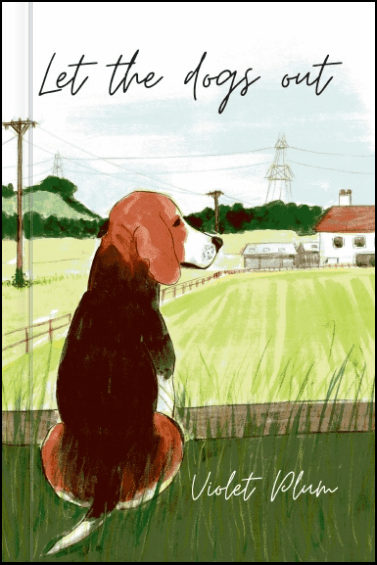
Let the dogs out
New edition of Let the dogs out – OUT NOW!
-
Cooking Green Goodness Magazine’s guide to growing good food at home
This is a brilliant inspirational post from Eartha Lowe, which makes me want to grow my own food, and tells you all the ways to go about it, even if you don’t have a garden. Click here to read the whole thing. Published on May 2, 2020 A Guide to Growing Good Food at Home: Planning…
-
Run for it!
The Perils of Percy Peardrop continues from yesterday. To read the story from the beginning, click here Hurrah! The Flat-Capped Menace’s plans are foiled again! I think these guys are about to have a great day. Hope you are too! 😀 For more Marvellous Mildred, go to the Marvellous Mildred page! ************************** vegan, vegan children, vegan comic,…
-
You’re welcome
The Perils of Percy Peardrop continues from yesterday. To catch up on the story so far, click here 😀 Now you’re talking! Join us tomorrow for the happy conclusion of The Perils of Percy Peardrop, or read it here now 😀 *********************** vegan, vegan children, vegan comic, vegan children’s story, animals, pigs, animal rescue,
-
Gnasher!
The Perils of Percy Peardrop continues from yesterday. To catch up on the story so far, click here 😀 Diversion? What diversion? Ooh, those girls are rascals! Whatever will they do next?! 😉 ********************************** vegan, vegan children, vegan comic, vegan children’s story, animals, pigs, animal rescue,
-
A Tricky Tangle
The Perils of Percy Peardrop continues from last week. To catch up on the story so far, click here 😀 Oh my goodness! Not the Super Fantastic Mechanical whatchamacallits again! Will Mildred be able to defeat them before the Flat-Capped Menace gets there? Find out tomorrow! ********************************** vegan, vegan children, vegan comic, vegan children’s story, animals, pigs,…
-
Roadworks
The Perils of Percy Peardrop continues from yesterday. To catch up on the story so far, click here 😀 Well done team! But hurry up and get Percy untied Mildred, the twins won’t be able to detain Mr Bottom for long, and the Flat-Capped Menace is heading your way. Hurry! Percy’s story will continue on Monday. Have…
-
Time is running out for Percy!
The Perils of Percy Peardrop continues from yesterday. To catch up on the story so far, click here 😀 Oh come on Mildred – don’t leave us hanging! What’s your plan? Is it clever enough and will it be quick enough to save Percy from the fast slow-approaching steam roller? I guess we’ll have to wait until…
-
Dastardly
The Perils of Percy Peardrop continues from yesterday. To catch up on the story so far, click here 😀 Oh my gosh! 😮 Is Percy finished? Has the Flat-Capped Menace conquered his prey? Or will Mildred and the girls get there in time to stop him? Come back tomorrow to find out! 😀 ****************************** vegan,…
-
Oh no! Not Super Fantastic Automatic Electronic Mechanical Clutching Machines!
Story continues from yesterday. For the story so far, click here 😀 Run for it Percy! Run for your life!!! Will Percy be able to evade the Super Fantastic Automatic Electronic Mechanical Clutching Machines? Find out tomorrow! ************************** vegan, vegan children, vegan comic, vegan children’s story, animals, pigs, animal rescue,
-
Get Percy!
Story continues from last week: Quick girls! Run run run!!! Will they get to Percy before the Flat-Capped Menace?! Come back tomorrow to find out 😮 If you missed the beginning, you can catch up here 😀 ********************************* vegan, vegan children, vegan comic, vegan children’s story, animals, pigs, animal rescue,
-
Aha!
Story continues from yesterday: Thank goodness Penelope is safe – but what about Percy?!! Come back on Monday to find out 😀 For more Marvellous Mildred, read the first episode, and have a great weekend! ❤ ******************** vegan, vegan children, vegan comic, vegan children’s story, animals, pigs, animal rescue,
-
Hurry Mildred, Hurry!!!
Oh my goodness! Will Mildred and the girl scout twins reach Penelope in time? Will baby Percy be caught by the despicable Mr Bottom? Will the Flat-Capped Menace fall out of his balloon basket? Come back tomorrow to find out! ******************** vegan, vegan children, vegan comic, vegan children’s story, animals, pigs, animal rescue,
-
Look out Penelope!
Story continues from yesterday: Yes Mildred! Quick! Someone is in trouble! Will Mildred and the twins get there in time? Come back tomorrow to find out! And if you’re new to Marvellous Mildred – here’s the first episode. ******************** vegan, vegan children, vegan comic, vegan children’s story, animals, pigs, animal rescue,
-
Oh no! Watch out Percy!
Story continues from yesterday: Oh no Percy! Don’t fall for the old apple gambit! Come back tomorrow to see what happens next! 😀 And if you’re new to Marvellous Mildred – here’s the first episode. ******************** vegan, vegan children, vegan comic, vegan children’s story, animals, pigs, animal rescue,
-
New Marvellous Mildred starts today!
Oh no! Will Penelope and Percy get caught by the Flat-Capped Menace?! Find out tomorrow! If you’re not familiar with Marvellous Mildred, you can read the first episode here 😀 ************************** vegan, vegan children, vegan comic, vegan children’s story, animals, pigs, animal rescue,
-
Luke Walker for Hillside Animal Sanctuary!
From this day forward, all profits from the sale of the Luke Walker: animal stick up for-er books in our Lulu shop will go to Hillside Animal Sanctuary in Frettenham near Norwich. Hillside is now home to over 4000 rescued animals but their work doesn’t end there. They also conduct investigations into the way animals…
-
Crustaceans to colour and protect!
Originally posted on Violet's Vegan Comics: UPDATE: The result of Defra’s independent review of decapod sentience is due imminently, and the outcome will be crucial for moving towards legislation. Crustacean Compassion are working hard to prepare. The best thing you can do right now is make sure you’re following their social media channels, like and…
-
Crustaceans to colour and protect!
Download and colour these lovely pictures of crustaceans and then scroll down to see how you can protect them in real life 😀 Crustacean Compassion is an award-winning animal welfare organisation dedicated to the humane treatment of decapod crustaceans. They are a group of animal welfare professionals who are shocked by the inhumane treatment of…
-
Live Transport Consultation – time’s running out!
The RSPCA has made it easy for us to contribute to the UK Government’s consultation about their proposed end to live transport. They’re asking for the opinion of a lot of farmers who will argue for its continuation so we’ve got to make sure they know how many people are desperate for it to end.…
-
LUV4ALL: Mother Earth Warns! Wake Up Your COMPASSION
More from Love Unity Voice magazine issue 3 – by Racine Hiet: Until we, the human collective, fully awaken–from within our hearts–to acknowledge the Absolute Truth that we are One with ALL Life, ONLY then can we ensure the survival of Mother Earth and her Universal Family. To evolve to the inner consciousness of ONENESS…
-
Don’t miss the recent Redfin article: “21 Beginner Tips for a Vegan House in 2021”
Last week, or the week before, I got an email from a lovely lady called Alison who works at REDFIN (an Estate Agent) in Seattle. She said she wanted to do a blog post filled with beginner tips for how to make your home vegan, and wanted us to join in. We were delighted to…
-
Subscribe
Subscribed
Already have a WordPress.com account? Log in now.
 Violet's Vegan Comics